Colocasia Esculenta Blue Hawaii (Colocasia Esculenta)
Colocasia Esculenta, commonly known as taro or elephant ear, is a tropical plant with large, heart-shaped leaves that make it a striking addition to any.
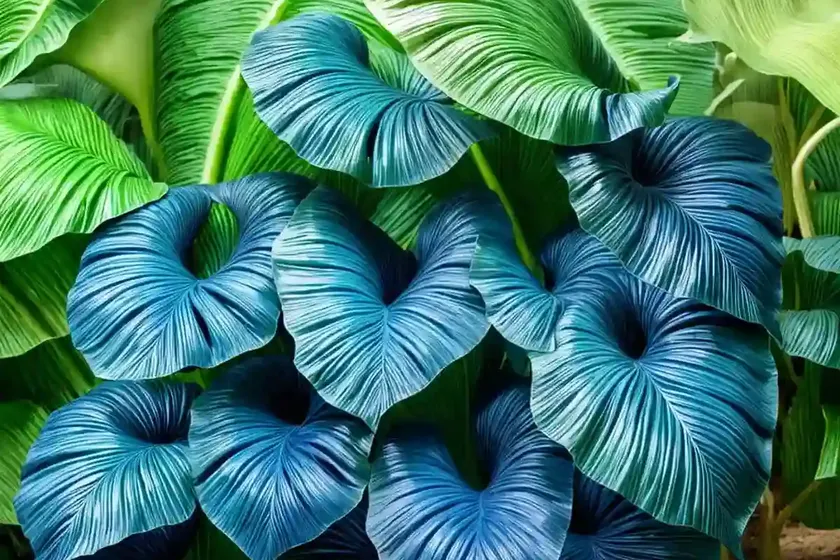
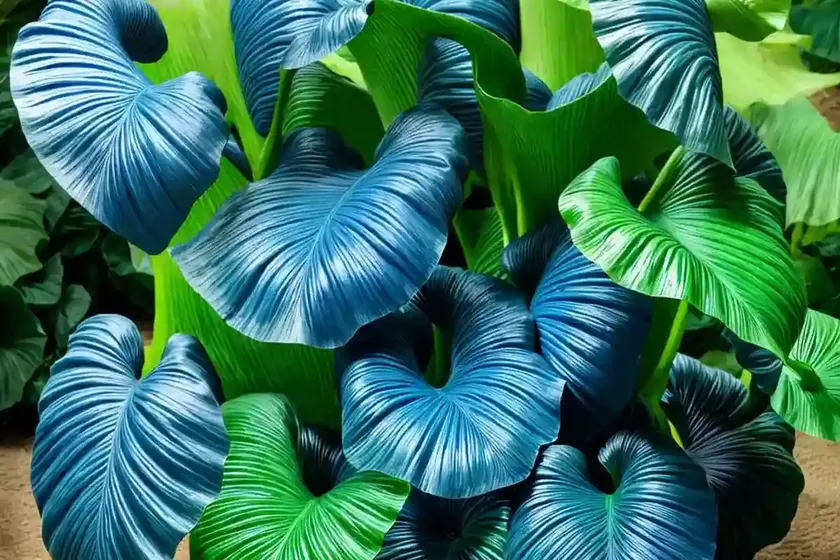
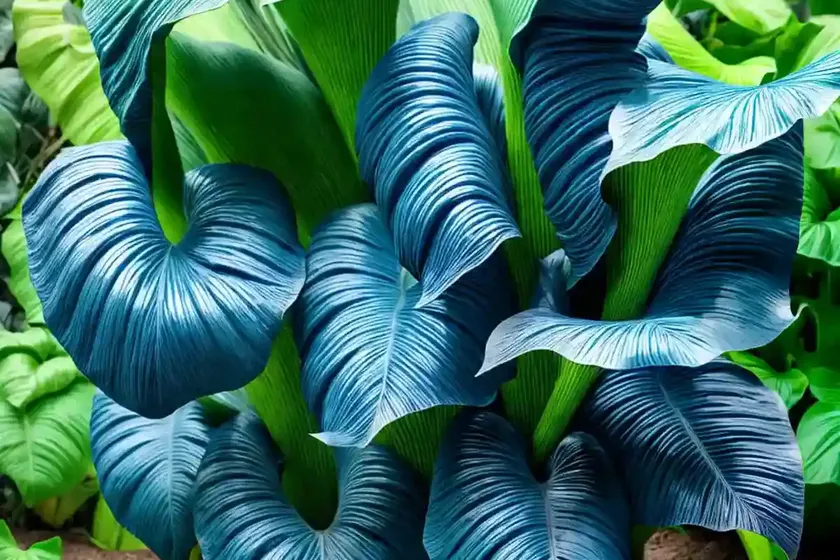
Colocasia Esculenta, commonly known as taro or elephant ear, is a tropical plant with large, heart-shaped leaves that make it a striking addition to any garden. The Blue Hawaii variety, in particular, is known for its enchanting blue-green leaves that add a touch of exotic beauty to landscapes. In this comprehensive guide, we will delve into the various aspects of caring for the Colocasia Esculenta Blue Hawaii plant, including its culture, uses, growth requirements, and more. Whether you are a seasoned gardener or a novice plant enthusiast, this guide will provide you with valuable insights into cultivating and maintaining this remarkable plant.
What is Colocasia Esculenta Blue Hawaii?
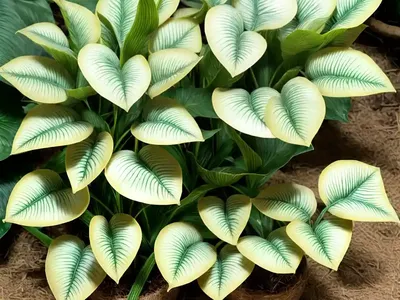
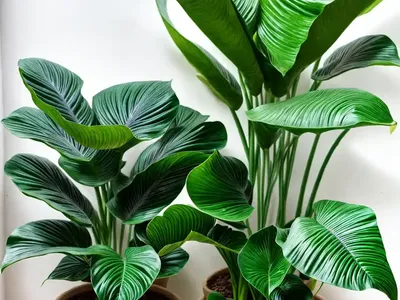
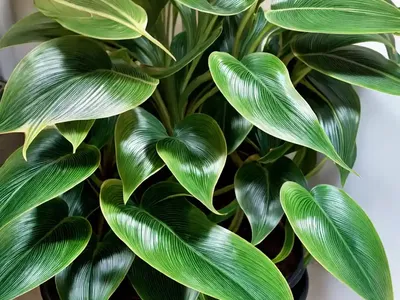
Colocasia Esculenta Blue Hawaii, a cultivar of the Colocasia Esculenta species, is distinguished by its striking blue-green foliage that can instantly elevate the aesthetics of any garden or landscape. With its large, heart-shaped leaves and imposing stature, this plant is often a focal point in many tropical and subtropical gardens.
Key Takeaways – Colocasia Esculenta Blue Hawaii
- Plant Name: Colocasia Esculenta Blue Hawaii (Colocasia Esculenta)
- Common Names: Taro, Elephant Ear
- Growth Habit: Herbaceous Perennial
- Foliage Color: Blue-Green
- Cultural Significance: Traditional staple food in various cultures
- Landscape Use: Ornamental focal point, tropical gardens
Now, let’s explore the essential aspects of cultivating and caring for Colocasia Esculenta Blue Hawaii.
Culture
Cultivating Colocasia Esculenta Blue Hawaii involves understanding its cultural requirements, including water, sunlight, fertilizer, soil, and pruning. Let’s delve into each of these aspects in detail.
Uses
Ornamental Use
The striking blue-green foliage of Colocasia Esculenta Blue Hawaii makes it a popular choice for ornamental purposes. Its imposing presence and tropical allure often lend a dramatic effect to landscapes and gardens, making it a prized addition for gardeners and landscape designers.
Culinary Use
Apart from its ornamental value, Colocasia Esculenta, including the Blue Hawaii variety, holds significant culinary importance in various cultures. Taro roots are a traditional staple food in many tropical and subtropical regions. They can be cooked and prepared in numerous ways, such as steaming, boiling, or frying, and are a key ingredient in several traditional dishes.
Water
Colocasia Esculenta Blue Hawaii thrives in moist soil and requires consistently adequate moisture to support its lush foliage and growth. When cultivating this plant, it is essential to ensure that the soil remains consistently moist without becoming waterlogged. Adequate watering is particularly crucial during dry periods or when the plant is grown in containers.
Water Needs: Regular watering, maintaining consistently moist soil
Sunlight
In its natural habitat, Colocasia Esculenta Blue Hawaii flourishes in partial to full shade, making it well-suited for shaded garden areas. Thus, when grown as a cultivated plant, it is crucial to provide it with an environment that replicates the dappled light conditions of its native tropical habitat.
Sunlight Preferences: Partial to full shade
Fertilizer
Fertilizing Colocasia Esculenta Blue Hawaii is essential to support its vigorous growth and the development of its lush foliage. A balanced, water-soluble fertilizer applied during the growing season can provide the necessary nutrients for the plant’s optimal development.
Fertilizer Requirements: Balanced, water-soluble fertilizer during the growing season
Soil
The ideal soil for Colocasia Esculenta Blue Hawaii should be rich in organic matter and well-draining. A slightly acidic to neutral pH range is recommended for this plant. Additionally, it is crucial to ensure that the soil retains moisture without becoming waterlogged, as consistent moisture is vital for the plant’s health.
Soil Requirements: Rich in organic matter, well-draining, pH neutral to slightly acidic
Pruning
Pruning Colocasia Esculenta Blue Hawaii primarily involves the removal of dead or damaged leaves to maintain the plant’s overall health and aesthetics. It is crucial to use sharp, clean tools when pruning to avoid causing unnecessary stress or damage to the plant. Regular inspection and selective pruning can help retain the plant’s vigor and appearance.
Pruning Techniques: Removal of dead or damaged leaves, selective pruning for aesthetic maintenance
Propagation
Propagating Colocasia Esculenta Blue Hawaii can be achieved through various methods, including division, offsets, and from seeds. Each method offers unique advantages and considerations, and selecting the most appropriate approach depends on the gardener’s preferences and the specific requirements of the plant.
Container Popularity
The impressive foliage and ornamental value of Colocasia Esculenta Blue Hawaii make it a popular choice for container gardening. Its striking appearance and adaptability to container growth make it an ideal plant for adding tropical flair to patios, decks, and indoor spaces.
Common Diseases
Colocasia Esculenta Blue Hawaii, like many plants, is susceptible to certain diseases that can affect its overall health and vigor. Understanding the common diseases and their diagnosis is essential for effective disease management and prevention.
Disease Diagnosis
- Leaf Blight: Irregular brown spots on leaves, leading to foliage decay
- Root Rot: Yellowing and wilting of foliage, accompanied by foul odor from the roots
- Dasheen Mosaic Virus: Mottled or distorted foliage, stunted growth
Common Pests
In addition to diseases, Colocasia Esculenta Blue Hawaii may also face challenges from various pests that can compromise its health and appearance. Identifying and addressing these common pests is crucial for maintaining the plant’s vitality.
Common Pests
- Aphids: Small, soft-bodied insects clustering on young shoots and undersides of leaves
- Spider Mites: Fine webbing on leaves, stippled appearance due to feeding
- Mealybugs: White, cottony masses on foliage, causing stunted growth
Now that we have explored the essential cultural and care aspects of Colocasia Esculenta Blue Hawaii, let’s delve into some additional insights and tips from botanists.
Botanist’s Tips
Botanists recommend the following tips for cultivating and caring for Colocasia Esculenta Blue Hawaii:
- Moisture Management: Consistently monitor soil moisture to ensure optimal conditions for the plant’s growth.
- Pruning Regularity: Regularly inspect and prune the plant to remove dead or damaged foliage and maintain its overall vigor.
- Disease Prevention: Implement proactive measures, such as proper sanitation and monitoring, to prevent common diseases and pests.
- Container Considerations: When growing in containers, select a well-draining potting mix and ensure adequate drainage to prevent waterlogging.
Fun Facts
- In Hawaiian culture, taro is highly revered and has significant cultural and spiritual importance.
- The leaves of Colocasia Esculenta Blue Hawaii are often used in decorative arrangements and floral displays due to their striking appearance.
- Taro roots are a key ingredient in traditional Hawaiian dishes such as poi, a staple starch.
Now that we have gained in-depth knowledge about Colocasia Esculenta Blue Hawaii, let’s explore some external resources for further information and insights.
Links to External Resources
- Tropical Plant Database: Colocasia Esculenta
- Hawaiian Ethnobotany Online Database
- Garden Design: Using Colocasia Esculenta Blue Hawaii
- Traditional Hawaiian Cooking Recipes
In conclusion, Colocasia Esculenta Blue Hawaii, with its captivating foliage and cultural significance, offers an exceptional addition to tropical and subtropical gardens. As we have explored its cultural requirements, uses, and growth considerations, it becomes evident that this remarkable plant holds both ornamental and practical value. Whether used as an ornamental focal point or for its culinary significance, Colocasia Esculenta Blue Hawaii continues to enthrall gardeners and enthusiasts with its unique attributes. By understanding and implementing the recommended cultural practices, maintenance, and care tips, we can ensure the thriving growth and beauty of this captivating tropical plant.