All About Colocasia esculenta ‘Black Magic’ (Taro)
Plants are an integral part of our planet, providing us with food, medicine, and beauty. One such fascinating plant is the Colocasia esculenta ‘Black Magic’, commonly known as Taro. This plant not only has cultural significance but also offers a variety of practical uses. In this comprehensive guide, we will delve into the world of Colocasia esculenta ‘Black Magic’, exploring its characteristics, cultivation, and much more.
What is Colocasia esculenta ‘Black Magic’ (Taro)?
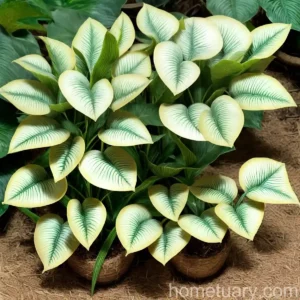
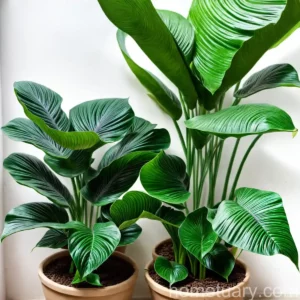
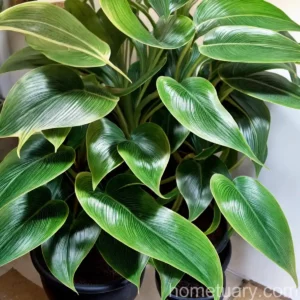
Colocasia esculenta ‘Black Magic’, also known as Taro, is a tropical plant that belongs to the Araceae family. It is native to Southeast Asia and Southern India and has been cultivated for centuries. Taro is known for its starchy corms, which are a staple food in many tropical regions. The plant also has ornamental value due to its large, vibrant leaves, making it a popular choice for gardens and landscapes.
Key Takeaways – Colocasia esculenta ‘Black Magic’ (Taro)
Before we delve into the specifics of cultivating and caring for Colocasia esculenta ‘Black Magic’, let’s take a look at some key takeaways about this fascinating plant.
- Common Name: Colocasia esculenta ‘Black Magic’ (Taro)
- Family: Araceae
- Native Region: Southeast Asia and Southern India
- Uses: Food, Ornamental
- Characteristics: Large leaves, Starchy corms
- Watering: Regular moisture
- Sunlight: Partial shade to full sun
- Soil: Rich, well-draining
- Pruning: Remove dead or damaged leaves
- Propagation: Division, Offsets
- Common Diseases: Leaf spot, Root rot
- Common Pests: Aphids, Spider mites
Now that we have a foundation understanding of Colocasia esculenta ‘Black Magic’, let’s explore its cultural significance, practical uses, and how to cultivate it successfully.
Culture
Colocasia esculenta ‘Black Magic’ has a rich cultural history, especially in regions where it is a staple food. Taro holds significance in traditional cuisines and is often used in rituals and ceremonies. In addition to its culinary uses, Taro also has traditional medicinal applications in some cultures.
Uses
The uses of Colocasia esculenta ‘Black Magic’ are diverse, ranging from culinary to ornamental. Understanding these uses is essential for appreciating the plant’s significance and practical applications.
-
Food: Taro corms are a significant food source in many tropical regions. They are used in various culinary preparations, including soups, stews, and traditional dishes.
-
Ornamental: The large, striking leaves of Colocasia esculenta ‘Black Magic’ make it a popular choice for ornamental plantings in gardens and landscapes.
-
Traditional Medicine: In some cultures, parts of the Taro plant are used for medicinal purposes, often for treating digestive issues and as a source of dietary fiber.
Growing Colocasia esculenta ‘Black Magic’
Cultivating Colocasia esculenta ‘Black Magic’ can be a rewarding experience, especially for those who appreciate lush, tropical plants. Here are the key factors to consider when growing Taro:
Water
Colocasia esculenta ‘Black Magic’ thrives in moist conditions, making it well-suited for wetland areas and gardens with consistent moisture levels. Adequate watering is essential for the plant’s growth and development, especially during dry periods.
- Watering Needs: Keep the soil consistently moist, but not waterlogged. Avoid allowing the soil to dry out completely.
Sunlight
Just like many tropical plants, Colocasia esculenta ‘Black Magic’ prefers partial shade to full sun. It can thrive in a range of light conditions, but protection from harsh afternoon sun may be beneficial.
- Sun Requirements: Provide partial shade to full sun for optimal growth. Shield the plant from intense midday sun in hot climates.
Soil
The right soil conditions are crucial for the successful cultivation of Colocasia esculenta ‘Black Magic’. Well-draining, rich soil that retains moisture without becoming waterlogged is ideal for this plant.
- Soil Preferences: Use a rich, well-draining soil mix. Consider adding organic matter for improved moisture retention.
Fertilizer
Proper nutrition is essential for the healthy growth of Colocasia esculenta ‘Black Magic’. A balanced fertilizer regimen can provide the necessary nutrients for lush foliage and robust corm development.
- Fertilizer Recommendations: Apply a balanced, water-soluble fertilizer during the growing season. Follow the manufacturer’s instructions for application rates.
Pruning
Pruning helps maintain the health and appearance of Colocasia esculenta ‘Black Magic’ by removing dead or damaged leaves. Regular inspection and pruning can also help prevent disease and pest issues.
- Pruning: Remove yellowing, damaged, or dead leaves to promote overall plant health and aesthetic appeal.
Propagation
Expanding your Colocasia esculenta ‘Black Magic’ collection is possible through propagation methods such as division and offsets. Understanding these techniques can help you create new plants from existing stock.
- Propagation: Divide mature plants to create new individuals. Potentially viable offsets can also be carefully separated and propagated.
Container Popularity
Due to its ornamental value and manageable size, Colocasia esculenta ‘Black Magic’ is popular for container gardening. This practice allows individuals with limited space to enjoy the beauty of this tropical plant.
- Container Gardening: Plant Taro in well-draining containers with adequate space for root development. Ensure regular watering and appropriate sunlight exposure.
Common Diseases and Pests
Like any plant, Colocasia esculenta ‘Black Magic’ is susceptible to certain diseases and pests. Being able to identify potential issues and knowing how to address them is essential for maintaining plant health.
Disease Diagnosis
A few common diseases can affect Colocasia esculenta ‘Black Magic’, including:
- Leaf Spot: Identified by dark, sometimes water-soaked spots on leaves. Fungal infections may be a contributing factor.
- Root Rot: Visible as yellowing or wilting leaves despite adequate moisture. Overly wet soil can contribute to root rot issues.
Common Pests
Several pests may target Colocasia esculenta ‘Black Magic’, including:
- Aphids: Small, sap-sucking insects that can cluster on new growth and cause distortion of leaves.
- Spider Mites: These tiny pests can create fine webbing on the plant and cause stippling on leaves.
Botanist’s Tips
Here are some practical tips to keep your Colocasia esculenta ‘Black Magic’ healthy and vibrant:
- Monitor Moisture: Regularly check the soil moisture to ensure it remains consistently moist without becoming waterlogged.
- Inspect Leaves: Periodically examine the foliage for signs of disease or pest infestation, and take prompt action if needed.
- Provide Adequate Space: Give your Taro plant ample room to grow, whether in the ground or a container, to prevent crowding and potential disease issues.
Fun Facts
Now let’s explore some fascinating and lesser-known facts about Colocasia esculenta ‘Black Magic’:
- The starchy corms of Taro are a significant source of carbohydrates in many cultures and are used in a wide range of culinary applications.
- In some regions, the leaves of the Taro plant are used to wrap food for cooking, imparting a unique flavor to the prepared dishes.
- Colocasia esculenta ‘Black Magic’ is a vigorous grower in tropical climates and can form large clumps of lush foliage in the right conditions.
With its intriguing cultural history and practical uses, Colocasia esculenta ‘Black Magic’ continues to capture the interest of plant enthusiasts and food aficionados alike.
Links to External Resources
To further expand your knowledge of Colocasia esculenta ‘Black Magic’ and its cultivation, here are some valuable resources:
- Growing Taro Plants in the Home Garden
- Colocasia esculenta ‘Black Magic’ Care Guide
- Taro: A Review of Colocasia esculenta and Its Potentials
By utilizing these resources, you can gain further insights into the world of Colocasia esculenta ‘Black Magic’ and its diverse applications.
In summary, Colocasia esculenta ‘Black Magic’ is a remarkable plant with a rich cultural heritage and practical uses. By understanding its growth requirements, potential issues, and uses, you can cultivate this tropical beauty successfully and enjoy its ornamental appeal and culinary contributions. Whether in the garden or a container, Taro brings a touch of the tropics to any environment and continues to captivate plant enthusiasts across the globe.
In this comprehensive guide, we’ve explored the captivating world of Colocasia esculenta ‘Black Magic’ (Taro), from its cultural significance to its practical uses and cultivation. The intricate balance of watering, sunlight, soil, and maintenance all play crucial roles in ensuring the health and vibrancy of this tropical plant. With this knowledge in hand, you are well-equipped to embark on your journey of growing and appreciating the beauty of Colocasia esculenta ‘Black Magic’.