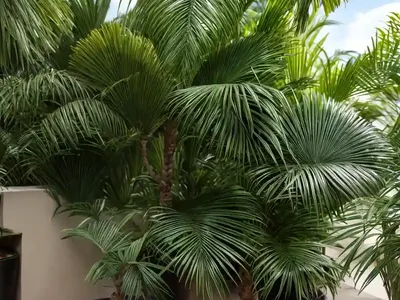
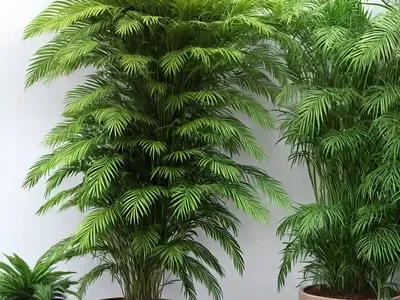
Coconut Palm (Cocos Nucifera)
Coconut Palm (Cocos nucifera): A Comprehensive Guide



Coconut Palm (Cocos nucifera): A Comprehensive Guide
The coconut palm, scientifically known as Cocos nucifera, is one of the most versatile and economically important plants in the world. Renowned for its iconic stature, the coconut palm is often referred to as the “tree of life” due to its myriad uses and cultural significance in tropical regions. From its delicious fruits to its valuable palm wood, the coconut palm plays a vital role in various aspects of human life, including nutrition, medicine, and industry. In this comprehensive guide, we will delve into the rich culture, numerous uses, cultivation practices, and maintenance tips for the coconut palm. Whether you are a plant enthusiast, a horticulturist, or someone intrigued by the mystique of tropical flora, this guide will provide valuable insights into the coconut palm.
What is a Coconut Palm (Cocos nucifera)?
The coconut palm, Cocos nucifera, belongs to the Arecaceae family, commonly known as the palm family. This palm species is renowned for its large, palmate leaves and its ability to thrive in tropical coastal regions. Native to the Indo-Pacific region, the coconut palm has been cultivated and naturalized in various tropical and subtropical areas around the globe, making it a symbol of tropical paradise. The key features of the coconut palm include its tall, slender trunk, graceful arching fronds, and the iconic coconut fruit that it produces.
The coconut palm is a monocotyledonous flowering plant, characterized by its single seed leaf and vascular bundles arranged parallel to the length of the leaves. The inflorescence of the coconut palm emerges from among the leaves and produces both male and female flowers, essential for the reproduction of this iconic palm species.
Key Takeaways – Coconut Palm (Cocos nucifera)
As we embark on this journey to explore the multifaceted world of the coconut palm, it is essential to highlight the key takeaways that will be covered in this comprehensive guide. Below is a list of the key points that will be discussed in detail:
- Culture: Understanding the cultural significance and symbolism of the coconut palm.
- Uses: Exploring the diverse uses of the coconut palm, including its fruits, fibers, and wood.
- Water: Discussing the water requirements for healthy coconut palm growth.
- Sunlight: The optimal sunlight conditions for cultivating coconut palms.
- Fertilizer: Guidance on providing essential nutrients to ensure the vitality of coconut palms.
- Soil: Understanding the soil requirements and best practices for coconut palm cultivation.
- Pruning: Key considerations for pruning coconut palms to maintain their aesthetic appeal and health.
- Propagation: Methods for propagating coconut palms, including germination from seeds and vegetative propagation.
- Container Popularity: Exploring the appeal of growing coconut palms in containers and indoors.
- Container Common Diseases: Identifying and managing common diseases that affect container-grown coconut palms.
- Disease Diagnosis: Recognizing symptoms and diagnosing diseases that can impact the health of coconut palms.
- Common Pests: Understanding the pests that pose a threat to coconut palms and adopting effective control measures.
- Botanist’s Tips: Valuable insights and expert tips for cultivating and caring for coconut palms.
- Fun Facts: Intriguing and lesser-known facts about the coconut palm that add to its allure.
Now, let’s dive into the enchanting world of the coconut palm and explore its cultural significance, cultivation, and maintenance practices.
The coconut palm holds a deep cultural significance in many tropical regions, where it is revered for its invaluable contributions to everyday life. From food and shelter to traditional rituals and folklore, the coconut palm is woven into the fabric of numerous cultures. This section will explore the cultural and symbolic significance of the coconut palm, shedding light on its revered status as the “tree of life” in many societies.
Coconut Tree Symbolism
The coconut palm is symbolically significant in various cultures, often embodying notions of sustenance, resilience, and fertility. In many coastal communities, the coconut palm symbolizes prosperity and plays a central role in rituals and ceremonies. The tree’s ability to thrive in challenging coastal environments is often seen as a symbol of resilience and endurance, reflecting the strength and fortitude required to withstand adversity.
In some cultures, the coconut palm is associated with fertility and abundance, with its bountiful clusters of coconuts representing the potential for new life and sustenance. The palm’s deep roots and ability to anchor itself firmly in the sandy coastal soils are also metaphorically linked to stability and strength, making it a revered symbol in various belief systems.
Coconut Palm in Folklore and Mythology
The coconut palm features prominently in the folklore and mythology of many tropical regions, where it is often revered as a sacred and mystical entity. Stories and legends abound, portraying the coconut palm as a gift from the gods, bestowing upon humanity the essential elements of life – food, water, and shelter.
The significance of the coconut palm in folklore is exemplified in its portrayal as the “tree of a thousand uses,” where every part of the tree – from the trunk to the leaves, and from the fruit to the fibers – is imbued with mythical qualities and practical applications. These narratives and myths serve to reinforce the coconut palm’s status as a revered and indispensable presence in the lives of local communities.
Coconut Palm in Rituals and Traditions
In many cultural traditions, the coconut palm plays a central role in rituals and ceremonies, symbolizing blessings, protection, and unity. The use of coconut palm leaves, fronds, and coconuts in ceremonial practices underscores the tree’s role as a conduit for spiritual and communal connections.
From traditional healing rituals to festive celebrations, the coconut palm weaves its way into the fabric of daily life, providing sustenance, materials, and spiritual significance. Its presence in traditional dances, music, and art further reflects the deep-rooted attachment of communities to this iconic palm species.
The coconut palm’s symbolism extends beyond its immediate cultural context, transcending geographical boundaries to become a universal emblem of tropical abundance and vitality. Its representation in art, literature, and popular culture underscores its enduring appeal as an icon of the tropics.
The coconut palm is renowned for its diverse array of uses, ranging from culinary delights to construction materials. Every part of the palm, from its roots to its canopy, serves a purpose, reflecting the remarkable versatility of this tropical treasure. In this section, we will explore the myriad uses of the coconut palm and its valuable byproducts, highlighting its role as a cornerstone of tropical livelihoods.
Culinary Uses of the Coconut Palm
Coconut Fruit: The versatile coconut fruit serves as a source of nourishment, hydration, and flavor. The sweet, refreshing coconut water found within young coconuts is a popular thirst-quencher in tropical regions. Known for its electrolyte content and natural sweetness, coconut water has gained popularity as a healthful beverage with global appeal. The tender, gelatinous flesh of the young coconut, often referred to as “coconut meat,” is a delectable addition to both savory and sweet dishes, adding a creamy texture and subtle coconut flavor to culinary creations.
As the coconut matures, the flesh transforms into the familiar white kernel that graces many dishes, desserts, and snacks. Whether grated, shredded, or pressed for its rich coconut milk, the meat of the mature coconut is a versatile ingredient in traditional and contemporary cuisines worldwide. Coconut oil, extracted from the copra or dried kernel of the coconut, is prized for its culinary and nutritional properties, functioning as a cooking medium, baking ingredient, and flavor enhancer.
Coconut Oil: The extracted oil from the coconut is utilized in cooking, baking and frying. It is also employed in cosmetic and personal care products due to its moisturizing and emollient properties. The health benefits of coconut oil, including its high concentration of medium-chain fatty acids, have garnered attention in the wellness and nutrition sectors.
Coconut Milk: This creamy, flavorful liquid is derived from the grated flesh of the mature coconut. It is a staple in many tropical cuisines, used to impart richness and depth to curries, soups, desserts, and beverages. Coconut milk is also a popular alternative to dairy milk for those with lactose intolerance or dietary preferences.
Medicinal Uses of the Coconut Palm
Traditional Remedies: The various parts of the coconut palm have been used in traditional medicine for centuries, with remedies derived from its roots, leaves, and fruit. In traditional systems of medicine, coconut palm-derived preparations are believed to possess anti-inflammatory, antimicrobial, and digestive properties. The leaves and roots of the coconut palm are often used in poultices and decoctions to treat ailments and promote healing.
Lauric Acid: Coconut oil, in particular, has been a subject of scientific inquiry due to its high content of lauric acid, a medium-chain fatty acid with purported antimicrobial and anti-inflammatory properties. Research into the potential health benefits of coconut oil and its components continues to expand, shedding light on its role in modern healthcare and wellness practices.
Coconut Palm Byproducts
Coir: The fibrous husk of the coconut, known as coir, is a valuable byproduct used in various applications. Coir fibers are utilized in the production of ropes, mats, and durable textiles. Coir pith, a byproduct of coir fiber extraction, serves as an excellent medium for horticultural purposes, providing a sustainable alternative to peat moss in gardening and horticulture.
Palm Wood: The strong and durable wood derived from the coconut palm trunks is utilized in construction, carpentry, and artisanal crafts. Its resistance to pests and rot, coupled with its attractive grain, makes coconut palm wood a sought-after material for furniture, flooring, and decorative items.
Palm Leaves: The broad, palmate leaves of the coconut palm are woven into thatch and roofing materials, providing shelter and insulation in traditional architecture. The leaves are also used in crafts, basketry, and ornamental decorations, showcasing the palm’s aesthetic and practical appeal.
Traditional Crafts with Coconut Tree Parts
Artisanal Creations: The versatile nature of the coconut palm lends itself to a myriad of traditional crafts and artisanal creations. From woven baskets and hats to intricate sculptures and household utensils, talented artisans craft diverse products from the leaves, fibers, and wood of the coconut palm. These crafts reflect the ingenuity and resourcefulness of communities that have long relied on the coconut palm for sustenance and livelihood.
Economic Significance of the Coconut Palm
Global Trade: The economic significance of the coconut palm is underscored by the global trade in coconut-based products. Coconut oil, coconut water, desiccated coconut, and coconut-based confectionery are traded commodities with widespread consumption and market demand. The cultivation and processing of coconuts provide livelihoods for countless individuals in tropical regions, contributing significantly to the economic well-being of communities engaged in the coconut industry.
Industry Applications: Beyond its culinary and artisanal uses, coconut-based products find applications in diverse industries, including cosmetics, pharmaceuticals, and sustainable alternatives to conventional materials. The versatile nature of coconut-derived materials positions them as eco-friendly alternatives with a range of applications in industry and commerce.
The cultivation of coconut palms necessitates a thorough understanding of their environmental requirements, growth habits, and maintenance practices. Whether planted in coastal landscapes, tropical gardens, or as container specimens, coconut palms thrive under specific conditions that mimic their native habitats. In this section, we will explore the key considerations for successfully cultivating coconut palms, including water requirements, sunlight exposure, soil preferences, and best practices for optimal growth.
Water Requirements
Coconut palms thrive in locales with a consistent supply of moisture, particularly in the form of well-distributed rainfall. The water requirements of coconut palms are influenced by seasonal variations and soil moisture retention capacity. Young coconut palms require ample moisture during the establishment phase, with regular watering essential for promoting healthy root development and canopy growth.
Irrigation: In drier climates or during extended periods of drought, supplemental irrigation is crucial for sustaining coconut palms and ensuring the adequate hydration of the soil. Drip irrigation systems or targeted watering at the base of the palms helps deliver water directly to the root zone, reducing water loss through evaporation and promoting efficient water uptake by the palms.
Drainage: Proper soil drainage is paramount for coconut palms, as stagnant water can lead to root rot and nutrient leaching. Well-draining soils and suitable elevation or mound planting help prevent waterlogging and promote optimal root aeration, safeguarding the health of coconut palms.
Sunlight Exposure
As a tropical species, coconut palms thrive in full sunlight, basking in the warmth and radiance of the sun. Optimal sunlight exposure is essential for promoting robust growth, flowering, and fruit production in coconut palms. The ideal planting locations for coconut palms are open, sunny areas free from shade and competition from taller vegetation.
Microclimate Considerations: In regions with intense sunlight and high temperatures, siting coconut palms in locations with partial shade during the hottest part of the day can mitigate potential stress and sunburn. However, care should be taken to avoid shading the palms excessively, as reduced sunlight exposure can impede their growth and fruiting.
Soil Preferences
The tropical nativity of the coconut palm is reflected in its preference for well-draining, sandy or loamy soils with ample organic matter. Coastal soils with good water-holding capacity and pH levels ranging from slightly acidic to neutral are conducive to coconut palm cultivation. The presence of salinity tolerance in coconut palms enables them to thrive in coastal environments with periodic exposure to salt-laden winds and soils.
Soil Composition: Ample organic matter in the form of compost, well-rotted manure, or coconut coir enhances the soil structure and fertility, promoting healthy root development and nutrient uptake by coconut palms. The addition of organic mulch around the base of coconut palms aids in moisture retention, weed suppression, and soil enrichment.
pH and Nutrient Levels: Soil pH levels in the range of 5.5 to 7.0 are considered optimal for coconut palm growth, ensuring the availability of essential nutrients and minerals. Assessing soil nutrient levels and employing targeted fertilization practices further supports the vigorous growth and productivity of coconut palms.
Fertilization Practices
Feeding coconut palms with balanced fertilizers tailored to their nutrient requirements is instrumental in sustaining their vigor and promoting fruiting. The specific fertilization regimen for coconut palms is influenced by factors such as soil fertility, plant age, and environmental conditions. A combination of macro and micronutrients is essential for addressing the nutritional needs of coconut palms comprehensively.
Macronutrients: Nitrogen, phosphorus, and potassium are the primary macronutrients essential for coconut palm growth and development. Nitrogen supports foliage growth and vegetative vigor, phosphorus aids in root establishment and flowering, while potassium contributes to overall plant health and stress tolerance.
Micronutrients: Essential trace elements such as magnesium, iron, manganese, zinc, and boron play pivotal roles in the metabolic processes and physiological functions of coconut palms. Deficiencies of micronutrients can manifest as leaf discoloration, poor fruit set, and diminished plant vitality, underscoring the importance of balanced micronutrient application.
Organic Amendments: Incorporating organic amendments such as compost, bone meal, and seaweed extracts enriches the soil and fosters a vibrant soil microbiome, supporting the long-term health and productivity of coconut palms. Organic fertilizers formulated specifically for palm trees provide a gradual release of nutrients, promoting sustained growth and reduced leaching.
Pruning and Maintenance
Pruning is an essential aspect of coconut palm maintenance, contributing to their aesthetic appeal, structural integrity, and overall health. Regular pruning helps eliminate dead or diseased fronds, prevents the accumulation of debris and nesting sites for pests, and shapes the palm for an attractive silhouette.
Targeted Pruning: Removal of old, senescent fronds, as well as any yellowed or damaged foliage, helps maintain the vitality of coconut palms and reduces the risk of disease spread. Trimming of inflorescences and fruit clusters that impede the palm’s growth or pose safety hazards is also integral to effective pruning practices.
Pruning Equipment: The use of sharp, sterilized pruning tools, such as loppers and pruning saws, ensures clean cuts and minimizes the risk of transmitting diseases between plants. Care should be taken to avoid excessive pruning, particularly the removal of healthy, functioning fronds that contribute to the palm’s photosynthetic capacity.
Propagation Methods
The propagation of coconut palms can be accomplished through both sexual and vegetative means, offering options for growers to expand their palm populations and maintain genetic diversity. Propagation via seeds and vegetative offsets requires specific techniques and considerations to ensure successful establishment and long-term growth.
Seed Propagation: The germination of coconut palm seeds, also known as coconuts, involves preparatory steps to break dormancy and enhance their viability. Pre-soaking of mature coconut seeds in warm water or a well-draining medium promotes germination, while ensuring adequate warmth and moisture is vital for successful seedling emergence.
Vegetative Offset Propagation: The division and transplantation of mature offsets or suckers, also referred to as ‘slips’ or ‘pups,’ allow growers to maintain the genetic characteristics of desirable coconut palm cultivars. Ensuring the retention of sufficient root mass and employing proper planting techniques facilitate the establishment of vegetative offset-propagated coconut palms.
Tissue Culture: Advanced propagation methods, such as tissue culture and micropropagation, offer opportunities for mass propagation and genetic improvement of coconut palms. Tissue culture techniques enable the production of disease-free, uniform shoots and plantlets, facilitating the rapid multiplication and deployment of superior coconut palm varieties.
Container Cultivation
The allure of growing coconut palms in containers extends to tropical enthusiasts, urban gardeners, and plant aficionados seeking to cultivate this iconic palm species in non-native climates. Container-grown coconut palms serve as striking ornamental specimens, offering a touch of the tropics and a botanical conversation piece in gardens, patios, and indoor spaces.
Container Selection: The choice of appropriate containers for coconut palms is critical to ensure sufficient root space, drainage, and stability. Large, well-draining containers with ample depth accommodate the extensive root systems of coconut palms and mitigate the risk of root constriction.
Growing Medium: Selecting a well-balanced, porous growing medium that mimics the characteristics of tropical soils is pivotal for container-grown coconut palms. A blend of high-quality potting mix, coconut coir, and perlite or sand promotes adequate drainage, aeration, and moisture retention essential for healthy root development and growth.
Indoor Cultivation: Coconut palms can thrive as indoor plants in bright, well-lit spaces with adequate airflow and ambient humidity. When grown indoors, coconut palms benefit from regular misting, occasional fertilization, and protection from drafts and temperature extremes.
Common Diseases of Coconut Palms
The health of coconut palms can be impacted by a range of diseases and disorders, necessitating diligent observation and proactive disease management practices. From fungal infections to nutrient deficiencies, addressing potential diseases promptly is vital for preserving the vitality and productivity of coconut palms.