Coastal Agave (Agave Shawii)
In the world of landscaping and garden design, coastal agave (Agave shawii) is a plant that stands out for its striking appearance, low maintenance.
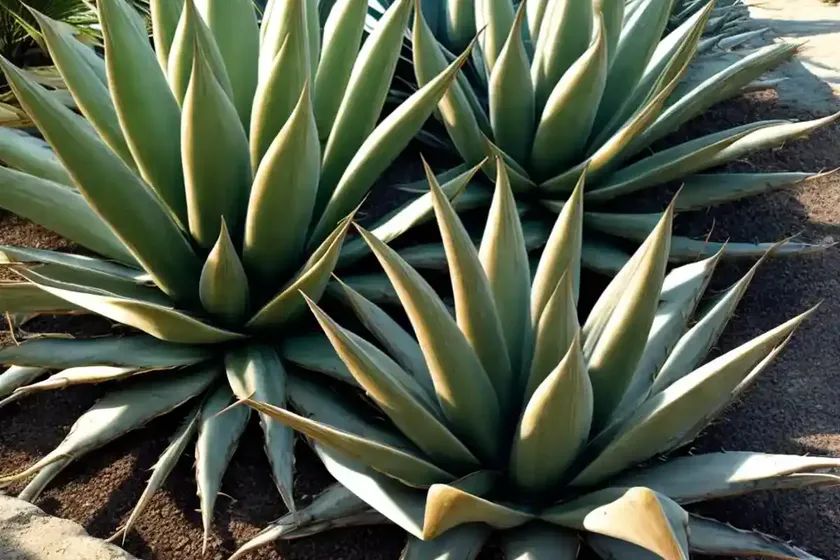
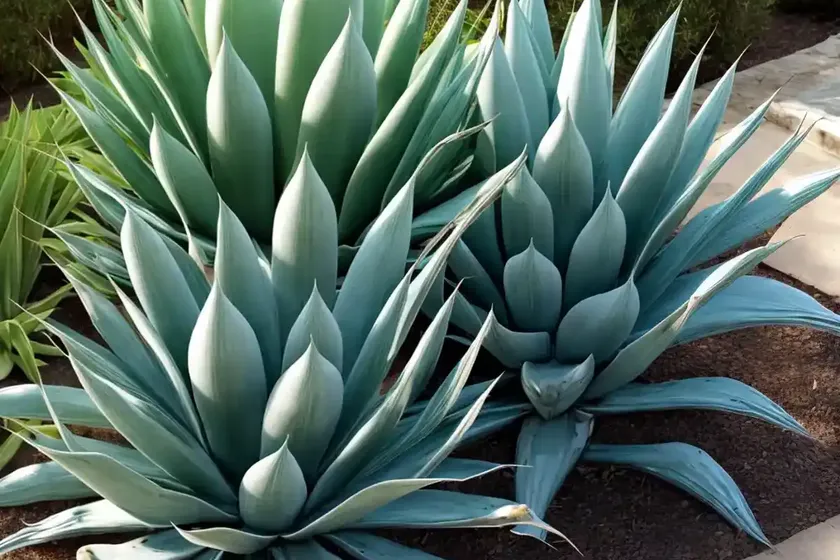
In the world of landscaping and garden design, coastal agave (Agave shawii) is a plant that stands out for its striking appearance, low maintenance requirements, and adaptability to coastal environments. As a plant scientist with a passion for sustainable and resilient plant species, I am excited to delve into the world of coastal agave, exploring its unique characteristics, cultivation methods, and the role it plays in enhancing coastal landscapes.
What is Coastal Agave (Agave Shawii)?
Coastal agave, scientifically known as Agave shawii, is a succulent plant species native to coastal regions of Baja California and Southern California. Belonging to the Agavaceae family, this plant has adapted to thrive in sandy, well-drained soils and saline conditions commonly found in coastal environments.
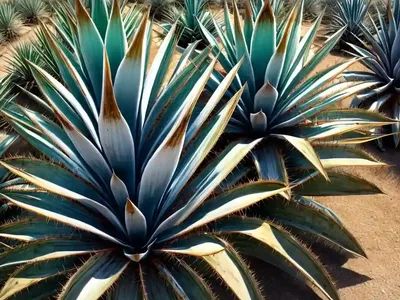
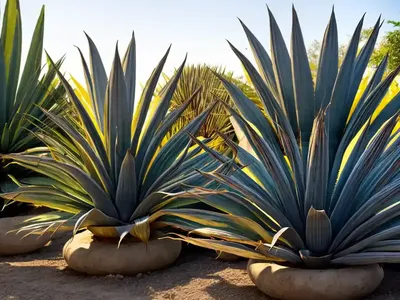
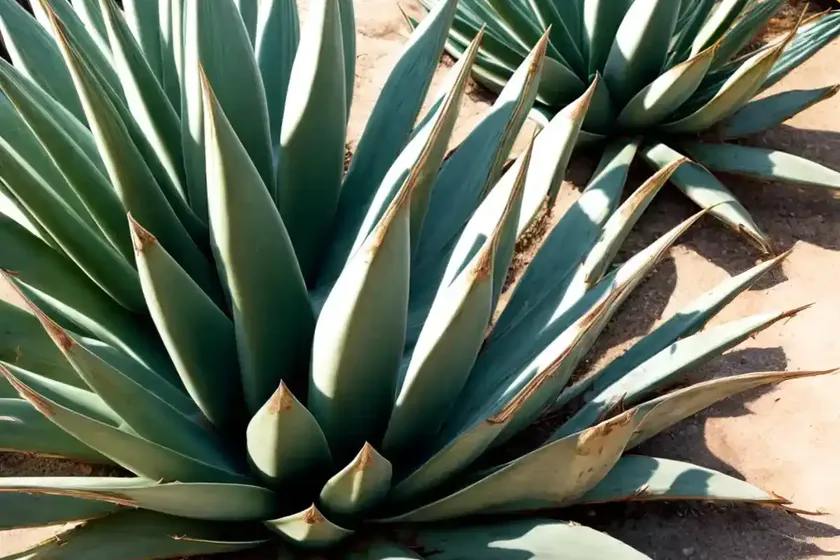
Named after English botanist Henry Shaw, Agave shawii is also referred to as Shaw’s Agave or Coastal Agave. Its distinct rosette of thick, blue-green leaves and the imposing flower stalk it produces makes it a prized addition to coastal gardens, xeriscapes, and rock gardens.
As we explore the world of coastal agave, we will take an in-depth look at its culture, uses, water and sunlight requirements, fertilizer needs, soil preferences, pruning techniques, propagation methods, and its popularity as a container plant. Additionally, we will examine its common diseases, pests, and provide valuable care tips to ensure the successful cultivation of this species. Let’s embark on this journey of discovering the beauty and resilience of Coastal Agave.
Key Takeaways – Coastal Agave (Agave Shawii)
Let’s start our exploration of Coastal Agave by summarizing the key takeaways that will guide us through the detailed care guide:
- Plant Name: Coastal Agave (Agave shawii)
- Common Names: Agave Shawii, Shaw’s Agave, Coastal Agave
- Family: Agavaceae
- Native Habitat: Coastal regions of Baja California and Southern California
- Key Characteristics: Rosette of thick, blue-green leaves, imposing flower stalk
- Adaptability: Thrives in sandy, well-drained soils and saline conditions
- Uses: Ideal for coastal gardens, xeriscapes, and rock gardens
- Special Feature: Drought-tolerant and low-maintenance plant
- Popularity: Widely used in landscape enhancement and sustainable gardening
With these key points in mind, we can now delve into the specific aspects of cultivating and caring for Coastal Agave, ensuring its successful growth and contribution to coastal ecosystems and landscapes.
Culture
The culture of Coastal Agave encompasses its natural habitat, adaptability, and the practices involved in its successful cultivation. Let’s explore the cultural aspects of this resilient plant.
Natural Habitat
Coastal Agave, as the name suggests, is naturally found in coastal regions characterized by sandy soils, arid conditions, and saline environments. Its native habitat in Baja California and Southern California provides insights into its preferred growing conditions, including:
- Well-drained sandy soils
- Moderate to high sunlight exposure
- Tolerant of salt spray and coastal winds
Understanding its natural habitat is essential in replicating these conditions for successful cultivation, especially in coastal landscapes and gardens.
Adaptability
One of the remarkable characteristics of Coastal Agave is its adaptability to challenging coastal environments. Its ability to thrive in sandy soils, endure salt spray, and withstand coastal winds make it a valuable addition to landscaping and garden design in coastal areas. The adaptability of Coastal Agave makes it an ideal choice for:
- Xeriscapes and drought-tolerant landscaping
- Coastal erosion control
- Sustainable gardening practices in coastal regions
Cultivation Practices
To successfully cultivate Coastal Agave, it’s essential to adhere to specific cultural practices that align with its natural habitat and adaptability. These practices include:
- Planting in well-drained sandy soils or sandy loam
- Providing ample sunlight exposure
- Watering restrictions to mimic arid conditions
- Avoiding waterlogging and excessive moisture around the roots
By implementing these cultural practices, Coastal Agave can thrive and contribute to sustainable and resilient coastal landscapes.
Uses
The uses of Coastal Agave extend beyond its ornamental value, encompassing its role in landscaping, gardening, and ecological conservation. Let’s explore the diverse uses of this coastal succulent.
Landscaping and Garden Design
Coastal Agave is widely utilized in landscaping and garden design for its striking visual appeal and low-maintenance requirements. It serves several key purposes in landscape design, including:
- Adding architectural interest to coastal gardens
- Xeriscaping and drought-tolerant landscaping
- Coastal erosion control and stabilization
- Focal points in rock gardens and succulent displays
By incorporating Coastal Agave into landscape designs, it enhances the visual appeal and resilience of coastal environments, contributing to sustainable and climate-friendly landscaping practices.
Ecological Conservation
In its native habitat, Coastal Agave plays a vital role in coastal ecosystems by providing habitats for wildlife, especially pollinators such as native bees and hummingbirds. Its nectar-rich flowers and robust rosettes contribute to the ecological diversity of coastal regions, making it an essential plant for wildlife gardening and habitat restoration efforts.
Understanding the diverse uses of Coastal Agave enables gardeners, landscapers, and conservationists to leverage its unique characteristics for sustainable landscape enhancement and ecological conservation.
Water
A critical aspect of plant care revolves around water requirements, especially for species adapted to arid and coastal environments. In the case of Coastal Agave, understanding its water needs is essential for maintaining its health and vitality.
Drought Tolerance
Coastal Agave is renowned for its exceptional drought tolerance, a characteristic that has evolved to cope with arid coastal conditions. Its succulent leaves and efficient water storage mechanisms enable it to thrive in environments with limited water availability, making it a valuable plant for water-wise landscaping and xeriscapes.
Watering Guidelines
When it comes to watering Coastal Agave, following specific guidelines ensures its well-being and prevents issues associated with overwatering. The recommended watering practices include:
- Water sparingly, allowing the soil to dry out between watering sessions
- Avoiding waterlogging and excessive moisture around the roots
- Adjusting the watering frequency based on seasonal changes and environmental factors
- Providing supplemental irrigation during extended dry periods
By adhering to these watering guidelines, gardeners can promote the resilience of Coastal Agave while conserving water resources in coastal landscapes and gardens.
Sunlight
Sunlight plays a pivotal role in the growth and development of Coastal Agave, influencing its morphology, physiological processes, and overall vitality. Understanding its sunlight requirements is crucial for ensuring optimal growth and appearance.
Sun Exposure
Coastal Agave thrives in environments with ample sunlight exposure, making it well-suited for coastal landscapes and gardens characterized by intense sunlight and coastal breezes. Its preferred sunlight conditions include:
- Full to partial sunlight, with a preference for direct sunlight for several hours per day
- Tolerance of intense coastal sunlight and heat
- Adaptation to coastal winds and salt spray
By selecting suitable locations with adequate sunlight exposure, Coastal Agave can exhibit its characteristic robust growth and striking visual appeal, contributing to the overall aesthetics of coastal landscapes.
Fertilizer
While Coastal Agave is renowned for its low-maintenance requirements, understanding its fertilizer needs is crucial for promoting healthy growth and optimal resilience. Let’s explore the fertilization practices tailored to the needs of Coastal Agave.
Nutrient Requirements
Coastal Agave, as a succulent adapted to arid environments, has minimal nutrient requirements compared to traditional garden plants. However, providing essential nutrients to support its growth and vitality is essential. The key nutrient requirements for Coastal Agave include:
- Low to moderate levels of nitrogen, phosphorus, and potassium
- Micronutrients such as iron, magnesium, and calcium
- Balanced and diluted fertilizer formulations suitable for succulent plants
By addressing these nutrient requirements, gardeners can promote the health and vigor of Coastal Agave while respecting its adaptations to nutrient-limited coastal soils.
Fertilization Practices
When incorporating fertilization into the care regimen for Coastal Agave, specific practices ensure the effective and judicious application of nutrients. The recommended fertilization practices include:
- Applying a balanced fertilizer during the growing season, sparingly and diluted with water
- Avoiding excessive fertilization, which can lead to oversupply of nutrients and potential issues related to succulent growth patterns
- Monitoring the plant’s response to fertilization and adjusting the regimen based on its growth and vitality
By integrating these fertilization practices, Coastal Agave can thrive without relying on high nutrient inputs, aligning with sustainable gardening and low-impact landscaping principles.
Soil
The soil conditions in which Coastal Agave is cultivated significantly influence its growth, resilience, and overall health. Understanding its soil preferences and implementing appropriate soil management practices are essential for successful cultivation.
Soil Type
Coastal Agave thrives in well-drained soils with minimal organic matter, reflecting the arid and sandy conditions of its native coastal habitat. The ideal soil type for this succulent species includes:
- Sandy soils or sandy loam with excellent drainage properties
- Low organic matter content to mimic coastal conditions
- Minimal compaction to facilitate root growth and aeration
By selecting suitable soil types and avoiding heavy or water-retentive soils, gardeners can create an environment conducive to the growth and adaptation of Coastal Agave.
Soil Management
Effective soil management practices play a crucial role in ensuring the optimal growing conditions for Coastal Agave. The recommended soil management practices include:
- Incorporating sand or gravel to improve drainage in compacted or clay-heavy soils
- Avoiding excessive mulching around the base of the plant to prevent moisture retention
- Implementing soil testing to assess pH and nutrient levels, adjusting as needed based on the plant’s response
By prioritizing soil management tailored to the needs of Coastal Agave, gardeners can create a supportive growing environment that mirrors its native coastal conditions.
Pruning
Pruning Coastal Agave is a practice that contributes to its appearance, architectural form, and overall health. Understanding the principles of pruning and implementing proper techniques are essential for maintaining the desired shape and vitality of this coastal succulent.
Pruning Objectives
The primary objectives of pruning Coastal Agave include:
- Enhancing the plant’s visual appeal and overall aesthetics
- Removing dead or damaged leaves to promote new growth and vitality
- Controlling the size and shape of the plant to fit within designated garden or landscape areas
By clarifying the objectives of pruning, gardeners can approach the practice with a clear understanding of how it contributes to the well-being and appearance of Coastal Agave.
Pruning Techniques
When performing pruning on Coastal Agave, specific techniques ensure the effective and safe management of the plant. The recommended pruning techniques include:
- Using clean and sharp pruning tools to minimize damage and infections
- Trim dead or damaged leaves close to the base of the plant, promoting new growth and rejuvenation
- Pruning the flower stalk after blooming to maintain the plant’s energy reserves and visual appeal
By mastering these pruning techniques, gardeners can showcase the robust and sculptural form of Coastal Agave while promoting its long-term health and resilience.
Propagation
Propagating Coastal Agave is a rewarding practice that allows gardeners to expand their plant collection and share the resilience of this coastal succulent with others. Understanding the propagation methods and best practices ensures successful reproduction of this striking plant species.
Propagation Methods
Coastal Agave can be propagated through several methods, each with its unique advantages and considerations. The main propagation methods include:
- Offsets or pups: Dividing and replanting the young shoots that emerge from the base of mature plants
- Seed propagation: Sowing seeds in well-drained soil to germinate and establish new plants
- Leaf cuttings: Utilizing healthy leaf cuttings to encourage root development and new plant formation
By exploring these propagation methods, gardeners can harness the reproductive potential of Coastal Agave and expand its presence in coastal landscapes and gardens.
Propagation Best Practices
Successful propagation of Coastal Agave relies on adhering to best practices that foster the establishment and vitality of new plants. The recommended propagation best practices include:
- Selecting healthy and mature plants as the source for offsets, seeds, or leaf cuttings
- Providing well-drained and sandy soil mixtures for root establishment and growth
- Monitoring moisture levels and providing indirect sunlight to encourage successful propagation
By implementing these best practices, gardeners can propagate Coastal Agave with confidence, contributing to its conservation and widespread cultivation in coastal landscapes.
Container Popularity
The popularity of Coastal Agave as a container plant has soared, making it a favorite choice for gardens, patios, and indoor spaces. The unique characteristics of this plant make it well-suited for container cultivation, offering a range of design and care possibilities.
Versatility in Containers
Coastal Agave’s adaptability to container cultivation enables it to thrive in various settings, including:
- Patio containers and planters
- Indoor settings with ample sunlight exposure
- Balcony gardens and small outdoor spaces
The versatility of Coastal Agave makes it an ideal choice for container gardening, providing architectural interest and low-maintenance beauty.
Care Considerations
Caring for Coastal Agave in containers involves specific considerations to ensure its well-being and longevity. The key care considerations for container-grown Coastal Agave include:
- Selecting well-drained potting mixes to mimic the arid and sandy conditions of its native habitat
- Monitoring watering practices to prevent waterlogging and root rot in containers
- Providing adequate sunlight exposure based on the plant’s location and seasonal variations
By addressing these care considerations, gardeners can harness the potential of Coastal Agave as a container plant, enriching outdoor and indoor spaces with its striking presence.
Common Diseases
While Coastal Agave is known for its resilience, it is still susceptible to certain diseases and conditions that can affect its health and appearance. Understanding the common diseases and their management is essential for preserving the integrity of this coastal succulent.
Fusarium Rot
Fusarium rot, caused by the pathogenic fungus Fusarium spp., can affect Coastal Agave, leading to wilting, discoloration, and decay of the plant’s base and roots. The management of Fusarium rot involves:
- Ensuring well-drained soils and avoiding waterlogging
- Removing affected plant parts and providing proper ventilation to reduce fungal development
- Applying fungicidal treatments as a preventative measure in high-risk environments
By addressing Fusarium rot, gardeners can safeguard Coastal Agave from the detrimental effects of this soil-borne pathogen.
Leaf Spot Diseases
Various fungal pathogens can cause leaf spot diseases in Coastal Agave, resulting in the formation of discolored spots or lesions on the leaves. The management of leaf spot diseases includes:
- Pruning affected leaves to prevent the spread of the disease
- Promoting airflow and reducing humidity to mitigate favorable conditions for fungal growth
- Applying fungicidal treatments as a preventive measure in susceptible environments
By managing leaf spot diseases, gardeners can uphold the visual appeal and vitality of Coastal Agave, reducing the impact of these fungal pathogens.
Disease Diagnosis
Diagnosing diseases in Coastal Agave involves closely observing the plant’s symptoms and conducting thorough assessments of its growing conditions. The key steps in disease diagnosis include:
- Symptom Identification: Examining the visual symptoms exhibited by the plant, such as wilting, discoloration, or lesions on the leaves or base.
- Environmental Assessment: Evaluating environmental factors such as moisture levels, soil composition, and sunlight exposure to identify potential contributors to disease development.
- Pathogen Identification: Conducting laboratory tests or consulting with plant pathologists to identify the specific pathogens responsible for disease symptoms.
- Management Strategies: Implementing targeted management strategies based on the diagnosed disease, such as adjusting cultural practices or applying disease-specific treatments.
By following a systematic approach to disease diagnosis, gardeners can effectively address diseases in Coastal Agave, preserving its health and resilience.
Common Pests
Despite its robust nature, Coastal Agave can be susceptible to pest infestations that affect its growth and aesthetic appeal. Identifying common pests and integrating pest management practices is essential for safeguarding the well-being of this coastal succulent.
Agave Snout Weevil
The agave snout weevil (Scyphophorus acupunctatus) is a common pest that infests Coastal Agave, causing damage to the plant’s central growing point and resulting in wilting and eventual death. The management of agave snout weevil involves:
- Identifying infested plants and removing affected tissues to prevent further spread
- Implementing biological controls through the introduction of predatory insects that target the weevil
- Utilizing chemical treatments as a last resort in severe infestations, following recommended application practices
By addressing agave snout weevil infestations, gardeners can protect the vitality and longevity of Coastal Agave, minimizing the impact of this destructive pest.
Scale Insects
Scale insects, including species such as the oleander scale (Aspidiotus nerii), can infest Coastal Agave, leading to the development of small, waxy, and immobile pests on the leaves and stems. The management of scale insects involves:
- Removing scale insects manually and inspecting the plant regularly for signs of infestation
- Applying horticultural oils or insecticidal soaps to control scale populations while minimizing impact on beneficial insects
- Promoting natural predators and maintaining a balanced ecosystem to manage scale insect populations
By addressing scale insect infestations, gardeners can preserve the pristine appearance and overall health of Coastal Agave, mitigating the effects of these persistent pests.
Botanist’s Tips
As a plant scientist with a deep appreciation for Coastal Agave, I am delighted to share some practical tips and insights for cultivating and caring for this striking succulent in coastal landscapes and gardens. These botanist’s tips provide valuable guidance for anyone eager to embark on the journey of growing and admiring Coastal Agave.
Tip 1: Embrace the Coastal Aesthetic
When incorporating Coastal Agave into landscape designs, embrace the coastal aesthetic by blending it with other native coastal succulents and ornamental grasses. This approach creates a harmonious and resilient coastal landscape that reflects the plant’s natural habitat.
Tip 2: Integrate Wildlife-Friendly Elements
To enhance the ecological value of Coastal Agave, consider integrating wildlife-friendly elements such as native wildflowers, bird baths, and habitat structures to support pollinators and other wildlife species.
Tip 3: Emphasize Naturalistic Planting
Incorporate Coastal Agave into naturalistic planting schemes, emphasizing its architectural form and textural contrast with other coastal plants. This approach creates visually compelling and sustainable landscape compositions.
Tip 4: Celebrate Sustainable Gardening
Highlight the role of Coastal Agave in sustainable gardening practices, emphasizing its low water needs, minimal maintenance requirements, and ability to thrive in coastal environments without intensive inputs.
Tip 5: Engage in Conservation Efforts
Participate in conservation efforts aimed at preserving native Coastal Agave populations and supporting habitat restoration projects in coastal regions. By engaging in conservation activities, we can safeguard the future of this iconic coastal plant species.
Fun Facts
Exploring the realm of Coastal Agave wouldn’t be complete without delving into some intriguing and delightful fun facts that showcase the unique characteristics and cultural significance of this coastal succulent.
- Coastal Erosion Control: Coastal Agave’s deep and robust root system plays a role in stabilizing sand dunes and controlling erosion, contributing to the resilience of coastal landscapes.
2