Clethra Barbinervis (Japanese Clethra)
Plants have always been an integral part of our lives, providing us with food, oxygen, and contributing to the overall aesthetics of our surroundings..
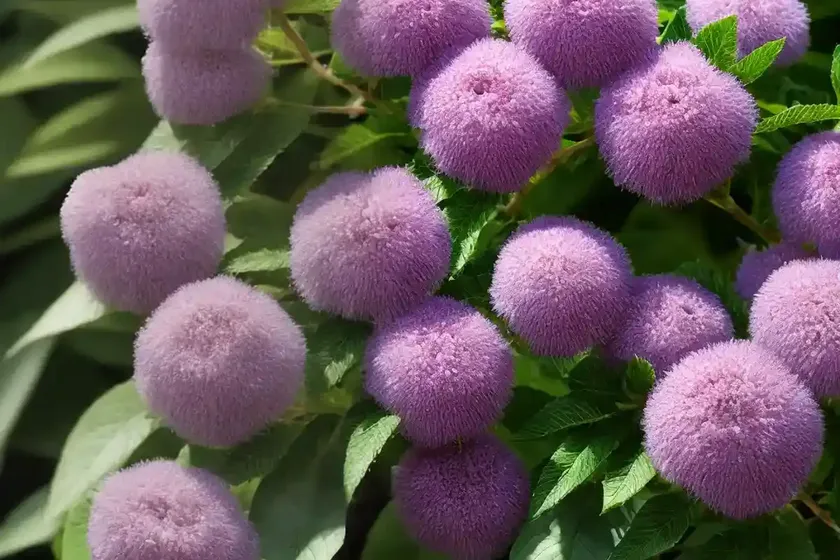
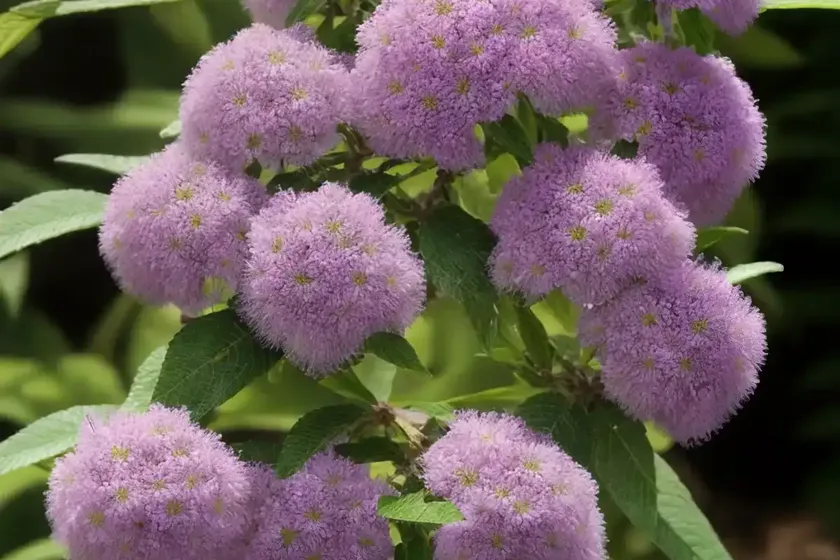
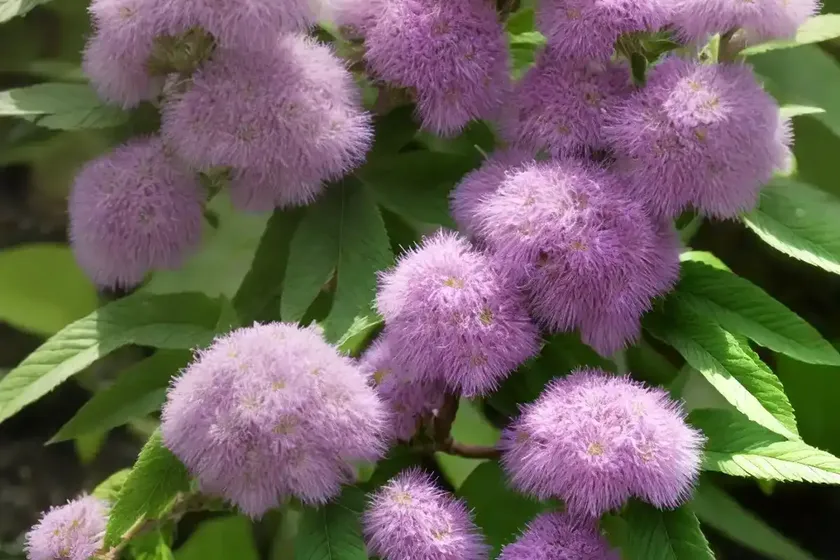
Plants have always been an integral part of our lives, providing us with food, oxygen, and contributing to the overall aesthetics of our surroundings. Among the diverse array of plant species, Clethra barbinervis, commonly known as Japanese Clethra, holds a special place due to its unique characteristics and versatile uses in landscaping and gardening.
In this extensive guide, we will delve into the cultivation, care tips, characteristics, and much more about Clethra barbinervis, addressing the plant’s requirements, benefits, and potential challenges.
Key Takeaways – Clethra barbinervis (Japanese Clethra)
Before delving into the specifics of Clethra barbinervis, let’s take a quick look at the key takeaways that we will cover in this guide:
- Clethra barbinervis, also known as Japanese Clethra, is a versatile landscaping plant with notable ornamental features and ecological benefits.
- The plant’s characteristics, including its growth habits, foliage, and flower description, make it a desirable addition to gardens and landscapes.
- Understanding the essential factors of cultivation, such as soil requirements, watering needs, sunlight preferences, and maintenance, is crucial for the successful growth of Clethra barbinervis.
- The plant’s wildlife attraction, landscape uses, medicinal properties, and cultural significance contribute to its holistic value and appeal.
Now, let’s embark on a comprehensive journey through the world of Clethra barbinervis, exploring its cultivation, characteristics, uses, and much more.
What is Clethra barbinervis?
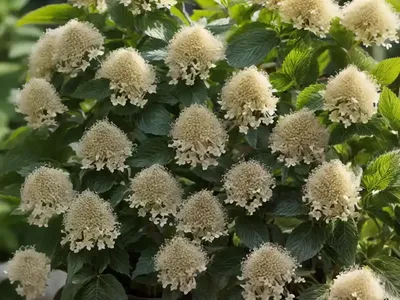
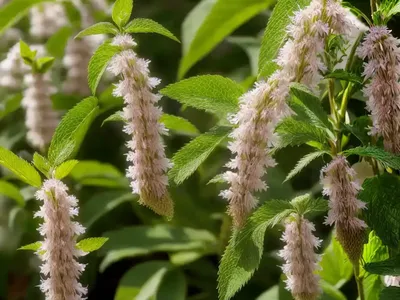
Clethra barbinervis, commonly referred to as Japanese Clethra, is a deciduous shrub native to East Asia, particularly Japan, Korea, and eastern China. It belongs to the family Clethraceae and is known for its elegant appearance, featuring fragrant flowers and attractive foliage. The plant is characterized by its upright, spreading growth habit and typically reaches a height of 6 to 12 feet, making it suitable for various landscaping and gardening purposes.
Plant Specifications
Here are some key specifications of Clethra barbinervis:
- Scientific Name: Clethra barbinervis
- Common Name: Japanese Clethra
- Family: Clethraceae
- Native Habitat: Japan, Korea, eastern China
- Growth Habit: Deciduous shrub
- Height: 6 to 12 feet
- Flowering Season: Mid to late summer
- Fragrance: Sweet, pleasant scent
- Foliage: Dark green, alternate leaves
- Wildlife Attraction: Bees, butterflies
Now that we have gained an overview of Clethra barbinervis, let’s explore the various aspects of its cultivation, care, and uses in detail.
Proper cultivation lays the foundation for the healthy growth and development of Clethra barbinervis. Understanding the plant’s specific requirements in terms of soil, water, sunlight, and maintenance is essential for creating an optimal environment for its flourishing. Let’s dive into the key aspects of cultivating Japanese Clethra.
Culture
Clethra barbinervis thrives in a culture that mimics its native habitat, providing the ideal conditions for growth and blooming. Here are the essential cultural considerations for cultivating Japanese Clethra:
- Climate: Japanese Clethra is well-suited to temperate climates, where it can benefit from distinct seasons, including a cold dormancy period in winter.
- Planting Zone: It is typically recommended to cultivate Clethra barbinervis in USDA Plant Hardiness Zones 5 to 8, ensuring that the plant is exposed to suitable temperature ranges for its growth.
- Soil: The plant prefers moist, well-drained soils with a slightly acidic to neutral pH (pH 5.5 to 7.0). Additionally, enriched organic matter in the soil contributes to its overall health.
Uses
Understanding the diverse uses of Clethra barbinervis provides insights into its value in landscaping, gardening, and ecological contexts. Here are the primary uses of Japanese Clethra:
- Landscaping: Japanese Clethra serves as an attractive landscaping plant, adding visual interest and fragrance to garden settings. Its elegant appearance and summer flowering make it a valuable ornamental addition.
- Wildlife Habitat: The plant’s flowers attract and nourish pollinators such as bees and butterflies, contributing to the biodiversity and ecological balance of the surrounding environment.
- Medicinal Uses: In traditional medicine, certain parts of Clethra barbinervis have been utilized for their potential medicinal properties, although it is important to consult professional sources before using any plant for medicinal purposes.
Meeting the specific requirements of Clethra barbinervis in terms of water, sunlight, fertilizer, and soil composition is fundamental for its overall health and vitality. Let’s explore the essential requirements for cultivating Japanese Clethra.
Water
Proper watering is crucial for the optimal growth and blooming of Clethra barbinervis, ensuring that the plant remains adequately hydrated without being subjected to waterlogging. Here are the key considerations regarding the plant’s watering needs:
- Moisture: Japanese Clethra thrives in consistently moist soil, particularly during its active growth and flowering periods. Adequate moisture levels contribute to the development of healthy foliage and flowers.
- Watering Frequency: In general, the plant may require regular watering, especially during dry spells or periods of insufficient rainfall. However, it is essential to avoid overwatering, which can lead to root rot and other issues.
Sunlight
Understanding the sunlight preferences of Clethra barbinervis helps in determining suitable planting locations and ensuring that the plant receives the necessary light exposure for its growth. Here are the primary considerations regarding the plant’s sunlight requirements:
- Partial Shade: Japanese Clethra tends to thrive in partially shaded areas, where it can benefit from dappled sunlight and protection from intense midday sun. Providing a balance of sun and shade is key to promoting healthy growth and flowering.
Fertilizer
Fertilization plays a vital role in providing the necessary nutrients for the development and vitality of Clethra barbinervis. Here are the essential considerations regarding the plant’s fertilization requirements:
- Organic Matter: Incorporating organic matter, such as well-rotted compost or aged manure, into the soil around the plant can enhance its nutrient content and support healthy growth.
- Balanced Fertilizer: Applying a balanced, slow-release fertilizer designed for flowering shrubs can contribute to the overall vigor and flowering performance of Japanese Clethra. It is generally recommended to fertilize the plant in early spring before the onset of new growth.
Soil
The composition and quality of the soil greatly impact the growth and well-being of Clethra barbinervis. Here are the key considerations regarding the plant’s soil requirements:
- Drainage: Ensuring that the soil offers good drainage is critical for preventing waterlogged conditions, which can compromise the root health of Japanese Clethra.
- Acidic to Neutral pH: The plant thrives in soils with a slightly acidic to neutral pH range, typically preferring pH levels between 5.5 and 7.0. Conducting a soil pH test can help in determining and adjusting the soil acidity as needed.
Regular maintenance practices contribute to the overall health, appearance, and longevity of Clethra barbinervis, ensuring that the plant thrives and continues to grace its surroundings with its ornamental qualities. Here are the primary maintenance aspects to consider for Japanese Clethra:
Pruning
Pruning is an essential maintenance activity for ensuring the well-shaped growth and blooming of Clethra barbinervis. Here are the main considerations regarding the plant’s pruning techniques:
- Timing: Pruning Japanese Clethra is generally conducted in late winter or early spring before the onset of new growth. This timing allows for the removal of dead or overgrown branches while promoting healthy regrowth.
- Deadheading: Removing spent flowers can encourage the plant to focus its energy on new growth and flower production, contributing to a prolonged blooming period.
Propagation
The propagation of Clethra barbinervis enables gardeners and enthusiasts to create new plants and expand their collections. Here are the primary methods for propagating Japanese Clethra:
- Seed Propagation: Growing Japanese Clethra from seeds can be a rewarding and cost-effective method, although it may require patience as the plants develop from seedlings.
- Cutting Propagation: Propagating Clethra barbinervis from stem cuttings offers a reliable and efficient way to create new plants with characteristics similar to the parent plant.
Container Popularity
Clethra barbinervis exhibits container gardening potential, allowing it to thrive in suitable containers, thereby expanding its cultivation possibilities. Here are the key considerations regarding the plant’s popularity in container gardening:
- Versatility: Japanese Clethra’s compact growth habit and ornamental value make it an appealing choice for container gardens, where it can be showcased on patios, decks, or balconies.
- Aesthetic Appeal: The plant’s fragrant flowers and attractive foliage, coupled with its adaptability to container environments, render it an attractive addition to container gardens.
While Clethra barbinervis is generally robust, it can be susceptible to certain diseases and pests that may impact its health and appearance. Understanding the common issues and their management is key to safeguarding the plant’s well-being.
Common Diseases
Japanese Clethra may encounter certain diseases, including fungal infections and other issues that can affect its foliage and overall health. Here are some common diseases associated with Clethra barbinervis:
- Powdery Mildew: This fungal disease can lead to the development of powdery, white patches on the plant’s leaves, compromising their vigor and appearance.
- Leaf Spot: Leaf spot diseases may manifest as dark spots or lesions on the plant’s leaves, potentially affecting their functionality and aesthetics.
Disease Diagnosis
Identifying and diagnosing diseases in Clethra barbinervis involves observing the plant for specific symptoms and signs of distress. Here are the primary indicators for diagnosing common diseases in Japanese Clethra:
- Visual Symptoms: Examining the plant for unusual discoloration, spots, or growth abnormalities can provide initial clues regarding potential diseases.
- Fungal Growth: The presence of powdery, mold-like growth on the leaves or stems may indicate the onset of fungal diseases, prompting timely intervention.
Common Pests
Certain pests may pose potential threats to the health and vitality of Clethra barbinervis, requiring proactive management to mitigate their impact. Here are some common pests associated with Japanese Clethra:
- Aphids: These small, sap-sucking insects can cluster on the plant’s new growth, leading to distorted leaves and potential damage if left unchecked.
- Scale Insects: Scale insects can infest the stems and foliage of Clethra barbinervis, impacting its vigor and overall appearance.
Pest Control
Implementing effective pest control measures helps in managing and preventing infestations that can compromise the well-being of Clethra barbinervis. Here are some approaches to consider for pest control:
- Natural Predators: Encouraging natural predators such as ladybugs and lacewings can help in controlling aphid populations, contributing to a balanced ecosystem in the garden.
- Horticultural Oils: Applying horticultural oils can help in suffocating and controlling scale insects, reducing their impact on the plant.
As a botanist, I have had the opportunity to closely observe and study Clethra barbinervis, gaining insights into its unique characteristics and ecological significance. Here are some specialized tips and recommendations for cultivating and appreciating Japanese Clethra:
- Native Habitat Emulation: Creating a microenvironment that mirrors the plant’s native habitat can benefit its growth and ensure that it thrives in its new surroundings.
- Eco-friendly Practices: Implementing sustainable and eco-friendly gardening practices promotes the overall health of Clethra barbinervis while contributing to the conservation of biodiversity.
Exploring the fascinating aspects and lesser-known details about Clethra barbinervis adds an enriching dimension to our understanding of this remarkable plant. Here are some fun facts about Japanese Clethra:
- Japanese Clethra is also known as “sweet pepperbush,” reflecting the sweet fragrance of its flowers.
- The plant’s attractive foliage undergoes vibrant color changes in the fall, showcasing shades of yellow, orange, and red.
Now that we have delved into the plant’s cultivation, characteristics, maintenance, and ecological significance, let’s explore additional resources and information to further enrich our knowledge of Clethra barbinervis.
Links to External Resources
For further exploration of Clethra barbinervis and related topics, you may find the following resources valuable:
- The American Horticultural Society: Plant Propagation: This resource provides comprehensive information on plant propagation techniques, including methods applicable to Clethra barbinervis.
- National Wildlife Federation: Wildlife Gardening Resources: Discover valuable insights on creating wildlife-friendly gardens, encompassing the benefits of plants like Clethra barbinervis for wildlife habitat.
In conclusion, Clethra barbinervis, or Japanese Clethra, embodies an exquisite blend of ornamental beauty, ecological value, and cultural significance. Its cultivation and incorporation into diverse landscapes and gardens contribute to the enrichment of our natural surroundings while offering valuable insights into sustainable gardening practices and wildlife conservation. We hope that this comprehensive guide has provided you with a deeper appreciation for the allure and versatility of Clethra barbinervis, encouraging you to explore and cultivate this remarkable plant in your own gardening ventures.
Remember, the journey of plant exploration is a captivating and transformative experience, allowing us to cultivate not only the greenery around us but also a deeper connection to the natural world.
Happy gardening!