Clethra Alnifolia ‘Hummingbird’ (Summersweet)
The Clethra alnifolia ‘Hummingbird’, commonly known as Summersweet, is a beautiful and versatile shrub that is a favorite among gardeners for its.
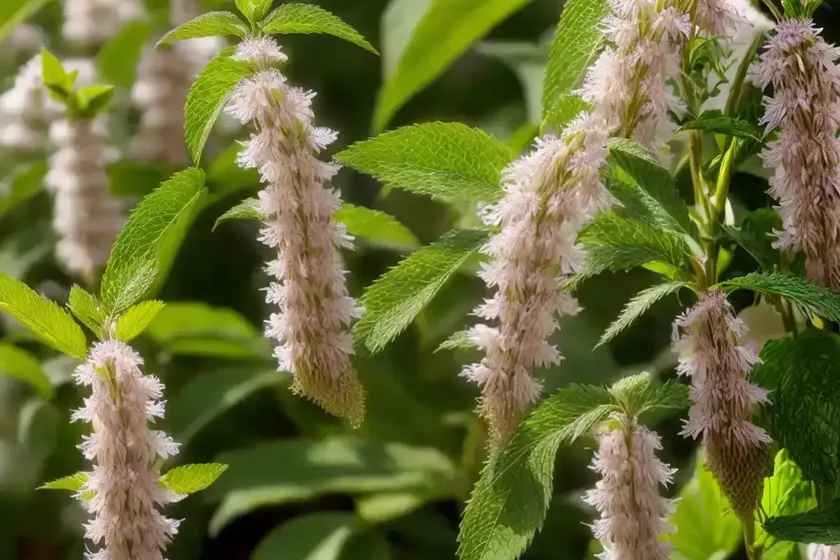
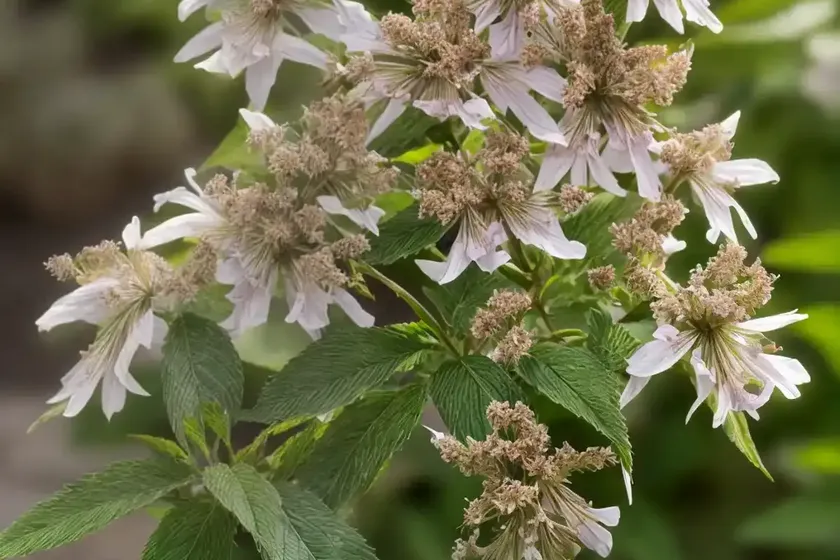
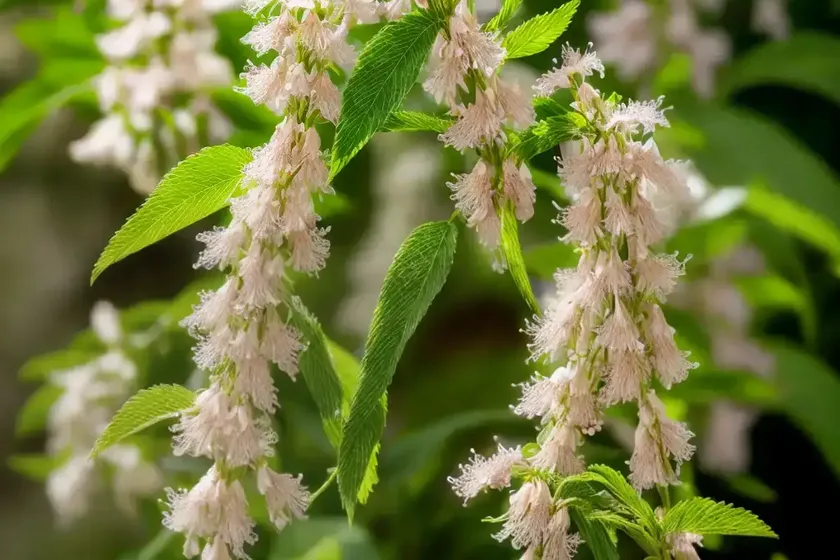
The Clethra alnifolia ‘Hummingbird’, commonly known as Summersweet, is a beautiful and versatile shrub that is a favorite among gardeners for its delightful fragrance, attractive foliage, and unique bottlebrush-like flowers. In this comprehensive guide, we will explore the characteristics, cultivation, uses, care requirements, and landscaping potential of the Clethra alnifolia ‘Hummingbird’.
What is Clethra alnifolia ‘Hummingbird’?
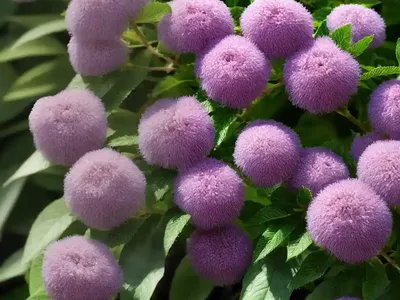
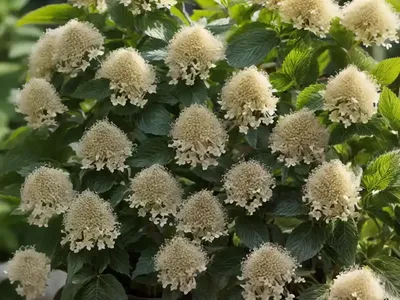
Clethra alnifolia ‘Hummingbird’ is a deciduous shrub that belongs to the Clethraceae family. It is native to the eastern United States and is known for its stunning display of fragrant white flowers that bloom in mid to late summer. The plant is characterized by its dense, compact habit and glossy, dark green foliage, making it an excellent choice for adding beauty and fragrance to gardens and landscapes.
Key Takeaways – Clethra alnifolia ‘Hummingbird’ (Summersweet)
Before delving into the specifics of growing and caring for Summersweet, let’s go over some key takeaways that encapsulate the essence of this remarkable plant:
- Common Name: Summersweet
- Scientific Name: Clethra alnifolia ‘Hummingbird’
- Plant Type: Deciduous shrub
- Flowering Period: Mid to late summer
- Foliage: Glossy, dark green
- Flower Color: White
- Fragrance: Sweet and alluring
- Habit: Dense and compact
- Preferred Growing Zones: 3-9
Culture
Uses
Ornamental Value
The Summersweet’s ornamental value is multifaceted. It serves as an excellent choice for:
- Garden Borders: Due to its compact nature, Summersweet is often used to border garden beds, adding structure and visual appeal.
- Foundation Planting: Its dense habit makes it an ideal option for planting around the foundations of buildings.
- Naturalizing: In appropriate settings, Summersweet can naturalize and form captivating clusters, providing a naturalistic aesthetic.
Fragrance
The fragrant white flower spikes, which resemble bottlebrushes, emit a captivating sweet aroma that permeates the surrounding environment, attracting pollinators and adding an olfactory delight to gardens.
Water
Summersweet thrives in consistently moist, well-drained soil. While it is tolerant of periodic wet conditions, it does not appreciate standing water, particularly in winter. Adequate moisture is essential for the plant’s health and prolific flowering.
Sunlight
In terms of sunlight requirements, Summersweet is adaptable and can thrive in both partial shade and full sun. However, it generally performs best in partial shade, particularly in regions with hot summers.
Fertilizer
When it comes to fertilization, Summersweet does not demand excessive feeding. A balanced, slow-release fertilizer applied in early spring can support healthy growth and abundant flowering.
Soil
Summersweet exhibits a preference for acidic, organically rich soils. It is essential to ensure that the soil is well-drained to prevent waterlogging, as excessive moisture retention can lead to root rot.
Pruning
Pruning can be performed in early spring to enhance the plant’s form and promote healthy growth. The removal of dead or damaged branches, as well as light shaping, is typically sufficient to maintain the desired appearance of Summersweet.
Propagation
Propagation by Seed
While Summersweet can be propagated from seeds, this method is less commonly used due to the plant’s relatively slow growth from seedlings.
Propagation by Cuttings
Propagating Summersweet through softwood or hardwood cuttings is a more reliable and efficient method. Softwood cuttings can be taken in early summer, while hardwood cuttings are best collected in late autumn.
Container Popularity
Given its manageable size and attractive foliage and flowers, Summersweet is well-suited for container cultivation. It thrives in large containers, adding a touch of elegance to patios, decks, and balconies.
Container Common Diseases
Summersweet is generally resistant to most diseases, provided it is grown in suitable conditions. However, excessive moisture can lead to root rot and fungal issues. Therefore, proper drainage and watering practices are crucial to prevent disease development.
Disease Diagnosis
Symptoms of disease in Summersweet may include wilting, browning of leaves, and a general decline in vigor. Upon observing such signs, it is essential to inspect the root system for any indications of rot or damage and to adjust the watering practices accordingly.
Common Pests
Summersweet is relatively resistant to pest infestations. However, occasional encounters with aphids or scale insects may occur. These can be managed through horticultural oils or insecticidal soaps if deemed necessary.
Botanist’s Tips
- Companion Plants: Pair Summersweet with shade-loving perennials such as Hosta, Astilbe, and Ferns to create a harmonious and visually appealing garden bed.
- Mulching: Applying a layer of organic mulch around the base of the plant can aid in moisture retention, suppress weed growth, and contribute to the enrichment of the soil as it decomposes.
- Pollinator Support: Summersweet’s nectar-rich flowers attract a variety of pollinators, making it an excellent addition to pollinator-friendly gardens.
Fun Facts
- Summersweet is a valuable source of nectar for bees and butterflies, contributing to the overall biodiversity and health of garden ecosystems.
- The fragrance of Summersweet’s flowers is reminiscent of vanilla, adding a delightful sensory experience to gardens and landscapes.
Links to External Resources
For further information on Summersweet, the following resources provide valuable insights and tips:
1. American Horticultural Society – Clethra alnifolia ‘Hummingbird’
2. Fine Gardening – Growing Clethra alnifolia ‘Hummingbird’
Conclusion
Summersweet is a captivating and versatile shrub that offers a host of ornamental and ecological benefits. With its adaptability to various growing conditions, delightful fragrance, and attractive appearance, it holds a special place in the hearts of gardeners and nature enthusiasts. By understanding and implementing the best practices for its cultivation and care, gardeners can ensure the thriving presence of this remarkable plant in their landscapes.
In this guide, we have explored various aspects of the Clethra alnifolia ‘Hummingbird’, encompassing its culture, care requirements, propagation, and more. By incorporating this knowledge, enthusiasts can embark on a rewarding journey of cultivating and enjoying the beauty of Summersweet in their own green spaces.
Unlock the Splendor of Summersweet – Explore, Cultivate, and Enjoy!