Spiderwisp (Cleome Gynandra): A Marvel of Nature
Introduction
Spiderwisp (Cleome gynandra) is a fascinating and versatile plant that has found itself deeply rooted in human culture for centuries. Also known as African cabbage, spiderwisp is a flowering plant that belongs to the Cleomaceae family. With its delicate foliage and beautiful blooms, spiderwisp has captured the attention of botanists, herbalists, and horticultural enthusiasts around the globe. In this comprehensive guide, we will uncover the intricacies of spiderwisp, exploring its cultivation, uses, ecological significance, and much more.
The Spiderwisp Plant
What is Spiderwisp (Cleome Gynandra)?
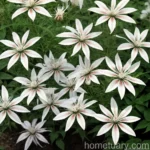
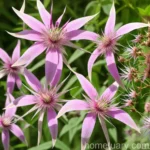
Spiderwisp, or Cleome gynandra, is a fast-growing annual herb that originates from Africa and Asia. The plant is characterized by its lush green leaves and clusters of small, vivid flowers that can range in color from white to shades of pink and purple. While spiderwisp is primarily grown for its culinary and medicinal uses, its ornamental value has also made it a desirable addition to gardens and landscapes.
Key Takeaways – Spiderwisp (Cleome Gynandra)
Before delving deeper into the intricacies of spiderwisp, here are some key takeaways that epitomize its significance:
- Spiderwisp is a fast-growing annual herb native to Africa and Asia
- Its lush green leaves and vibrant flowers make it valuable for both ornamental and utilitarian purposes
- Spiderwisp is renowned for its culinary and medicinal uses, as well as its ecological significance
Now, let’s explore the various facets of spiderwisp, unraveling its cultivation, ecological importance, uses, and much more.
Culture
Water
Spiderwisp thrives in moist, well-drained soil. It is essential to water the plant regularly, especially during dry spells or hot weather. However, it is equally important to avoid overwatering, as it can lead to root rot and other complications. Striking the right balance in watering will ensure the optimal growth of spiderwisp.
Sunlight
Spiderwisp flourishes in full sunlight, requiring at least six to eight hours of direct sunlight daily. Adequate sunlight is crucial for healthy foliage and abundant flowering. In regions with scorching summer temperatures, providing some afternoon shade can be beneficial for the plant.
Fertilizer
When it comes to fertilization, spiderwisp responds well to a balanced, all-purpose fertilizer. Applying a slow-release fertilizer or organic compost during the growing season can promote vigorous growth and enhance flowering. It is advisable to follow the specific recommendations on the fertilizer package to avoid over-fertilization.
Soil
Spiderwisp thrives in well-drained, fertile soil with a slightly acidic to neutral pH. Amending the soil with organic matter such as compost or well-rotted manure can improve its texture and nutrient content, providing an ideal growing medium for spiderwisp.
Pruning
Regular deadheading and pruning can prolong the blooming period of spiderwisp. When the flowers start to fade, removing them not only maintains the plant’s aesthetic appeal but also encourages the development of new blooms. Additionally, pruning any leggy or overcrowded growth can improve air circulation and overall plant health.
Uses
Culinary Uses
Spiderwisp is celebrated for its culinary versatility, as nearly all parts of the plant are edible. The tender leaves, stems, and flower buds are commonly used in a variety of dishes, lending a unique, slightly pungent flavor. In many African and Asian cuisines, spiderwisp is incorporated into soups, stews, stir-fries, and salads, adding a nutritional and flavorful element to the meals.
Medicinal Uses
In traditional medicine, spiderwisp has been revered for its diverse therapeutic properties. The plant is believed to possess anti-inflammatory and antioxidant qualities, and its extracts are used to alleviate various ailments. From treating digestive disorders to promoting wound healing, spiderwisp has carved a niche for itself in the realm of herbal medicine.
Propagation
Spiderwisp Propagation
Spiderwisp can be propagated from seeds, which should be sown directly into the soil once the threat of frost has passed. Prior to sowing, soaking the seeds in water for several hours can enhance germination. Maintaining adequate moisture and warmth will facilitate the sprouting of seeds, leading to the emergence of healthy spiderwisp seedlings.
Container Popularity
Spiderwisp has gained popularity among container gardeners due to its manageable size and adaptable nature. It is well-suited for growing in containers on balconies, patios, or windowsills, presenting a charming and productive addition to small-scale gardens.
Common Diseases
Disease Diagnosis
Spiderwisp is generally resilient to diseases but may occasionally fall prey to fungal infections such as powdery mildew and damping-off. Regular monitoring of the plant for any signs of discoloration, wilting, or unusual growth will aid in early disease detection, allowing for prompt intervention.
Common Pests
Aphids and spider mites are among the common pests that may infest spiderwisp. These tiny invaders can cause damage by sucking the plant’s sap and spreading diseases. Employing natural predators, such as ladybugs, or using insecticidal soap can help control pest populations without harming the plant.
Botanist’s Tips
Spiderwisp Gardening Tips
- Frequent harvesting of young leaves and shoots can promote bushier growth and stimulate continuous production of fresh foliage.
- When cultivating spiderwisp in containers, choose a well-draining potting mix to prevent waterlogging and ensure optimal root health.
- In regions with intense summer heat, providing a light shade during the hottest part of the day can prevent the plant from becoming stressed.
Fun Facts
- Spiderwisp is commonly referred to as African cabbage due to its widespread consumption across the African continent.
- The flower clusters of spiderwisp are often visited by pollinators, such as bees and butterflies, adding vibrancy to gardens and attracting beneficial insects.
Links to External Resources
- Cleome Gynandra: An Overview
- Medicinal and Nutritional Potential of Cleome gynandra
- Cleome gynandra – Genetic Resources, Chromosome Engineering, and Crop Improvement
In conclusion, the Spiderwisp plant, also known as Cleome gynandra, is a fascinating botanical species with a rich cultural, culinary, and medicinal heritage. Its adaptability, resilience, and multifaceted uses make it a valuable asset in horticulture, traditional medicine, and culinary arts. Embracing the cultivation of Spiderwisp not only adds a touch of elegance to gardens but also opens avenues for exploring its myriad applications, from the kitchen to the apothecary, celebrating the marvels of nature in all its forms.