Solitary Clematis (Clematis integrifolia ‘Caerulea’): A Complete Guide
In the world of flowering vines, the solitary clematis (Clematis integrifolia ‘Caerulea’) stands out for its elegant blue blooms and resilient nature. It is a cultivar of the Clematis integrifolia, valued for its distinctive blue flowers and suitability for various growing conditions. This comprehensive guide will provide insights into the characteristics, cultivation, and care of solitary clematis, enabling you to experience the beauty and benefits of this remarkable plant in your own garden.
What is Solitary Clematis (Clematis integrifolia ‘Caerulea’)?
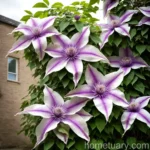
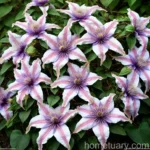
Solitary clematis, scientifically known as Clematis integrifolia ‘Caerulea’, is a perennial climber belonging to the Ranunculaceae family. Originating from Europe and Asia, this plant is cherished for its solitary, bell-shaped, blue flowers that bloom profusely throughout the spring and summer months. It is a herbaceous, non-twining clematis species, typically reaching a height of 2-4 feet (60-120 cm) with a spread of 1-3 feet (30-90 cm).
Its striking blue flowers and adaptable nature make solitary clematis a favored addition to gardens, landscapes, and container plantings. The integrifolia species from which it originates is known for its unique characteristics, making the ‘Caerulea’ cultivar a noteworthy variety within the clematis genus.
Key Takeaways – Solitary Clematis (Clematis integrifolia ‘Caerulea’)
Before delving into the intricacies of cultivating and caring for the solitary clematis, let’s highlight some key takeaways about this enchanting plant:
- Scientific Name: Clematis integrifolia ‘Caerulea’
- Common Names: Solitary Blue Clematis, Blue-Flowering Solitary Clematis
- Plant Type: Herbaceous Perennial Vine
- Flower Color: Blue
- Preferred Growing Conditions: Full Sun to Partial Shade, Well-Drained Soil
- Growth Habit: Non-Twining, Upright
- Blooming Season: Late Spring to Early Summer
- Uses: Landscaping, Container Planting, Cut Flowers
Now that we have an overview of the solitary clematis, let’s delve into the specific aspects of cultivating and caring for this captivating plant.
Culture and Uses of Solitary Clematis (Clematis integrifolia ‘Caerulea’)
Water
Proper watering is essential for the health and vitality of solitary clematis. In general, it is important to maintain consistently moist but well-drained soil, especially during the active growing season. Proper hydration is crucial for the establishment of the plant and to support its blooming phase. However, it is equally important to avoid overwatering, as excessive moisture can lead to root rot and other complications.
Sunlight
Solitary clematis thrives in locations with ample sunlight. Ideally, it should be planted in an area that receives full sun to partial shade. Adequate sunlight is vital for promoting robust growth and vibrant flower production. While the plant can tolerate some shade, it tends to perform best when exposed to direct sunlight for a significant portion of the day.
Soil
When it comes to soil preferences, solitary clematis appreciates well-drained, fertile soil. It is important to ensure good drainage to prevent waterlogging, which can be detrimental to the plant’s health. The addition of organic matter, such as compost or well-rotted manure, can contribute to soil fertility and structure, creating an optimal environment for the solitary clematis to flourish.
Fertilizer
Proper fertilization supports the growth and blooming potential of solitary clematis. In early spring, before the onset of new growth, a balanced, all-purpose fertilizer can be applied to provide essential nutrients. Additionally, a second application after the initial bloom can promote continued flowering and overall plant vigor. It is important to follow the manufacturer’s recommendations regarding the application rates and frequency to avoid over-fertilization, which can negatively impact the plant.
Pruning
Pruning plays a crucial role in maintaining the health and appearance of solitary clematis. In late winter or early spring, before new growth emerges, the plant can be pruned to remove any dead or weak stems, as well as to shape the overall structure. Additionally, spent flowers can be deadheaded to encourage continuous blooming. Care should be taken to avoid excessive pruning, as solitary clematis blooms on the previous year’s growth.
Propagation
Propagation of solitary clematis can be achieved through various methods, including division, cuttings, and seed propagation. Division can be conducted in early spring, when the plant is emerging from dormancy. Stem cuttings can be taken during the active growing season, typically in late spring or early summer. Seeds, though viable for propagation, can take a longer period to reach maturity and produce flowering plants. Each propagation method offers its own set of advantages and considerations, allowing for flexibility in expanding your solitary clematis collection.
Container Popularity
The adaptable nature of solitary clematis makes it well-suited for container planting. Its compact growth habit and striking blue blooms make it a captivating addition to patio containers, balcony gardens, and other confined spaces. The use of containers allows for greater control over growing conditions, making it an appealing option for individuals with limited gardening space or those looking to create vibrant focal points in outdoor living areas.
Common Diseases and Pests
While solitary clematis is generally resistant to most pests and diseases, there are certain issues that may affect its health and vigor. Common diseases that can impact clematis plants include:
- Clematis Wilt: This fungal disease, caused by various pathogens such as Phoma clematidina and Ascochyta clematidina, can lead to wilting, browning, and eventual collapse of the plant stems. Proper care and maintenance, including adequate watering and avoiding root damage, can help reduce the risk of clematis wilt.
- Powdery Mildew: A fungal infection that manifests as a powdery, white coating on the leaves, stems, and flowers of the plant. Good air circulation and appropriate spacing between plants can help minimize the risk of powdery mildew.
In terms of pests, aphids, spider mites, and slugs are the primary culprits that may target solitary clematis. Regular monitoring and early intervention through natural or chemical means, if necessary, can help prevent infestations and protect the plant from damage.
Botanist’s Tips for Growing Solitary Clematis
-
Selecting a Suitable Site: When choosing a location for planting solitary clematis, aim for a spot with well-drained soil, access to sunlight, and ample space for the plant to grow and climb.
-
Support Structures: Providing a sturdy support, such as a trellis, arbor, or fence, is essential for allowing solitary clematis to climb and showcase its blooms. Ensure the support structure is firmly anchored and capable of accommodating the plant’s growth.
-
Mulching: Applying a layer of organic mulch around the base of the plant can help conserve soil moisture, regulate temperature, and suppress weed growth. It is important to avoid mulch contact with the plant’s stem to prevent potential fungal issues.
-
Good Air Circulation: Adequate air circulation is important for preventing moisture-related diseases and promoting overall plant health. Avoid planting solitary clematis in areas with poor air movement or crowding by other dense vegetation.
Fun Facts about Solitary Clematis (Clematis integrifolia ‘Caerulea’)
- The specific epithet “integrifolia” refers to the plant’s entire or undivided leaves, distinguishing it from other clematis species with more deeply lobed foliage.
- Solitary clematis is known for attracting pollinators, including bees and butterflies, with its nectar-rich flowers, making it a valuable addition to wildlife gardens.
- The blue flowers of the ‘Caerulea’ cultivar add a unique and striking element to garden landscapes, providing a refreshing contrast to traditional color palettes.
Links to External Resources
For further information and resources related to solitary clematis and its care, the following links offer valuable insights and guidance:
- American Clematis Society
- Royal Horticultural Society – Growing Clematis
- University of Vermont Extension – Clematis Culture
In conclusion, solitary clematis (Clematis integrifolia ‘Caerulea’) is a captivating and versatile plant that embodies elegance, resilience, and natural beauty. With the guidance provided in this comprehensive guide, you are equipped to cultivate and care for this enchanting plant, introducing its blue blossoms and ornamental charm to your garden or landscape. Whether you are a seasoned gardener or a newcomer to the world of clematis, the allure of the solitary clematis is sure to enrich your horticultural pursuits and bring a touch of grace to your outdoor spaces.