Citrus x aurantiifolia (Key Lime) – A Comprehensive Guide
Citrus x aurantiifolia, commonly known as Key Lime, is a small and thorny evergreen tree that is a member of the Rutaceae family. It is prized for its acidic and aromatic small green fruits, which are used in a variety of culinary applications. In this guide, we will explore everything you need to know about the cultivation, care, and maintenance of Citrus x aurantiifolia, as well as its cultural significance and practical uses. Whether you are a gardening enthusiast, a commercial grower, or simply interested in learning about this fascinating plant, this comprehensive guide will provide valuable insights.
What is Citrus x aurantiifolia (Key Lime)?
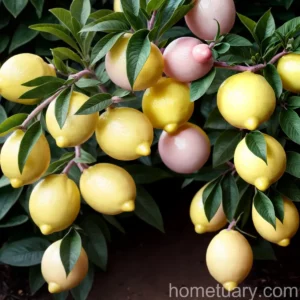
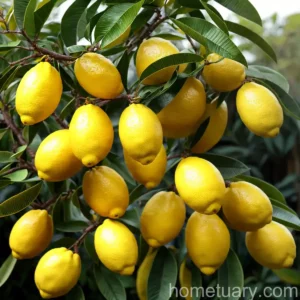
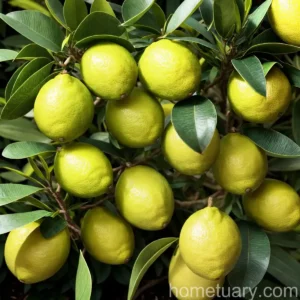
Citrus x aurantiifolia, also known as Mexican Lime or West Indian Lime, is a hybrid citrus fruit with a distinctive flavor and aroma. It is believed to have originated in Southeast Asia and was later introduced to other tropical and subtropical regions, including the Caribbean and Central America. The Key Lime tree typically reaches a height of 6-13 feet and features thorny branches, glossy green leaves, and small, round fruits that turn yellow when fully ripe.
The fruit of Citrus x aurantiifolia is prized for its acidity, which adds a zesty and tart flavor to a wide range of culinary dishes and beverages. Key Limes are commonly used in the preparation of key lime pie, marinades, cocktails, and as a garnish for seafood dishes. In addition to its culinary uses, the Key Lime tree also has ornamental value, with its attractive foliage and delicate white flowers adding to its appeal as a landscaping plant.
As a resilient and adaptable plant, Citrus x aurantiifolia is well-suited to warm, subtropical climates and can thrive in both outdoor and indoor settings, making it a popular choice for home gardeners and commercial growers alike.
Key Takeaways – Citrus x aurantiifolia (Key Lime)
Before diving into the details of how to care for and cultivate Citrus x aurantiifolia, it’s important to highlight the key takeaways associated with this fascinating plant.
Culture
- Citrus x aurantiifolia is well-suited to warm, subtropical climates.
- It can be grown both outdoors and indoors, provided it receives adequate sunlight and protection from frost.
- The plant requires well-draining soil and regular watering to thrive.
Uses
- The acidic and aromatic fruits are widely used in culinary applications, including desserts, beverages, and savory dishes.
- Key Limes can also be used as an ornamental plant in landscaping and garden settings.
Water
- Adequate and consistent watering is essential for the healthy growth and fruit production of Citrus x aurantiifolia.
Sunlight
- Citrus x aurantiifolia thrives in full sunlight and requires at least 6-8 hours of direct sunlight daily.
Fertilizer
- Regular fertilization with a balanced citrus-specific fertilizer is recommended to promote healthy growth and fruit production.
Soil
- Well-draining and slightly acidic soil with good aeration is ideal for Citrus x aurantiifolia.
Pruning
- Pruning helps maintain the shape of the tree, promotes air circulation, and removes diseased or damaged branches.
Propagation
- Key Lime trees can be propagated from seeds, cuttings, or grafting onto rootstocks.
Container Popularity
- Due to its adaptability, Citrus x aurantiifolia is popular for container gardening, especially in colder climates.
Container Common Diseases
- Overwatering, poor drainage, and inadequate sunlight can lead to root rot and other water-related diseases in container-grown Key Lime trees.
Disease Diagnosis
- Common diseases affecting Citrus x aurantiifolia include citrus canker, root rot, and citrus greening.
Common Pests
- Key Lime trees are susceptible to pests such as aphids, scale insects, and citrus leaf miners.
Botanist’s Tips
- Regular monitoring for pest and disease symptoms is vital for early intervention and management.
- Provide consistent care and maintenance to ensure the health and productivity of Citrus x aurantiifolia.
Fun Facts
- The famous key lime pie is a dessert made from the juice of Key Limes, sweetened condensed milk, and egg yolks, baked in a graham cracker crust.
Now that we have a comprehensive overview of this fascinating plant, let’s delve into the specifics of caring for and cultivating Citrus x aurantiifolia.
Citrus x aurantiifolia (Key Lime) Care and Cultivation
Caring for Citrus x aurantiifolia requires attention to various factors, including water, sunlight, soil, fertilizer, and pest and disease management. In this section, we will explore the key aspects of cultivating healthy and productive Key Lime trees, from planting to maintenance and harvest.
Water
Proper watering is crucial for the health and productivity of Citrus x aurantiifolia. The water needs of Key Lime trees can vary based on factors such as climate, soil moisture retention, and tree age. Here are some essential tips for watering Citrus x aurantiifolia:
-
Watering Schedule: Key Lime trees should be watered deeply and less frequently. Allow the soil to dry out slightly between watering to prevent waterlogged conditions.
-
Young Trees: Newly planted or young Key Lime trees may require more frequent watering to establish their root systems. Monitor the moisture level in the soil and adjust the watering frequency accordingly.
-
Seasonal Variations: During the growing season, check the soil moisture regularly and water as needed to ensure consistent moisture. In winter or cooler months, reduce the frequency of watering to prevent waterlogging.
-
Container-Grown Trees: If growing Citrus x aurantiifolia in containers, ensure that the pots have adequate drainage holes to prevent water buildup. Water container-grown Key Lime trees when the top inch of the soil feels dry.
Sunlight
Citrus x aurantiifolia thrives in full sunlight and requires a minimum of 6-8 hours of direct sunlight daily for healthy growth and fruit production. When selecting a location for planting Key Lime trees, consider the following sunlight-related factors:
-
Optimal Exposure: Choose a planting site that receives full sunlight, such as a south-facing location in the garden. Adequate sunlight promotes photosynthesis, which is essential for fruit development and overall tree vigor.
-
Protection from Frost: While Key Lime trees prefer full sunlight, they are sensitive to frost. In regions with occasional frosts or cold snaps, provide protection by covering the tree with frost cloth or relocating potted trees indoors during cold weather.
-
Indoor Cultivation: For indoor cultivation, place Key Lime trees in bright, south-facing windows or under grow lights that provide the necessary light intensity for healthy growth.
Fertilizer
Providing appropriate nutrients through regular fertilization is essential for the vigor, flowering, and fruiting of Citrus x aurantiifolia. Consider the following guidelines for fertilizing Key Lime trees:
-
Fertilizer Selection: Use a balanced citrus-specific fertilizer with a ratio such as 2:1:1 or 3:1:1 (nitrogen:phosphorus:potassium), supplemented with micronutrients including iron, manganese, zinc, and magnesium.
-
Application Frequency: Fertilize Key Lime trees every 6-8 weeks during the growing season, from spring to late summer. Reduce or eliminate fertilization during the fall and winter months when the tree is dormant.
-
Avoiding Excess Nitrogen: While nitrogen is essential for leafy growth, excessive nitrogen can lead to lush foliage at the expense of fruit production. Use a controlled-release fertilizer or organic alternatives to promote gradual and balanced nutrient uptake.
-
Foliar Feeding: Supplemental feeding with a foliar spray containing micronutrients can be beneficial, especially if symptoms of nutrient deficiencies are observed, such as leaf yellowing or stunted growth.
-
Container-Grown Trees: Fertilize container-grown Citrus x aurantiifolia according to the manufacturer’s recommendations, adjusting the dosage based on the tree’s size and growth rate.
Soil
The soil composition and quality play a significant role in the health and performance of Key Lime trees. It’s essential to provide well-draining, slightly acidic soil with good aeration to support the growth and root development of Citrus x aurantiifolia. Consider the following soil-related factors in Key Lime tree care:
-
Well-Draining Soil: Ensure that the soil has excellent drainage to prevent waterlogged conditions, which can lead to root rot and other moisture-related diseases.
-
Acidic pH: Citrus x aurantiifolia thrives in slightly acidic soil with a pH range of 6.0-6.5. Conduct a soil test to determine the pH level and make necessary amendments using sulfur or acidic organic matter if the soil is too alkaline.
-
Soil Structure: Loamy or sandy loam soils with good structure and organic matter content are ideal for Key Lime trees. Avoid heavy clay soils that retain excessive moisture and can restrict root development.
-
Container Media: When planting Citrus x aurantiifolia in containers, use a high-quality potting mix specifically formulated for citrus or a well-draining blend of peat moss, perlite, and compost.
Pruning
Pruning is an essential aspect of Citrus x aurantiifolia maintenance, helping to shape the tree, remove unwanted growth, and improve air circulation within the canopy. Here are some key points to consider when pruning Key Lime trees:
-
Timing: Prune Key Lime trees in late winter or early spring before the onset of new growth. Avoid heavy pruning during the active growing season, as it can stress the tree.
-
Sanitization: Use sharp and sterilized pruning tools to make clean cuts and minimize the risk of introducing pathogens. Disinfect the pruning tools with a solution of 70% alcohol or a 10% bleach solution between cuts and when moving to a new tree.
-
Pruning Objectives: Remove dead, diseased, or damaged branches, as well as any crossing or overcrowded growth. Maintain an open and balanced canopy to allow sunlight penetration and air movement.
-
Thinning Out Foliage: Thin out excessive growth within the canopy to reduce shading and promote the development of healthy, productive branches.
-
Height Management: Control the overall height of the Key Lime tree to facilitate maintenance and harvest. Consider the mature size of the tree when deciding the desired height.
-
Graft Management: If the Key Lime tree is grafted onto a rootstock, monitor and manage any sucker growth emerging from the base of the tree to maintain the vigor of the scion.
Propagation
There are several methods of propagating Citrus x aurantiifolia, including seeds, cuttings, and grafting. Each method has its advantages and considerations, and the choice of propagation method depends on factors such as the desired tree characteristics and available resources. Here’s an overview of Key Lime tree propagation:
-
Seed Propagation: Growing Key Lime trees from seeds is straightforward but may result in variability in fruit quality and tree characteristics. To propagate from seeds, plant fresh Key Lime seeds in a well-draining potting mix and provide warmth, moisture, and indirect sunlight for germination.
-
Cutting Propagation: Propagating Citrus x aurantiifolia from semi-hardwood or hardwood cuttings is a common method to maintain desirable tree characteristics. Select healthy, disease-free cuttings with at least three nodes, treat the cut ends with a rooting hormone, and plant them in a well-draining rooting medium.
-
Grafting: Grafting Citrus x aurantiifolia onto a suitable rootstock allows for the production of trees with specific attributes such as disease resistance, size control, and adaptability to different soil conditions. Common grafting techniques for Key Lime trees include T-budding and side veneer grafting.
-
Air Layering: Air layering is a method of propagating Citrus x aurantiifolia by inducing roots on a stem section while it remains attached to the parent tree. This method can produce rooted plantlets that are genetically identical to the parent tree.
Container Gardening
Citrus x aurantiifolia is well-suited to container gardening, offering the advantage of adaptability to various environments and the ability to be moved indoors during cold weather. When growing Key Lime trees in containers, consider the following tips for successful cultivation:
-
Container Size: Use a container that provides ample space for root development, with a diameter and depth sufficient to accommodate the mature size of the Key Lime tree. A 15-20 gallon container is suitable for growing a young tree, with larger containers needed as the tree grows.
-
Drainage: Ensure that the container has adequate drainage holes to prevent water buildup and root suffocation. Elevate the container on feet or bricks to improve airflow and drainage.
-
Potting Mix: Use a well-draining and nutrient-rich potting mix specifically formulated for citrus or create a custom mix using components such as peat moss, perlite, compost, and coarse sand.
-
Water Management: Container-grown Key Lime trees may require more frequent watering than their in-ground counterparts due to faster soil drying. Monitor the soil moisture regularly and adjust the watering frequency based on environmental conditions.
-
Sunlight Exposure: Place the container in a location that receives at least 6-8 hours of direct sunlight daily. Rotate the container periodically to ensure uniform sunlight exposure on all sides of the tree.
Common Diseases
Key Lime trees are susceptible to various diseases, including fungal, bacterial, and viral infections that can impact their health and productivity. Understanding the common diseases that affect Citrus x aurantiifolia is essential for prevention and management. Here are some prevalent diseases and their management strategies:
-
Citrus Canker: Citrus canker is a bacterial disease that causes raised lesions on leaves, stems, and fruit. To manage citrus canker, practice good sanitation, avoid overhead watering, and apply copper-based fungicides preventively.
-
Root Rot: Excessive soil moisture, poor drainage, and waterlogging can lead to root rot, a fungal disease that affects the roots of Key Lime trees. Improve soil drainage, avoid overwatering, and treat affected trees with fungicidal drenches.
-
Citrus Greening: Also known as Huanglongbing (HLB), citrus greening is a serious bacterial disease transmitted by insect vectors. Managing citrus greening involves insect control, removal of infected trees, and promoting overall tree health through proper cultural practices.
-
Leaf Spot Diseases: Various fungal pathogens can cause leaf spot diseases on Citrus x aurantiifolia, leading to defoliation and reduced photosynthetic capacity. Manage leaf spot diseases through proper sanitation, balanced fertilization, and the application of fungicidal sprays.
Disease Diagnosis
Identifying and diagnosing diseases affecting Citrus x aurantiifolia is crucial for implementing effective management strategies and preserving the health of the trees. When observing symptoms of disease, consider the following steps for accurate diagnosis:
-
Symptom Observation: Pay attention to any changes in leaf color, shape, or texture, as well as the presence of lesions, spots, or unusual growth patterns on the leaves, stems, and fruit.
-
Diagnostic Resources: Consult reliable diagnostic guides, extension publications, or local agricultural agencies to compare observed symptoms with characteristic disease signs and confirm the diagnosis.
-
Professional Consultation: Seek the advice of a certified arborist, plant pathologist, or agricultural specialist for accurate disease diagnosis and tailored management recommendations.
-
Laboratory Analysis: If the cause of the symptoms is unclear, submit plant samples to a reputable plant pathology laboratory for pathogen isolation, identification, and disease confirmation.
-
Integrated Management: Implement a holistic and integrated approach to disease management, combining cultural, chemical, and biological control methods for the best results.
Common Pests
In addition to diseases, Key Lime trees are vulnerable to various pests that can impact their growth, fruit quality, and overall health. Understanding the common pests and implementing appropriate pest management strategies is essential for maintaining the vitality of Citrus x aurantiifolia. Here are some prevalent pests and their management approaches:
-
Aphids: Aphids are small, sap-feeding insects that can cause leaf distortion, honeydew secretion, and the transmission of viral diseases. Control aphids through natural predators, insecticidal soaps, or horticultural oils.
-
Scale Insects: Scale insects are immobile pests that feed on the sap of Key Lime trees, leading to stunted growth and yellowing of foliage. Manage scale insects with systemic insecticides, horticultural oils, or selective pruning of heavily infested branches.
-
Citrus Leaf Miners: Citrus leaf miners are tiny larvae that create serpentine tunnels within the leaves of Citrus x aurantiifolia, resulting in distorted foliage and reduced photosynthetic capacity. Control leaf miners with biological control agents or targeted insecticides during the larval stage.
-
Citrus Root Weevils: Root weevils are soil-dwelling pests whose larvae can cause damage to the roots of Key Lime trees. Implement cultural practices to reduce the impact of root weevils, such as maintaining healthy soil and promoting natural predators.
-
Spider Mites: Spider mites are common pests that can infest Key Lime trees, causing stippled leaves, webbing, and reduced plant vigor. Control spider mites through the application of miticide sprays, horticultural oils, or predatory mites.
Botanist’s Tips
As a plant scientist dedicated to the study and cultivation of Citrus x aurantiifolia, I have gathered valuable insights and practical tips for the successful care and maintenance of Key Lime trees. Here are some expert tips for ensuring the health and productivity of Citrus x aurantiifolia:
-
Regular Monitoring: Monitor the Key Lime trees for any signs of pest infestation, disease symptoms, or nutrient deficiencies. Early detection allows for timely intervention and management to minimize potential damage.
-
Integrated Pest Management: Implement an integrated approach to pest management, combining cultural, biological, and chemical control methods while prioritizing the use of environmentally friendly and least-toxic options.
-
Nutrient Balance: Maintain a balanced fertilization regimen to provide the necessary macro and micronutrients without excessive reliance on synthetic chemicals. Consider organic fertilizers and soil amendments to enrich the soil and support overall tree health.
-
Pruning Best Practices: Practice proper pruning techniques, including sharp tools, clean cuts, and strategic thinning to promote optimal tree structure, air circulation, and light penetration within the canopy.
-
Soil Health: Prioritize soil health by improving soil structure, promoting beneficial soil microorganisms, and avoiding excessive use of chemical fertilizers that can disrupt the natural balance of the soil ecosystem.
-
Seasonal Adjustments: Tailor your care practices to the specific seasonal requirements of Citrus x aurantiifolia, considering factors such as temperature, daylight duration, and tree dormancy to provide appropriate care and support.
-
Environmental Considerations: Stay informed about local weather patterns, climatic changes, and environmental stressors that can impact the health and resilience of Key Lime trees, and adjust your care practices accordingly.
Fun Facts
In addition to its culinary and horticultural significance, the Key Lime tree is associated with several interesting and unique facts:
-
Historical Significance: The Key Lime is historically linked to the Florida Keys, where it was cultivated and used in the iconic key lime pie, a dessert with a sweet and tangy flavor.
-
Cultural Importance: Key Limes have cultural significance in various cuisines, particularly in Mexican, Thai, and