Citrus Limon (Citrus Limonum)
Citrus trees are a popular choice among gardeners and homeowners due to their lush green foliage, fragrant blossoms, and delicious fruits. The Lemon plant.
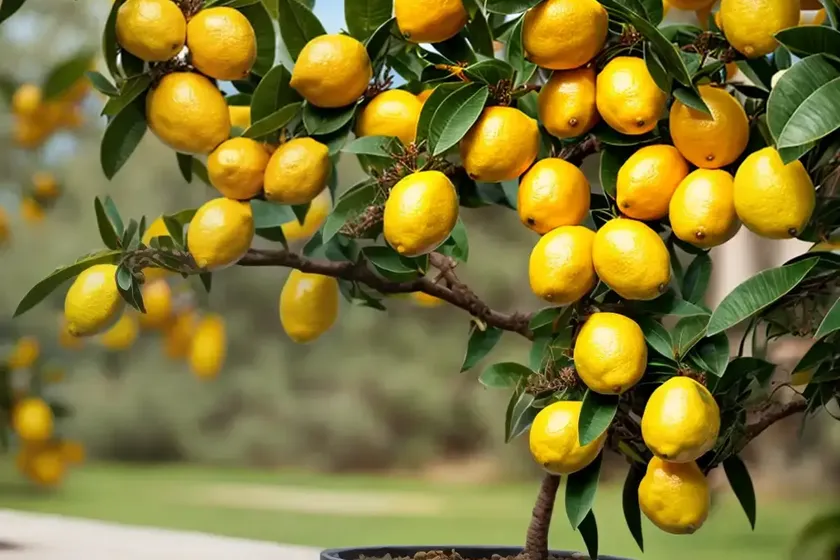
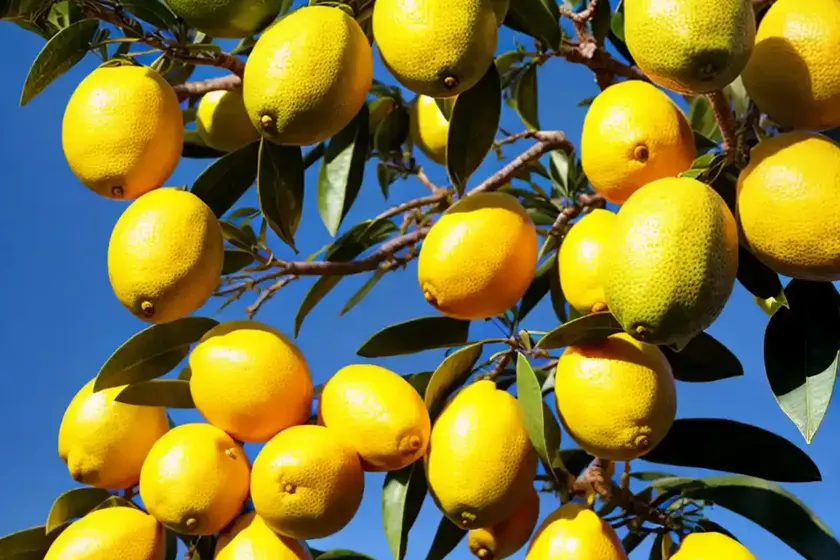
Citrus trees are a popular choice among gardeners and homeowners due to their lush green foliage, fragrant blossoms, and delicious fruits. The Lemon plant, scientifically known as Citrus limon, is no exception. This citrus tree is prized for its vibrant yellow fruits and versatile uses, from culinary applications to medicinal purposes. In this guide, we will delve into the intricacies of cultivating and caring for Citrus limon, encompassing its culture, uses, ideal growing conditions, common diseases and pests, as well as tips from botanists to ensure a thriving lemon plant in your garden or container.
What is Plant: Citrus Limon (Citrus limonum)?
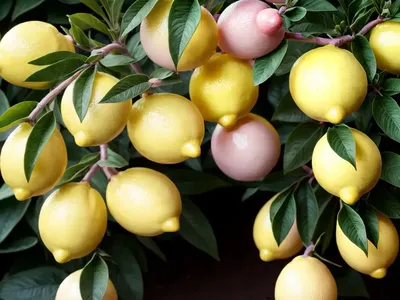
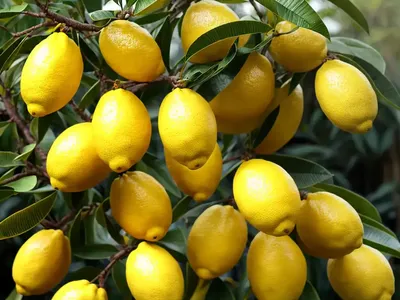
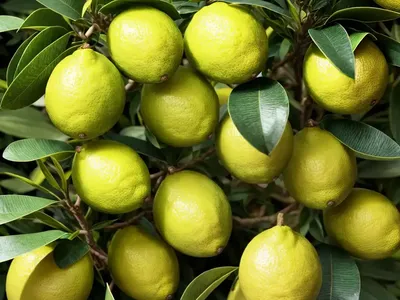
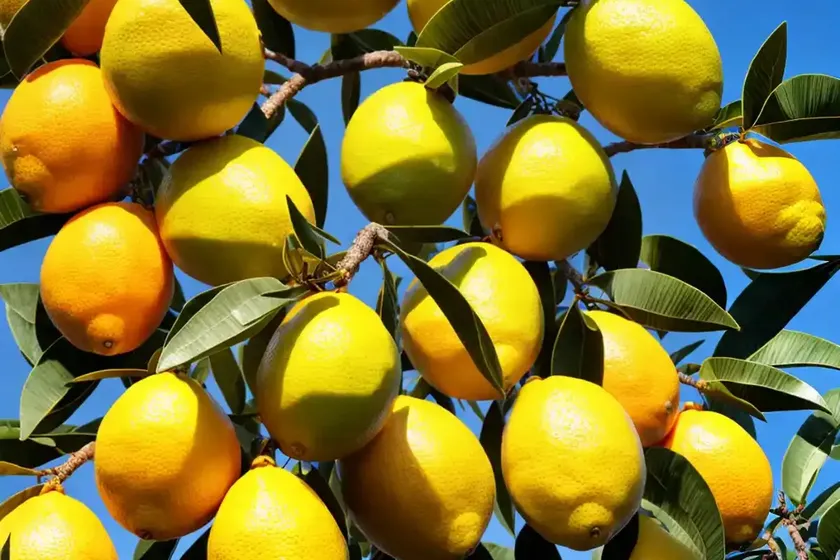
Citrus limon, commonly referred to as the Lemon plant or Lemon tree, is a species of evergreen tree in the family Rutaceae. Believed to have originated in the Himalayan foothills of Northeast India, this small to medium-sized tree boasts glossy green leaves, fragrant white blossoms, and oval yellow fruits known as lemons. The zest and juice of lemons are widely used in cooking, baking, beverages, and household cleaning products, making Citrus limon a highly sought-after plant.
Key Takeaways – Citrus Limon (Citrus limonum)
Before delving into the specifics of growing and caring for Citrus limon, let’s highlight some key takeaways:
- Common Name: Lemon plant
- Scientific Name: Citrus limon
- Family: Rutaceae
- Uses: Culinary, medicinal, ornamental
- Fruit Type: Citrus fruit
- Native Region: Northeast India
Now, let’s explore the various aspects of cultivating and maintaining Citrus limon.
Culture
Cultivating Citrus limon requires a good understanding of its cultural requirements. This includes understanding its water, sunlight, fertilizer, soil, pruning, and propagation needs.
Uses
The uses of Citrus limon extend far beyond its culinary applications. Here are a few common uses:
- Culinary: Lemon juice, zest, and slices are widely used in cooking and baking. The tangy flavor of lemons adds zest to various dishes, desserts, and beverages.
- Medicinal: Lemons are rich in vitamin C and antioxidants, making them a popular choice for natural remedies. Lemon-infused teas, drinks, and syrups are used to alleviate cold and flu symptoms, aid digestion, and improve skin health.
- Ornamental: The lush, dark green foliage and fragrant blossoms of Citrus limon make it an attractive addition to gardens and landscapes.
Water
Proper watering is essential for the healthy growth of Lemon plants. While Citrus limon requires regular watering, it is important to avoid waterlogged conditions, as this can lead to root rot. Here are some watering tips:
- Young Trees: Newly planted Lemon trees should be watered deeply once or twice a week, allowing the top inch of soil to dry out between waterings.
- Established Trees: Mature Lemon trees may require more frequent watering during hot, dry spells. However, it is crucial to ensure proper drainage to prevent water stagnation.
Sunlight
Lemon trees thrive in sunny locations with ample sunlight. Here are some considerations for providing the ideal sunlight conditions for Citrus limon:
- Full Sun: Lemon plants require at least 6-8 hours of direct sunlight daily to promote healthy growth and fruit development.
- Protection: In cooler climates, it is beneficial to plant Lemon trees against south-facing walls or in sheltered areas to protect them from frost and cold winds.
Fertilizer
Fertilizing Lemon plants is crucial to support their vigorous growth and fruit production. Here are some tips for fertilizing Citrus limon:
- Nutrient Needs: Lemon trees require a balanced fertilizer with a higher nitrogen content to promote foliage growth and overall vigor.
- Application: Fertilize Citrus limon in early spring before new growth begins and again in late spring or early summer to support fruit development. Additionally, a light application of fertilizer in late summer can help sustain the tree’s health.
Soil
The right soil composition is essential for the healthy growth of Citrus limon. Here are some soil considerations for Lemon plant cultivation:
- Well-Draining Soil: Lemon trees thrive in well-draining, slightly acidic to neutral soil with a pH range of 6.0-7.5. Sandy loam or loamy soils with good aeration are ideal for Citrus limon.
- Container Soil: For container-grown Lemon plants, a high-quality potting mix designed for citrus trees is recommended to provide proper drainage and aeration.
Pruning
Pruning plays a crucial role in shaping the growth of Lemon trees, promoting air circulation, and maintaining overall tree health. Here are some key points to consider for pruning Citrus limon:
- Young Trees: Remove any competing shoots and branches to encourage a well-structured, central leader.
- Mature Trees: Regularly prune to remove dead, diseased, or crossing branches, as well as to open up the canopy for better light penetration and air circulation.
Propagation
Propagating Lemon plants can be done through various methods such as seeds, stem cuttings, or air layering. Here are some propagation tips for Citrus limon:
- Seed Propagation: While growing Lemon trees from seed is possible, it may take several years for the tree to reach fruit-bearing age. Opting for grafted or cutting-grown Lemon trees can expedite fruit production.
- Stem Cuttings: Propagating Citrus limon from semi-hardwood or hardwood cuttings can yield genetically identical clones of the parent tree, ensuring similar fruit quality and characteristics.
Container Popularity
Lemon trees are well-suited for container cultivation, making them popular choices for patio, balcony, and indoor gardening. Container-grown Citrus limon has several advantages, including ease of maintenance, portability, and adaptability to different growing conditions.
Container Common Diseases
While container cultivation provides a controlled environment, Lemon plants may still be susceptible to certain diseases. Common diseases that can affect container-grown Citrus limon include:
- Root Rot: Overwatering and poorly draining soil can lead to root rot in container-grown Lemon plants.
- Citrus Canker: This bacterial disease can affect the leaves, stems, and fruits of Lemon trees, causing characteristic lesions and fruit blemishes.
Disease Diagnosis
Diagnosing and addressing diseases in container-grown Lemon plants is crucial to maintain their health and productivity. Here are some steps for disease diagnosis and management:
- Visual Symptoms: Regularly inspect the foliage, stems, and fruits for any signs of discoloration, lesions, or unusual growth.
- Consultation: Seek advice from local horticulturists or plant pathologists to diagnose and treat any suspected diseases in container-grown Citrus limon.
Common Pests
Pests can pose a threat to container-grown Lemon plants, requiring proactive pest control measures to safeguard their well-being. Common pests that may affect container-grown Citrus limon include:
- Aphids: These tiny insects can infest the new growth of Lemon plants, sucking sap and potentially transmitting diseases.
- Scale Insects: Scale insects can attach themselves to the stems and leaves of Lemon trees, feeding on their sap and causing yellowing and wilting of foliage.
Botanist’s Tips
To ensure the successful cultivation and care of Citrus limon, here are some expert tips from botanists and horticulturists:
- Temperature Considerations: Lemon plants are sensitive to cold temperatures and frost. Providing frost protection during winter is crucial for their survival, especially in regions with suboptimal climates.
- Consistent Moisture: Maintain consistent moisture levels for container-grown Lemon plants. Avoid allowing the soil to dry out completely while ensuring good drainage to prevent waterlogging.
- Fruit Thinning: To promote larger, healthier fruits, thin out excessive fruit set on Lemon trees, allowing the remaining fruits to receive ample nutrients and sunlight for optimum development.
Fun Facts
Before delving into external resources and further reading, here are some fun facts about Citrus limon:
- The lemon is believed to be a hybrid between bitter orange and citron.
- Lemon trees can produce fruit year-round under optimal growing conditions.
- Lemon juice was historically used to prevent scurvy among sailors due to its high vitamin C content.
Links to External Resources
For further information and resources on Citrus limon cultivation and care, consider exploring the following links:
- University of California Citrus Research Board
- University of Florida IFAS Extension – Citrus
- Royal Horticultural Society – Growing Lemons
- The California Backyard Orchard – Citrus
With the insights and knowledge shared in this comprehensive guide, you are well-equipped to embark on the journey of growing and caring for Citrus limon, or the Lemon plant. Whether you aspire to cultivate a bountiful lemon harvest in your garden or nurture a thriving Lemon tree in a container, the key considerations and tips presented here will serve as valuable resources in your horticultural endeavors. Happy gardening and may your Lemon plants bear fruits of abundance and vitality!