Lisbon Lemon Tree (Citrus Limon ‘lisbon Lemon’)
The Lisbon Lemon Tree is a popular citrus tree known for its delicious and tangy fruits. It is a versatile plant that can be grown both indoors and.
The Lisbon Lemon Tree is a popular citrus tree known for its delicious and tangy fruits. It is a versatile plant that can be grown both indoors and outdoors, making it an ideal choice for many gardeners. In this comprehensive guide, we will explore the various aspects of caring for the Lisbon Lemon Tree, its uses, cultivation, maintenance, and common challenges.
What is a Lisbon Lemon Tree?
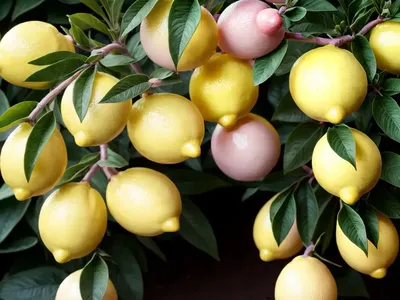
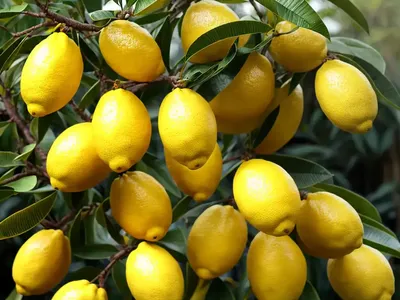
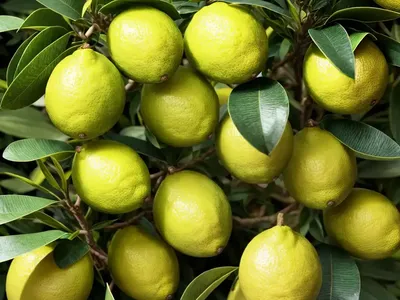
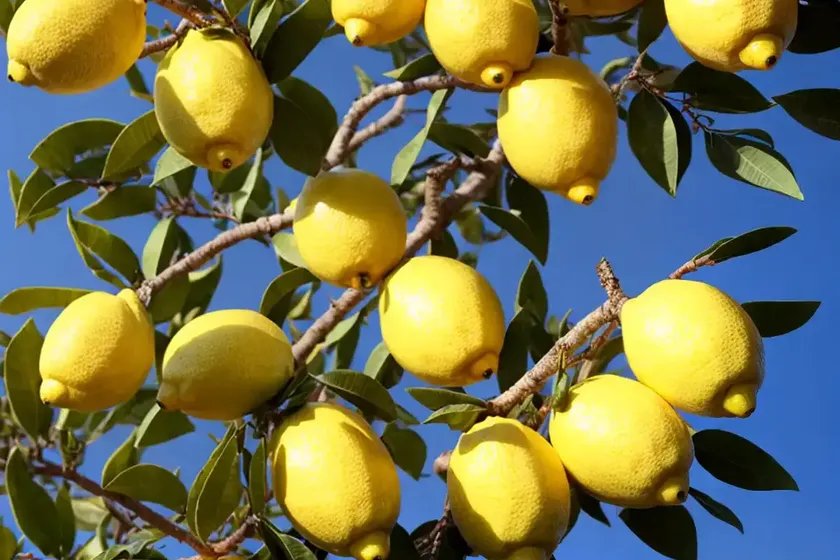
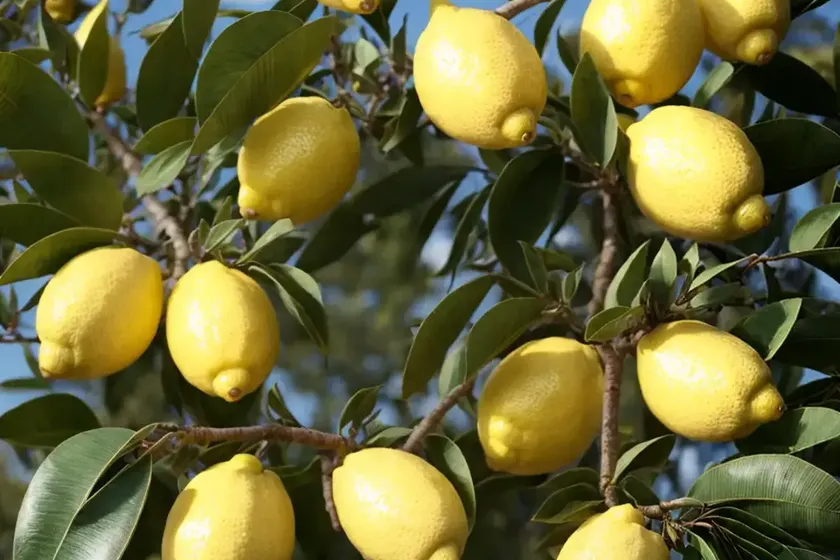
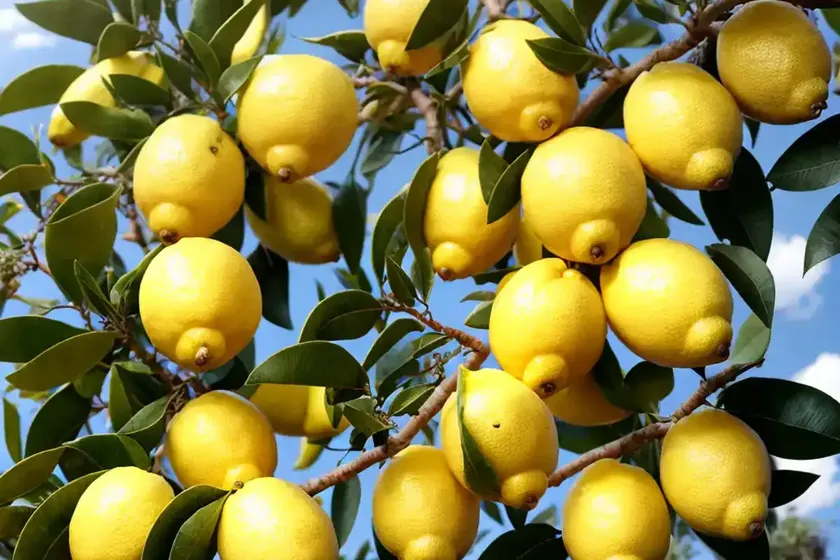
The Lisbon Lemon Tree, scientifically known as Citrus limon, is a small evergreen tree belonging to the Rutaceae family. It is native to Portugal, but it is now widely cultivated in various parts of the world. The tree produces oblong, vibrant yellow fruits with a tart and acidic flavor, making it a popular choice for culinary purposes.
Key Takeaways – Lisbon Lemon Tree (Citrus Limon ‘Lisbon Lemon’)
Before delving into the specifics of caring for the Lisbon Lemon Tree, let’s take a quick look at the key takeaways regarding this plant:
- Scientific Name: Citrus limon ‘Lisbon Lemon’
- Common Name: Lisbon Lemon Tree
- Family: Rutaceae
- Uses: Culinary, ornamental
- Fruit Characteristics: Oblong, yellow, acidic
- Growth Habit: Evergreen tree
Culture of the Lisbon Lemon Tree
Caring for a Lisbon Lemon Tree involves understanding its specific cultural needs. From watering to sunlight requirements, each aspect plays a crucial role in the overall health and productivity of the plant.
Uses
The Lisbon Lemon Tree is primarily grown for its fruits, which are highly valued for their culinary uses. The lemons can be used in a variety of dishes, including beverages, sauces, desserts, and as a flavoring agent for both sweet and savory recipes. Additionally, the tree’s attractive foliage and fragrant flowers make it a desirable choice for ornamental purposes in gardens and landscapes.
Water
Proper watering is essential for the healthy growth and fruit production of Lisbon Lemon Trees. While they require consistently moist soil, it is important to avoid overwatering, as this can lead to root rot. During the growing season, regular watering is necessary, ensuring that the soil remains evenly moist but not waterlogged. In contrast, during the dormant period, the frequency of watering should be reduced, allowing the soil to partially dry out between waterings.
Sunlight
Lisbon Lemon Trees thrive in full sunlight and require at least 6-8 hours of direct sunlight per day. Adequate sunlight is crucial for the tree’s overall health and the development of high-quality fruits. When grown indoors, it is essential to place the tree near a south-facing window to ensure it receives sufficient light.
Fertilizer
Proper fertilization is key to promoting healthy growth and fruiting in Lisbon Lemon Trees. A balanced fertilizer formulated specifically for citrus plants should be applied during the growing season. It is advisable to feed the tree every 6-8 weeks with a slow-release fertilizer to provide a steady supply of essential nutrients.
Soil
Lisbon Lemon Trees thrive in well-draining, slightly acidic soil with a pH range of 5.5 to 6.5. A high-quality potting mix designed for citrus plants can be used for container-grown trees. Additionally, incorporating organic matter into the soil can help improve its structure and fertility, ensuring optimal conditions for the tree’s root development.
Pruning
Regular pruning is essential for maintaining the shape of the tree, promoting airflow, and removing dead or damaged branches. Pruning should be carried out during the late winter or early spring, before the onset of new growth. It is important to sterilize pruning tools before use to prevent the spread of diseases.
Propagation
Lisbon Lemon Trees can be propagated through various methods, including seeds, cuttings, or grafting. While growing from seeds is possible, it often results in variability in fruit quality and takes longer to yield fruits as compared to other propagation methods. Grafting, particularly onto a suitable rootstock, is a popular method for propagating Lisbon Lemon Trees, as it ensures that the new tree inherits the desired characteristics and begins fruiting sooner.
Container Popularity
Due to its compact size and adaptability, the Lisbon Lemon Tree is well-suited for container cultivation. This allows gardeners with limited space to enjoy growing citrus fruits on patios, balconies, or indoors. Container-grown lemon trees can be moved to sheltered areas during harsh weather conditions and are generally easier to protect from pests and diseases.
Container Common Diseases
While container cultivation offers certain advantages, it is important to be mindful of potential diseases that can affect Lisbon Lemon Trees in containers. Common diseases that may arise in container-grown lemon trees include:
- Citrus Canker: A bacterial disease that causes characteristic lesions on leaves, stems, and fruits, leading to defoliation and reduced fruit quality.
- Root Rot: Overwatering or poorly draining soil can lead to root rot, which may manifest as yellowing foliage and a decline in overall vigor.
- Powdery Mildew: A fungal infection that appears as powdery white patches on the leaves, compromising the tree’s ability to photosynthesize.
Disease Diagnosis
Diagnosing diseases in Lisbon Lemon Trees requires careful observation of the symptoms exhibited by the tree. Common signs of diseases in lemon trees include leaf discoloration, unusual spots or lesions, wilting foliage, and a decline in fruit quality. If any of these symptoms are observed, prompt action should be taken to identify the specific disease and implement appropriate control measures.
Common Pests
Lisbon Lemon Trees are susceptible to attack by various pests that can hinder their growth and fruit production. Some of the common pests that may affect lemon trees include:
- Citrus Leaf Miners: Larvae that tunnel through the leaves, causing characteristic serpentine patterns and potentially leading to leaf distortion.
- Aphids: Small, sap-sucking insects that can cause leaf curling, yellowing, and the development of sticky honeydew on the foliage.
- Scale Insects: These pests can be particularly problematic, as they attach themselves to the stems and leaves, sucking sap and weakening the tree over time.
Botanist’s Tips
- Climate Suitability: Lisbon Lemon Trees thrive in subtropical to tropical climates and are best suited for USDA hardiness zones 9-11. In cooler regions, they can be grown in containers and brought indoors during the winter months.
- Companion Planting: Consider planting aromatic herbs such as lavender, thyme, and rosemary near Lisbon Lemon Trees, as they can help repel pests and attract beneficial insects.
- Maintenance Schedule: Regularly monitor the tree for any signs of pests, diseases, or nutrient deficiencies. Implement a proactive maintenance schedule to address any issues promptly and ensure the tree remains healthy and productive.
Fun Facts
- Lisbon Lemons vs. Eureka Lemons: While both Lisbon and Eureka lemons are popular lemon varieties, the key difference lies in their thorniness. Lisbon Lemon Trees often have thorns, while Eureka Lemon Trees are typically thornless.
- Versatile Uses: Beyond culinary applications, lemon fruits are often used for their aromatic zest, which can add flavor to various dishes and beverages, as well as for making fragrant natural cleaners and air fresheners.
Links to External Resources
For further information on the care and cultivation of Lisbon Lemon Trees, consider exploring the following resources:
- University of Florida – Lemon Growing in the Home Landscape
- University of California – Growing Citrus in the Home Garden
- Royal Horticultural Society – Citrus: Diseases and Disorders
In conclusion, the Lisbon Lemon Tree is a delightful addition to any garden, offering not only a bountiful harvest of flavorful fruits but also the beauty of its aromatic flowers and glossy foliage. By understanding and addressing its specific cultivation and care requirements, gardeners can successfully nurture healthy, productive lemon trees that provide an abundance of sunny, citrusy goodness.