Cineraria (Senecio Cineraria)
Cineraria, scientifically known as Senecio cineraria, is a captivating foliage plant that is renowned for its striking silver-gray leaves. Belonging to the.
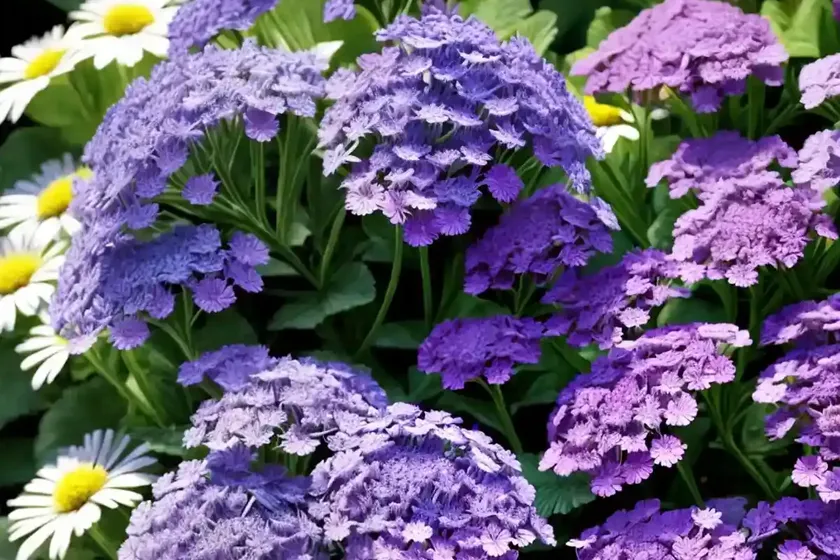
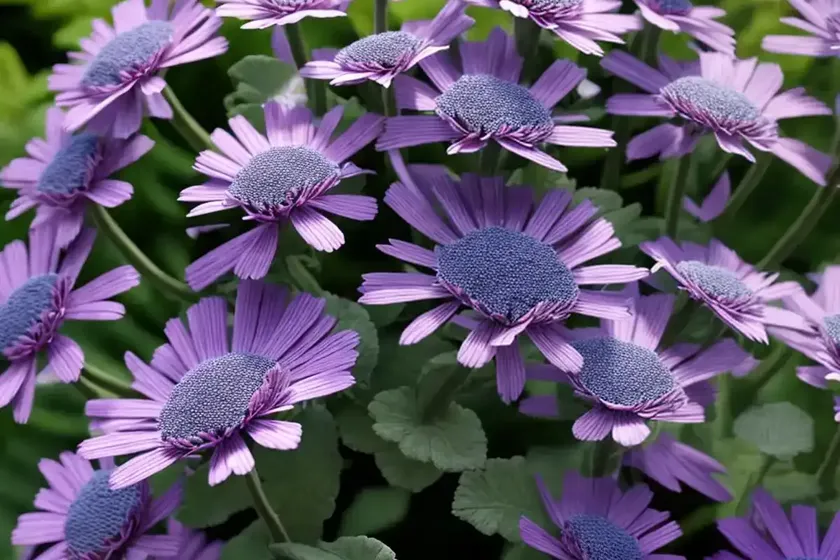
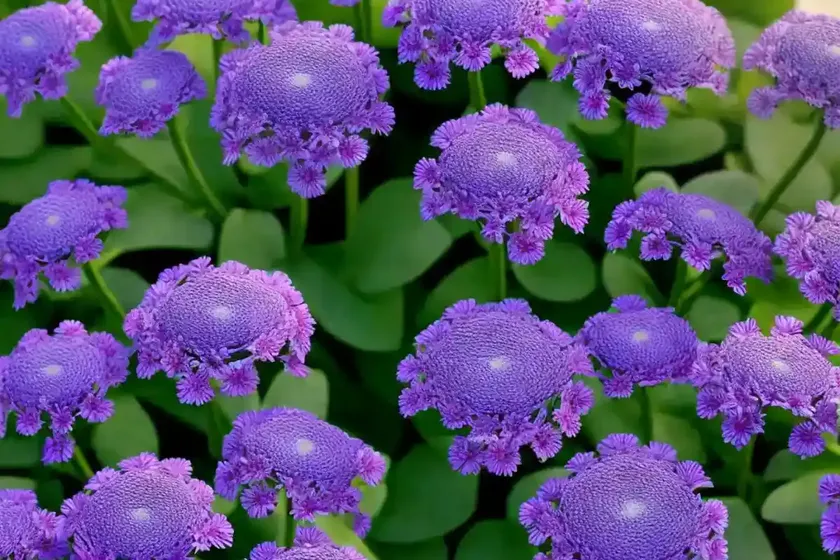
Cineraria, scientifically known as Senecio cineraria, is a captivating foliage plant that is renowned for its striking silver-gray leaves. Belonging to the Asteraceae family, this plant has been a popular choice for gardens, landscapes, and indoor spaces due to its aesthetic appeal and low maintenance requirements. In this comprehensive guide, we will delve into the various aspects of Cineraria, including its culture, uses, care tips, propagation, common diseases, and pests. Additionally, we will explore fun facts, folklore, and natural habitat, providing a well-rounded understanding of this remarkable plant.
What is Cineraria (Senecio Cineraria)?
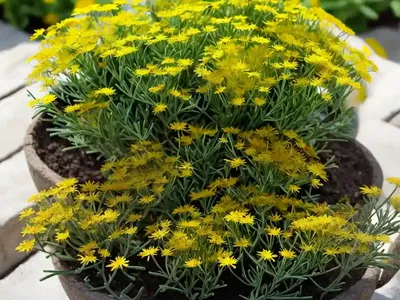
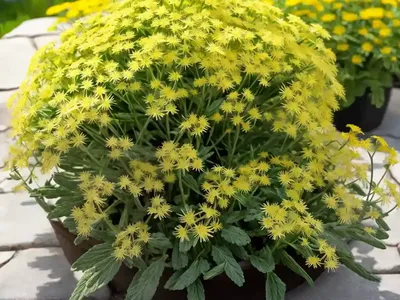
Cineraria, also known as Senecio Cineraria, is a species of flowering plant native to regions around the Mediterranean. Its distinctive silver foliage sets it apart from other plants, making it a sought-after ornamental choice for landscaping and decorative purposes. While Cineraria is primarily cultivated for its striking leaves, it does produce small, daisy-like flowers that add further charm to the plant during its blooming season. The plant belongs to the Senecio genus, which encompasses a diverse array of species, including annuals, perennials, and succulents.
Key Takeaways – Cineraria (Senecio Cineraria)
Before diving into the specifics of Cineraria care and cultivation, let’s outline the key takeaways that will be explored in detail in this comprehensive guide.
- Plant Name: Cineraria (Senecio Cineraria)
- Family: Asteraceae
- Native Habitat: Mediterranean region
- Foliage: Strikingly silver-gray
- Growth Habit: Herbaceous perennial
- Common Uses: Ornamental, decorative foliage, indoor and outdoor landscaping
- Notable Feature: Low maintenance, visually striking leaves
- Propagation Methods: Seed propagation, cuttings
- Growth Requirements: Well-draining soil, moderate water, partial to full sunlight
Now, let’s delve deeper into the culture, uses, care requirements, and propagation of Cineraria to understand its needs and potential applications in various settings.
Culture of Cineraria (Senecio Cineraria)
Cineraria thrives in specific cultural conditions that are conducive to its growth and foliage development. Understanding these cultural requirements is essential for successfully cultivating and maintaining this ornamental plant.
Water
Cineraria plants prefer moderate and consistent moisture levels. While they do not tolerate waterlogged conditions, it is crucial to ensure that the soil is kept evenly moist. However, it’s important to allow the soil to dry slightly between watering sessions to prevent root rot. During the hotter months, increased watering may be necessary, especially for plants grown in containers, as they dry out more rapidly.
Sunlight
In terms of sunlight requirements, Cineraria thrives in partial shade to full sun conditions. While it can tolerate full sun, in particularly hot climates, some afternoon shade can be beneficial to prevent leaf scorching. On the other hand, insufficient light can lead to leggy growth and diminish the silver-gray hue of the leaves.
Soil
When it comes to soil preferences, Cineraria demands well-draining soil with a slightly acidic to neutral pH. A loose, fertile mix that retains moisture without becoming waterlogged is ideal for promoting healthy root development and overall plant vigor.
Fertilizer
Cineraria plants benefit from regular fertilization during the growing season, typically spring to early fall. A balanced, water-soluble fertilizer formulated for ornamental foliage plants can be applied every 4-6 weeks to support healthy growth and vibrant leaf coloration. However, it’s crucial to avoid excessive fertilization, as this can lead to an accumulation of salts in the soil, potentially harming the plant.
Uses of Cineraria (Senecio Cineraria)
The ornamental appeal of Cineraria makes it a versatile plant with various potential uses, both indoors and outdoors. Understanding the practical applications and benefits of this plant is vital for incorporating it into different settings effectively.
Indoor Decorative Plant
Cineraria is a popular choice for indoor ornamental use, especially in spaces with bright light and moderate humidity. Its striking silver foliage adds an elegant touch to interior decor, and it can be showcased in containers, hanging baskets, or as part of mixed foliage displays.
Landscaping
In outdoor settings, Cineraria serves as an excellent landscaping plant for borders, edging, and mass plantings. Its foliage creates a visually appealing contrast when paired with plants of differing textures and colors, adding a distinctive touch to garden beds and borders.
Foliage Contrast
Given its unique silver-gray foliage, Cineraria is often used to provide a striking contrast to vibrant, colorful flowering plants. When strategically placed, it can enhance the visual impact of flower beds and mixed plantings, creating a captivating display of varying textures and hues.
Outdoor Containers
Cineraria is well-suited for container gardening, thriving in pots and planters on patios, balconies, and verandas. Its low maintenance requirements and captivating foliage make it an ideal choice for adding visual interest to outdoor living spaces.
Pruning Cineraria (Senecio Cineraria)
While Cineraria is primarily valued for its foliage, occasional pruning can be beneficial to maintain plant health and appearance. Understanding the proper pruning techniques and timing is essential for promoting robust growth and achieving the desired ornamental effect.
Deadheading Flowers
If Cineraria produces flowers during its blooming season, deadheading – the removal of spent flowers – is beneficial for diverting the plant’s energy towards foliage production. Moreover, it prevents the formation of seeds, encouraging the continuous development of new leaves.
Removing Leggy Growth
In indoor settings or areas with insufficient sunlight, Cineraria may exhibit leggy growth, characterized by elongated and sparse stems. Trimming back these leggy stems can encourage bushier, more compact growth, promoting a denser display of silver foliage.
Pruning for Maintenance
Routine pruning can be carried out to maintain the desired shape and size of Cineraria plants, particularly in container gardening. An occasional trimming of overgrown or straggly stems helps to rejuvenate the plant and prevent it from becoming unruly.
Propagation of Cineraria (Senecio Cineraria)
Cineraria can be propagated through various methods, including seed sowing and cuttings. Understanding the fundamentals of propagation is valuable for expanding your Cineraria collection and sharing plants with fellow enthusiasts.
Seed Propagation
Propagating Cineraria from seeds involves collecting mature seed heads and sowing the seeds in a well-prepared seed-starting mix. This method allows for the production of new plants with genetic diversity, potentially leading to unique foliage variations in the offspring.
Stem Cuttings
Taking stem cuttings from healthy, actively growing Cineraria plants is an effective means of propagation. These stem cuttings can be placed in a moist, well-draining rooting medium to encourage the development of roots, leading to the establishment of new, genetically identical plants.
Division
In some cases, Cineraria can be propagated through division, particularly if the plant exhibits multiple stems or offsets. This method involves carefully separating the plant into individual sections, each with sufficient roots and foliage, to create new, independent plants.
Common Diseases of Cineraria (Senecio Cineraria) and Remedies
Cineraria plants are generally resilient and relatively resistant to pests and diseases; however, they can still be susceptible to certain issues under unfavorable conditions. Understanding these potential diseases and their remedies is crucial for preventing and addressing any health issues that may arise.
Powdery Mildew
Powdery mildew can affect Cineraria, particularly in humid or poorly ventilated environments. It presents as a white, powdery coating on the leaves, potentially leading to leaf distortion and decline. To address this issue, ensure proper air circulation, avoid overhead watering, and if necessary, apply a suitable fungicidal spray as per the manufacturer’s instructions.
Root Rot
Overly wet and waterlogged soil can result in root rot, leading to wilting, yellowing, and eventual collapse of the plant. To combat root rot, it’s essential to adjust watering practices, improve soil drainage, and consider repotting the affected plant into well-draining soil.
Leaf Spot
Leaf spot diseases can manifest as dark or discolored spots on the foliage, potentially resulting from fungal or bacterial pathogens. To mitigate leaf spot issues, ensure proper sanitation, remove and discard affected leaves, and apply appropriate fungicidal treatments if the problem persists.
Common Pests Affecting Cineraria (Senecio Cineraria) and Control Measures
While Cineraria is generally resilient to pests, certain insects can pose a threat to its health and vigor. Recognizing these potential pests and implementing control measures is crucial for preserving the plant’s ornamental appeal and overall well-being.
Aphids
Aphids are common pests that may infest Cineraria, feeding on the plant sap and causing leaf distortion and stunted growth. They can be dislodged with a strong stream of water, and natural predators such as ladybugs can assist in controlling aphid populations. In severe cases, insecticidal soaps or horticultural oils can be utilized to manage aphid infestations.
Whiteflies
Whiteflies are tiny, flying insects that can gather in large numbers on Cineraria plants, particularly the undersides of leaves. They can be problematic due to the sticky honeydew they excrete, leading to sooty mold development. Implementing reflective mulches, employing yellow sticky traps, and releasing natural predators are effective measures for whitefly control.
Botanist’s Tips for Cineraria (Senecio Cineraria) Care
Drawing upon the expertise of botanists and horticulturists, the following tips offer valuable insights into caring for Cineraria plants, ensuring their optimal growth and health.
- Monitor Watering Closely: Pay close attention to soil moisture levels and adjust your watering practices based on environmental conditions and the plant’s specific needs.
- Regular Inspection: Routinely inspect the foliage for signs of pests, diseases, or nutrient deficiencies, allowing for prompt intervention and treatment as necessary.
- Supplemental Lighting: In indoor settings, consider providing supplemental lighting, particularly during the winter months, to ensure adequate light levels for Cineraria plants.
Fun Facts about Cineraria (Senecio Cineraria)
Discovering intriguing and captivating aspects of Cineraria adds to the appreciation and fascination for this stunning plant. The following fun facts shed light on lesser-known facets of Cineraria’s characteristics and history.
- Cineraria’s scientific name, Senecio cineraria, is derived from the Latin word “cinerarius,” meaning “ashen,” an apt descriptor of its silver-gray foliage.
- In addition to its ornamental appeal, Cineraria is acclaimed for its potential air-purifying properties, contributing to healthier indoor environments.
Links to External Resources
To further enrich your understanding of Cineraria, explore the following resources offering in-depth information, practical insights, and captivating visuals of this remarkable plant.
- The Royal Horticultural Society – Senecio cineraria
- University of Vermont Extension Department of Plant and Soil Science – Cineraria (Dusty Miller)
- University of Florida IFAS Extension – Senecio cineraria
In conclusion, Cineraria (Senecio cineraria) stands out as a captivating and versatile plant that offers aesthetic appeal, low maintenance requirements, and a range of practical uses in indoor and outdoor settings. Through understanding its culture, propagation methods, common issues, and beneficial uses, enthusiasts and cultivators can fully appreciate and harness the potential of this remarkable foliage plant.
By implementing the insights and recommendations outlined in this comprehensive guide, you can cultivate and care for Cineraria with confidence, nurturing its distinctive silver foliage and enjoying the inherent beauty it brings to various environmental settings.
Remember, as with any plant, attentive observation, informed action, and a touch of creative flair can elevate your experience with Cineraria, making it a cherished addition to your botanical pursuits and ornamental endeavors.
Happy gardening and may your Cineraria thrive abundantly in your care!
Disclaimer: This blog post is intended for informational purposes only and does not constitute professional agricultural or horticultural advice. Always consult with qualified professionals for personalized guidance on plant care and cultivation.