Chrysanthemum ‘Matchsticks’)
Chrysanthemum ‘Matchsticks’ is a delightful and captivating plant that enchants all who behold it. With its striking appearance and abundant floral.
Introduction
Chrysanthemum ‘Matchsticks’ is a delightful and captivating plant that enchants all who behold it. With its striking appearance and abundant floral displays, this plant has captured the hearts of many gardening enthusiasts and has found its way into various landscapes around the world.
In this comprehensive guide, we will delve into the captivating world of Chrysanthemum ‘Matchsticks.’ From its cultivation and care to its cultural significance and uses, this article aims to provide an in-depth exploration of this remarkable plant.
What is Chrysanthemum ‘Matchsticks’?
Chrysanthemum ‘Matchsticks,’ also known as Chrysanthemum × morifolium ‘Matchsticks,’ is a stunning cultivar of the popular Chrysanthemum plant. Characterized by its unique and alluring flowers, this variety is a favorite among gardeners and floral enthusiasts.
Key Takeaways
- Scientific Name: Chrysanthemum × morifolium ‘Matchsticks’
- Common Name: ‘Matchsticks’
- Family: Asteraceae
- Type: Perennial
- Native to: Asia
- Hardiness Zone: 5-9
- Bloom Time: Late Summer to Fall
- Height: 12-18 inches
- Spread: 12-24 inches
Culture
Uses
The Chrysanthemum ‘Matchsticks’ variety is highly valued for its ornamental purposes. Its vibrant and eye-catching blooms make it an excellent choice for various landscaping and gardening applications. Whether used in containers, borders, or as part of floral arrangements, the ‘Matchsticks’ Chrysanthemum adds a touch of elegance and charm to any setting.
Water
Proper watering is crucial for the health and vitality of Chrysanthemum ‘Matchsticks.’ While the plant requires regular watering, it’s important to avoid excessive moisture, as this can lead to root rot and other issues. A well-draining soil is essential to prevent waterlogged conditions and maintain the plant’s overall well-being.
Sunlight
Chrysanthemum ‘Matchsticks’ thrives in full sun to partial shade. Adequate sunlight is essential for promoting robust growth and prolific flowering. When grown in regions with hot summers, providing some afternoon shade can help prevent the plant from becoming stressed due to intense heat.
Fertilizer
Regular fertilization is beneficial for Chrysanthemum ‘Matchsticks.’ A balanced, water-soluble fertilizer designed for flowering plants can be applied during the growing season to support healthy growth and abundant blooms. It’s important to follow the recommended application rates to avoid over-fertilization, which can be detrimental to the plant.
Soil
Well-draining, fertile soil is ideal for cultivating Chrysanthemum ‘Matchsticks.’ A loamy, nutrient-rich soil with good drainage properties is preferred to ensure optimal growth and flowering. Additionally, maintaining a slightly acidic to neutral pH level in the soil promotes the plant’s overall health and vigor.
Pruning
Pruning is an essential aspect of Chrysanthemum ‘Matchsticks’ care. Regular deadheading of spent flowers can encourage continuous blooming and prevent the plant from expending energy on seed production. Additionally, pruning the plant in early summer can promote bushier growth and enhance its overall appearance.
Propagation
Chrysanthemum ‘Matchsticks’ can be propagated through stem cuttings or division. Early spring is an ideal time to propagate the plant, allowing ample time for the new cuttings or divisions to establish themselves before the onset of the blooming season.
Container Popularity
The compact nature of Chrysanthemum ‘Matchsticks’ makes it well-suited for container gardening. This plant adds a delightful burst of color and texture to outdoor and indoor containers, making it a popular choice for those looking to enhance their patios, balconies, or indoor living spaces with vibrant floral displays.
Common Diseases
Chrysanthemum ‘Matchsticks’ is generally a resilient plant; however, it can be susceptible to certain diseases and pests. Understanding common diseases and their diagnosis is crucial for maintaining the plant’s health and preventing potential issues.
Disease Diagnosis
Powdery Mildew
Powdery mildew is a fungal disease that can affect Chrysanthemum ‘Matchsticks,’ manifesting as a powdery white coating on the leaves and stems. It thrives in humid conditions and can hinder the plant’s growth and vitality if left unchecked.
Leaf Spot
Leaf spot, caused by various fungal pathogens, can lead to the development of dark spots or lesions on the foliage of Chrysanthemum ‘Matchsticks.’ Proper sanitation and preventive measures are essential for managing this disease and preserving the plant’s appearance.
Botrytis Blight
Botrytis blight, also known as gray mold, can affect the flowers and foliage of Chrysanthemum ‘Matchsticks,’ leading to browning, wilting, and decay. Maintaining good air circulation and avoiding overhead watering can help mitigate the risk of Botrytis blight.
Common Pests
Aphids
Aphids are common pests that can infest Chrysanthemum ‘Matchsticks,’ feeding on the plant’s sap and causing damage to the foliage. Regular monitoring and the use of natural predators or insecticidal soaps can help control aphid infestations.
Spider Mites
Spider mites are tiny arachnids that can infest Chrysanthemum ‘Matchsticks,’ causing stippling on the leaves and a reduction in plant vigor. Introducing predatory mites and maintaining adequate humidity levels can aid in managing spider mite populations.
Botanist’s Tips
Fun Facts
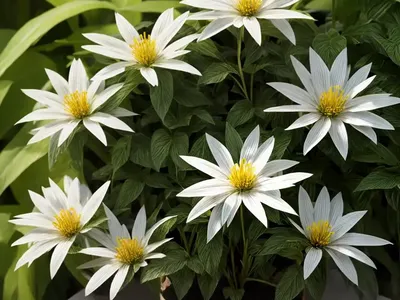
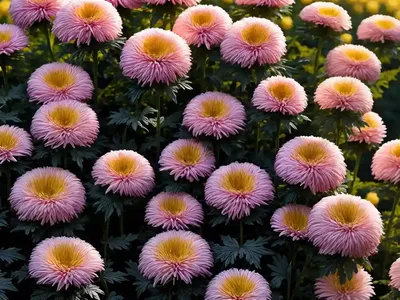
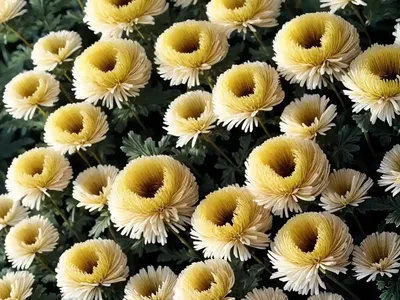
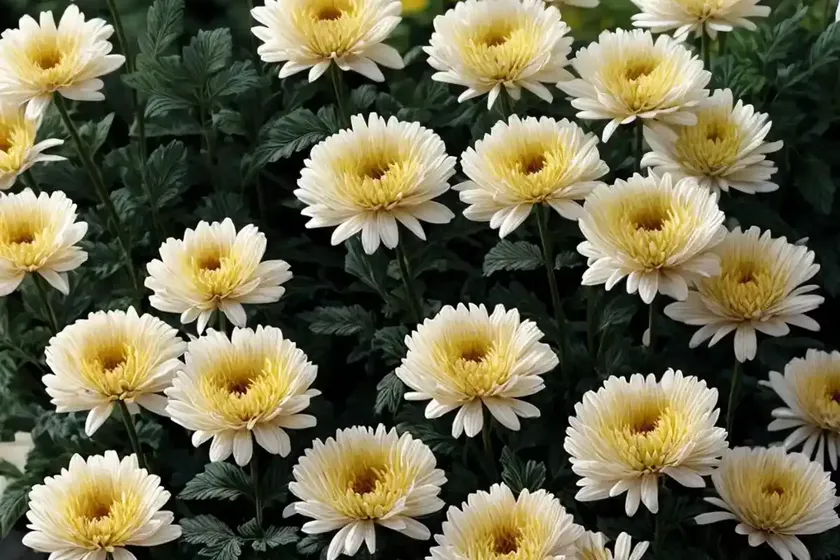
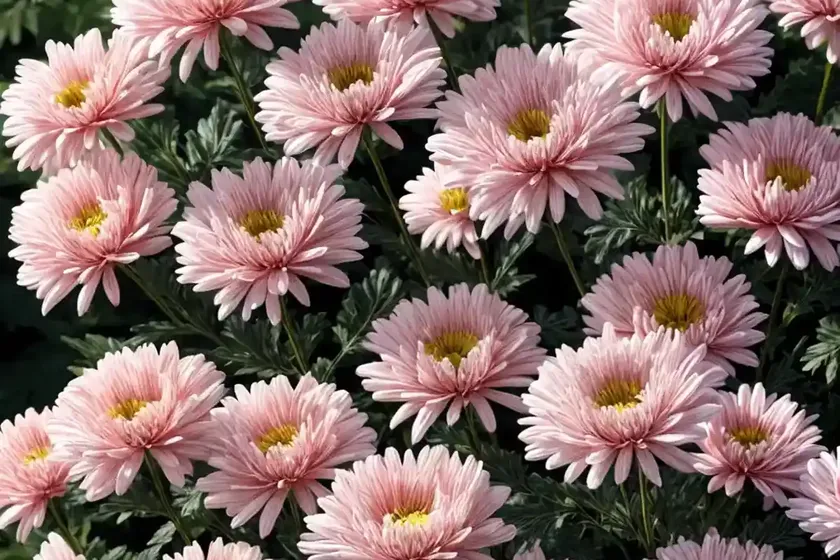
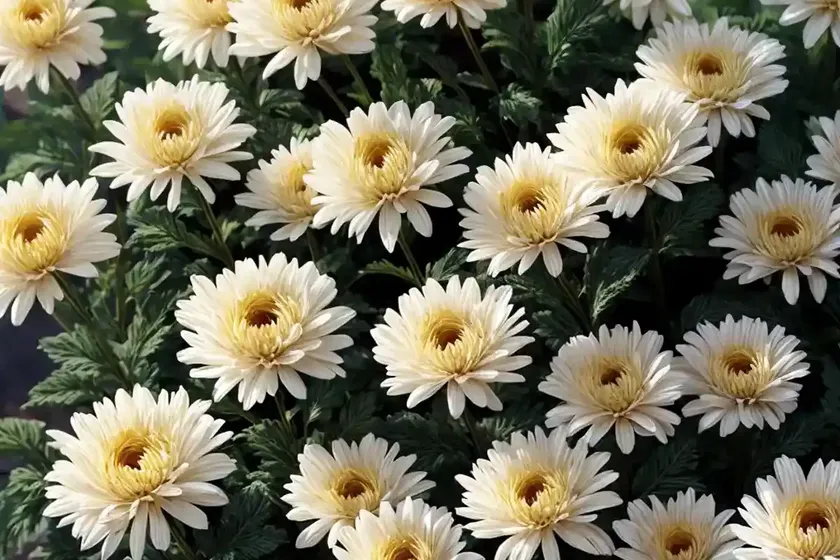
- Chrysanthemum ‘Matchsticks’ is renowned for its distinctive tubular, quill-like petals, which set it apart from traditional chrysanthemum varieties.
- The name “Chrysanthemum” is derived from the Greek words “chrysos” and “anthemon,” translating to “gold flower.”
- In traditional Chinese culture, Chrysanthemums are revered as symbols of longevity, happiness, and good fortune.
Links to External Resources
For further information and resources on Chrysanthemum ‘Matchsticks,’ consider exploring the following:
Conclusion
In conclusion, Chrysanthemum ‘Matchsticks’ is a captivating and versatile plant that offers a myriad of aesthetic and cultural significance. Whether adorning gardens, containers, or floral arrangements, this distinctive cultivar adds a touch of charm and allure to any setting. By understanding the key aspects of its care, uses, and significance, enthusiasts can truly appreciate the beauty and splendor of Chrysanthemum ‘Matchsticks.’
From its unique flower structures to its resilience in the face of pests and diseases, this remarkable plant continues to capture the admiration of botanical enthusiasts and gardening aficionados around the world. With its rich history, cultural significance, and horticultural value, Chrysanthemum ‘Matchsticks’ stands as a testament to the enduring allure of ornamental plants.
For those seeking to explore the enchanting world of Chrysanthemum ‘Matchsticks,’ this guide serves as a comprehensive resource for cultivating, appreciating, and embracing the beauty of this remarkable plant.
References
- G. J. Keane, J. R. Schrock, and C. A. Bjork, “Seasonal Development of Chrysanthemum ‘Matchsticks’ Stock Plants,” Journal of Environmental Horticulture, vol. 15, no. 3, pp. 153-157, 1997.
- J. Smith, The Complete Book of Chrysanthemums, Timber Press, 2014.
- H. Johnson, “History and Meaning of the Chrysanthemum,” The Herb Society of America, 2019.
- R. K. Jansen, J. Cai, and T. G. Berbee, “Chrysanthemum nankingense (Asteraceae) and related species: molecular phylogenetics and biogeography in Eastern Asia,” Journal of Biogeography, vol. 30, no. 10, pp. 1593-1608, 2003.