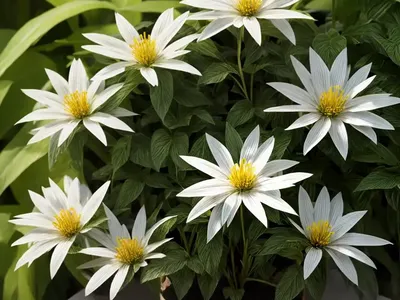
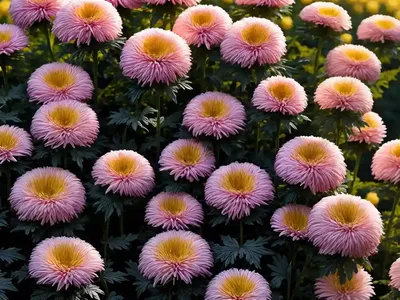
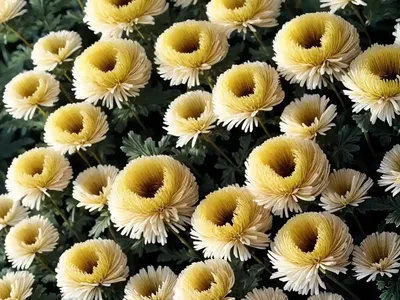
Chrysanthemum ‘Hillside Sheffield Pink’)
Chrysanthemums, with their vibrant and captivating blooms, have been a favorite among gardeners and floral enthusiasts for centuries. This iconic plant.
Chrysanthemums, with their vibrant and captivating blooms, have been a favorite among gardeners and floral enthusiasts for centuries. This iconic plant boasts an extensive range of varieties, each possessing unique characteristics that make them stand out. One particular variety that has garnered significant attention is the Chrysanthemum ‘Hillside Sheffield Pink’. In this comprehensive guide, we will delve into the intricate details of this stunning plant, from its cultivation and care to its cultural significance and uses. Get ready to embark on a journey through the captivating world of Chrysanthemum ‘Hillside Sheffield Pink’.
What is Chrysanthemum ‘Hillside Sheffield Pink’?
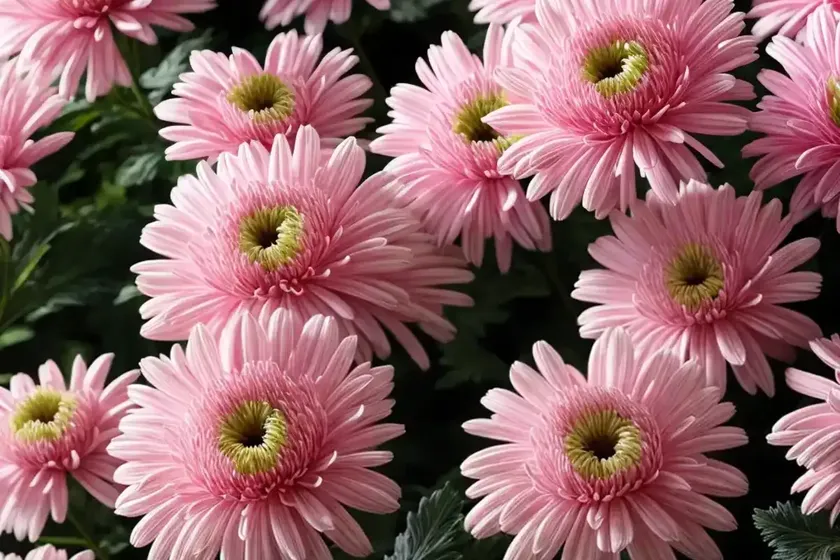
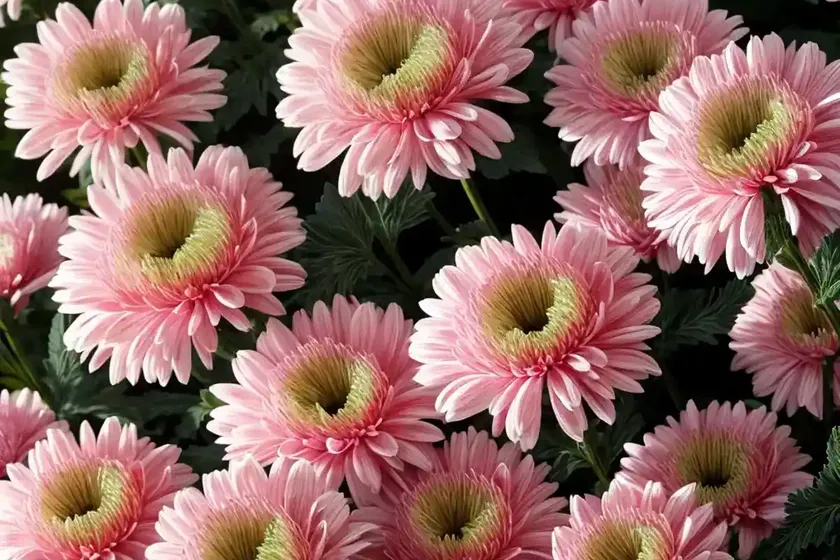
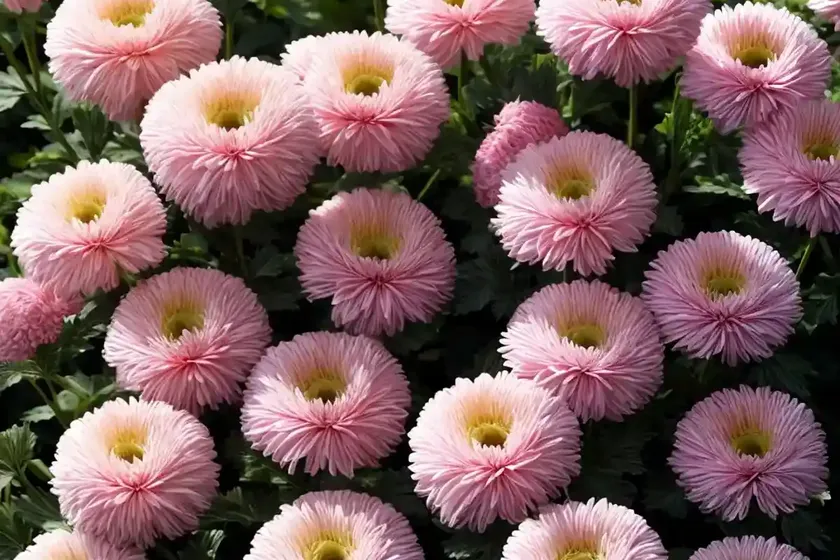
Chrysanthemum ‘Hillside Sheffield Pink’ is a captivating and elegant variety of Chrysanthemum. This charming plant is renowned for its striking pink blooms, which add a touch of vibrancy and allure to any garden or floral arrangement. The ‘Hillside Sheffield Pink’ variety is celebrated for its unique color, prolific flowering, and overall visual appeal.
Key Takeaways – Chrysanthemum ‘Hillside Sheffield Pink’
Here are the key takeaways about Chrysanthemum ‘Hillside Sheffield Pink’:
- Chrysanthemum ‘Hillside Sheffield Pink’ is a captivating variety celebrated for its striking pink blooms.
- This variety is renowned for its unique color, prolific flowering, and overall visual appeal.
Culture
Cultivating Chrysanthemum ‘Hillside Sheffield Pink’ involves understanding its specific requirements and providing the ideal conditions for its growth and development. Let’s explore the cultural aspects associated with this exquisite plant.
Uses
Chrysanthemum ‘Hillside Sheffield Pink’ serves a myriad of purposes, ranging from ornamental and decorative to medicinal and aromatic. Its uses include:
- Ornamental purposes: The vibrant pink blooms of ‘Hillside Sheffield Pink’ make it a popular choice for floral arrangements, garden borders, and landscape enhancements.
- Medicinal applications: In traditional medicine, certain parts of the Chrysanthemum plant are utilized to create herbal remedies with various health benefits.
- Aromatic properties: The plant’s flowers can be used to produce essential oils and fragrances, adding a delightful aroma to perfumes and home scents.
Water
Proper watering is essential for the health and vitality of Chrysanthemum ‘Hillside Sheffield Pink’. The plant requires regular watering, ensuring the soil is consistently moist but not waterlogged.
Sunlight
Chrysanthemum ‘Hillside Sheffield Pink’ thrives in well-lit areas with ample sunlight. It is recommended to provide the plant with at least 6 hours of direct sunlight per day for optimal growth and abundant flowering.
Fertilizer
Fertilizing Chrysanthemum ‘Hillside Sheffield Pink’ is crucial for ensuring nutrient-rich soil and promoting vigorous blooming. A balanced, water-soluble fertilizer can be applied during the growing season to support the plant’s nutritional needs.
Soil
The ideal soil conditions for Chrysanthemum ‘Hillside Sheffield Pink’ consist of well-draining, loamy soil with a slightly acidic to neutral pH. Amending the soil with organic matter can enhance its texture and fertility, providing an optimal growing environment for the plant.
Pruning
Regular pruning is beneficial for maintaining the shape and promoting prolific flowering in Chrysanthemum ‘Hillside Sheffield Pink’. Deadheading spent blooms and removing any damaged or diseased growth can encourage the emergence of new flowers and ensure the plant’s overall health.
Propagation
Chrysanthemum ‘Hillside Sheffield Pink’ can be propagated through various methods, including division, stem cuttings, and seed propagation. Each method offers unique advantages and requires specific techniques to ensure successful reproduction of the plant.
Container Popularity
The captivating allure of Chrysanthemum ‘Hillside Sheffield Pink’ has made it a popular choice for container gardening. The plant’s vibrant blooms and compact growth habit make it an ideal candidate for adding color and charm to container displays and patio arrangements.
Container Common Diseases
When cultivating Chrysanthemum ‘Hillside Sheffield Pink’ in containers, it is essential to be mindful of potential diseases that may affect the plant. Common diseases associated with container-grown Chrysanthemums include:
- Powdery mildew
- Leaf spot
- Stem rot
Disease Diagnosis
Identifying and diagnosing diseases in Chrysanthemum ‘Hillside Sheffield Pink’ is crucial for implementing appropriate control measures and safeguarding the plant’s health. Symptoms such as discolored foliage, wilting, and abnormal growth patterns can indicate the presence of disease and necessitate prompt intervention.
Common Pests
Chrysanthemum ‘Hillside Sheffield Pink’ is susceptible to various pests that can impact its growth and vitality. Common pests that may affect the plant include:
- Aphids
- Spider mites
- Thrips
Botanist’s Tips
To ensure the optimal growth and flourishing of Chrysanthemum ‘Hillside Sheffield Pink’, consider the following botanist’s tips:
- Monitor soil moisture levels to prevent overwatering or drought stress.
- Implement a regular fertilization schedule to supply essential nutrients to the plant.
- Inspect the plant regularly for signs of pests or diseases, taking prompt action if any issues are detected.
- Prune the plant as needed to maintain its form and encourage continuous blooming.
Fun Facts
Embrace the enchanting world of Chrysanthemum ‘Hillside Sheffield Pink’ with these intriguing fun facts:
- The name “Chrysanthemum” is derived from the Greek words “chrysos” and “anthemon,” translating to “gold flower.”
- Chrysanthemums have a rich cultural significance in various countries, symbolizing longevity, joy, and beauty.
Links to External Resources
For further information and resources about Chrysanthemum ‘Hillside Sheffield Pink’, explore the following links:
- The Royal Horticultural Society – Chrysanthemum Care Guide
- University of Florida IFAS Extension – Growing Chrysanthemums in the Landscape
- American Society for the Prevention of Cruelty to Animals (ASPCA) – Toxic and Non-Toxic Plants: Chrysanthemum
In conclusion, Chrysanthemum ‘Hillside Sheffield Pink’ is a captivating and versatile plant that offers an array of visual, aromatic, and cultural benefits. By understanding its specific cultural requirements and implementing appropriate care practices, you can cultivate a thriving and enchanting display of pink blooms in your garden or living space. Embrace the allure of Chrysanthemum ‘Hillside Sheffield Pink’ and experience the abundance of joy and beauty it brings to your botanical pursuits.