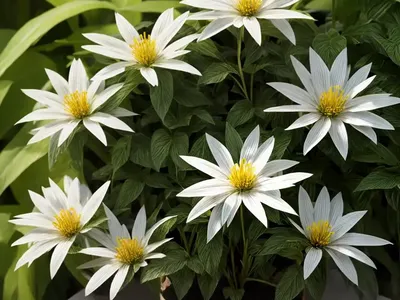
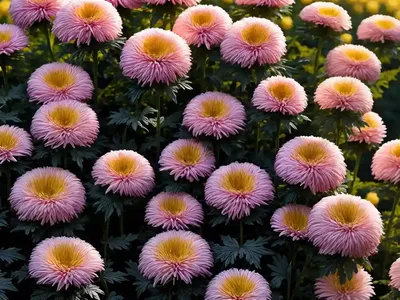
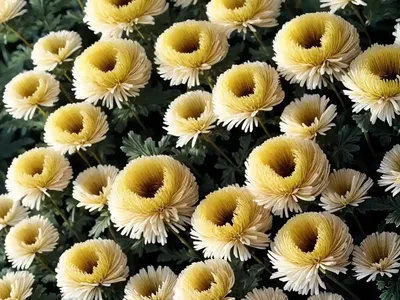
Chrysanthemum Carinatum (Painted Daisy)
Chrysanthemum carinatum, commonly known as Painted Daisy, is a delightful and vibrant flowering plant that adds charm to gardens, landscapes, and indoor.
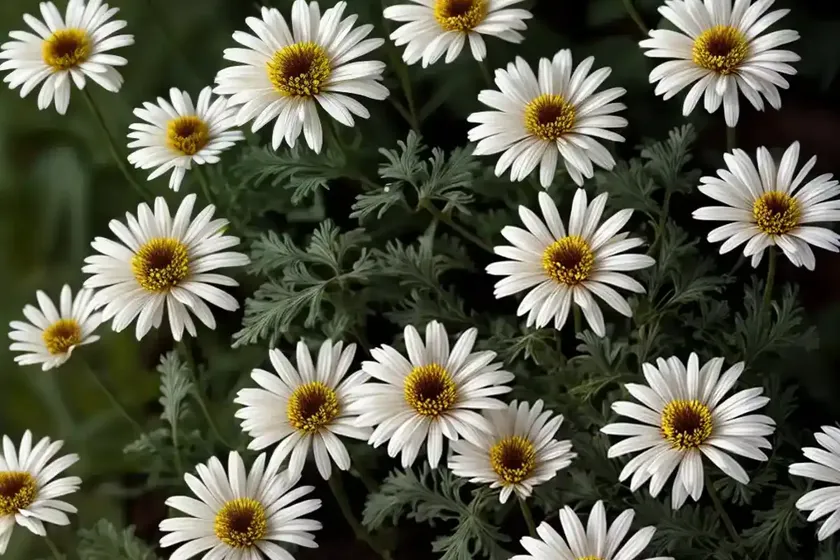
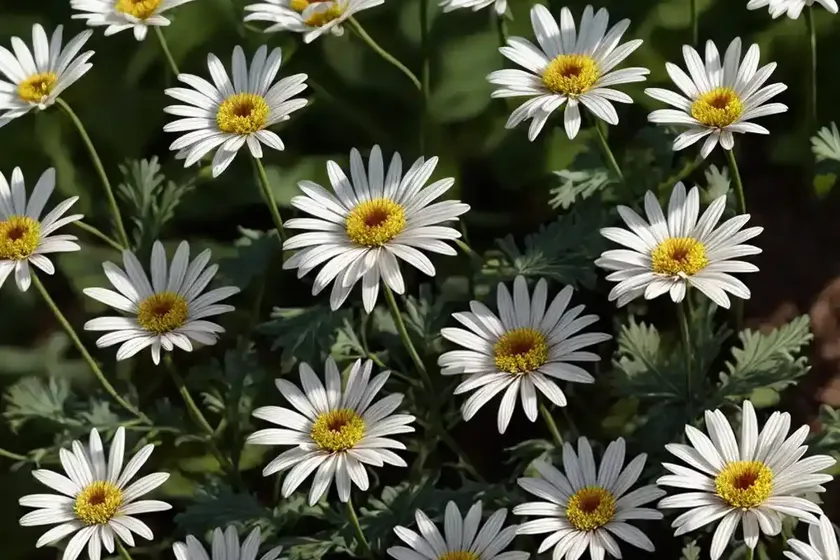
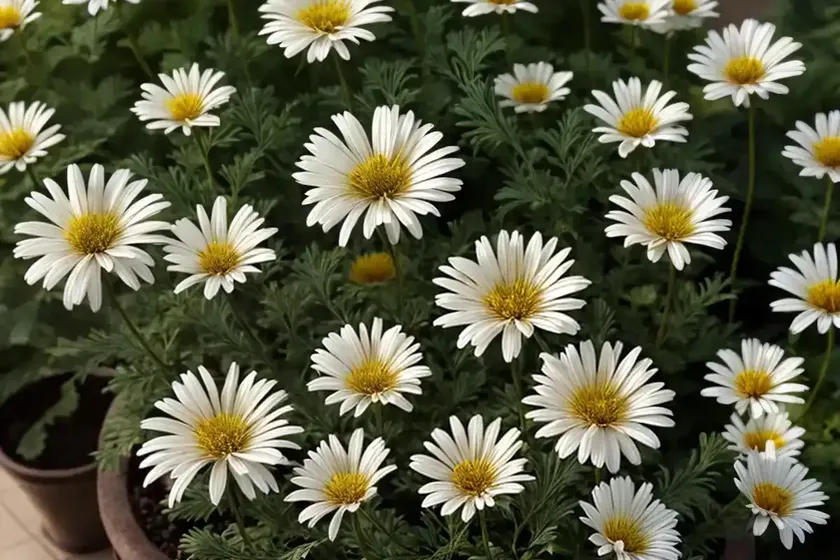
Chrysanthemum carinatum, commonly known as Painted Daisy, is a delightful and vibrant flowering plant that adds charm to gardens, landscapes, and indoor spaces. In this comprehensive guide, we will explore the various aspects of this stunning plant, including its culture, uses, care, propagation, and much more. Whether you are a seasoned gardener or a novice enthusiast, there is something to learn and appreciate about the captivating Chrysanthemum carinatum.
What is Chrysanthemum carinatum (Painted Daisy)?
Chrysanthemum carinatum, a member of the Asteraceae family, is a flowering plant species native to the Mediterranean region. It is renowned for its striking and colorful flowers, which feature a combination of vivid hues and intricate patterns. The plant’s botanical name, Chrysanthemum carinatum, is derived from the Greek words “chrysos,” meaning gold, and “anthemon,” meaning flower, emphasizing the golden beauty of its blossoms.
The Painted Daisy is cherished for its ornamental value and is widely cultivated for its eye-catching display of blooms. With proper care and attention, this plant thrives in various environments, bringing joy to gardeners and nature enthusiasts worldwide.
Key Takeaways – Chrysanthemum carinatum (Painted Daisy)
Let’s delve into the essential aspects of the captivating Chrysanthemum carinatum, including its culture, uses, water requirements, sunlight preferences, fertilizer needs, soil preferences, pruning techniques, propagation methods, and more.
Culture
When it comes to cultivating Chrysanthemum carinatum, understanding its cultural requirements is crucial for ensuring its optimal growth and development. The following factors contribute to the successful cultivation of this vibrant plant:
-
Climate Preferences: Chrysanthemum carinatum thrives in temperate climates with moderate temperatures. It prefers mild and cool weather conditions, making it suitable for regions with distinct seasons.
-
Hardiness Zones: The plant is best suited for hardiness zones 3 to 10, where it can withstand a range of climatic conditions, including frost and mild freezing temperatures.
-
Soil Amendments: Well-draining soil enriched with organic matter promotes healthy growth. Adding compost or aged manure to the soil enhances its fertility and provides essential nutrients for the plant.
-
Watering: While the Painted Daisy appreciates regular watering, it is essential to avoid waterlogged soil, as excessive moisture can lead to root rot. Strike a balance by allowing the soil to partially dry out between watering sessions, especially during the growing season.
Uses
Chrysanthemum carinatum serves multiple purposes, ranging from ornamental displays to medicinal properties. Its uses extend to various settings, including gardens, landscapes, indoor decorations, and even therapeutic applications. Understanding the diverse uses of the Painted Daisy enables enthusiasts to fully appreciate its value and versatility.
Water
Water is a vital element in the care and maintenance of Chrysanthemum carinatum. The plant’s water needs vary depending on factors such as environmental conditions, soil moisture levels, and growth stages. By understanding its water requirements, gardeners can ensure that the Painted Daisy receives adequate hydration for healthy development.
Sunlight
Sunlight is essential for the growth and flowering of Chrysanthemum carinatum. The plant thrives in full sun to partial shade, requiring sufficient light to fuel its photosynthetic processes and promote robust blooming. Understanding its sunlight preferences is crucial for determining the ideal planting locations and ensuring optimal exposure to sunlight.
Fertilizer
Proper fertilization plays a significant role in nurturing Chrysanthemum carinatum and enhancing its overall health and vitality. By providing the plant with essential nutrients through well-balanced fertilizers, gardeners can support vigorous growth and abundant flowering. Understanding the fertilizer needs of the Painted Daisy is essential for maintaining its nutrient balance and promoting optimal blooming.
Soil
The soil composition significantly impacts the growth and development of Chrysanthemum carinatum. Tailoring the soil to meet the plant’s preferences enhances its overall vigor and resilience, contributing to a thriving and visually stunning display of flowers. Understanding the soil requirements of the Painted Daisy guides gardeners in creating a suitable growing environment for this captivating species.
Pruning
Pruning is a fundamental aspect of Chrysanthemum carinatum maintenance, influencing its growth habit, flowering performance, and overall appearance. By employing appropriate pruning techniques, gardeners can shape the plant, remove diseased or damaged parts, and encourage prolific blooming. Understanding the art of pruning the Painted Daisy is essential for promoting its health and aesthetics.
Propagation
The propagation of Chrysanthemum carinatum enables enthusiasts to expand their plant collection, share its beauty with others, and rejuvenate aging specimens. By mastering the art of propagation, gardeners can multiply the Painted Daisy through various methods, such as seed sowing, division, and stem cuttings. Understanding the propagation techniques of this captivating plant opens up a world of possibilities for its cultivation and conservation.
Container Popularity
Chrysanthemum carinatum’s appeal transcends traditional garden settings, making it a popular choice for container gardening. The plant’s adaptability to containers allows enthusiasts to enjoy its vibrant blooms in diverse spaces, including patios, balconies, and indoor environments. Understanding the container popularity of the Painted Daisy provides insights into its versatility and suitability for container-based cultivation.
Container Common Diseases
Container gardening presents specific challenges and considerations, including the susceptibility of plants to common diseases in confined environments. By recognizing potential diseases that may affect Chrysanthemum carinatum in containers, gardeners can implement proactive measures to safeguard the plant’s health and wellbeing. Understanding the common diseases associated with the Painted Daisy in containers is essential for effective disease management.
Disease Diagnosis
Diagnosing diseases that affect Chrysanthemum carinatum is a critical skill for maintaining the plant’s health and preventing the spread of infections. By identifying symptoms, patterns, and causal agents, gardeners can take timely action to address diseases and protect the vitality of the Painted Daisy. Understanding the process of disease diagnosis enhances the capacity to effectively manage and mitigate potential health issues.
Common Pests
Pests pose a constant threat to the wellbeing of Chrysanthemum carinatum, requiring vigilant monitoring and intervention to prevent infestations and minimize damage. By identifying common pests that target the Painted Daisy, gardeners can implement appropriate control measures and minimize the impact of pest activity. Understanding the common pests associated with this vibrant plant enables proactive pest management and conservation efforts.
Botanist’s Tips
The insights and knowledge shared by botanists provide valuable guidance for cultivating and appreciating Chrysanthemum carinatum. With expertise in plant biology and ecology, botanists offer unique perspectives on the natural history, evolutionary traits, and ecological significance of the Painted Daisy. Incorporating botanist’s tips into gardening practices enriches the understanding and stewardship of this captivating species.
Fun Facts
Exploring the fascinating and lesser-known aspects of Chrysanthemum carinatum reveals a world of captivating details and intriguing narratives. From historical anecdotes to ecological interactions, fun facts about the Painted Daisy offer a deeper appreciation for its significance and charm. Uncovering the fun facts associated with this vibrant plant adds a layer of enrichment to the gardening experience.
Links to External Resources
To further expand your knowledge and exploration of Chrysanthemum carinatum, consider exploring the following external resources:
- Royal Horticultural Society – Chrysanthemum carinatum
- Missouri Botanical Garden – Chrysanthemum carinatum
- The Plant List – Chrysanthemum carinatum
- Flora of North America – Chrysanthemum carinatum
By exploring these external resources, you can gain deeper insights into the captivating world of Chrysanthemum carinatum and its diverse attributes.
In this blog post, we have embarked on a captivating journey through the enchanting realm of Chrysanthemum carinatum, exploring its cultural significance, uses, care requirements, propagation methods, and much more. Whether you are drawn to its vibrant blooms, ecological attributes, or horticultural value, the Painted Daisy continues to inspire and enthrall enthusiasts around the world. As you cultivate and appreciate this remarkable plant, may its beauty and allure further enrich your gardening experience and deep-rooted connection with nature.