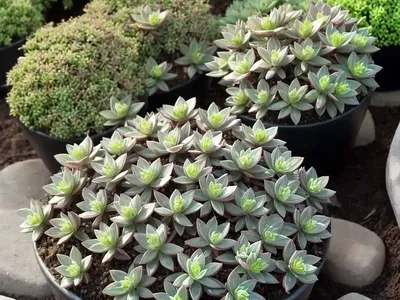
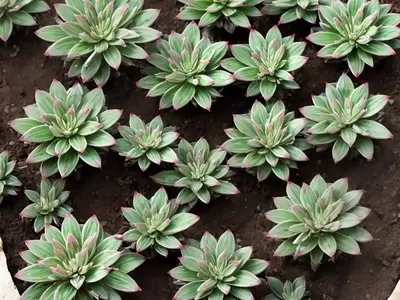
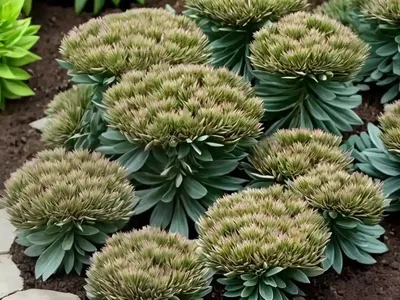
Christmas Tree Plant (Kalanchoe Laciniata)
In the world of plants, few are as iconic and impactful as the time-honored Christmas tree. While the traditional pine or fir may immediately come to mind.
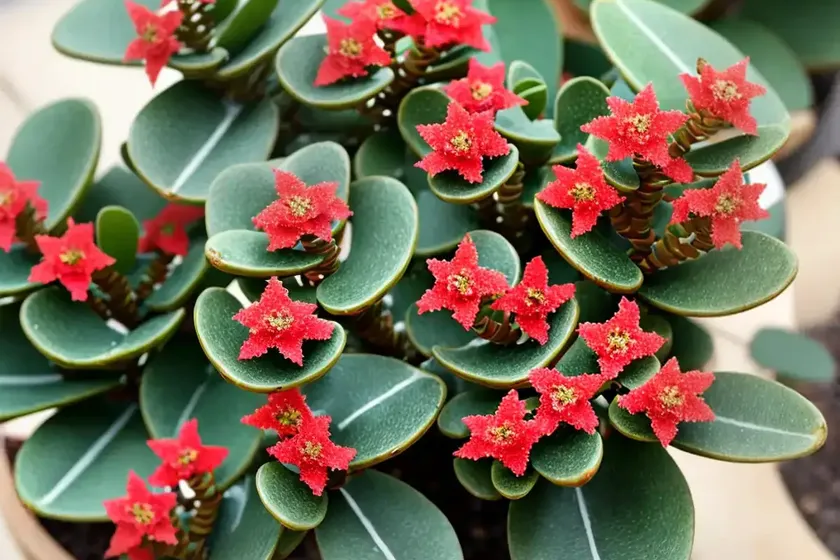
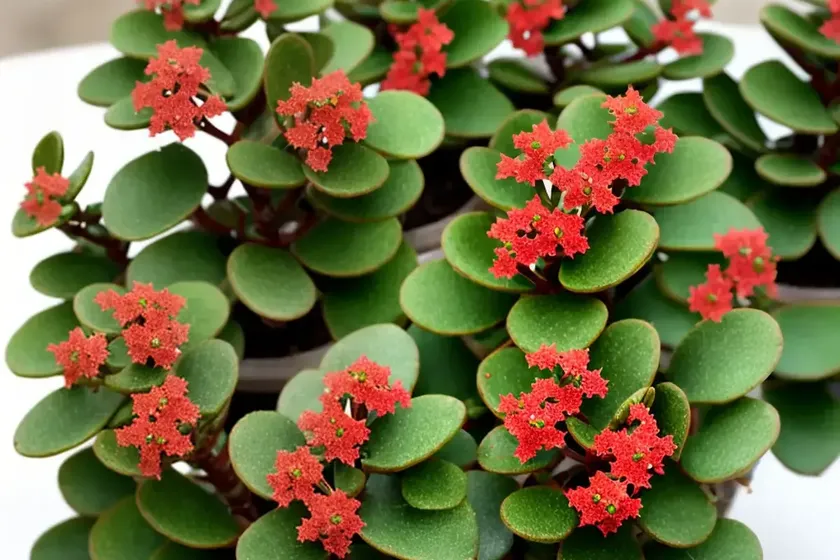
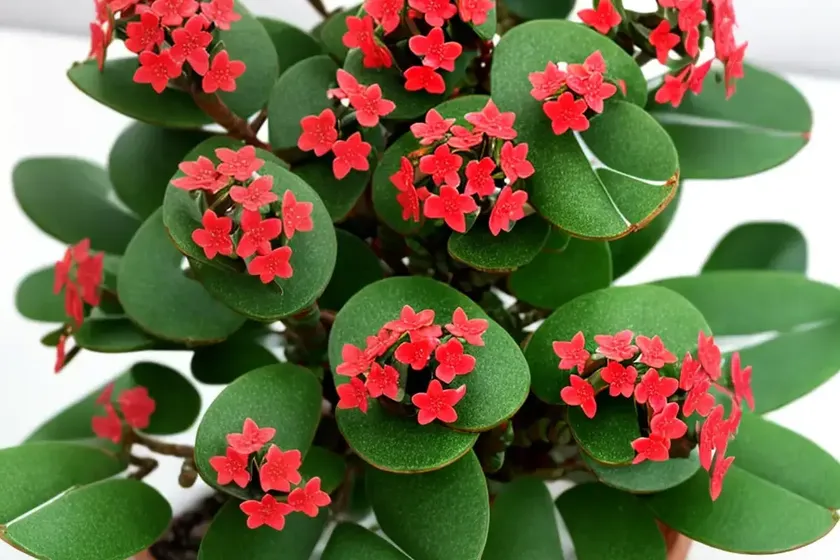
In the world of plants, few are as iconic and impactful as the time-honored Christmas tree. While the traditional pine or fir may immediately come to mind, there is another remarkable plant that can bring the festive spirit into your home—the Christmas Tree Plant (Kalanchoe laciniata). This unique succulent boasts intricate leaf structures resembling the branches of a tree, making it a charming alternative to the classic holiday decor. In this comprehensive guide, we will explore the captivating world of the Christmas Tree Plant, delving into its culture, uses, care requirements, and so much more.
What is the Christmas Tree Plant (Kalanchoe laciniata)?
The Christmas Tree Plant, scientifically known as Kalanchoe laciniata, is a member of the Crassulaceae family, hailing from Madagascar. As a succulent, it is well-adapted to arid environments and is beloved for its distinctive foliage that bears a striking resemblance to a miniature Christmas tree. This charming plant is a favorite among enthusiasts and plant lovers for its ornamental value and versatility as a houseplant.
Key Takeaways – Christmas Tree Plant (Kalanchoe laciniata)
Before we delve into the specifics of caring for the Christmas Tree Plant, let’s take a moment to highlight the key takeaways about this delightful succulent.
- Botanical Name: Kalanchoe laciniata
- Common Name: Christmas Tree Plant
- Family: Crassulaceae
- Native Habitat: Madagascar
- Uses: Ornamental, Houseplant
- Distinctive Feature: Foliage resembling a miniature Christmas tree
Now that we have an overview of what the Christmas Tree Plant is, let’s explore its cultivation, care needs, and the many ways it can brighten up your living space during the holidays and beyond.
Culture of the Christmas Tree Plant
Understanding the cultural requirements of the Christmas Tree Plant is essential for ensuring its health and vibrancy. From its watering needs to the ideal soil composition, let’s delve into the various aspects of cultivating this captivating succulent.
Water
Like many succulents, the Christmas Tree Plant has adapted to thrive in arid conditions, making it relatively drought-tolerant. When it comes to watering, it’s crucial to strike a balance that prevents both underwatering and overwatering. Here are some essential watering tips for nurturing your Christmas Tree Plant:
- Watering Frequency: Allow the soil to dry out between waterings. Aim to water the plant when the top inch of the soil feels dry to the touch.
- Watering Technique: When watering, ensure that excess water can drain freely from the pot to prevent waterlogging, which can lead to root rot.
- Seasonal Adjustments: During the growing season, typically spring and summer, the Christmas Tree Plant may require more frequent watering. In contrast, reduce watering during the dormant winter months.
Sunlight
Proper sunlight exposure is crucial for the Christmas Tree Plant to thrive and maintain its distinct appearance. As a succulent, it has specific sun requirements that are vital for its overall health and growth. Here’s what you need to know about providing the right amount of sunlight for your Christmas Tree Plant:
- Sunlight Requirements: Place the plant in a location that receives bright, indirect sunlight. While it enjoys ample light, direct sun exposure, particularly during the intense afternoon hours, should be avoided as it can lead to sunburn and leaf damage.
- Seasonal Considerations: During the winter, when sunlight is often limited, consider supplementing natural light with a grow light to ensure the plant’s needs are met.
Soil
The right soil composition is essential for the Christmas Tree Plant to thrive and remain healthy. An appropriate soil mix provides the necessary drainage and aeration for the plant’s root system. Here’s a guide to the ideal soil for your Christmas Tree Plant:
- Well-Draining Mix: Opt for a well-draining potting mix tailored to succulents and cacti. This type of soil prevents water from pooling around the roots, minimizing the risk of rot.
- Soil Amendments: Consider adding coarse sand or perlite to the potting mix to improve drainage and aeration.
Fertilizer
Proper nourishment is essential for the Christmas Tree Plant to flourish, and a well-balanced fertilizer can provide the essential nutrients it needs to thrive. However, it’s crucial to approach fertilization with care, considering the plant’s specific requirements. Here are some insights into fertilizing the Christmas Tree Plant:
- Fertilizer Type: Use a balanced, water-soluble fertilizer formulated for succulents and cacti. A diluted fertilizer with an N-P-K ratio of 20-20-20 or similar can support healthy growth.
- Fertilizing Frequency: During the growing season in spring and summer, fertilize the plant once a month. Reduce or cease fertilization during the fall and winter months when the plant is dormant.
Understanding the cultural needs of the Christmas Tree Plant is fundamental to its overall wellbeing. By providing the right balance of water, sunlight, soil, and nutrients, you can ensure that your succulent thrives and continues to adorn your home with its charming holiday-inspired foliage.
Pruning the Christmas Tree Plant
Pruning is an essential aspect of plant care, aiding in the maintenance of shape, health, and overall aesthetics. While the Christmas Tree Plant has a natural tendency to maintain its charming tree-like form, occasional pruning can help manage its growth and ensure a neat appearance. Here’s what you should know about pruning the Christmas Tree Plant:
- Removal of Spent Blooms: After the plant’s vibrant blooms have faded, carefully trim away the spent flower stalks to encourage new growth and prolong the flowering period.
- Shaping: The Christmas Tree Plant often maintains its naturally appealing form without extensive pruning. However, if you notice any leggy or unruly growth, you can selectively trim the stems to enhance its shape.
- Sanitization: Use clean, sharp pruning shears to trim away any undesirable growth. Wiping the blades with rubbing alcohol before and after pruning can help prevent the spread of diseases.
By employing proper pruning techniques, you can help your Christmas Tree Plant maintain its delightful silhouette and ensure its continued attractiveness as a holiday-inspired decoration.
Propagation of the Christmas Tree Plant
The ability to propagate the Christmas Tree Plant allows enthusiasts to share its charm with others and expand their collection of these remarkable succulents. While the process of propagation may seem daunting to some, it can be a rewarding way to multiply your plants and witness the growth and development of new specimens. Here’s a guide to propagating the Christmas Tree Plant:
- Propagation Method: The Christmas Tree Plant can be propagated from stem cuttings. Select a healthy, mature stem and carefully remove a cutting just below a leaf node.
- Preparing the Cutting: Allow the cutting to dry and callus for a day or two before planting it in a well-draining succulent mix.
- Rooting and Growth: Place the cutting in a warm, bright location, ensuring that the soil remains lightly moist. After a few weeks, the cutting should develop roots and start to grow.
Propagation provides a wonderful opportunity to expand your collection of Christmas Tree Plants and share the joy of these holiday-inspired succulents with friends and family.
The Christmas Tree Plant in Containers
As an adaptable and compact succulent, the Christmas Tree Plant is well-suited for container gardening. Whether you’re cultivating it indoors to brighten up your living space or adorning your outdoor patio, understanding the dynamics of container gardening is essential for nurturing this charming plant. Let’s explore the considerations for growing the Christmas Tree Plant in containers:
Popularity in Containers
The Christmas Tree Plant’s popularity in container gardening stems from its manageable size and visually appealing foliage. As a versatile houseplant, it adds a touch of whimsy and festive cheer to any indoor setting, making it a favored choice for those seeking a unique and charming succulent.
Container Selection
When choosing a container for your Christmas Tree Plant, consider the following factors:
- Drainage: Select a container with drainage holes to prevent water from accumulating around the roots and causing potential issues such as root rot.
- Size: Choose a container that accommodates the plant’s current size while allowing room for future growth. However, too large of a container can lead to excess moisture retention, so aim for a snug fit without cramping the plant’s roots.
Common Diseases in Containers
While growing the Christmas Tree Plant in containers offers control over its environment, there are potential challenges such as diseases and pests that may impact its health. Some common diseases that can affect the Christmas Tree Plant in containers include:
- Root Rot: Overwatering or inadequate drainage can lead to root rot, which manifests as wilting, yellowing leaves, and a general decline in the plant’s health.
- Pests: Mealybugs and aphids are common pests that can afflict the Christmas Tree Plant, causing damage to the foliage and affecting its overall vigor.
Understanding the unique considerations of container gardening is crucial for providing the optimal growing conditions for the Christmas Tree Plant. By selecting the right container, maintaining proper drainage, and monitoring for potential issues, you can set the stage for your succulent to thrive and bring the holiday spirit into your home.
Christmas Tree Plant: Uses and Benefits
Beyond its ornamental value, the Christmas Tree Plant offers a range of benefits and uses, making it a well-rounded addition to your indoor or outdoor space. Let’s explore the various ways in which this charming succulent can enrich your environment and contribute to your well-being.
Decoration and Aesthetic Appeal
The primary use of the Christmas Tree Plant is as a decorative element, providing a delightful touch of greenery and whimsy to any setting. Whether adorned with festive lights and ornaments during the holiday season or displayed as a year-round houseplant, its charming foliage adds visual interest and a touch of natural beauty to its surroundings.
Air Purification
Like many houseplants, the Christmas Tree Plant has the potential to improve indoor air quality by removing harmful toxins and impurities. Its presence can contribute to a healthier and more invigorating indoor environment, benefiting both the plant enthusiast and their guests.
Therapeutic and Meditative Value
Engaging with plants, whether through caring for them or simply admiring their presence, can have a calming and meditative effect. The Christmas Tree Plant’s unique appearance and low-maintenance nature make it an excellent companion for relaxation and rejuvenation.
Symbolism and Gift-Giving
The Christmas Tree Plant’s charming resemblance to a miniature holiday tree imbues it with symbolic value, making it a meaningful gift for friends and loved ones. Whether presented as a token of holiday cheer or as a year-round gesture, this charming succulent carries a message of natural beauty and timeless joy.
Common Diseases and Pests of the Christmas Tree Plant
While the Christmas Tree Plant is generally resilient and low-maintenance, it is not immune to certain diseases and pests that can potentially compromise its health and appearance. By familiarizing yourself with these potential challenges, you can proactively protect your succulent and maintain its vitality.
Disease Diagnosis
Diagnosing and addressing diseases is essential for safeguarding the well-being of the Christmas Tree Plant. Here are some common diseases that may affect this charming succulent:
- Root Rot: Occurring due to overwatering or poor drainage, root rot can cause the plant’s roots to decay, leading to symptoms such as wilting, yellowing leaves, and a general decline in the plant’s health.
- Powdery Mildew: A fungal infection that presents as a powdery white residue on the plant’s leaves, powdery mildew can hinder the Christmas Tree Plant’s growth and overall vigor.
Common Pests
Pests can pose a threat to the Christmas Tree Plant, affecting its appearance and vitality. Some common pests that may target this charming succulent include:
- Mealybugs: These small, white insects can cluster on the plant’s foliage, feeding on its sap and causing damage such as yellowing and stunted growth.
- Aphids: Aphids are tiny, soft-bodied insects that can infest the Christmas Tree Plant, leading to distorted growth and the presence of sticky honeydew on the leaves.
A proactive approach to monitoring for diseases and pests, coupled with prompt intervention when necessary, is fundamental for maintaining the Christmas Tree Plant’s health and preserving its attractive appearance.
Botanist’s Tips for Caring for Christmas Tree Plants
To further empower plant enthusiasts in successfully caring for the Christmas Tree Plant, it’s valuable to explore additional tips and insights from botanists and experienced growers. By integrating their expertise into your approach, you can enhance your ability to nurture and enjoy these captivating succulents.
Fun Facts
- The Christmas Tree Plant, with its intricately-lobed leaves, is celebrated for its resemblance to a miniature holiday tree, creating an enchanting and festive ambiance.
- Originating from Madagascar, the Christmas Tree Plant is accustomed to arid conditions, making it well-suited for low-maintenance cultivation.
Links to External Resources
For additional information on the Christmas Tree Plant, its care, and uses, consider exploring the following external resources: