Graptophyllum Pictum (Graptophyllum Pictum)
Graptophyllum pictum, commonly known as the caricature plant, is a fascinating and visually appealing plant that has gained popularity among plant.
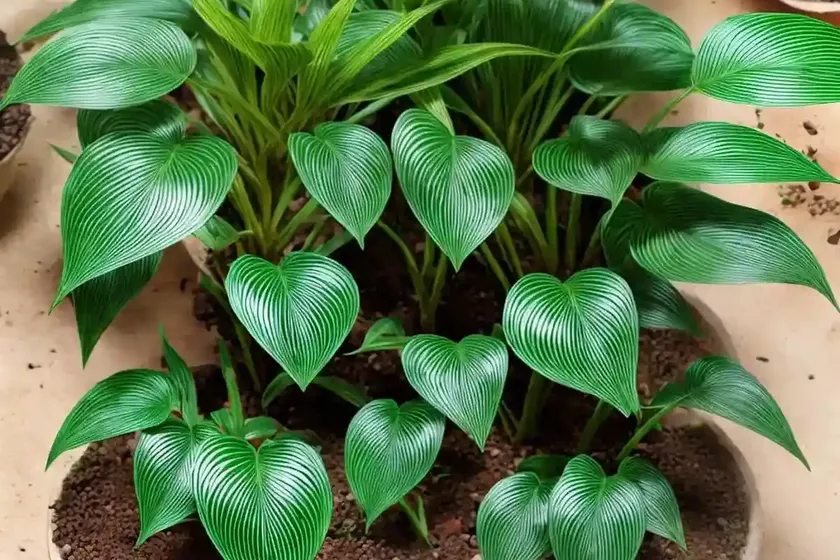
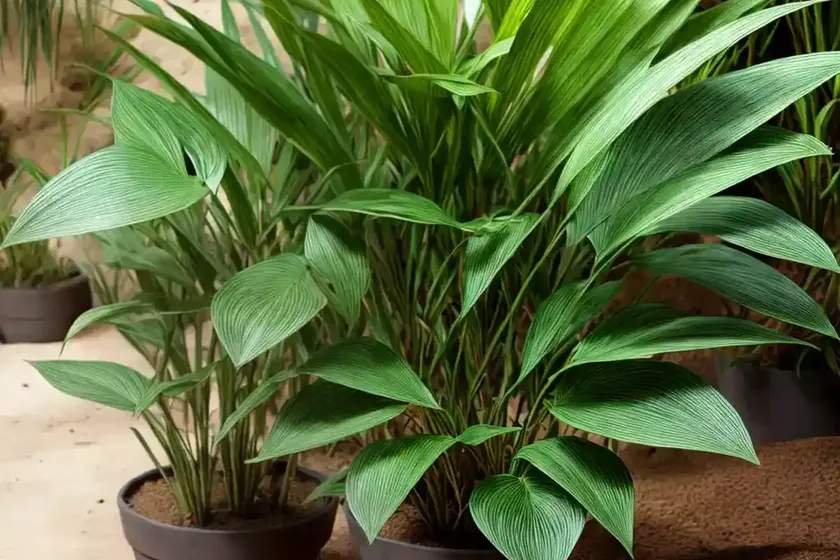
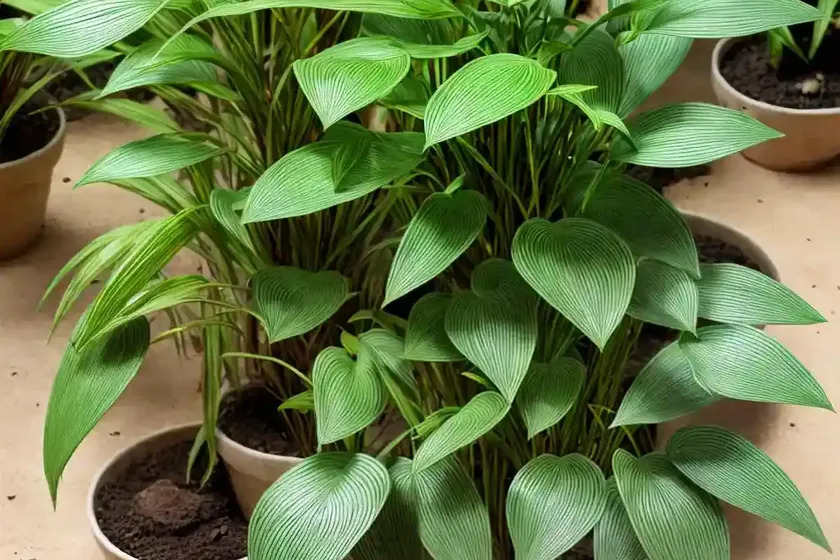
Graptophyllum pictum, commonly known as the caricature plant, is a fascinating and visually appealing plant that has gained popularity among plant enthusiasts due to its unique foliage and versatility. This comprehensive plant care guide will provide insights into understanding, growing, and nurturing Graptophyllum pictum to help you make the most of this delightful plant in your home or garden. We will delve into its culture, uses, water and sunlight requirements, soil preferences, pruning tips, propagation, common diseases, and much more. Additionally, we will explore its varieties, maintenance, and potential as an indoor and outdoor plant.
What is Graptophyllum Pictum?
Graptophyllum pictum is a species of shrub in the Acanthaceae family that is native to New Guinea, parts of Southeast Asia, and several Pacific islands. This tropical plant is well-regarded for its stunning foliage, featuring colorful and variegated patterns that resemble caricatures, hence the common name, caricature plant.
The leaves of the Graptophyllum pictum are large, glossy, and often display vibrant colors and intricate variegation, making it an eye-catching addition to any plant collection or landscape. This plant usually grows upright, reaching a height of 4 to 8 feet, and its bushy growth habit contributes to its ornamental appeal.
Key Takeaways – Graptophyllum Pictum
Culture
- Graptophyllum pictum is a tropical plant that thrives in warm and humid conditions.
- It can be grown both indoors and outdoors, provided it receives adequate light and moisture.
Uses
- This plant is primarily grown for its decorative foliage, making it a popular choice for ornamental gardens, landscapes, and indoor spaces.
- Its striking appearance and low maintenance requirements make it an excellent choice for enhancing the visual appeal of various settings.
Water
- Graptophyllum pictum requires regular watering to maintain moist soil, especially during its active growth period in spring and summer.
Sunlight
- Prefers bright, indirect light or partial shade to prevent leaf scorching and promote optimal growth and foliage coloration.
- Indoor plants should be placed near east or west-facing windows for sufficient light exposure.
Fertilizer
- It benefits from regular applications of a balanced, water-soluble fertilizer during the growing season to support healthy foliage development.
Soil
- Well-draining, nutrient-rich soil with organic matter is ideal for Graptophyllum pictum.
- A slightly acidic to neutral pH range is suitable for this plant.
Pruning
- Occasional pruning is recommended to maintain its shape, remove dead or damaged branches, and promote bushier growth.
- Pruning can also help to manage its size and enhance its overall appearance.
Propagation
- Graptophyllum pictum can be propagated through stem cuttings, which should be taken from healthy, mature plants.
- Rooting hormone and a well-draining propagation medium can aid in successful root development.
Container Popularity
- Its adaptability to container growth makes it a popular choice for indoor and patio gardening.
- Potted Graptophyllum pictum plants can be displayed as attractive accent pieces and often thrive in container environments.
Container Common Diseases
- Containers can pose the risk of overwatering and inadequate drainage, potentially leading to root rot in Graptophyllum pictum.
- It is essential to ensure proper drainage and monitor moisture levels in container-grown plants.
Disease Diagnosis
- Keep an eye out for signs of leaf spots, fungal infections, or pest infestations, and address any issues promptly to prevent the spread of diseases.
Common Pests
- Spider mites, aphids, and scale insects are common pests that may affect Graptophyllum pictum.
- Regular inspection and appropriate pest management measures can help control pest infestations.
Botanist’s Tips
- Regularly inspect the plant for any signs of stress, diseases, or pest issues to address them at an early stage.
- Provide consistent care and suitable growing conditions to promote healthy foliage and overall vigor.
Fun Facts
- The vibrant and variegated foliage of Graptophyllum pictum is reminiscent of caricature drawings, hence its common name, caricature plant.
- Its striking appearance and low maintenance requirements make it a sought-after plant for both novices and experienced gardeners alike.
Now that we have explored the key takeaways regarding Graptophyllum pictum, let’s delve deeper into various aspects of its care and cultivation.
Graptophyllum Pictum Plant Care
Graptophyllum Pictum Varieties
Graptophyllum pictum is available in several cultivars and varieties, each showcasing unique leaf patterns, colors, and growth habits. Some popular varieties include:
- Graptophyllum pictum ‘Caricature’: This variety is prized for its striking leaf variegation and distinctive foliage patterns.
- Graptophyllum pictum ‘Tricolor’: Known for its tri-colored foliage featuring shades of green, pink, and cream.
- Graptophyllum pictum ‘Chocolate’: Notable for its deep purple foliage that adds a dramatic touch to any setting.
Each variety offers a distinct visual appeal, allowing enthusiasts to explore different combinations of colors and patterns within the Graptophyllum pictum species.
Graptophyllum Pictum Propagation
Propagating Graptophyllum pictum can be accomplished through several methods, with stem cuttings being the most common and reliable approach. Here’s a step-by-step guide to propagating Graptophyllum pictum through stem cuttings:
Materials Needed:
– Healthy and mature Graptophyllum pictum plant
– Sharp, sterile pruning shears
– Rooting hormone (optional)
– Well-draining propagation medium (e.g., perlite, vermiculite, or a mix of peat and perlite)
– Small pots or trays for planting the cuttings
– Transparent plastic bags or a propagation dome to create a humid environment
Propagation Steps:
1. Select a healthy stem from the parent Graptophyllum pictum plant, ensuring it has at least 2-3 leaf nodes along its length.
2. Use sharp, clean pruning shears to cut the stem at a 45-degree angle just below a leaf node.
3. Remove any lower leaves from the cutting to expose the nodes where roots will develop.
4. Dip the cut end of the stem in rooting hormone (if available) to promote root development.
5. Prepare the propagation medium by moistening it slightly and filling the pots or trays.
6. Insert the lower end of the cutting into the propagation medium, ensuring that at least one node is buried beneath the surface.
7. Place the pots or trays in a warm, bright location with indirect sunlight.
8. Cover the cuttings with transparent plastic bags or a propagation dome to create a humid environment and maintain moisture levels.
9. Monitor the cuttings regularly and mist them lightly to keep the medium moist but not waterlogged.
10. After 4-6 weeks, carefully check for root development by gently tugging on the cutting. If resistance is felt, roots have likely formed, and the cutting can be transplanted into individual pots with well-draining soil.
By following these propagation steps, enthusiasts can expand their collection of Graptophyllum pictum plants and share the beauty of this species with others.
Graptophyllum Pictum Indoor Plant
Growing Graptophyllum pictum as an indoor plant requires providing suitable growing conditions to ensure its health and vigor. Here are some essential considerations for cultivating Graptophyllum pictum indoors:
Light: Place indoor plants near east or west-facing windows to provide bright, indirect sunlight. Avoid direct exposure to harsh midday sun to prevent leaf scorching.
Temperature: Maintain a warm and consistent temperature range between 65-75°F (18-24°C) to support its tropical nature. Protect the plant from drafts and temperature fluctuations.
Humidity: Graptophyllum pictum thrives in humid conditions. Regular misting or using a humidifier can help elevate indoor humidity levels to meet its requirements.
Watering: Water the plant when the top inch of the soil feels slightly dry to the touch. Ensure proper drainage in the pot to prevent waterlogging.
Fertilization: Apply a balanced, water-soluble fertilizer every 4-6 weeks during the growing season. Dilute the fertilizer as per the manufacturer’s instructions to avoid overfeeding.
By catering to its light, temperature, humidity, watering, and fertilization needs, Graptophyllum pictum can thrive as an attractive indoor addition, bringing a touch of tropical elegance to living spaces.
Graptophyllum Pictum Outdoor Plant
When grown outdoors, Graptophyllum pictum contributes to the visual appeal of gardens, landscapes, and tropical-themed settings. Here’s how to ensure successful cultivation of Graptophyllum pictum in outdoor environments:
Hardiness Zones: Graptophyllum pictum is suited for USDA hardiness zones 10-11, where temperatures remain consistently warm and frost is rare.
Location: Choose a site with partial shade or filtered sunlight to protect the plant from intense midday sun while providing adequate light for healthy growth.
Soil: Plant Graptophyllum pictum in well-draining, organic-rich soil with a slightly acidic to neutral pH. Amend the soil with organic matter to improve its texture and fertility.
Watering: Maintain consistent soil moisture, especially during periods of active growth and warmer weather. Avoid waterlogged conditions that can lead to root rot.
Protection from Elements: Shield the plant from strong winds, excessive heat, and sudden temperature drops to prevent stress and damage to the foliage.
By establishing a suitable outdoor environment and addressing its specific cultural needs, Graptophyllum pictum can thrive and make a vibrant contribution to outdoor landscapes and gardens.
Graptophyllum Pictum Common Names
Graptophyllum pictum is known by various common names, reflecting its diverse cultural associations and visual characteristics. Some of the common names attributed to this plant include:
- Caricature Plant
- Jamaican Croton
- Roseo Picta
- Calico Plant
- Rainbow Bush
These names highlight the plant’s distinct features, cultural significance, and widespread appeal among horticultural enthusiasts and collectors.
Graptophyllum Pictum Pruning Tips
Pruning is an essential aspect of Graptophyllum pictum care and maintenance, helping to shape the plant, remove dead or diseased growth, and promote overall vigor. Here are some pruning tips to consider when tending to Graptophyllum pictum:
Timing: Conduct pruning during the plant’s active growth period, typically in spring or early summer, to encourage new growth following pruning.
Tools: Use sharp and sterile pruning shears to make clean cuts without causing unnecessary damage to the plant.
Pruning Objectives: Focus on removing dead or yellowing leaves, leggy growth, and any damaged or diseased branches. Additionally, shaping the plant to maintain its desired form and size can be addressed through strategic pruning.
Precautions: Avoid overpruning, as excessive removal of foliage can stress the plant and impede its growth. Aim to strike a balance between maintenance and allowing the plant to exhibit its natural and appealing growth habit.
By implementing proper pruning techniques and regular maintenance, Graptophyllum pictum can display its vibrant foliage to its full potential, enhancing its ornamental value.
Graptophyllum Pictum Maintenance
Maintaining Graptophyllum pictum involves providing consistent care, monitoring its health, and addressing any issues promptly to ensure its well-being. Here are some maintenance practices to consider for the continuous health and vitality of Graptophyllum pictum:
- Regularly inspect the plant for signs of stress, disease, or pest infestations.
- Ensure appropriate watering, light exposure, and fertilization according to its specific requirements.
- Monitor the growth and appearance of the plant, making adjustments to its care as needed to support its overall health and vigor.
By staying attuned to the plant’s needs and providing diligent care, Graptophyllum pictum can thrive and continue to be a captivating addition to its surroundings.
Graptophyllum Pictum Water Requirements
Adequate water supply is crucial for the health and vitality of Graptophyllum pictum, and understanding its specific water requirements is essential for successful cultivation. Here are key considerations regarding the water needs of Graptophyllum pictum:
Moisture Levels: Aim to maintain consistently moist but not waterlogged soil for Graptophyllum pictum, especially during its active growth period in spring and summer.
Frequency: Water the plant when the top inch of the soil feels slightly dry to the touch. Adjust the frequency of watering based on environmental conditions and seasonal changes.
Water Quality: Use room temperature water that has been allowed to sit for a day or more, as this avoids shocking the plant with cold water and allows any chemicals to dissipate.
Drainage: Ensure that the pot or planting site provides adequate drainage to prevent water accumulation, which can lead to root suffocation and rot.
By adhering to these water-related recommendations and monitoring the soil moisture levels, enthusiasts can provide optimal hydration for Graptophyllum pictum, supporting its growth and lush foliage.
Graptophyllum Pictum Sunlight Needs
Graptophyllum pictum’s light requirements play a pivotal role in its growth, foliage coloration, and overall well-being. Understanding its specific sunlight needs can help create an environment conducive to its thriving. Here’s what to consider regarding the sunlight requirements of Graptophyllum pictum:
Light Intensity: Provide bright, indirect light or partial shade to prevent leaf scorching and promote healthy growth and vibrant foliage coloration.
Indoor Lighting: Place indoor plants near east or west-facing windows that receive bright, indirect sunlight throughout the day.
Outdoor Exposure: Situate outdoor plants in locations that offer filtered sunlight, shielded from intense midday sun, to protect the foliage and maintain its health and appearance.
Light Duration: Ensure the plant receives sufficient light exposure for at least 6-8 hours daily, which supports its essential photosynthetic processes and overall vitality.
By accommodating its light preferences and adjusting its placement as needed, enthusiasts can help Graptophyllum pictum harness the benefits of appropriate light conditions for its growth and development.
Graptophyllum Pictum Soil Preferences
Providing suitable soil conditions is vital for the health and prosperity of Graptophyllum pictum, enabling it to thrive and produce its colorful and ornate foliage. Understanding its soil preferences and making appropriate amendments can contribute to its overall well-being. Here are some soil-related insights to consider when cultivating Graptophyllum pictum:
Texture: Opt for well-draining soil with good aeration to prevent waterlogging and support healthy root development.
Composition: Incorporate organic matter such as compost, peat moss, or well-rotted manure to enrich the soil and enhance its fertility.
pH Range: Graptophyllum pictum favors a slightly acidic to neutral pH range, ideally between 6.0 to 7.0, for optimal nutrient uptake and overall vigor.
Container Soil: Select a high-quality potting mix with excellent drainage properties when growing Graptophyllum pictum in containers, ensuring it meets the plant’s soil requirements.
By providing a suitable growing medium with the right texture, composition, and pH range, enthusiasts can establish a conducive environment where Graptophyllum pictum can flourish and showcase its captivating foliage.
Graptophyllum Pictum Fertilizer Needs
Fertilizing Graptophyllum pictum is a key aspect of its care and cultivation, helping to nourish the plant and support its lush foliage development. Understanding its specific fertilizer needs can aid in promoting its health and overall vibrancy. Here’s a comprehensive look at the fertilizer requirements for Graptophyllum pictum:
Type of Fertilizer: Use a balanced, water-soluble fertilizer formulated for houseplants or ornamental foliage plants, ensuring it is suitable for tropical species.
Application Frequency: Apply the fertilizer every 4-6 weeks during the active growing season, typically in spring and summer, to provide a steady supply of nutrients.
Dilution Ratio: Follow the manufacturer’s instructions to dilute the fertilizer to the appropriate strength, preventing the risk of overfeeding or chemical burns to the plant’s roots.
Even Distribution: Ensure an even and thorough application of the fertilizer solution to reach the root zone and distribute nutrients effectively throughout the soil.
By adhering to these fertilizer-related guidelines and ensuring consistent and balanced nutrition, enthusiasts can support the robust growth and striking foliage display of Graptophyllum pictum.
Graptophyllum Pictum Common Diseases
While Graptophyllum pictum is generally resilient, it can be susceptible to certain diseases under unfavorable growing conditions or when exposed to environmental stressors. Understanding the potential diseases and their management can help preemptively safeguard the plant’s health. Here are some common diseases that may affect Graptophyllum pictum:
Leaf Spot Diseases: Fungal pathogens can cause unsightly leaf spots that manifest as dark or discolored lesions on the foliage. These can lead to leaf yellowing and defoliation if left untreated.
Powdery Mildew: A white, powdery fungal growth on the leaves and stems is indicative of powdery mildew infection, which can weaken the plant and affect its overall aesthetic appeal.
Root Rot: Overly wet or waterlogged soil can trigger root rot, causing the roots to decay and impairing the plant’s ability to absorb water and nutrients.
Pest-Induced Stress: Prolonged pest infestations from aphids, scale insects, or spider mites can stress the plant, making it more susceptible to diseases and exhibiting reduced vigor.
By monitoring the plant for signs of diseases, promptly addressing any issues, and implementing preventive measures, enthusiasts can uphold the health and resilience of Graptophyllum pictum.
Disease Diagnosis
Proactive disease diagnosis is pivotal for identifying and addressing potential health concerns affecting Graptophyllum pictum. Prompt diagnosis allows for timely intervention and effective management of diseases. Here’s a systematic approach to disease diagnosis for Graptophyllum pictum:
Visual Inspection: Regularly inspect the plant for any abnormal symptoms such as leaf spots, discolored lesions, or abnormal growth patterns that may indicate disease or stress.
Symptom Recognition: Familiarize yourself with common diseases and their symptoms that are known to affect Graptophyllum pictum, enabling timely identification and appropriate action.
Pest Monitoring: Watch for signs of pest activity, such as webs, stippling on leaves, or signs of sap-feeding insects, which can weaken the plant and make it more susceptible to diseases.
Sample Analysis: If necessary, collect affected plant parts or soil samples and seek professional assistance for accurate disease diagnosis in case of uncertainty.
By vigilantly observing the plant’s health, recognizing potential symptoms, and seeking expert guidance when needed, enthusiasts can effectively diagnose and address diseases, preserving the beauty and vitality of Graptophyllum pictum.
Common Pests
Graptophyllum pictum may face a range of pest issues that can compromise its health and appearance. Being aware of common pests and implementing appropriate pest