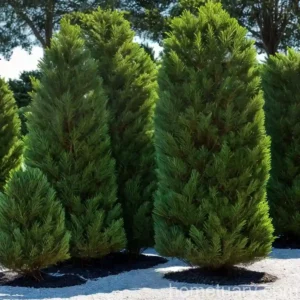
Chinese Juniper (Juniperus chinensis ‘Variegated Kaizuka’)
Plant scientists, horticulturists, and gardening enthusiasts alike admire the Chinese juniper for its elegant beauty, versatility, and resilience. One specific cultivar of the Chinese juniper that has been gaining popularity is the ‘Variegated Kaizuka’. In this comprehensive guide, we will explore the intricate details of the Chinese juniper (Juniperus chinensis ‘Variegated Kaizuka’), covering its culture, uses, care requirements, common diseases, pests, and much more. Whether you are a seasoned gardener or a novice plant enthusiast, this article will equip you with valuable insights into this spectacular plant.
What is the Chinese Juniper (Juniperus chinensis ‘Variegated Kaizuka’)?
The Chinese juniper, scientifically known as Juniperus chinensis, is a species of juniper native to East Asia, specifically in China, Mongolia, Japan, and Korea. It is a member of the cypress family (Cupressaceae) and is cherished for its ornamental value and adaptable nature. The ‘Variegated Kaizuka’ is a captivating cultivar of the Chinese juniper, celebrated for its unique variegated foliage and graceful habit.
Key Takeaways – Chinese Juniper (Juniperus chinensis ‘Variegated Kaizuka’)
Before we delve into the detailed aspects of the Chinese juniper, let’s highlight some key takeaways that will form the foundation of our discussion:
- Plant Name: Chinese Juniper (Juniperus chinensis ‘Variegated Kaizuka’)
- Common Names: Variegated Kaizuka Juniper
- Family: Cupressaceae
- Genus: Juniperus
- Species: Juniperus chinensis
- Cultivar: ‘Variegated Kaizuka’
- Type: Evergreen shrub or small tree
- Notable Feature: Variegated foliage (green and cream-colored)
- Growth Habit: Upright, columnar form
- Hardiness Zones: 4-9
- Mature Height: 10-15 feet
- Mature Spread: 3-4 feet
Now that we have a snapshot of the Chinese juniper (Juniperus chinensis ‘Variegated Kaizuka’), let’s explore its intricate details, including culture, uses, care requirements, common diseases, and much more.
Culture of Chinese Juniper (Juniperus chinensis ‘Variegated Kaizuka’)
Understanding the cultural requirements of the Chinese juniper is vital for its successful growth and maintenance. From its preferred climate to its growth habits, let’s unravel the cultural aspects of this captivating plant.
Water
The Chinese juniper (Juniperus chinensis ‘Variegated Kaizuka’) is renowned for its exceptional drought tolerance once established. However, during its initial establishment period, proper watering is crucial to encourage healthy root development and overall growth. It is important to provide regular watering, especially during periods of prolonged drought or extreme heat. However, it is equally important to ensure that the soil has good drainage to prevent waterlogged conditions, which can be detrimental to the plant’s health.
Sunlight
The ‘Variegated Kaizuka’ juniper thrives in full sun to partial shade. It exhibits the best growth and foliage coloration when exposed to ample sunlight. When considering its placement in your landscape, it is advisable to choose a location that receives at least 6-8 hours of direct sunlight.
Soil
Chinese junipers, including the ‘Variegated Kaizuka’ cultivar, are adaptable to various soil types, provided that the soil is well-draining. They can tolerate sandy, loamy, or rocky soils and are even moderately tolerant of dry, poor-quality soils. However, for optimal growth, it is recommended to plant them in well-draining soil with a slightly acidic to neutral pH.
Fertilizer
The Chinese juniper generally has low to moderate fertility requirements. A balanced, slow-release fertilizer applied in early spring can provide the necessary nutrients for healthy growth. It is imperative to follow the recommended application rates to avoid over-fertilization, which can lead to adverse effects on the plant’s health.
Uses of Chinese Juniper (Juniperus chinensis ‘Variegated Kaizuka’)
The ‘Variegated Kaizuka’ juniper offers a myriad of practical and aesthetic uses in landscaping and garden designs. Its distinctive attributes make it a versatile and sought-after plant for various applications.
Landscaping
One of the primary uses of the Chinese juniper is in landscaping, where it can be employed in a multitude of ways, including:
- Privacy Screening: Due to its upright growth habit and dense foliage, the ‘Variegated Kaizuka’ juniper serves as an excellent natural screen or hedge, providing privacy and defining boundaries in outdoor spaces.
- Accent Plant: Its striking variegated foliage and elegant form make it an ideal choice for accentuating specific areas in the landscape or garden.
- Foundation Planting: It can be used to beautify the perimeter of buildings and homes, adding a touch of greenery and visual interest to the architectural structure.
Container Planting
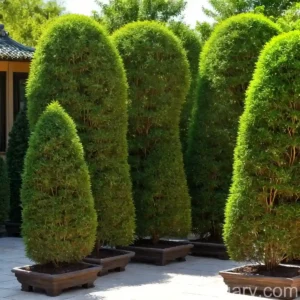
The Chinese juniper, including the ‘Variegated Kaizuka’ variety, is well-suited for container planting, offering opportunities for patio, balcony, or courtyard beautification. Its compact size and attractive foliage make it an appealing choice for container gardens and urban landscapes.
Erosion Control
Given its tolerance for harsh growing conditions, such as poor soil and minimal water availability, the Chinese juniper can be utilized for erosion control on slopes and embankments, helping to stabilize the soil and prevent erosion.
Wildlife Habitat
The dense foliage of the ‘Variegated Kaizuka’ provides nesting sites and cover for various small birds and wildlife, contributing to biodiversity and ecological balance in the garden or naturalized areas.
Pruning Chinese Juniper (Juniperus chinensis ‘Variegated Kaizuka’)
Proper pruning is an essential aspect of juniper care, including the ‘Variegated Kaizuka’ variety. Pruning provides an opportunity to shape the plant, manage its size, and rejuvenate its growth for a neat and healthy appearance. Here are some vital pruning tips for the Chinese juniper:
- Timing: The ideal time to prune the ‘Variegated Kaizuka’ juniper is during the early spring before the new growth emerges. Avoid pruning during the fall to prevent potential damage from frost or extreme weather conditions.
- Tools: Use sharp, clean pruning shears or hedge trimmers to make precise and clean cuts, minimizing the risk of damage and disease transmission.
- Technique: When pruning, focus on selectively removing dead, damaged, or overgrown branches while maintaining the plant’s natural form and aesthetic appeal. Avoid excessive pruning, as junipers are known for their slow growth and may not respond well to drastic pruning.
Propagation of Chinese Juniper (Juniperus chinensis ‘Variegated Kaizuka’)
For those interested in propagating the ‘Variegated Kaizuka’ juniper, several methods can be employed to successfully propagate new plants. These methods include:
- Seed Propagation: Propagating from seeds involves collecting ripe juniper berries and germinating them in a suitable growing medium. However, it is important to note that seed-grown plants may exhibit variations in characteristics compared to the parent plant.
- Cutting Propagation: Propagating from semi-hardwood cuttings is a popular method for reproducing the desirable traits of the parent plant. Semi-hardwood cuttings taken from healthy, disease-free branches can be rooted in a well-prepared propagation medium, such as a mix of perlite and peat moss, under controlled humidity and temperature conditions.
- Grafting: Grafting is another viable propagation method that allows for precise replication of the desired characteristics of the ‘Variegated Kaizuka’ juniper. It involves joining a scion (desired plant variety) onto a compatible rootstock to form a union, resulting in a new plant with the desired traits.
Container Gardening with Chinese Juniper (Juniperus chinensis ‘Variegated Kaizuka’)
The ‘Variegated Kaizuka’ juniper is an excellent candidate for container gardening, offering a range of opportunities for creative and space-efficient garden designs. When cultivating this juniper in containers, consider the following essential factors:
- Container Size: Choose a sufficiently sized container that accommodates the plant’s root system and allows for adequate root development. Ensure that the container has drainage holes to prevent waterlogging.
- Growing Medium: Use a well-draining potting mix with a blend of peat moss, perlite, and compost to provide an optimal growing environment for the juniper.
- Watering: Container-grown junipers may require more frequent watering than those planted in the ground, as containers can dry out more rapidly. Monitor soil moisture regularly and water when the top inch of the soil feels dry to the touch.
- Placement: Position the container in a location that receives ample sunlight, as the ‘Variegated Kaizuka’ juniper thrives in full to partial sun conditions. Additionally, consider the plant’s mature size and growth habit when deciding on its placement in the landscape.
Popularity of Chinese Juniper (Juniperus chinensis ‘Variegated Kaizuka’)
The ‘Variegated Kaizuka’ juniper has been steadily gaining popularity among gardeners, landscapers, and horticultural enthusiasts due to its remarkable attributes and versatile uses. Its compact size, graceful form, and striking variegated foliage contribute to its appeal as a sought-after plant for diverse landscape applications. As more gardeners and homeowners seek low-maintenance, visually captivating plants for their outdoor spaces, the ‘Variegated Kaizuka’ juniper has emerged as an attractive choice, reinforcing the rising popularity of Chinese juniper varieties as a whole.
Common Diseases of Chinese Juniper (Juniperus chinensis ‘Variegated Kaizuka’)
While the Chinese juniper is generally recognized for its resilience and durability, it is susceptible to certain diseases that can impact its health and vitality. Recognizing the signs of these diseases and implementing appropriate management strategies is essential for preserving the vigor of the ‘Variegated Kaizuka’ and other juniper cultivars.
Disease Diagnosis
Some common diseases that can affect Chinese junipers, including the ‘Variegated Kaizuka’ variety, include:
- Phomopsis Blight: This fungal disease often manifests as dieback of branches, browning of foliage, and cankers on the stems. Proper sanitation and removal of affected plant parts are important for managing Phomopsis blight.
- Cedar Apple Rust: This disease may present as orange spore-producing galls on the juniper branches, leading to defoliation and overall decline. Managing the alternate hosts, such as apple or cedar trees, is crucial in controlling cedar apple rust.
- Root Rot: Excessive moisture and poorly draining soil can contribute to root rot in Chinese junipers. Preventing waterlogged conditions and improving soil drainage can help mitigate the risk of root rot.
Disease Prevention
Implementing preventative measures is essential for reducing the incidence and impact of diseases on the ‘Variegated Kaizuka’ and other Chinese juniper varieties. Here are some key strategies for disease prevention:
- Promote Good Air Circulation: Ensure proper spacing between plants to facilitate air circulation and minimize humidity around the foliage, reducing the risk of fungal diseases.
- Prune Wisely: Regular pruning to remove dead or diseased branches can help maintain the overall health and vigor of the juniper, reducing the likelihood of disease spread.
- Monitor Moisture Levels: Avoid overwatering and ensure proper soil drainage to prevent waterlogged conditions, which can predispose the plant to root diseases.
Common Pests Affecting Chinese Juniper (Juniperus chinensis ‘Variegated Kaizuka’)
In addition to diseases, Chinese junipers, including the ‘Variegated Kaizuka’ cultivar, may be susceptible to certain pests that can cause damage to the plant. Being vigilant and proactive in pest management is essential for safeguarding the juniper’s health and appearance.
Pest Identification
Some common pests that may affect Chinese junipers include:
- Spider Mites: These tiny arachnids can cause stippling and discoloration of the foliage, affecting the overall vigor of the juniper. Regular monitoring and, if necessary, the application of horticultural oils or insecticidal soaps can help manage spider mite infestations.
- Juniper Scale: Scale insects can infest the foliage and stems of junipers, leading to yellowing and weakening of the plant. Implementing cultural control measures and targeted insecticide applications can help manage scale infestations.
Pest Management
Employing integrated pest management (IPM) practices is crucial for effectively managing pest issues and minimizing the need for chemical treatments. Here are some pest management strategies for Chinese junipers:
- Cultural Practices: Regularly inspect plants for signs of pest infestations and promptly address any issues to prevent population build-up.
- Biological Control: Encourage natural predators and beneficial insects, such as ladybugs and lacewings, which feed on common juniper pests, contributing to natural pest control.
- Selective Treatment: If chemical intervention is necessary, consider using targeted insecticides or insecticidal soaps that are effective against specific pests while minimizing impact on non-target organisms.
Botanist’s Tips for Chinese Juniper (Juniperus chinensis ‘Variegated Kaizuka’)
As we conclude our exploration of the Chinese juniper (Juniperus chinensis ‘Variegated Kaizuka’), here are some expert tips and recommendations for successfully cultivating and caring for this captivating plant:
- Site Selection: Choose a well-drained location with ample sunlight for optimal growth and vigor of the Chinese juniper.
- Planting Technique: When planting, ensure that the root ball is planted at the same level as the surrounding soil and avoid burying the foliage to prevent potential rot and disease.
- Mulching: Apply a layer of organic mulch around the base of the juniper to conserve soil moisture, suppress weed growth, and insulate the roots during temperature fluctuations.
- Regular Monitoring: Keep a watchful eye on the plant for any signs of disease, pest infestation, or stress, and take proactive measures to address any issues promptly.
- Cultivar Selection: Consider the specific characteristics and growth habits of the ‘Variegated Kaizuka’ juniper to determine its suitability for your particular landscape or garden design.
Fun Facts About Chinese Juniper (Juniperus chinensis ‘Variegated Kaizuka’)
Let’s wrap up our comprehensive guide with some intriguing and lesser-known facts about the Chinese juniper and its ‘Variegated Kaizuka’ cultivar:
- The variegated foliage of the ‘Variegated Kaizuka’ juniper showcases a mesmerizing blend of green and cream-colored tones, adding visual interest to the landscape.
- The term “Variegated” in the cultivar name refers to the unique foliage pattern characterized by contrasting colors, creating a striking display.
- Chinese junipers, including the ‘Variegated Kaizuka’ variety, are known for their adaptability to diverse environmental conditions, making them valuable assets in challenging growing situations.
Links to External Resources
For further information on the Chinese juniper (Juniperus chinensis ‘Variegated Kaizuka’), propagation techniques, or disease management, explore the following external resources:
- American Conifer Society – A comprehensive source of information on conifers, including Chinese junipers and their cultivars.
- University Extension Websites – Check your local university extension websites for region-specific guidance on growing junipers.
- Royal Horticultural Society (RHS) – Explore detailed plant profiles and care advice for various juniper species and cultivars.
In conclusion, the Chinese juniper, particularly the ‘Variegated Kaizuka’ variety, exemplifies the remarkable beauty and adaptability of juniper species. From its striking variegated foliage to its versatile uses in landscaping, this captivating plant continues to captivate gardening enthusiasts and landscapers worldwide. By understanding its cultural requirements, common uses, disease and pest management strategies, and propagation techniques, you can cultivate and appreciate the allure of the Chinese juniper (Juniperus chinensis ‘Variegated Kaizuka’) in your outdoor spaces. Whether you seek a privacy screen, an accent plant, or a low-maintenance ornamental gem, the ‘Variegated Kaizuka’ juniper stands as a testament to the enduring appeal of this beloved species, making a lasting impression in any landscape.