Chinese Juniper (Juniperus chinensis ‘Fairview’)

Chinese juniper (Juniperus chinensis ‘Fairview’) is a beloved evergreen plant that is cherished for its varied uses in the landscape, its beautiful foliage, and its ability to thrive in diverse environmental conditions. In this comprehensive guide, we will explore the various aspects of this stunning plant, from its cultural requirements to its propagation and common diseases. Whether you are an experienced gardener or a novice, this blog post will provide you with valuable information to help you cultivate and care for Chinese juniper in your garden.
What is a Plant?
Plants are living organisms belonging to the kingdom Plantae. They are multicellular, eukaryotic organisms that carry out photosynthesis, have cell walls made of cellulose, and typically have a life cycle that includes alternation of generations. Plants are essential for life on Earth as they produce oxygen, provide food, and serve as habitats for numerous other organisms.
What is Chinese Juniper (Juniperus chinensis ‘Fairview’)?
Chinese juniper, scientifically known as Juniperus chinensis ‘Fairview’, is a cultivar of Juniperus chinensis, a species native to Asia. It is a versatile evergreen plant known for its hardiness and adaptability. ‘Fairview’ is a popular variety that exhibits several distinctive features, making it a favorite among gardeners and landscapers.
Below, we will delve into the various aspects of Chinese juniper, including its cultural requirements, uses, maintenance, and common pests and diseases.
Key Takeaways – Chinese Juniper (Juniperus chinensis ‘Fairview’)
Culture
- Hardiness: USDA zones 4-9
- Mature Height and Spread: 3-4 feet tall, 6-8 feet wide
- Growth Rate: Moderate
- Landscape Use: Groundcover, specimen plant, erosion control, mass planting
Uses
- Landscape: ‘Fairview’ is widely used in landscaping for its evergreen foliage, which adds color and texture to the garden throughout the year.
- Erosion Control: Due to its spreading habit, it is effective in preventing soil erosion on slopes and banks.
- Groundcover: The low-growing, spreading habit makes it an excellent groundcover in both residential and commercial landscapes.
Water
- Watering: Regular watering is essential during the establishment phase, but once established, Chinese juniper is notably drought-tolerant.
- Soil Moisture: Well-draining soil is crucial, and the plant should not be allowed to sit in waterlogged conditions.
Sunlight
- Light: ‘Fairview’ thrives in full sun to partial shade. It prefers at least 6 hours of direct sunlight each day for optimal growth.
Fertilizer
- Fertilization: Minimal fertilization is generally sufficient for Chinese juniper. A balanced, slow-release fertilizer can be applied in spring.
Soil
- Soil Type: Well-draining, sandy or loamy soil is ideal. It tolerates a wide range of soil pH levels but prefers slightly acidic to slightly alkaline conditions.
Pruning
- Pruning: Prune selectively to maintain the desired shape and size. Avoid cutting into old wood as it may not regenerate foliage.
Propagation
- Propagation: ‘Fairview’ can be propagated from stem cuttings, but it can also be propagated from seeds with proper stratification.
Container Popularity
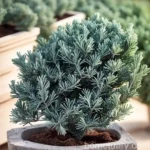
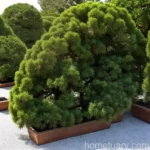
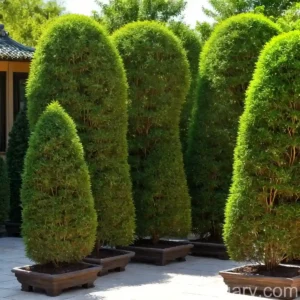
- Container-Grown: ‘Fairview’ is well-suited for container gardening due to its slow to moderate growth habit and adaptability.
Container Common Diseases
- Disease Susceptibility: Root rot and other soil-borne diseases can affect Chinese juniper when grown in containers. Proper soil drainage and watering practices are critical in preventing these diseases.
Disease Diagnosis
- Signs of Disease: Yellowing or browning of foliage, wilting, and stunted growth can indicate disease or pest issues. Regular inspections are crucial to identify and address problems promptly.
Common Pests
- Pest Control: Aphids, spider mites, and certain scale insects may infest Chinese juniper. Regular monitoring and the use of horticultural oils or insecticidal soaps can help manage pest populations.
Botanist’s Tips
- Growing Tips: Provide well-draining soil, adequate sunlight, and minimal fertilizer to encourage healthy growth and reduce susceptibility to pests and diseases.
- Maintenance: Regular pruning and monitoring for pests and diseases are key to maintaining the plant’s vigor and appearance.
Fun Facts
- Chinese juniper has been traditionally used for its aromatic wood and oil, which have been employed in various cultural practices and ceremonies.
- The species Juniperus chinensis has a rich history in traditional Chinese medicine, where it has been utilized for its purported medicinal properties.
Links to External Resources
For additional information on Juniperus chinensis ‘Fairview’ and related topics, you may find the following resources helpful:
- The American Conifer Society
- Missouri Botanical Garden Plant Finder
- Royal Horticultural Society Plant Selector
- The Morton Arboretum Plant Clinic
By incorporating the key takeaways and detailed information provided in this blog post, you can successfully cultivate and maintain Chinese juniper (Juniperus chinensis ‘Fairview’) in your garden or landscape. Whether used as a groundcover, specimen plant, or erosion control measure, this versatile evergreen is sure to enhance the beauty and functionality of any outdoor space. Happy gardening!