Chinese Fountain Grass (Cenchrus Alopecuroides)
As a plant scientist, I am fascinated by the beauty and versatility of Chinese fountain grass (Cenchrus alopecuroides). This ornamental grass is renowned.
As a plant scientist, I am fascinated by the beauty and versatility of Chinese fountain grass (Cenchrus alopecuroides). This ornamental grass is renowned for its graceful, cascading foliage and its adaptability to various growing conditions. In this comprehensive guide, we will delve into every aspect of Chinese fountain grass, from its cultural requirements to its landscape uses, and from maintenance tips to its role in supporting wildlife. Whether you are a gardening enthusiast or a landscape professional, this article will provide you with valuable insights to help you cultivate and appreciate this stunning plant.
What is Chinese Fountain Grass (Cenchrus alopecuroides)?
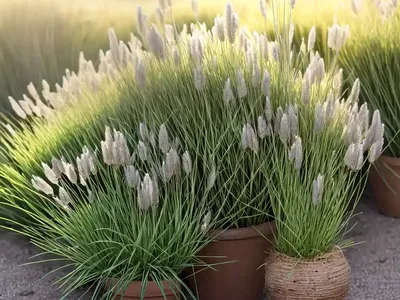
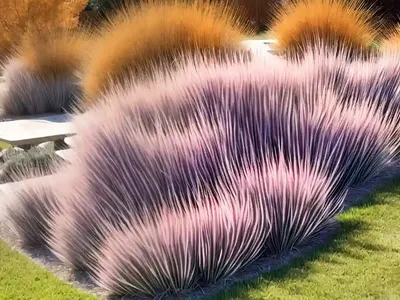
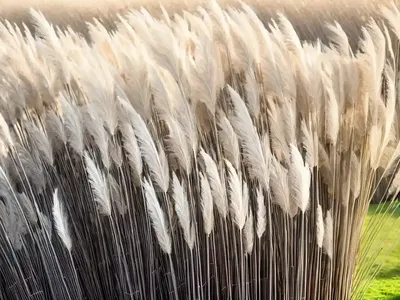
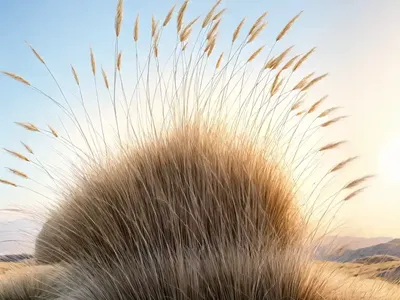
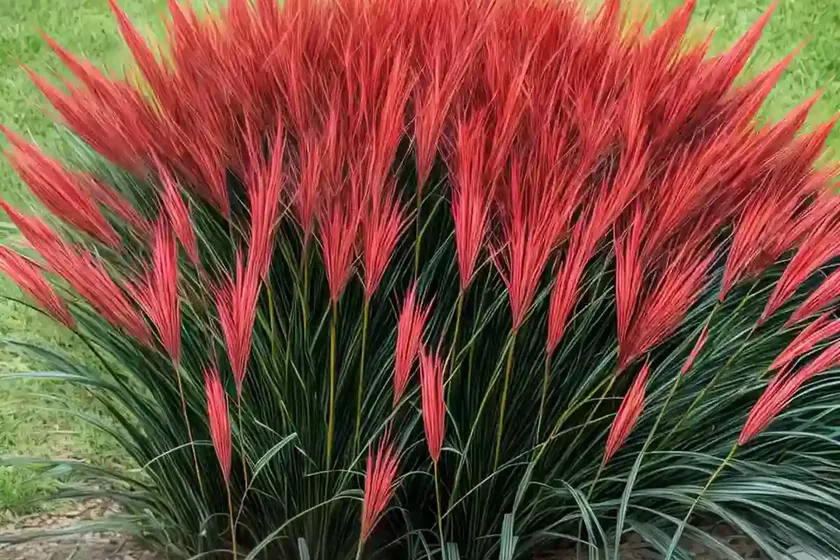
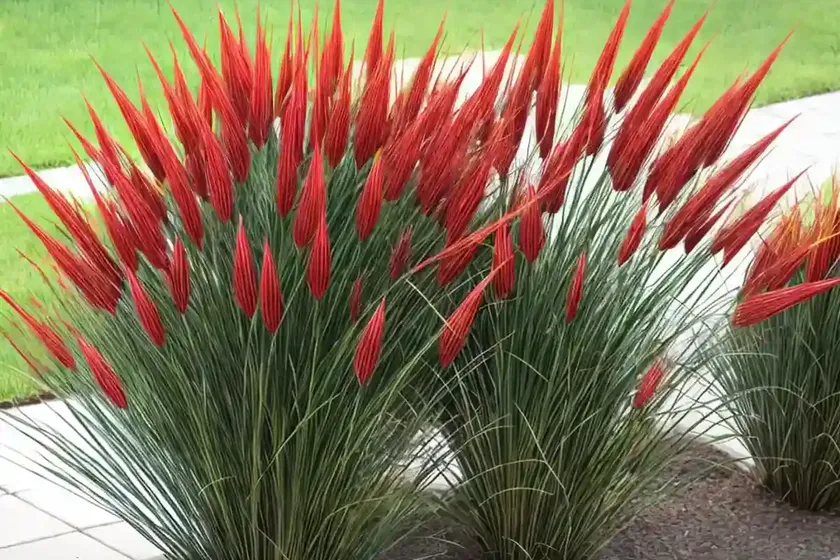
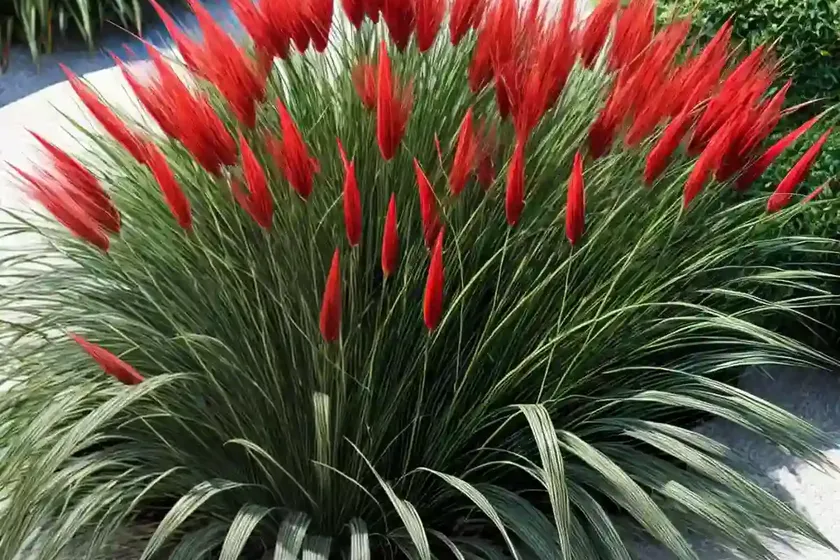
Chinese fountain grass, scientifically known as Cenchrus alopecuroides, is a perennial ornamental grass native to East Asia, including China, Korea, and Japan. The plant belongs to the Poaceae family, and it is esteemed for its elegant, fountain-like appearance, which is created by its arching foliage and the unique inflorescences that emerge in late summer. These inflorescences resemble bottlebrushes and persist throughout the fall and winter, adding visual interest to the landscape.
Key Takeaways – Chinese Fountain Grass (Cenchrus alopecuroides)
Before we delve into the specifics of Chinese fountain grass care and usage, let’s explore the key takeaways related to this beautiful plant:
- Chinese fountain grass (Cenchrus alopecuroides) is prized for its graceful, cascading foliage and distinctive bottlebrush-like inflorescences.
- It is a versatile plant that can be used for various landscape purposes, including erosion control, wildlife gardens, and low-maintenance landscapes.
- Proper care, including appropriate watering, sunlight, and soil conditions, is essential for the successful cultivation of Chinese fountain grass.
- The plant is relatively low-maintenance but may require occasional pruning and division to maintain its vigor and aesthetic appeal.
- Chinese fountain grass is susceptible to certain diseases and pests, so vigilance and timely intervention are critical to ensure its health and longevity.
Now, let’s delve into the details of how to cultivate and enjoy Chinese fountain grass to its fullest potential.
Culture
Culturally, Chinese fountain grass is highly valued for its adaptability and decorative attributes. Whether used as a standalone focal point or as part of a mixed planting scheme, this grass adds a touch of elegance to any outdoor space. It is important to understand its cultural requirements to ensure that it thrives and continues to beautify its surroundings.
Uses
Chinese fountain grass offers a myriad of uses in landscaping, making it a versatile and valuable plant. Some of its primary uses include:
-
Ornamental Appeal: The elegant foliage and unique inflorescences make Chinese fountain grass an excellent choice for ornamental purposes. It adds texture, movement, and visual interest to gardens and landscapes.
-
Wildlife Support: The plant attracts birds and other wildlife, enhancing biodiversity and contributing to the ecological balance of the environment. The seeds of Chinese fountain grass are often consumed by birds, further elevating its ecological significance.
-
Erosion Control: Due to its deep, fibrous root system, Chinese fountain grass is effective in stabilizing soil and preventing erosion, particularly on sloping landscapes.
-
Dried Arrangements: The attractive seed heads of Chinese fountain grass can be dried and used in floral arrangements and crafts, providing long-lasting decorative accents.
-
Privacy Screening: When planted in mass or used as a low barrier, Chinese fountain grass can create privacy screens and delineate spaces within the landscape.
-
Low-Water Landscapes: Chinese fountain grass is well-suited for water-wise or xeriscaped gardens, as it can tolerate periods of drought once established, reducing the demand for irrigation.
Water
Chinese fountain grass exhibits moderate water needs, particularly during its establishment phase. Adequate moisture is essential for its initial growth and development, but once established, the plant demonstrates good drought tolerance. Care should be taken to avoid overwatering, as excessive moisture can lead to root rot and other issues.
Sunlight
In terms of sunlight requirements, Chinese fountain grass thrives in full sun to partial shade. It prefers at least 6-8 hours of direct sunlight per day to achieve optimal growth and flowering. In shadier conditions, the plant may become leggy and produce fewer blooms, so it is best suited for sun-drenched locations in the landscape.
Fertilizer
Chinese fountain grass is not a heavy feeder, and excessive fertilization can lead to an overabundance of lush foliage at the expense of flowering. A balanced, slow-release fertilizer applied in spring, as new growth emerges, can provide the necessary nutrients to support healthy development. It is important to follow the recommended dosage and application guidelines to prevent nutrient imbalances and potential damage to the plant.
Soil
When it comes to soil preferences, Chinese fountain grass thrives in well-draining, fertile soil. Loamy or sandy soils with good aeration are ideal for supporting its robust growth. The plant also exhibits a degree of tolerance to clay soils, provided that they are not waterlogged. Maintaining a slightly acidic to neutral soil pH (6.0-7.5) is conducive to the plant’s overall well-being.
Pruning
Pruning plays a vital role in maintaining the health and aesthetic appeal of Chinese fountain grass. As the growing season progresses, the foliage and inflorescences may become spent and disheveled. Regular pruning helps to rejuvenate the plant and encourage fresh growth. Here are some key pruning guidelines:
-
Spring Pruning: In late winter or early spring, prior to new growth emerging, remove the previous year’s foliage and flower stalks. Cut back the plant to a height of 4-6 inches above ground level to stimulate new shoots and promote a tidy appearance.
-
Seasonal Grooming: Throughout the growing season, periodically remove any old, tattered foliage and spent flower heads to maintain the plant’s visual appeal. This can be done with handheld pruners or by gently combing through the foliage to remove dead material.
-
Division: Every 2-3 years, consider dividing mature Chinese fountain grass clumps to prevent overcrowding and rejuvenate the plant. This can be done in early spring before new growth begins, using a sharp spade to carefully separate the clumps into smaller sections.
Propagation
Chinese fountain grass can be propagated through division or from seed, offering multiple options for expanding your plantings or sharing it with others. Here’s a brief overview of each propagation method:
-
Division: As mentioned earlier, division is a reliable method for propagating Chinese fountain grass. It involves carefully separating the root ball of a mature plant into smaller sections, each containing viable roots and shoots. These divisions can then be replanted in prepared soil to establish new plants.
-
Seed Propagation: Chinese fountain grass produces seeds within its distinct inflorescences. Collect the mature seeds and sow them in seed-starting mix in early spring. Keep the soil consistently moist and provide warmth and bright light for germination. Once the seedlings are large enough to handle, they can be transplanted into individual containers or their designated growing locations.
Container Popularity
Chinese fountain grass is well-suited for container cultivation, making it a popular choice for urban gardens, patios, and balconies. Its compact growth habit and graceful appearance lend themselves well to container arrangements, allowing individuals with limited garden space to enjoy its beauty. When selecting a container for Chinese fountain grass, opt for a sizable, well-draining pot that accommodates the plant’s root system and provides stability. Keep in mind the plant’s mature size and ensure that the container is of sufficient volume to support its growth.
Common Diseases
As with any plant, Chinese fountain grass is susceptible to certain diseases that can impact its health and vigor. Being aware of these potential issues and implementing preventative measures is crucial for maintaining the plant’s well-being. Some common diseases that may affect Chinese fountain grass include:
-
Leaf Spot: Caused by fungal pathogens, leaf spot can result in the formation of dark lesions on the foliage. To mitigate leaf spot, ensure proper air circulation around the plant, avoid overhead watering, and remove and destroy affected foliage.
-
Crown Rot: Excessive soil moisture and poor drainage can lead to crown rot, which manifests as a darkening and softening of the plant’s crown and roots. To prevent crown rot, plant Chinese fountain grass in well-draining soil and avoid overwatering.
-
Powdery Mildew: This fungal disease presents as a powdery, white coating on the foliage, typically in humid conditions. Providing adequate spacing between plants and ensuring good air circulation can help minimize powdery mildew incidence.
Disease Diagnosis
Diagnosing diseases in Chinese fountain grass involves careful observation of the plant’s symptoms and, in some cases, microscopic examination of affected plant tissue. When encountering signs of disease, it is advisable to consult with a plant health specialist or a knowledgeable gardening professional to confirm the diagnosis and receive tailored recommendations for management and treatment.
Common Pests
While Chinese fountain grass is relatively resistant to pest infestations, it may occasionally attract certain insects that can cause damage. Vigilance and early intervention are essential for preventing pest-related issues. Some common pests that may impact Chinese fountain grass include:
-
Aphids: These small, sap-sucking insects can gather on the foliage and stems, causing distortion and yellowing of the plant. Aphids can be dislodged with a strong stream of water or managed with horticultural oils or insecticidal soaps.
-
Spider Mites: These tiny arachnids can create fine webbing on the foliage and cause stippling or discoloration. Increase humidity around the plant and utilize predatory mites or insecticidal soap to control spider mite populations.
-
Cutworms: Cutworm larvae may feed on the base of young Chinese fountain grass plants, leading to wilting and damage. Protect the base of the plants with collars or barriers and handpick cutworms as needed to prevent infestations.
Botanist’s Tips
To assist you in successfully growing and enjoying Chinese fountain grass, I have compiled a set of botanist’s tips based on my expertise and experience:
-
Planting Density: When incorporating Chinese fountain grass into your landscape, consider the plant’s mature dimensions and space multiple specimens accordingly. Adequate spacing allows the plants to achieve their full potential while minimizing competition for resources.
-
Overwintering: In regions with cold winters, Chinese fountain grass may benefit from additional winter protection, such as mulching around the base of the plants to insulate the roots. This can help safeguard the plant against frost damage.
-
Companion Planting: Pair Chinese fountain grass with complementary perennials, shrubs, or annuals to create visually captivating plant combinations. Select plants with contrasting forms, textures, and bloom colors to enhance the overall aesthetic impact of your garden or landscape.
-
Mulching: Applying a layer of organic mulch around the base of Chinese fountain grass can help conserve soil moisture, suppress weed growth, and contribute to a more uniform soil temperature.
Now that we have explored the essential aspects of cultivating and caring for Chinese fountain grass, it’s time to unravel some fun facts about this remarkable plant.
Fun Facts
-
Chinese fountain grass is known for its captivating rustling sound when rustled by the wind, adding an auditory dimension to its ornamental appeal.
-
Cenchrus alopecuroides is commonly referred to as “Chinese fountain grass,” reflecting its eastern Asian origins and association with water features and fountains.
-
The plant’s distinctive inflorescences, resembling bottlebrushes, add a whimsical and picturesque quality to gardens and landscapes.
-
Chinese fountain grass is often utilized in landscaping to evoke a sense of movement and fluidity, thanks to its gracefully arching foliage.
-
This grass is celebrated for its low allergen potential, making it a suitable choice for individuals with sensitivities or allergies to pollen.
Links to External Resources
For further information on Chinese fountain grass care, landscaping ideas, and related topics, I recommend exploring the following resources:
- The Royal Horticultural Society (RHS) – Cenchrus alopecuroides
- University of Florida IFAS Extension – Ornamental Grasses
- Missouri Botanical Garden – Cenchrus alopecuroides
In conclusion, Chinese fountain grass (Cenchrus alopecuroides) stands as a captivating and versatile addition to gardens, landscapes, and container plantings. Its ornamental appeal, coupled with its ecological contributions and low-maintenance nature, makes it a desirable choice for a wide range of outdoor settings. By understanding and adhering to the cultural recommendations outlined in this guide, you can foster the best possible growth and performance of Chinese fountain grass in your outdoor spaces. Whether employed as a stand-alone specimen or as part of a diverse planting scheme, this elegant grass is sure to enrich and enliven the natural beauty of its surroundings.