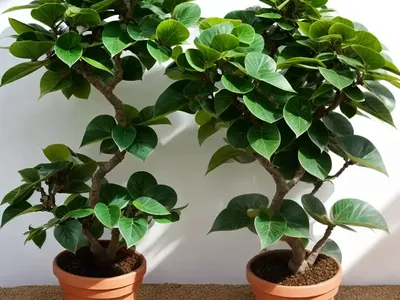
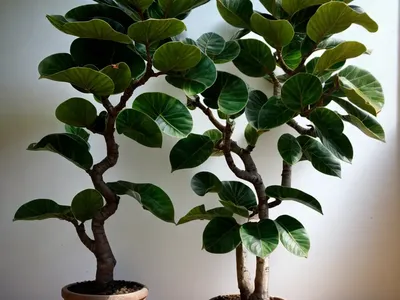
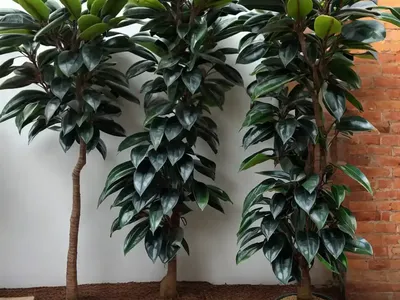
Chinese Banyan (Ficus Microcarpa)
The Chinese banyan (Ficus microcarpa) is a versatile and beloved plant with a rich cultural history. It has captured the fascination of plant enthusiasts.
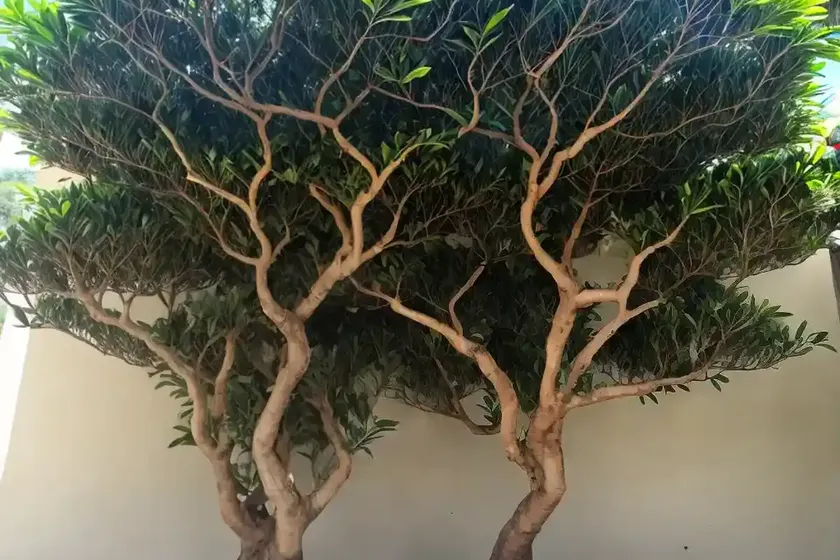

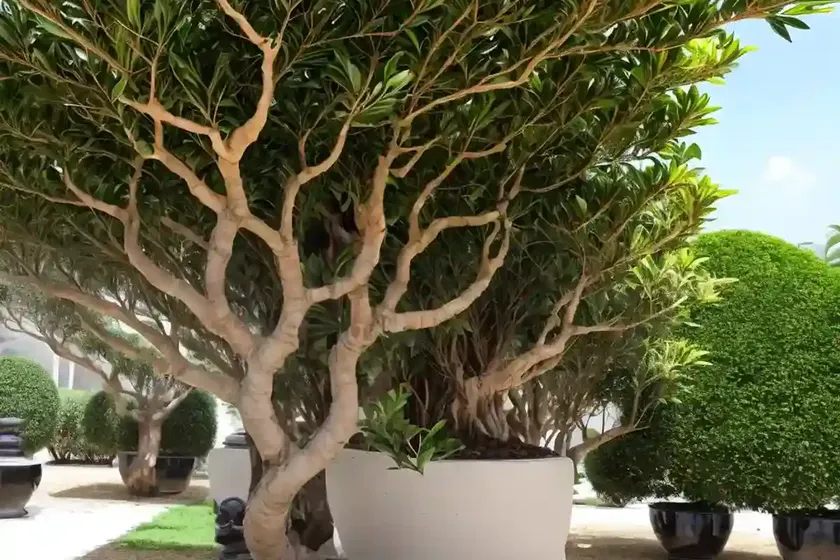
The Chinese banyan (Ficus microcarpa) is a versatile and beloved plant with a rich cultural history. It has captured the fascination of plant enthusiasts and horticulturists worldwide due to its beautiful appearance, adaptability, and numerous cultural and practical uses. In this comprehensive guide, we will delve into every aspect of this remarkable plant, including its culture, uses, maintenance, and interesting facts. Whether you are a seasoned gardener or just beginning your plant journey, there is much to discover about the Chinese banyan.
What is Chinese Banyan (Ficus microcarpa)?
The Chinese banyan, scientifically known as Ficus microcarpa, is an evergreen tree in the family Moraceae. It is native to East Asia, specifically China, Malaysia, Taiwan, and Indochina, and is widely cultivated in other tropical and subtropical regions around the world. This species has a rich cultural significance, often associated with traditional Chinese gardens, bonsai art, and Feng Shui practices. With its dense foliage, ability to thrive in diverse conditions, and unique aerial roots, the Chinese banyan is valued for its ornamental beauty and symbolic importance.
Key Takeaways – Chinese Banyan (Ficus microcarpa)
Before we explore the intricacies of caring for the Chinese banyan, let’s take a look at the key points that will be covered in this guide. Here are the essential aspects of Ficus microcarpa that we will delve into in detail:
- Culture
- Uses
- Water
- Sunlight
- Fertilizer
- Soil
- Pruning
- Propagation
- Container Popularity
- Common Diseases
- Disease Diagnosis
- Common Pests
- Botanist’s Tips
- Fun Facts
- Links to External Resources
Now, let’s embark on a comprehensive exploration of the Chinese banyan, uncovering its cultural significance, maintenance requirements, and much more.
Culture
The Chinese banyan holds a revered place in East Asian cultures, particularly in traditional Chinese gardens and bonsai art. Its significance extends beyond aesthetics, as it is often associated with symbolism, Feng Shui principles, and traditional medicinal uses. The intricate aerial roots of the Ficus microcarpa have a visually captivating appeal, evoking a sense of grace and strength. Moreover, the plant’s ability to adapt to urban environments has made it a popular choice for landscaping and ornamental purposes.
Uses
The uses of Chinese banyan are diverse and multifaceted, ranging from decorative and symbolic to practical and ecological. Whether utilized in urban landscaping, as a focal point in traditional gardens, or as a potted bonsai specimen, the plant offers a wide array of applications. Additionally, the species’ air purifying properties and potential for carbon sequestration make it an environmentally beneficial addition to indoor and outdoor spaces.
Water
Proper watering is essential for the health and vitality of the Chinese banyan. Understanding its water needs and mastering the art of watering are crucial for fostering robust growth and preventing stress-related issues. With the right watering regimen, you can ensure that the plant thrives and maintains its lush, vibrant foliage.
Sunlight
Sunlight plays a pivotal role in the growth and development of Ficus microcarpa. Finding the optimal balance between light exposure and shade is critical for promoting healthy foliage and preventing light-related stress. By understanding the sunlight requirements of the Chinese banyan, you can create the ideal environment for its flourishing growth.
Fertilizer
The judicious application of fertilizer is vital for enhancing the Chinese banyan’s growth and overall vigor. Feeding the plant with the appropriate nutrients at the right time can significantly impact its foliage density, root development, and resistance to pests and diseases. Uncover the best fertilization practices to optimize the health and beauty of the Ficus microcarpa.
Soil
The choice of soil directly influences the well-being of the Chinese banyan. Understanding the soil preferences and requirements of Ficus microcarpa is essential for creating an optimal growing medium. By providing the right soil conditions, you can ensure that the plant’s roots receive the necessary support and nutrients for prolific growth.
Pruning
Pruning is a fundamental aspect of Chinese banyan care, enabling you to shape and maintain the plant’s aesthetic appeal and overall health. Mastering the art of pruning Ficus microcarpa involves understanding its growth patterns, identifying the right pruning techniques, and ensuring proper timing for pruning activities. Discover the key principles of pruning this versatile plant to unleash its full ornamental potential.
Propagation
Exploring the propagation methods of Chinese banyan offers the opportunity to expand your plant collection and share the beauty of Ficus microcarpa with others. Whether through seeds, cuttings, or air-layering, propagating the Chinese banyan requires careful attention to detail and a grasp of the plant’s reproductive biology. Uncover the best practices for successfully propagating Ficus microcarpa and nurturing new generations of this iconic species.
Container Popularity
The Chinese banyan’s adaptability to container cultivation has made it a sought-after choice for indoor and outdoor potted displays. Understanding the unique considerations of container gardening for Ficus microcarpa is key to maintaining its health and visual appeal. Whether as a bonsai specimen, an ornamental houseplant, or a stylish container tree, the Chinese banyan offers a captivating presence in a variety of settings.
Common Diseases
Preventing and managing diseases is crucial for safeguarding the Chinese banyan’s well-being. From fungal infections to bacterial diseases, understanding the signs and symptoms of common plant ailments is essential for timely intervention and effective treatment. Learn about the prevalent diseases that can affect Ficus microcarpa and the best strategies for maintaining its disease resistance.
Disease Diagnosis
Accurately diagnosing plant diseases is a skill that every plant enthusiast should develop. By recognizing the symptoms and identifying potential causes, you can take proactive measures to protect the health of your Chinese banyan. Acquire the knowledge and tools to diagnose diseases in Ficus microcarpa, empowering you to provide the necessary care and create a resilient growing environment.
Common Pests
Pests pose a persistent threat to the Chinese banyan’s vitality, potentially causing damage to its foliage, stems, and roots. Understanding the types of pests that may target Ficus microcarpa and implementing integrated pest management strategies are essential for mitigating pest-related risks. Discover the common pests that can afflict the Chinese banyan and effective measures for pest control and prevention.
Botanist’s Tips
Drawing on expert insights and practical wisdom, embracing the botanist’s tips for caring for the Chinese banyan can elevate your gardening experience. From advanced cultivation techniques to troubleshooting common challenges, incorporating the expertise of experienced botanists can enhance your ability to nurture healthy and thriving Ficus microcarpa specimens.
Fun Facts
Unveiling the captivating characteristics and historical significance of the Chinese banyan offers a glimpse into the rich tapestry of this iconic plant. Delight in discovering fun facts about Ficus microcarpa, from its cultural symbolism to its ecological contributions. By exploring its multifaceted appeal, you can deepen your appreciation for the Chinese banyan.
Links to External Resources
For further exploration and enriched learning, we have compiled a selection of external resources that offer valuable insights into Ficus microcarpa. These resources provide a wealth of information, ranging from cultural references and historical significance to practical care tips and horticultural guidance. Expand your knowledge and appreciation for the Chinese banyan through these carefully curated external references.
Now that we have laid the foundation for our exploration of the Chinese banyan, let’s delve into each aspect in detail, uncovering the intricacies of caring for Ficus microcarpa and appreciating its cultural and ecological significance.
Note: The content following this point will cover the detailed information for each section.
Culture
The culture of the Chinese banyan (Ficus microcarpa) is deeply rooted in traditional Chinese gardens, where it is revered for its symbolic and ornamental significance. The species’ association with balance and harmony has made it a prominent feature in garden design, often integrated into serene landscapes that reflect the principles of Chinese philosophy. Additionally, the Chinese banyan has a distinguished place in bonsai art, where its adaptable nature and striking aerial roots make it a favorite among bonsai enthusiasts. The plant’s rich culture extends beyond horticulture, as it is also valued for its traditional medicinal applications in East Asian herbal practices.
Traditional Chinese Gardens
In traditional Chinese gardens, the Chinese banyan holds a revered status, often featured as a focal point of natural beauty and symbolic representation. Its prominent place in the garden setting is a reflection of the Chinese philosophy of balance, where the interplay of elements such as rock, water, and plants creates a harmonious and tranquil environment. Ficus microcarpa’s elegant canopy and sprawling aerial roots contribute to the artistic and spiritual ambiance of the garden, offering a connection to the natural world and the cyclical rhythms of life.
Bonsai Art
The adaptability and aesthetic appeal of the Chinese banyan have made it a cherished subject in bonsai art, both in its natural form and as intricate, miniature representations. Ficus microcarpa’s capacity to develop graceful trunks, fine branching, and captivating aerial roots lends itself perfectly to the art of bonsai cultivation. Bonsai enthusiasts value the Chinese banyan for its resilience and responsiveness to various pruning techniques, allowing for the creation of captivating bonsai specimens that embody the beauty and resilience of nature in miniature form.
Feng Shui Symbolism
In the practice of Feng Shui, a system of harmonizing the energy flow in living spaces, the Chinese banyan holds symbolic significance. Known for its air-purifying properties and graceful presence, the plant is believed to embody the qualities of vitality, strength, and balance. Its lush foliage and intricate aerial roots make it a natural choice for incorporating greenery into indoor and outdoor environments, fostering a sense of tranquility and natural energy flow. By integrating the Chinese banyan into living spaces, individuals seek to bring the beneficial qualities of nature into their surroundings, aligning with the principles of Feng Shui.
Traditional Medicinal Uses
Ficus microcarpa has a long history of traditional medicinal uses in East Asian herbal practices. Various parts of the plant, including its leaves, roots, and bark, have been used in traditional herbal remedies for their purported health benefits. From aiding digestion to promoting respiratory wellness, the Chinese banyan has been incorporated into herbal preparations that are valued for their potential medicinal properties. While its traditional medicinal uses have been a subject of historical and cultural interest, it is important to seek professional guidance before using any plant materials for medicinal purposes.
Uses
The versatile uses of the Chinese banyan extend to diverse domains, encompassing ornamental, ecological, and cultural applications. Whether as a prominent feature in urban landscapes, a cherished bonsai specimen, or a symbol of resilience and vitality, Ficus microcarpa serves as a source of inspiration and admiration in various contexts.
Urban Landscaping
The adaptability and aesthetic appeal of the Chinese banyan make it a sought-after choice for urban landscaping. Its tolerance of diverse growing conditions, including pollution, compacted soil, and limited space, enables it to thrive in urban environments. The lush canopy and intricate aerial roots of Ficus microcarpa offer visual interest and contribute to the greening of urban spaces, making it an important component of city beautification efforts.
Bonsai Cultivation
Ficus microcarpa has earned a distinguished place in the world of bonsai, captivating enthusiasts with its natural elegance and suitability for miniature representation. The species’ adaptability to various shaping techniques, including pruning and wiring, allows for the creation of bonsai specimens that encapsulate the beauty and resilience of mature trees in a compact form. The Chinese banyan’s distinctive aerial roots, foliage density, and trunk characteristics make it a favored subject for bonsai cultivation, cherished for its symbolism and aesthetic appeal.
Air Purification
Championed for its air purifying properties, the Chinese banyan contributes to indoor and outdoor air quality improvement. Its ability to absorb and metabolize air pollutants, such as volatile organic compounds (VOCs), and release oxygen makes it a valuable addition to interior spaces, where it can enhance the overall air quality and create a healthier living environment. The plant’s efficient uptake of pollutants underscores its ecological role in mitigating the impact of urban pollution and promoting sustainable living practices.
Carbon Sequestration
Ficus microcarpa plays a role in carbon sequestration, contributing to the reduction of atmospheric carbon dioxide levels. Through the process of photosynthesis, the plant assimilates carbon dioxide from the air and stores it in its tissues, thereby aiding in the mitigation of climate change. The Chinese banyan’s contribution to carbon sequestration highlights its ecological relevance and underscores its potential as a natural ally in the fight against global environmental challenges.
Symbolism of Resilience
The Chinese banyan symbolizes resilience, strength, and adaptability, embodying the enduring qualities of nature. Its ability to thrive in various conditions, withstand environmental stressors, and produce characteristically resilient aerial roots has made it a symbol of fortitude and vitality. By incorporating the Chinese banyan into cultural and philosophical contexts, individuals seek to draw inspiration from its innate resilience and apply its symbolism to personal growth and perseverance.
Water
The water requirements of Ficus microcarpa are essential to its overall health and well-being. Finding the right balance of moisture for the plant’s roots is crucial for preventing water-related stress and promoting robust growth. By understanding the plant’s water needs and adopting appropriate watering practices, you can create an environment that supports the Chinese banyan’s flourishing development.
Water Needs
Ficus microcarpa thrives in moderately moist soil conditions, with the soil surface drying out slightly between watering sessions. While the plant prefers consistent moisture, it is important to avoid waterlogged conditions, as they can lead to root rot and other detrimental effects. Be attentive to the moisture levels of the growing medium and adjust the watering frequency based on environmental factors such as temperature and humidity.
Watering Schedule
Establishing a regular watering schedule is essential for meeting the Chinese banyan’s moisture requirements. During periods of active growth, typically in the spring and summer months, the plant may require more frequent watering to sustain its metabolic processes and foliage development. Similarly, adjust the watering frequency during the plant’s dormant phase, reducing the moisture input to account for reduced growth and metabolic activity.
Watering Techniques
When watering the Chinese banyan, aim to saturate the growing medium thoroughly while allowing excess water to drain away. This ensures that the roots receive adequate moisture and prevents the accumulation of standing water, which can lead to root suffocation and disease. Utilize watering cans, hoses, or irrigation systems that facilitate even and controlled watering, promoting uniform moisture distribution throughout the root zone.
Testing Soil Moisture
Regularly assess the moisture levels in the soil to gauge when the Chinese banyan requires watering. Utilize moisture meters, your fingers, or visual inspection of the soil to determine its moisture content. By developing a keen understanding of the plant’s response to moisture levels, you can refine your watering practices and ensure that the Chinese banyan receives the appropriate amount of water for optimal growth.
Environmental Factors
Consider the environmental factors that influence the plant’s water needs, including temperature, humidity, and air circulation. Higher temperatures and lower humidity levels may necessitate increased watering frequency to compensate for heightened evaporation rates and accelerated moisture loss from the growing medium. Monitor these environmental variables to tailor your watering regimen to the specific conditions in which the Chinese banyan is grown.
Sunlight
Sunlight is a fundamental requirement for the growth and development of the Chinese banyan, influencing its photosynthetic processes and overall vigor. Understanding the plant’s light preferences and providing appropriate exposure to sunlight are pivotal for maintaining healthy foliage and promoting balanced growth.
Sunlight Requirements
Ficus microcarpa thrives in bright, indirect light, with partial shade providing an ideal balance for its light requirements. Avoid exposing the plant to direct, intense sunlight for prolonged periods, as this can lead to leaf scorch and stress. Position the Chinese banyan in locations that receive diffused or filtered light, such as near a north-facing window or under a shade structure outdoors.
Light Intensity
Modulate the intensity of light exposure based on the season and the plant’s growth stage. While the Chinese banyan benefits from bright light, it is important to shield it from the harshest midday sun to prevent excessive heat and light stress. By providing gentle, dappled light or morning and late afternoon sun, you can create an environment that encourages optimal photosynthetic activity and balanced growth.
Photoperiod
The length of daylight exposure influences the Chinese banyan’s growth and physiological processes. Accommodate the plant’s natural photoperiod by ensuring that it receives adequate daylight hours during periods of active growth and reduced exposure during its dormancy. Pay attention to seasonal changes in day length and adjust the plant’s lighting conditions to correspond with natural light rhythms.
Supplemental Lighting
In indoor settings, where natural light may be limited, consider supplementing the Chinese banyan’s lighting with artificial sources. Full-spectrum grow lights or specific horticultural lamps can provide the necessary light spectrum and intensity to support healthy growth. Plan the duration and intensity of supplemental lighting to complement the plant’s natural light requirements and create a balanced photoperiod.
Light-related Stress
Be mindful of signs of light-related stress, such as leaf bleaching, scorched foliage, or stunted growth. These symptoms may indicate excessive light exposure or inadequate lighting, requiring adjustments to the plant’s positioning or the implementation of shading measures. By observing the Chinese banyan’s response to light and making timely interventions, you can prevent light-related issues and promote its overall well-being.
Fertilizer
Applying the appropriate fertilizer is essential for providing the Chinese banyan with the essential nutrients it needs for robust growth and foliage development. By understanding the plant’s fertilization requirements and selecting the right nutrients, you can optimize its health and vitality.
Nutrient Needs
Ficus microcarpa benefits from balanced fertilization, requiring essential macronutrients such as nitrogen, phosphorus, and potassium, as well as secondary nutrients and micronutrients. Select a well-rounded fertilizer formulation that provides a balanced ratio of these nutrients, supporting the plant’s metabolic processes and foliage production. While the Chinese banyan is relatively adaptable to soil conditions, ensuring that it receives sufficient nutrients is important for its long-term health.
Fertilization Frequency
Adopt a regular fertilization schedule during the active growing season, typically from spring through early fall, to meet the Chinese banyan’s heightened nutrient demands. Reduce or suspend fertilization during the plant’s dormancy and adjust the frequency based on its growth rate and the nutrient content of the growing medium. Determining the precise fertilization frequency ensures that the plant receives a steady supply of essential nutrients for sustained growth.
Slow-release Fertilizers
Consider using slow-release or controlled-release fertilizers for Ficus microcarpa, which provide a gradual and sustained release of nutrients over an extended period. These types of fertilizers help maintain consistent nutrient availability in the growing medium, reducing the risk of over-fertilization and minimizing nutrient leaching. Select a high-quality slow-release fertilizer that matches the Chinese banyan’s nutrient requirements and is suitable for