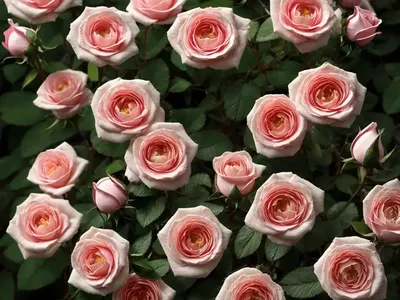
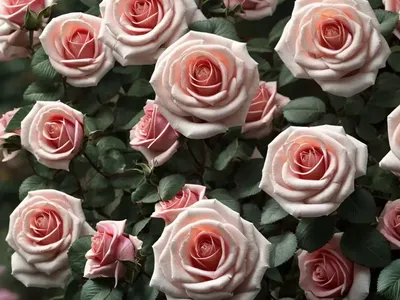
China Rose (Rosa Chinensis)
Plants are an integral part of our planet, essential for the sustainability of life. Not only do they produce oxygen and serve as a food source, but they.
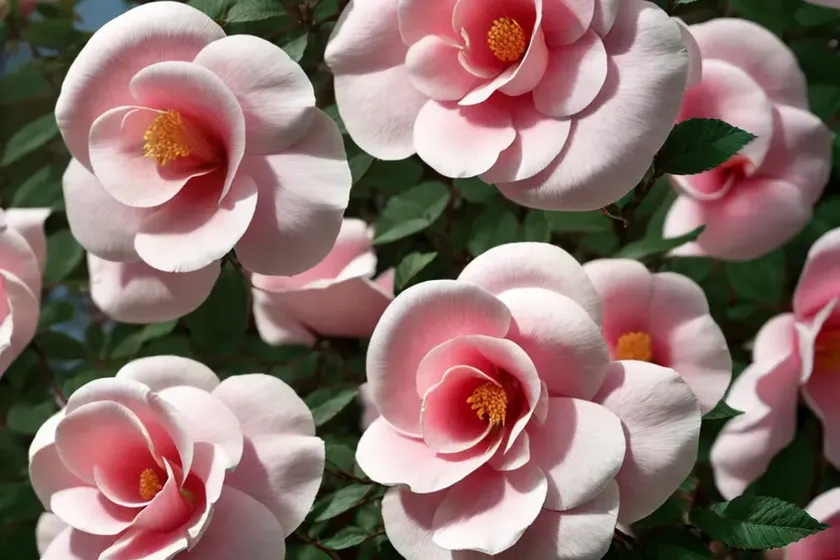
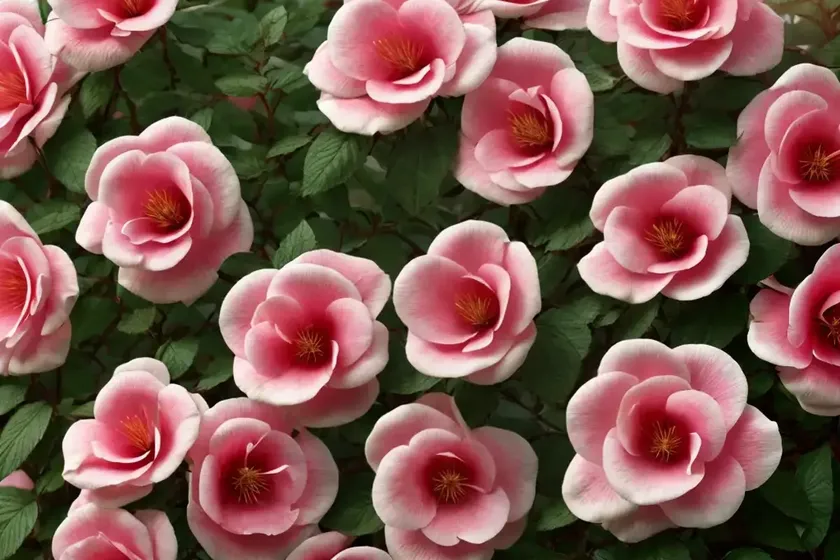
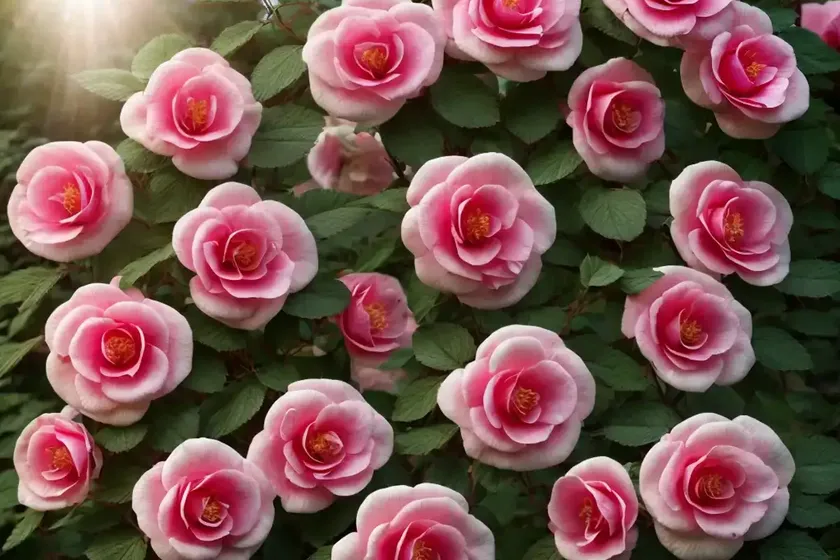
Plants are an integral part of our planet, essential for the sustainability of life. Not only do they produce oxygen and serve as a food source, but they also contribute to the beauty of nature. Among the diverse range of plant species, the China Rose (Rosa chinensis) stands out with its captivating charm and cultural significance.
In this comprehensive guide, we will delve into the various aspects of the China Rose, ranging from its cultural and medicinal uses to its growth requirements and common diseases. We will explore the rich heritage and the fascinating characteristics of this stunning plant. By the end of this article, you will have a profound understanding of the China Rose and the skills to cultivate and care for it effectively.
What is the China Rose (Rosa chinensis)?
The China Rose, scientifically known as Rosa chinensis, is a species of rose native to Southwest China, where it has been cultivated for over a thousand years. This particular species has played a pivotal role in the development of modern hybrid roses, making it a significant plant in the world of horticulture.
The China Rose is a deciduous shrub in the Rosaceae family, characterized by its thorny stems and vibrant, aromatic flowers. It is renowned for its beauty and is often cultivated for ornamental purposes, as well as for its traditional medicinal and cultural significance.
Key Takeaways – China Rose (Rosa chinensis)
Culture
The cultural significance of the China Rose is deeply rooted in Chinese history and traditions. It is revered as a symbol of love, beauty, and prosperity, and is often featured in traditional Chinese art, literature, and folklore.
Uses
The China Rose has a wide range of uses, including ornamental, medicinal, and culinary. Its vibrant flowers make it a popular choice for landscaping and floral arrangements, while its petals and buds are used in traditional Chinese medicine for their therapeutic properties.
Water
Rosa chinensis requires moderate watering, with well-draining soil to prevent waterlogging. Adequate moisture is essential, especially during the growing season and flowering period.
Sunlight
It thrives in full sun, requiring at least 6 hours of direct sunlight daily. However, it can tolerate partial shade, particularly in regions with intense heat.
Fertilizer
Regular feeding with a balanced fertilizer promotes healthy growth and abundant flowering. A slow-release fertilizer or a water-soluble fertilizer applied during the growing season can sustain the plant’s nutritional needs.
Soil
Well-draining, fertile soil with a slightly acidic to neutral pH is ideal for Rosa chinensis. Incorporating organic matter into the soil improves its texture and nutrient content.
Pruning
Pruning is essential for maintaining the shape of the plant, promoting blooming, and removing diseased or damaged branches. Annual pruning during the dormant season is recommended for rejuvenating the plant.
Propagation
Rosa chinensis can be propagated through various methods, including seed sowing, cuttings, and layering. Each method has its advantages and is suitable for different purposes.
Container Popularity
Due to its compact growth habit, the China Rose is well-suited for container gardening, making it a popular choice for balconies, patios, and small gardens.
Container Common Diseases
Plants cultivated in containers are susceptible to certain diseases, including root rot and fungal infections, which can be managed through proper cultural practices and preventive measures.
Disease Diagnosis
Understanding the symptoms and signs of common diseases affecting the China Rose is crucial for timely intervention and effective disease management.
Common Pests
Pests such as aphids, spider mites, and leafhoppers can infest Rosa chinensis, causing damage to the foliage and flowers. Implementing integrated pest management strategies is essential for pest control.
Botanist’s Tips
As a plant scientist, I have gathered valuable insights and tips based on research and practical experience to help you cultivate and care for the China Rose successfully. These tips encompass various aspects, from soil preparation to disease prevention and bloom enhancement.
Fun Facts
Uncover the intriguing facts and historical significance associated with the China Rose, shedding light on its influence on art, culture, and traditional practices. These fun facts add a delightful dimension to the understanding of this remarkable plant.
China Rose (Rosa chinensis) Care Guide
China Rose Benefits
The China Rose (Rosa chinensis) offers a multitude of benefits, ranging from its aesthetic appeal to its medicinal properties and cultural significance. Its benefits extend to both the garden and human well-being, making it a cherished plant with diverse advantages.
Rosa chinensis Varieties
The Rosa chinensis species comprises various cultivars and hybrids, each showcasing unique flower colors, growth habits, and disease resistance. Exploring the different varieties broadens the options for integrating this species into various landscapes.
China Rose Care Tips
Master the essential care tips for cultivating Rosa chinensis, encompassing watering, sunlight, soil preparation, and pest control. These tips are tailored to optimize the plant’s health and blooming potential.
Growing Rosa chinensis
Understanding the growth requirements and habits of Rosa chinensis is instrumental in providing an optimal environment for its development. From ideal growing conditions to maintenance practices, nurturing healthy growth is a rewarding endeavor.
China Rose Plant Characteristics
Delve into the distinctive characteristics of the China Rose, encompassing its foliage, flowers, fragrance, and growth habit. An in-depth understanding of its unique traits enriches the experience of cultivating and appreciating this species.
Rosa chinensis Cultivation
The cultivation of Rosa chinensis involves a comprehensive approach, blending horticultural practices, environmental considerations, and aesthetic preferences. A harmonious cultivation process ensures the plant’s well-being and longevity.
China Rose Pruning Techniques
Pruning is a transformative practice that shapes the growth, flowering, and overall appearance of the China Rose. Mastering the pruning techniques is pivotal for maintaining the plant’s health and vigor.
Rosa chinensis Disease Prevention
Preventing diseases in Rosa chinensis involves adopting proactive measures, such as cultural practices, monitoring, and timely interventions. Disease prevention is crucial for sustaining the plant’s vitality and resilience.
China Rose Watering Needs
Watering is a fundamental aspect of plant care, and understanding the specific watering needs of Rosa chinensis is essential for preventing water stress and promoting healthy growth.
Rosa chinensis Propagation Methods
Exploring the diverse propagation methods for Rosa chinensis offers insights into the optimal approaches for propagating new plants. Each method has its advantages, adapting to specific circumstances and goals.
China Rose Soil Requirements
The soil requirements for Rosa chinensis encompass texture, pH, fertility, and drainage, influencing the plant’s overall health and performance. Creating an ideal soil environment is fundamental for long-term cultivation.
Rosa chinensis Gardening Tips
Gardening with Rosa chinensis encompasses various facets, from design principles to plant combinations and maintenance strategies. Maximizing the plant’s potential in the garden landscape is a creative and enriching pursuit.
China Rose Flower Colors
The diverse range of flower colors in Rosa chinensis includes shades of red, pink, white, and yellow, captivating the beholder with their beauty and vibrancy. Exploring the flower colors adds a delightful dimension to the plant’s ornamental value.
Rosa chinensis Plant Family
The Rosa chinensis species belongs to the Rosaceae family, which encompasses a broad spectrum of plants with diverse characteristics and uses. Understanding its botanical lineage broadens the contextual understanding of this species.
China Rose Medicinal Properties
Uncover the medicinal properties and traditional uses of Rosa chinensis, from its significance in traditional Chinese medicine to its potential therapeutic benefits. The plant’s medicinal properties add a cultural and functional dimension to its allure.
Rosa chinensis Landscape Ideas
Incorporating Rosa chinensis into landscape designs offers a spectrum of creative possibilities, from focal points to mass plantings and mixed borders. Its ornamental value and adaptability enhance the visual appeal of diverse landscapes.
China Rose Fragrance
The fragrance of the China Rose is a sensory delight, encompassing various notes and intensities in different cultivars. Understanding its fragrance adds an olfactory dimension to the appreciation of this captivating species.
Rosa chinensis Insect Control
Effectively managing insect pests in Rosa chinensis involves an integrated and systematic approach, ranging from cultural practices to targeted interventions. Maintaining a healthy balance is pivotal for pest control.
China Rose Plant Nutrients
The nutritional requirements of Rosa chinensis encompass essential macro and micronutrients, influencing its growth, flowering, and overall vitality. Providing balanced nutrition sustains the plant’s health and resilience.
Rosa chinensis Bloom Time
The bloom time of Rosa chinensis varies with cultivars and growing conditions, offering a delightful succession of flowers during the blooming season. Understanding the bloom time enhances the anticipation and enjoyment of the floral display.
China Rose Pollination Process
The pollination process in Rosa chinensis involves intricate interactions between the plant and pollinators, contributing to the formation of seeds and fruit. Understanding pollination enriches the ecological context of this species.
Rosa chinensis Container Gardening
Cultivating Rosa chinensis in containers offers versatility and space-saving options, expanding the potential for integrating this species into various settings. Container gardening with Rosa chinensis is an engaging and rewarding endeavor.
China Rose Companion Plants
Companion planting with Rosa chinensis involves selecting compatible plant species that enhance its growth, aesthetics, and ecological value. Creating harmonious plant communities supports the well-being of all organisms involved.
Rosa chinensis Hybridization
The hybridization of Rosa chinensis has led to the development of diverse cultivars with unique characteristics, enriching the horticultural diversity and adaptability of this species. Exploring hybridization broadens the options for integrating this species into diverse environments.
China Rose Wildlife Attraction
Rosa chinensis attracts a range of wildlife, including pollinators and birds, enriching the ecological dynamics of the surrounding environment. Understanding its role in wildlife attraction broadens the plant’s ecological significance.
Rosa chinensis Frost Tolerance
The frost tolerance of Rosa chinensis varies with cultivars and environmental conditions, necessitating protective measures in regions prone to frost. Mitigating the effects of frost is pivotal for sustaining the plant’s vitality.
China Rose Sunlight Requirements
Sunlight is a vital resource for the growth and flowering of Rosa chinensis, influencing its overall performance and blooming potential. Understanding its sunlight requirements is instrumental for providing an optimal growing environment.
Rosa chinensis Repotting Guidelines
Repotting Rosa chinensis involves a systematic approach to maintain the plant’s health and accommodate its growth. Following repotting guidelines ensures a seamless transition and sustained vitality.
China Rose Foliage Characteristics
The foliage of Rosa chinensis encompasses diverse leaf shapes, colors, and textures, contributing to the plant’s aesthetic appeal and functional value. Exploring its foliage characteristics enriches the overall appreciation of this species.
Rosa chinensis Pruning Frequency
Regular pruning is essential for maintaining the health, shape, and flowering of Rosa chinensis, with specific frequencies tailored to the plant’s growth habit and blooming patterns. Optimizing the pruning frequency sustains the plant’s vigor and aesthetic appeal.
China Rose Growth Habit
Understanding the growth habit of Rosa chinensis encompasses its size, branching patterns, and overall structure, influencing its placement and maintenance in the garden and landscape.
Rosa chinensis Seasonal Care
Seasonal care for Rosa chinensis encompasses tailored practices for each season, addressing specific needs and challenges that arise during different times of the year. Aligning care practices with seasonal dynamics sustains the plant’s health and resilience.
China Rose Garden Design Ideas
Incorporating Rosa chinensis into garden designs offers a wealth of creative possibilities, ranging from formal to informal layouts and thematic arrangements. Integrating its ornamental value and cultural significance enhances the visual and functional appeal of diverse garden settings.
Rosa chinensis Soil pH Preferences
The soil pH preferences of Rosa chinensis influence nutrient availability and uptake, affecting its overall health and performance. Providing an optimal soil pH sustains the plant’s vitality and blooming potential.
China Rose Water Conservation
Water conservation practices for Rosa chinensis contribute to environmental sustainability and efficient resource utilization. Implementing water-wise approaches ensures the plant’s well-being while minimizing water consumption.
Rosa chinensis Flower Arrangements
The vibrant flowers of Rosa chinensis are ideal for creating stunning floral arrangements, adorned in vases, bouquets, and ornamental displays. Exploring flower arrangement ideas enhances the aesthetic and cultural value of this species.
China Rose Traditional Uses
The traditional uses of Rosa chinensis span a diverse range of applications, from ornamental and medicinal to culinary and cultural. Exploring its traditional uses offers insights into the plant’s historical significance and functional versatility.
Rosa chinensis Common Diseases
Understanding the common diseases affecting Rosa chinensis is pivotal for disease prevention and timely intervention, safeguarding the plant’s health and longevity.
China Rose Pest Management
Pest management strategies for Rosa chinensis encompass preventive and responsive measures to control and mitigate pest infestations, sustaining the plant’s vitality and aesthetic appeal.
Rosa chinensis Landscape Design
Landscape design with Rosa chinensis offers an array of creative opportunities, catering to diverse aesthetics, functions, and environmental considerations. Integrating this species into landscape designs enhances the visual and ecological value of outdoor spaces.
China Rose Indoor Cultivation
Indoor cultivation of Rosa chinensis enables year-round enjoyment of its beauty and fragrance, offering versatile options for incorporating this species into interior spaces. Indoor cultivation adds an aesthetic and therapeutic dimension to indoor environments.
Rosa chinensis Garden Pests
Understanding the common garden pests affecting Rosa chinensis is essential for effective pest management and maintenance of plant health.
China Rose Climate Adaptability
Rosa chinensis exhibits varying degrees of adaptability to different climates, necessitating tailored care practices in regions with distinct environmental conditions. Understanding its climate adaptability ensures the plant’s successful cultivation and longevity.
Rosa chinensis Leaf Problems
Leaf problems in Rosa chinensis can arise from various factors, including diseases, pests, and environmental stressors. Identifying and addressing leaf problems is pivotal for sustaining the plant’s vitality and aesthetic appeal.
China Rose Plant Lifespan
The lifespan of Rosa chinensis embodies its longevity and resilience, persisting and enriching landscapes and gardens with its beauty and cultural significance.
Rosa chinensis Fragrance Importance
The fragrance of Rosa chinensis holds cultural, aesthetic, and ecological importance, enriching human experiences and ecological interactions. Understanding its fragrance importance deepens the appreciation of this remarkable species.
China Rose Historical Significance
The historical significance of Rosa chinensis spans centuries, intertwining with diverse cultures, traditions, and artistic expressions. Uncovering its historical significance links the plant to broader cultural and social narratives.
Rosa chinensis Eco-friendly Gardening
Cultivating Rosa chinensis aligns with eco-friendly gardening practices, promoting biodiversity, ecological balance, and sustainable land stewardship. Embracing eco-friendly gardening principles enhances the cultural and environmental value of this species.
China Rose Seasonal Pruning
Seasonal pruning practices for Rosa chinensis ensure the plant’s health, shape, and blooming potential are maintained throughout the year, harmonizing the plant’s growth with seasonal dynamics.
Rosa chinensis Ornamental Value
The ornamental value of Rosa chinensis lies in its vibrant flowers, captivating fragrance, and elegant foliage, enriching landscapes and gardens with its visual and sensory allure.
Conclusion
In conclusion, the China Rose (Rosa chinensis) is a captivating plant with a rich heritage, diverse uses, and captivating characteristics. Its cultural significance, ornamental value, and ecological contributions render it a cherished plant worldwide.
As a plant scientist, my exploration of the China Rose has revealed the intricate dynamics of its care, cultivation, and ecological relevance. From its historical significance to its seasonal care requirements, the China Rose embodies a fascinating blend of cultural, aesthetic, and ecological dimensions.
I trust that this comprehensive guide has enriched your understanding of the China Rose and equipped you with the knowledge and insights to cultivate and care for this remarkable species successfully. Whether you are a gardening enthusiast, a horticulture professional, or a nature lover, the China Rose offers a wealth of experiences and discoveries, bridging culture, nature, and human well-being.
References
-
American Rose Society. “China Roses.” https://www.rose.org
-
Missouri Botanical Garden. “Rosa chinensis.” https://www.missouribotanicalgarden.org
-
Royal Horticultural Society. “Rosa chinensis.” https://www.rhs.org