Chilean-jasmine (Mandevilla Laxa)
Welcome, plant enthusiasts and green thumbs, to an in-depth exploration of the captivating Chilean-jasmine, scientifically known as Mandevilla laxa. Within.
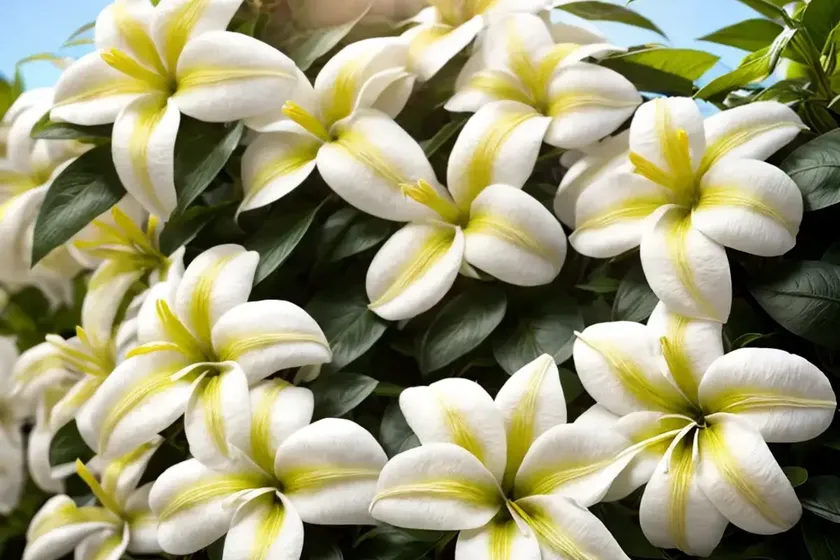
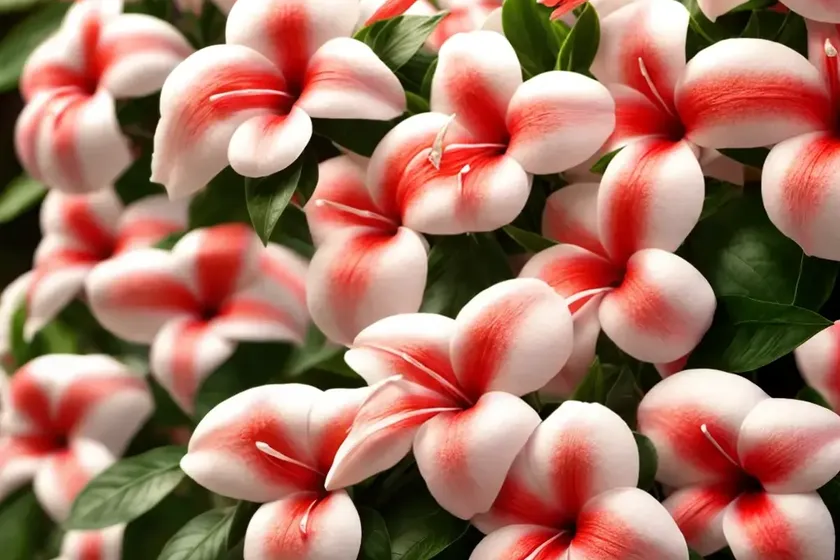
Welcome, plant enthusiasts and green thumbs, to an in-depth exploration of the captivating Chilean-jasmine, scientifically known as Mandevilla laxa. Within this comprehensive guide, we will delve into the cultural significance, horticultural uses, and the art of nurturing this charming vine. As a plant scientist, I am excited to share insights into caring for this splendid species and helping you witness the beauty and vitality of the Chilean-jasmine in all its glory.
What is Chilean-Jasmine (Mandevilla laxa)?
Chilean-jasmine, also known by its scientific name Mandevilla laxa, is a perennial vine native to South America, particularly the Andes region. This evergreen climber belongs to the Apocynaceae family and is recognized for its enchanting, jasmine-like fragrance, which is especially potent in the evening.
The name ‘jasmine’ is derived from the Persian word “yasmin,” meaning a fragrant flower. Although Chilean-jasmine shares its common name with true jasmines (Jasminum spp.), it is not botanically related to them. The resemblance in fragrance, however, has earned the plant its delightful common name.
In the wild, Chilean-jasmine can often be found trailing up trees or draped along rocky cliffs. It flourishes in temperate climates and has been cultivated and cherished for centuries for its ornamental and aromatic qualities.
Key Takeaways – Chilean-Jasmine (Mandevilla laxa)
Before we delve into the intricacies of caring for this charming vine, let’s explore some key takeaways that will guide our understanding of Chilean-jasmine:
- Botanical Name: Mandevilla laxa
- Common Name: Chilean-jasmine
- Plant Type: Evergreen vine
- Native Habitat: Andes region of South America
- Fragrance: Jasmine-like, especially potent in the evening
- Family: Apocynaceae
- Uses: Ornamental, fragrance, wildlife attraction
- Climbing Mechanism: Twining or using tendrils
- Blooming Season: Typically blooms in spring and summer
- Sun Requirements: Prefers full sun to partial shade
- Hardiness Zones: Suitable for zones 8-10
- Special Feature: Attracts bees, butterflies, and birds
Now that we have a broad understanding of what Chilean-jasmine is, let’s delve deeper into the art of caring for this captivating vine.
Culture
Uses
Chilean-jasmine holds significance in various cultural and horticultural contexts, making it a cherished plant for several reasons:
-
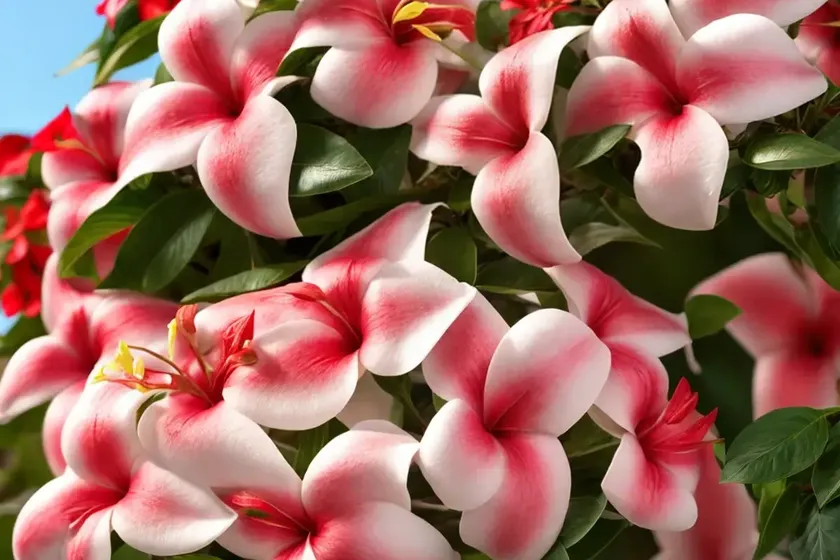
Ornamental Purposes: The vine is predominantly cultivated for its alluring, jasmine-like fragrance and showy, trumpet-shaped flowers. It is a popular choice for adorning trellises, walls, and pergolas, enhancing outdoor spaces with its abundant and aromatic blooms.
-
Wildlife Attraction: The nectar-rich flowers of Chilean-jasmine beckon an array of pollinators, including bees and butterflies. Its role in supporting biodiversity and wildlife makes it a valuable addition to any garden.
-
Aromatherapy: The sweet and heady fragrance emitted by the flowers in the evening has led to the use of Chilean-jasmine in aromatherapy and perfumery. The intoxicating scent makes it a delightful addition to outdoor seating areas and relaxation spaces.
-
Cultural Significance: In its native South America, Chilean-jasmine has historical and cultural significance, often finding a place in traditional folklore and medicinal practices.
Water
Proper watering is crucial for the health and vigor of Chilean-jasmine, ensuring that it thrives and produces an abundance of blooms. Here are some essential watering tips for this enchanting vine:
-
Established Plants: Once established, Chilean-jasmine is moderately drought-tolerant. Water deeply but infrequently, allowing the soil to dry out slightly between watering sessions.
-
Young Plants: Newly planted Chilean-jasmine vines require regular watering to aid in the establishment of their root systems. It is essential to keep the soil consistently moist during the initial growth phase.
-
Container-Grown Vines: Vines cultivated in containers may require more frequent watering, especially during hot and dry weather. It is essential to monitor the moisture levels in the soil and adjust watering frequency accordingly.
-
Soil Moisture: While Chilean-jasmine appreciates moist soil, it is crucial to avoid waterlogging, which can lead to root rot and other complications. Well-draining soil and proper irrigation practices are essential to prevent water-related issues.
Sunlight
Ample sunlight is a key ingredient for the successful cultivation of Chilean-jasmine. Providing the vine with the right amount of sunlight ensures robust growth and an abundant display of fragrant blossoms. Here are some pointers for meeting the sunlight requirements of this captivating species:
-
Full Sun to Partial Shade: Chilean-jasmine thrives in locations with full to partial sun exposure. While it appreciates bright sunlight, it can also adapt to partial shade, making it a versatile option for various garden settings.
-
Morning Sun, Afternoon Shade: In regions with intense summer heat, providing morning sun and afternoon shade can help protect Chilean-jasmine from the harsh midday sun, preventing potential sun damage to the foliage.
-
Indoor Considerations: When cultivating Chilean-jasmine indoors, it is essential to place it near a south-facing window to ensure it receives an adequate amount of sunlight. Supplemental grow lights can be used to augment natural light if needed.
Fertilizer
Feeding Chilean-jasmine with a balanced and appropriate fertilizer promotes healthy growth and an abundance of fragrant blooms. Here are some key considerations when it comes to fertilizing this captivating vine:
-
Slow-Release Fertilizer: Utilizing a slow-release, balanced fertilizer in the spring can provide a steady supply of nutrients to the vine throughout the growing season.
-
Nutrient Requirements: Chilean-jasmine benefits from a fertilizer with a balanced NPK (nitrogen, phosphorus, and potassium) ratio, along with micronutrients. A general-purpose, water-soluble fertilizer can also be used at a diluted strength during the growing season.
-
Frequency of Application: Fertilize the vine once a month during the active growing period, which typically spans from spring to early fall. Cease fertilization in the late fall and winter when the plant is in its dormancy phase.
-
Avoid Overfeeding: While it is essential to provide Chilean-jasmine with the necessary nutrients, overfeeding can lead to excessive foliage growth at the expense of flower production. Following the manufacturer’s instructions and using fertilizers specifically formulated for blooming plants can help maintain a balanced growth pattern.
Soil
Ensuring that Chilean-jasmine is planted in well-draining, nutrient-rich soil sets the stage for successful cultivation. Here are some soil-related tips to keep in mind when caring for this charming vine:
-
Well-Draining Soil: Chilean-jasmine thrives in soil that allows excess water to percolate through, preventing waterlogging and potential root rot. Amending heavy soils with organic matter, such as compost or peat moss, can improve drainage.
-
Acidic to Neutral pH: The vine prefers soil with a slightly acidic to neutral pH range, ideally between 5.5 and 7.0. Conducting a soil pH test can help determine and adjust the acidity levels of the planting site if needed.
-
Container Considerations: When growing Chilean-jasmine in containers, it is essential to use a well-draining potting mix specifically formulated for flowering vines. The presence of perlite or vermiculite in the mix aids in maintaining optimal soil aeration and moisture levels.
Pruning
Pruning plays a pivotal role in shaping the growth, enhancing the appearance, and promoting prolific flowering in Chilean-jasmine. With the right techniques, the vine can be trained to exhibit an attractive and vigorous form. Here are some pointers for effective pruning of this charming species:
-
Timing: Prune Chilean-jasmine in the early spring, just before the start of the growing season. This helps promote fresh growth and an abundance of blossoms during the flowering period.
-
Deadheading Spent Flowers: Removing spent flowers not only maintains the plant’s appearance but also redirects its energy towards producing new blooms.
-
Training and Shaping: As the vine grows, it can be trained to ascend trellises, arbors, or other supportive structures. Careful pruning can help guide its growth and shape, creating a visually appealing display.
-
Trimming Overgrowth: Periodically trimming back excessive growth and unruly branches helps maintain the vine’s form and prevents it from becoming too dense or crowded.
-
Pruning Strategies: Utilize sharp, clean pruning shears to make precise cuts that encourage healthy regrowth. Disinfecting the tools between cuts can prevent the spread of diseases.
Propagation
Propagating Chilean-jasmine allows plant enthusiasts to expand their collection or share this captivating vine with fellow gardening enthusiasts. Here are some common methods for propagating the vine:
-
Softwood Cuttings: Propagate Chilean-jasmine from softwood cuttings taken in the spring or early summer. Choose healthy, non-flowering shoots and root them in a well-draining, moist propagation medium.
-
Hardwood Cuttings: Hardwood cuttings can be taken in the late summer or early fall. Select mature, semi-hardwood stems and root them in a suitable growing medium to establish new plants.
-
Air Layering: Encourage the formation of roots on a mature stem while still attached to the parent plant through air layering. Once roots have developed, the new plant can be severed and potted separately.
-
Division: Dividing mature Chilean-jasmine plants creates new individuals. This method works well for established, multi-stemmed specimens that can be carefully separated and replanted.
Container Popularity
Chilean-jasmine is well-suited for container gardening, offering a versatile and decorative option for balconies, patios, and other outdoor spaces. When cultivated in containers, the vine can be trained to trail elegantly, adding a touch of natural beauty to the environment. Here are some key considerations for growing Chilean-jasmine in containers:
-
Selecting the Right Container: Choose a spacious and sturdy container with adequate drainage holes to accommodate the vine’s root system and support its growth.
-
Potting Mix: Utilize a well-draining potting mix specifically formulated for flowering vines to promote healthy growth and blooming. Adding a layer of gravel at the bottom of the pot can aid in drainage.
-
Support Structure: Provide a trellis or other support structure within the container to allow the vine to climb and trail gracefully. Secure the support to prevent it from toppling over as the vine grows.
-
Watering Considerations: Container-grown Chilean-jasmine may require more frequent watering, especially during hot and dry weather. It is essential to monitor soil moisture levels and adjust the watering regimen as needed.
-
Regular Maintenance: Periodically check the vine’s growth and prune as necessary to maintain its shape and prevent it from overwhelming the container.
Common Diseases
As with any plant, Chilean-jasmine is susceptible to certain diseases that can impact its health and vigor. Recognizing and understanding these common diseases is crucial for implementing effective management strategies. Some prevalent diseases that can affect Chilean-jasmine include:
-
Powdery Mildew: A fungal disease that manifests as a powdery, white substance on the leaves and stems. It thrives in warm, humid conditions and can weaken the plant if left unaddressed.
-
Leaf Spot: Characterized by the presence of dark spots or lesions on the leaves, leaf spot diseases can be caused by various fungi or bacteria. They can lead to defoliation and reduced vitality if not managed promptly.
-
Root Rot: Excessive moisture or poorly draining soil can lead to root rot, causing the plant to wilt, show signs of distress, and experience stunted growth. Preventing waterlogging and ensuring proper soil drainage is key to avoiding this issue.
-
Botrytis Blight: This gray mold disease thrives in damp and cool conditions, causing flower buds, stems, and leaves to become discolored and decayed. Proper air circulation and moisture management are essential for reducing the risk of botrytis blight.
Disease Diagnosis
Diagnosing and addressing diseases promptly is crucial for safeguarding the health of Chilean-jasmine. Here are some key steps to effectively diagnose diseases that may afflict the vine:
-
Thorough Inspection: Regularly inspect the foliage, stems, and overall appearance of the plant for any signs of abnormality, including discoloration, wilting, or the presence of powdery or moldy growth.
-
Symptom Identification: Take note of specific symptoms exhibited by the plant, such as unusual markings on the leaves, distorted growth, or unusual wilting patterns.
-
Research and Consultation: Utilize reputable resources and consult with experienced gardeners or horticulturists to identify potential diseases based on observed symptoms and patterns.
-
Sample Analysis: If necessary, consider sending a sample of the affected plant parts to a diagnostic laboratory for thorough analysis and disease identification.
-
Treatment Implementation: Once the disease is accurately diagnosed, initiate appropriate treatment measures, which may include cultural adjustments, targeted fungicidal applications, or pruning affected plant parts.
Common Pests
Chilean-jasmine, like many plants, can fall prey to various pests that can compromise its health and aesthetics. Understanding the common pests that may target this vine is essential for implementing effective pest management strategies. Some typical pests that may affect Chilean-jasmine include:
-
Aphids: These small, sap-sucking insects can gather on the undersides of leaves, causing distortion and yellowing of foliage. They excrete honeydew, which can lead to the growth of sooty mold.
-
Spider Mites: Tiny pests that often create fine webbing on the undersides of leaves. They feed on plant fluids, resulting in stippling and discoloration of foliage.
-
Scale Insects: Scale insects can latch onto the stems and leaves of Chilean-jasmine, feeding on plant sap and potentially leading to reduced vitality and stunted growth.
-
Mealybugs: These white, cottony pests can cluster on the stems and leaf nodes, depleting the plant’s resources and causing noticeable damage.
Botanist’s Tips
As a plant scientist dedicated to the study and cultivation of diverse plant species, including Chilean-jasmine, I am enthusiastic about sharing some valuable tips for maximizing the health and beauty of this captivating vine. Here are some botanist-approved tips to help you care for Chilean-jasmine:
-
Monitor Soil Moisture: Regularly check the moisture levels of the soil to ensure that it remains consistently moist but well-drained. Avoid overwatering, as it can lead to detrimental consequences for the vine’s health.
-
Prune Strategically: Employ strategic pruning to shape the growth of Chilean-jasmine, promote abundant flowering, and maintain an attractive form. Proper pruning also aids in improving air circulation and reducing disease incidence.
-
Support Climbing Growth: Provide a sturdy and stable support structure, such as a trellis or arbor, to accommodate the climbing nature of Chilean-jasmine. Regularly secure and guide the vine’s growth to maintain an elegant appearance.
-
Regular Inspections: Routinely inspect the plant for signs of pests, diseases, or nutrient deficiencies. Early detection allows for prompt intervention and helps safeguard the plant’s health.
-
Mulching Benefits: Apply a layer of organic mulch around the base of Chilean-jasmine to conserve soil moisture, suppress weed growth, and improve soil structure. Organic mulches also gradually release nutrients into the soil as they decompose.
Fun Facts
Delving into the world of plants often uncovers fascinating and delightful tidbits that enrich our appreciation for the natural world. Here are some fun and intriguing facts about Chilean-jasmine that showcase its unique qualities and cultural significance:
-
Sweet Fragrance: The flowers of Chilean-jasmine emit a sweet and intoxicating fragrance, particularly in the evening, drawing in pollinators and delighting human admirers.
-
Wildlife Attraction: The nectar-rich blooms of Chilean-jasmine entice various pollinators, making it a valuable addition to wildlife-friendly gardens.
-
Historical Reverence: In its native South America, Chilean-jasmine holds historical and cultural significance, often being incorporated into traditional folklore and holistic practices.
-
Aromatic Charm: The enchanting fragrance of Chilean-jasmine has led to its use in aromatherapy and perfumery, infusing outdoor spaces with its heady scent.
-
Ornamental Beauty: With its showy, trumpet-shaped flowers and elegantly climbing growth habit, Chilean-jasmine serves as a captivating ornamental vine, enhancing outdoor landscapes and garden spaces.
Links to External Resources
To further enrich your knowledge and understanding of Chilean-jasmine, explore the following resources:
- Royal Horticultural Society – Mandevilla laxa
- Missouri Botanical Garden – Mandevilla laxa
- University of Florida IFAS Extension – Mandevilla spp.
- North Carolina State University Extension – Growing Mandevilla as a Patio Plant
- Gardening Know How – Mandevilla Plant Info: Tips For Trellis Mandevilla Care
As you embark on your journey to cultivate and appreciate the splendor of Chilean-jasmine, these resources will serve as valuable companions in expanding your horticultural expertise.
In essence, the enchanting allure and aromatic charm of Chilean-jasmine make it a prized addition to gardens, landscapes, and outdoor living spaces. By incorporating the insights and best practices shared in this comprehensive guide, you can foster the health and beauty of this captivating vine, inviting its sweet fragrance and radiant blooms into your natural environment. Whether trellised along a wall, adorning a pergola, or trailing elegantly in a container, Chilean-jasmine showcases its ornamental prowess while captivating all those who encounter its fragrant blossoms.
As a plant scientist and devoted advocate for the cultivation of diverse plant species, I encourage you to continue exploring the wondrous world of horticulture and connecting with the beauty and vitality of the natural realm. May your journey with Chilean-jasmine be filled with flourishing growth, abundant blooms, and an enduring appreciation for the exquisite wonders of the botanical realm.
Happy gardening!
This extensive guide provides in-depth insights into the cultivation and care of Chilean-jasmine (Mandevilla laxa), offering valuable knowledge for plant enthusiasts and gardening aficionados alike. Whether you’re a novice gardener eager to embrace the beauty of this enchanting vine or a seasoned horticulturalist seeking to enhance your understanding of