Cherry (Prunus ‘First Lady’): A Complete Guide
In the world of fruit trees, the cherry (Prunus ‘First Lady’) stands out as a beloved and sought-after plant due to its delicious fruits, stunning blossoms, and overall beauty. Whether you are a seasoned gardener or a newbie looking to add this lovely tree to your green space, this comprehensive guide will provide all the insights you need on caring for the cherry (Prunus ‘First Lady’). We will delve into its culture, uses, best growing conditions, common diseases and pests, propagation methods, and much more.
What is Cherry (Prunus ‘First Lady’)?
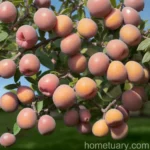
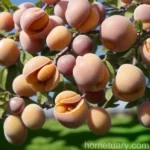
The Prunus ‘First Lady’, commonly known as the cherry tree ‘First Lady’, is a prominent member of the cherry family, cherished for its ornamental value, delectable fruits, and captivating blossoms. This deciduous tree belongs to the Rosaceae family and is renowned for the elegant display it puts on in the garden, both in spring and summer.
Key Takeaways
- Botanical Name: Prunus ‘First Lady’
- Common Name: Cherry tree ‘First Lady’
- Variety: First Lady cherry plant
- Characteristics: Beautiful blossoms, delicious fruits
- Landscape Uses: Ornamental value, fruit production
Let’s explore the various aspects of cultivating and nurturing the cherry (Prunus ‘First Lady).
Culture
Understanding the cultural requirements of the Prunus ‘First Lady’ is crucial for successful cultivation. The following factors play a significant role in its growth and overall health.
Water
Proper watering is essential for the cherry (Prunus ‘First Lady’) to thrive. Ensuring an adequate and regular water supply, especially during dry spells, is imperative. However, it’s equally important to avoid waterlogging, as excessive moisture can lead to root rot and other issues.
- Watering Needs: Regular, moderate watering
- Avoid: Waterlogging, especially in poorly drained soil
Sunlight
Like many fruit-bearing trees, the cherry (Prunus ‘First Lady’) flourishes in full sunlight. It is best to plant it in an area that receives at least six to eight hours of direct sunlight daily.
- Ideal Sun Exposure: Full sunlight
Fertilizer
Appropriate fertilization can significantly enhance the growth and fruiting of the Prunus ‘First Lady’. It’s vital to provide the tree with a well-balanced fertilizer, particularly during the growing season.
- Fertilization: Well-balanced fertilizer application during the growing season
- Avoid: Excessive application, especially of nitrogen-rich fertilizers
Soil
The cherry (Prunus ‘First Lady’) thrives in well-draining, fertile soil. A loamy soil type that retains some moisture but does not become waterlogged is optimal for its growth.
- Preferred Soil Type: Well-draining, loamy soil
- pH: Slightly acidic to neutral soil (pH 6.0–7.0)
Pruning
Pruning is an essential horticultural practice for maintaining the health, shape, and productivity of the cherry (Prunus ‘First Lady’). Understanding the best pruning practices is crucial for maximizing its ornamental and fruit-bearing potential.
- Pruning Schedule: Late winter to early spring, while the tree is still dormant
- Aims: Removing dead or diseased branches, shaping the tree, promoting fruit production
Propagation
Knowing how to propagate the Prunus ‘First Lady’ enables gardeners to expand their cherry orchard or share the joy of growing this exquisite tree with others. The following methods can be employed for propagation:
- Grafting: Propagation through grafting onto suitable rootstock
- Cuttings: Utilizing hardwood cuttings for propagation
Container Popularity
The cherry (Prunus ‘First Lady’) is also well-suited for container cultivation, enabling gardeners with limited space to enjoy the beauty and fruiting of this tree. Its adaptability to containers makes it a popular choice for urban gardening and small outdoor spaces.
- Container Growing: Ideal for limited spaces, patios, and urban gardens
- Select: Large, sturdy containers with adequate drainage
Common Diseases
Despite its overall resilience, the Prunus ‘First Lady’ is susceptible to certain diseases that can affect its health and productivity. Identifying these diseases and taking preventive measures is crucial for maintaining the tree’s well-being.
Note: Mention the most common diseases and their symptoms and management
Disease Diagnosis
To effectively combat diseases, it is essential to accurately diagnose the symptoms and causative agents. Monitoring the tree for any signs of disease and taking preemptive action can prevent significant damage.
- Symptoms: Visual inspection for leaf spots, wilting, cankers, etc.
- Professional Consultation: Seeking advice from local agricultural extension services or plant pathologists
Common Pests
Various pests can pose a threat to the Prunus ‘First Lady’ and its fruits. Being vigilant and proactive in pest management is vital for safeguarding the tree from infestations.
Note: Mention common pests such as aphids, fruit flies, etc., and methods for pest control
Botanist’s Tips
Expert insights can provide valuable guidance for successfully cultivating the Prunus ‘First Lady’ and overcoming potential challenges. Here are some tips from botanists and experienced growers:
- Tip 1: Regularly inspect the tree for signs of diseases and pests, and take prompt action if any issues are detected.
- Tip 2: Prune the tree annually to maintain its shape, remove dead wood, and stimulate fruiting.
- Tip 3: Choose a well-draining potting mix when growing the cherry (Prunus ‘First Lady’) in containers to prevent waterlogging.
Fun Facts
- The cherry (Prunus ‘First Lady’) is a symbol of love and romance in many cultures and is often associated with the arrival of spring.
- The bark of older cherry trees often develops a unique, textured appearance, adding to their ornamental value in the winter landscape.
Links to External Resources
For additional information and resources on the cherry (Prunus ‘First Lady’), refer to the following:
- The Royal Horticultural Society – Prunus ‘First Lady’
- University of California Agriculture and Natural Resources – Cherry Pest Management Guidelines
- Missouri Botanical Garden – Cherry Growing Guide
- American Society for the Prevention of Cruelty to Animals – Plants Toxic to Animals: Prunus spp.
In conclusion, the cherry (Prunus ‘First Lady’) is an enchanting tree with both ornamental and fruit-bearing attributes, making it a delightful addition to any garden or landscape. Understanding its specific cultural requirements, effective pest and disease management, and optimal propagation methods are essential for achieving the best results. By following the guidelines provided in this comprehensive guide, gardeners can cultivate and enjoy the beauty and delectable fruits of the Prunus ‘First Lady’ while fostering its overall health and vitality.