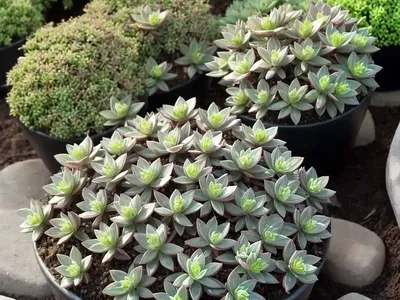
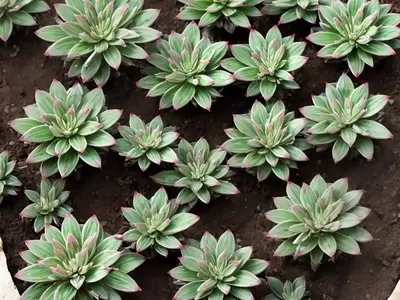
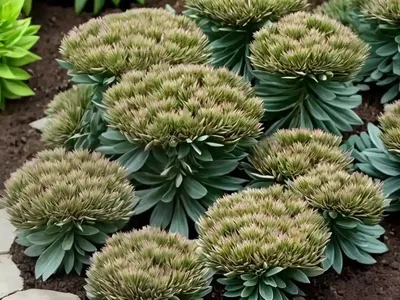
Chenilleplant (Echeveria Pulvinata)
Plants have always held a special place in human culture and society. From their aesthetic appeal to their role in the ecosystem, plants are both beautiful.
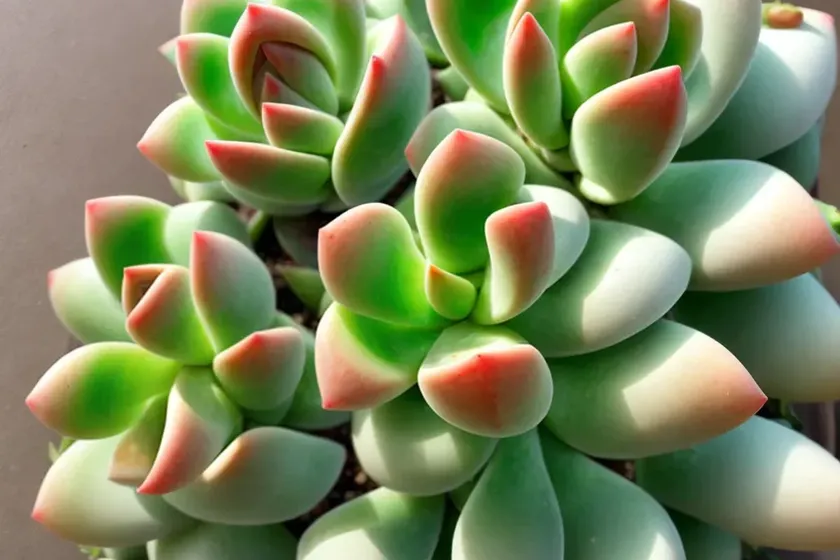
Introduction to Chenilleplant (Echeveria pulvinata)
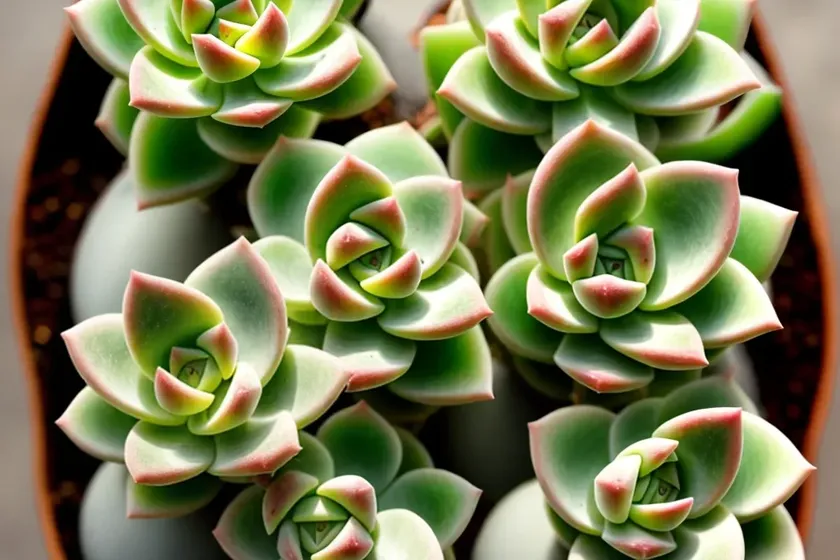
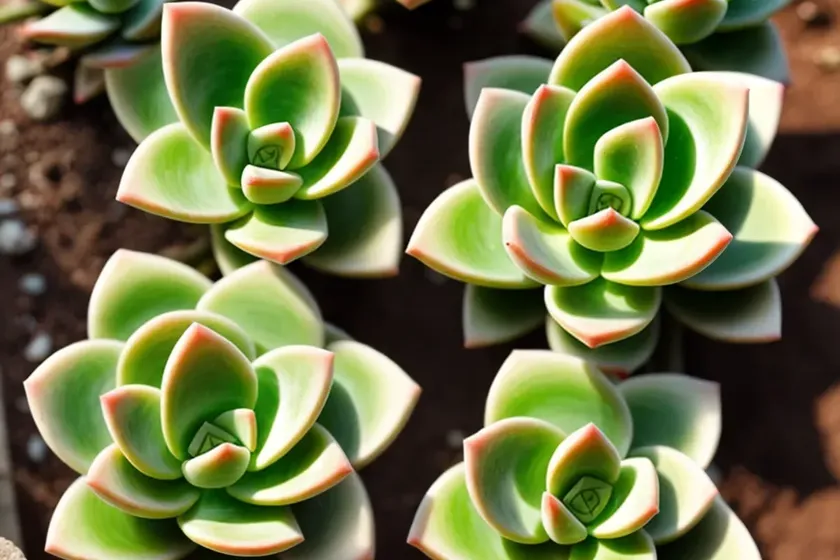
Plants have always held a special place in human culture and society. From their aesthetic appeal to their role in the ecosystem, plants are both beautiful and essential for life on earth. One such remarkable plant is the Chenilleplant, scientifically known as Echeveria pulvinata. This unique plant belongs to the Crassulaceae family and is native to Mexico. The Chenilleplant has gained popularity among plant enthusiasts for its distinctive appearance and ease of care. In this comprehensive guide, we will explore the various aspects of the Chenilleplant, including its culture, uses, care requirements, and much more.
Key Takeaways – Chenilleplant (Echeveria pulvinata)
Culture
- Native Habitat: The Chenilleplant is indigenous to Mexico, where it thrives in the arid regions of the country. It is commonly found growing in rocky, well-drained soil and is well-adapted to dry climates.
- Temperature Range: The plant exhibits good tolerance to higher temperatures but may require protection from frost and extreme cold. It is best suited for USDA hardiness zones 9 to 11.
- Sunlight Needs: Echeveria pulvinata thrives in bright sunlight and should be provided with at least six hours of direct sunlight each day for optimal growth.
Uses
- Decorative Uses: Due to its unique and attractive appearance, the Chenilleplant is widely used in decorative plantings, rock gardens, and succulent arrangements.
- Medicinal Uses: In traditional medicine, certain species of Echeveria are used for their perceived medicinal properties, although more research is needed in this area.
Water
- Watering Requirements: The Chenilleplant has low to moderate water needs and should be watered infrequently, allowing the soil to dry out between waterings to prevent root rot.
- Drought Tolerance: Thanks to its succulent nature, Echeveria pulvinata exhibits excellent drought tolerance and can store water in its fleshy leaves during dry periods.
Soil
- Soil Type: Well-draining soil is essential for the Chenilleplant to thrive. A mixture of succulent potting mix or cactus mix with added perlite or coarse sand is ideal for promoting healthy root growth and preventing waterlogging.
- pH Requirements: Echeveria pulvinata prefers slightly acidic to neutral soil with a pH range of 6.0 to 7.0.
Fertilizer
- Fertilization: During the growing season in spring and summer, the Chenilleplant can benefit from a balanced, water-soluble fertilizer diluted to half strength. However, it is important to avoid over-fertilizing, as this can lead to issues such as leggy growth and reduced drought tolerance.
Pruning
- Pruning Techniques: While the Chenilleplant typically requires minimal pruning, dead or damaged leaves can be removed as needed. Additionally, spent flower stalks can be trimmed to encourage a tidy appearance and redirect the plant’s energy.
Propagation
- Propagation Methods: Echeveria pulvinata can be propagated from both leaf cuttings and offsets, allowing for the expansion of your plant collection or the sharing of this delightful succulent with friends and fellow gardening enthusiasts. Leaf cuttings should be left to callus for a few days before being placed on well-draining soil to root.
Container
- Container Gardening: Due to its compact size and shallow root system, the Chenilleplant is an excellent candidate for container gardening. Select a container with drainage holes to prevent water accumulation and use well-draining soil to ensure the plant’s health and vitality.
Common Diseases
- Fungal Diseases: Like many succulent species, Echeveria pulvinata can be susceptible to fungal diseases such as root rot if over-watered or if exposed to prolonged periods of high humidity. Proper watering practices and well-draining soil are essential for preventing these issues.
Common Pests
- Pest Control: While the Chenilleplant is relatively resistant to pests, it may occasionally encounter common succulent pests such as aphids and mealybugs. Regular inspection of the plant and the use of natural pest control methods can help maintain its health and vigor.
Botanist’s Tips
- Placement: When cultivating Echeveria pulvinata, it is essential to provide it with ample sunlight and well-draining soil to mimic its natural habitat in Mexico.
- Watering: Avoid over-watering and allow the soil to dry out between waterings to prevent root rot and fungal issues.
- Propagation: Experiment with leaf cuttings and offsets to propagate new plants and share the beauty of the Chenilleplant with others.
Fun Facts
- The Chenilleplant gets its name from the French word “chenille,” which translates to “caterpillar.” This name is a nod to the fuzzy, caterpillar-like appearance of the plant’s leaves, which sets it apart from many other Echeveria species.
Links to External Resources
For additional information on the Chenilleplant and related topics, consider exploring the following resources:
– Echeveria Pulvinata Care Guide – Succulent Alley
– Chenille Plant Propagation Tips – World of Succulents
– How to Grow Echeveria Pulvinata – The Spruce
– Chenille Plant Varieties – Mountain Crest Gardens
– Echeveria Pulvinata Watering Requirements – Succulents Box
– Chenille Plant Soil Type – Lula’s Garden
– Pruning Chenille Plant – Urban Leaf
– Echeveria Pulvinata Sunlight Needs – Gardening Know How
– Chenille Plant Pests and Diseases – Succulent City
– Echeveria Pulvinata USDA Hardiness Zones – Mountain Crest Gardens
– Chenille Plant Natural Pest Control – Leaf and Clay
– Echeveria Pulvinata Companion Herbs – The Micro Gardener
– Chenille Plant Seasonal Care – The Succulent Eclectic
Now, let’s dive deeper into the fascinating world of the Chenilleplant (Echeveria pulvinata) and explore the many facets of its care and cultivation. Whether you’re a seasoned succulent aficionado or a newcomer to the realm of plant parenthood, there’s always something new to learn and appreciate about these remarkable botanical treasures.