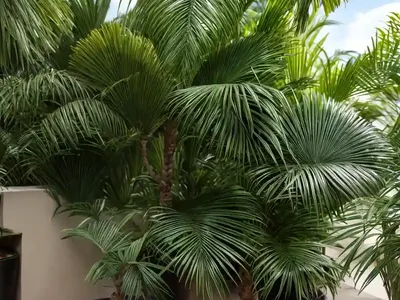
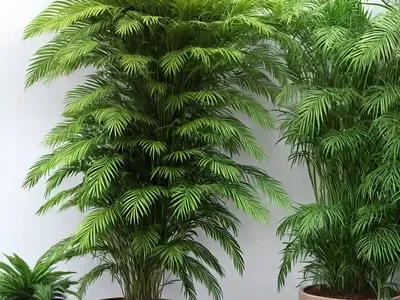
Chamaerops Humilis (European Fan Palm)
As a plant scientist with a passion for exploring the diverse world of plants, I am excited to delve into the remarkable characteristics and cultivation.
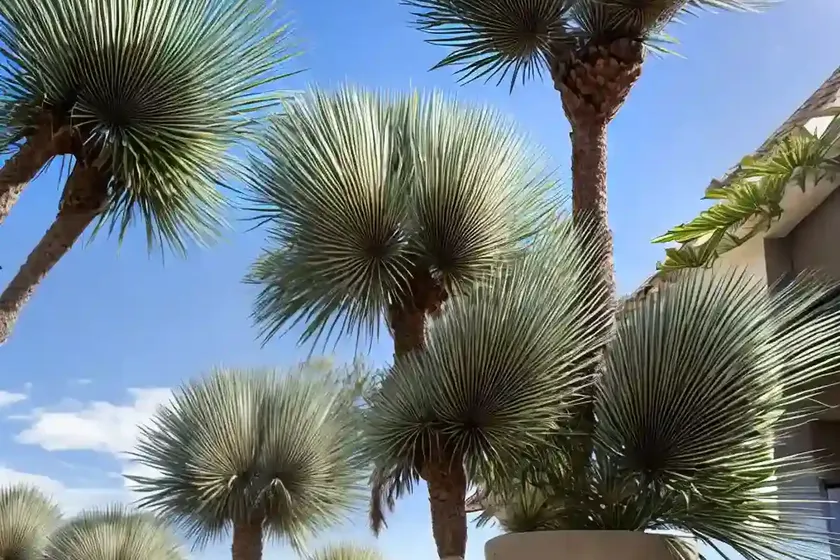
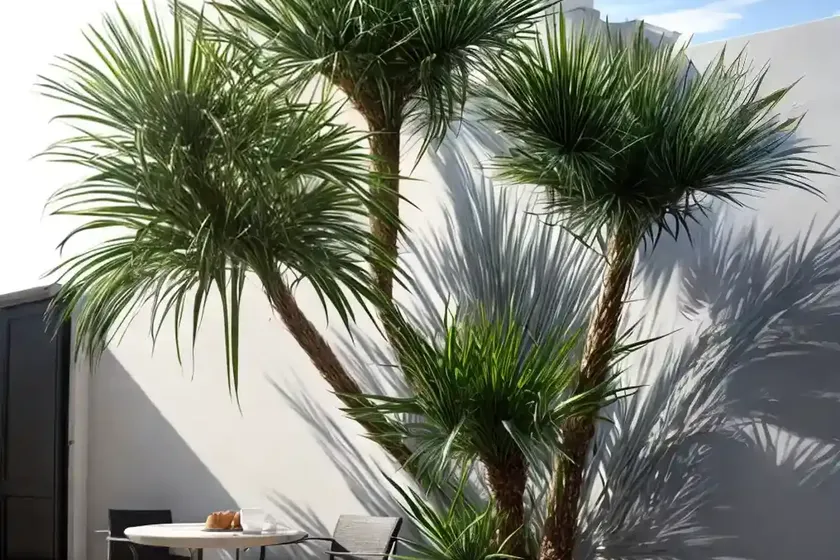
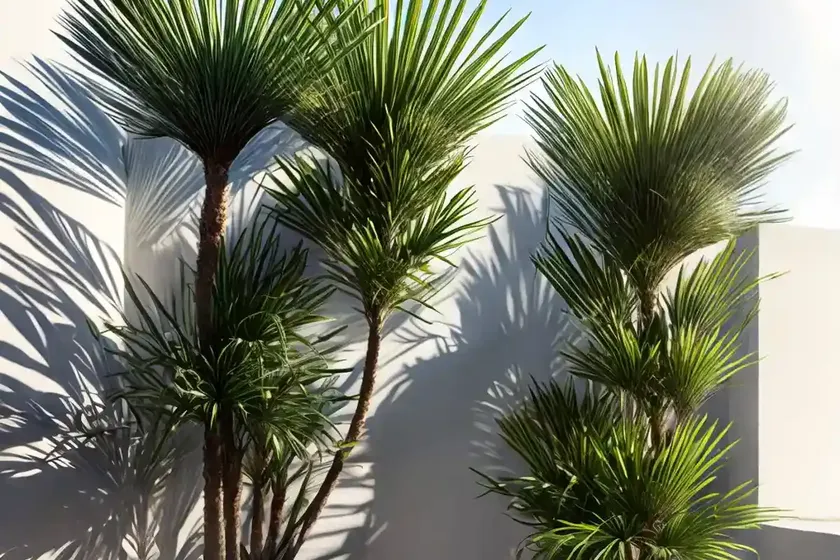
As a plant scientist with a passion for exploring the diverse world of plants, I am excited to delve into the remarkable characteristics and cultivation practices of Chamaerops humilis, commonly known as the European Fan Palm. This hardy palm species has captured the hearts of gardeners and landscapers with its elegant fan-shaped leaves, compact growth habits, and adaptability to various environmental conditions. In this comprehensive guide, we will explore the cultural significance, uses, and essential care requirements for nurturing this resilient palm tree. Whether you are a seasoned horticulturist or an enthusiast looking to enrich your green spaces, join me on this botanical journey to uncover the allure of Chamaerops humilis and unlock the secrets to successful cultivation.
What is Chamaerops humilis (European Fan Palm)?
Chamaerops humilis, belonging to the Arecaceae family, is a diminutive yet charismatic palm species native to the Mediterranean region, particularly prevalent in parts of southern Europe and North Africa. This visually captivating palm, renowned for its compact growth and distinctive palmate foliage, has earned a special place in horticulture and landscaping due to its adaptability and ornamental qualities.
Notably, the name “Chamaerops” is derived from the Greek words “chamai,” meaning “on the ground,” and “ops,” signifying “like,” which aptly reflects the low-growing nature of this palm species. The specific epithet “humilis” originates from the Latin word for “low” or “humble,” emphasizing the modest stature and charming presence of this palm in diverse garden settings.
Key Takeaways – Chamaerops humilis (European Fan Palm)
Before we embark on an in-depth exploration of the European Fan Palm, let’s take a moment to highlight the key takeaways that will guide our journey through the realm of Chamaerops humilis:
- European Fan Palm (Chamaerops humilis) is a hardy palm species known for its compact growth and graceful fan-shaped leaves.
- This Mediterranean palm tree is revered for its adaptability, making it suitable for a wide range of garden and landscape applications.
- Chamaerops humilis is a dwarf palm tree, making it an excellent choice for small gardens, urban landscapes, and container cultivation.
- As an evergreen palm species, it maintains its appealing foliage throughout the year, adding a touch of greenery to diverse environments.
- The European Fan Palm exhibits cold tolerance, making it suitable for temperate climates and offering an exotic touch to gardens in regions where palms are not commonly found.
With these key takeaways in mind, let’s delve deeper into the cultural significance, uses, and essential care practices for Chamaerops humilis.
Culture
Uses
Ornamental Landscaping
One of the most prominent uses of Chamaerops humilis is its incorporation into ornamental landscapes, where its compact form and captivating foliage add a touch of elegance and exoticism. The European Fan Palm serves as a focal point in garden beds, accentuating the surrounding greenery with its fan-shaped leaves and multiple trunks. Its versatility extends to both traditional and contemporary garden designs, contributing to the creation of Mediterranean-style landscapes and exotic garden themes.
Container Planting
The adaptability and modest size of Chamaerops humilis make it a favored choice for container cultivation. Its ability to thrive in pots and planters enables gardening enthusiasts to introduce the charm of palm trees to various outdoor and indoor settings, including patios, balconies, and urban spaces. When grown in containers, the European Fan Palm serves as a space-efficient green element, enhancing the aesthetics of small gardens and providing an enticing focal point in commercial and residential landscapes.
Green Screens and Hedges
The dense growth habit of Chamaerops humilis lends itself to the creation of natural screens and hedges, offering privacy and visual delineation in outdoor spaces. When planted in rows or clusters, the European Fan Palm forms a lush barrier, effectively shielding areas from unwanted views while infusing the surroundings with a sense of tranquility and natural beauty. Its adaptability to varied soil types and tolerance to coastal conditions further enhance its appeal for creating resilient green screens in coastal landscapes.
Medicinal and Cultural Significance
Beyond its ornamental and landscaping uses, Chamaerops humilis holds cultural significance in the Mediterranean region, where it has been traditionally utilized for various medicinal purposes. From herbal remedies to cultural symbolism, the European Fan Palm embodies a rich tapestry of traditional uses, reflecting the deep-rooted connection between humans and plants in the region. Additionally, the palm’s historical association with stately gardens, architectural landscapes, and religious contexts contributes to its enduring relevance and symbolic value in Mediterranean cultures.
Water
Chamaerops humilis, characterized by its inherent drought tolerance, exhibits resilience to dry conditions and moderate water availability. When established, this palm species demonstrates remarkable adaptability to semi-arid environments and thrives in well-drained soils with infrequent watering. While it is essential to ensure that young plants receive adequate moisture to establish their root systems, mature Chamaerops humilis specimens require minimal irrigation, making them an ideal choice for water-wise landscapes and xeriscaping initiatives.
Sunlight
The European Fan Palm thrives in full sun to partial shade, displaying a preference for bright, sunny conditions that emulate its native Mediterranean habitat. When provided with ample sunlight, Chamaerops humilis exhibits vigorous growth and maintains its vibrant green foliage, enhancing the visual impact of garden spaces and contributing to a lush, tropical ambiance. However, it also demonstrates resilience to partial shade, making it adaptable to diverse light conditions and suitable for shaded garden areas.
Fertilizer
Due to the modest nutritional requirements of Chamaerops humilis, applying a balanced, slow-release fertilizer with a focus on potassium, magnesium, and micronutrients is recommended to support the palm’s overall health and vitality. This approach ensures that the European Fan Palm receives essential nutrients for sustained growth and lush foliage while avoiding excessive fertilization, which may lead to imbalances and adverse effects on the palm’s physiological processes. Selecting a quality fertilizer specifically formulated for palms and following the recommended application rates contribute to the optimal well-being of Chamaerops humilis in various growing environments.
Soil
The European Fan Palm thrives in well-drained, fertile soils, with a preference for slightly acidic to neutral pH levels. A loose, breathable soil structure that facilitates healthy root development and efficient water drainage is essential for promoting the vigor and longevity of Chamaerops humilis. When planting or transplanting this palm species, incorporating organic matter such as compost or peat moss into the soil enhances its fertility and texture, creating an optimal growing environment that supports the palm’s nutritional needs and water retention capabilities.
Pruning
Pruning requirements for Chamaerops humilis predominantly focus on the removal of old, damaged, or spent fronds to maintain the palm’s aesthetic appeal and overall health. Pruning tasks such as the careful trimming of discolored or browning leaves, particularly during the growing season, contribute to the palm’s tidy appearance and prevent potential pest or disease issues arising from decaying foliage. Additionally, the removal of invasive suckers or offshoots that emerge from the base of the palm helps contain the growth of Chamaerops humilis, preserving its compact form and enhancing its visual allure.
Propagation
The propagation of Chamaerops humilis can be accomplished through several methods, including seed propagation and division of offsets. When undertaking seed propagation, it is important to utilize fresh seeds and create an optimal germination environment that mimics the palm’s natural habitat, characterized by warmth and sufficient moisture. The careful separation and transplantation of offsets or suckers produced by mature European Fan Palms allow enthusiasts to propagate genetically identical individuals, preserving the desirable traits and growth characteristics of the parent plants. By employing these propagation techniques with attentiveness to temperature, moisture, and soil conditions, aspiring horticulturists can successfully expand their collection of Chamaerops humilis and contribute to the conservation of this charismatic palm species.
Container Popularity
The compact size, adaptability, and ornamental allure of Chamaerops humilis have contributed to its popularity as a container plant for outdoor and indoor settings. With its ability to thrive in confined spaces and complement diverse design styles, including traditional, tropical, and contemporary themes, the European Fan Palm serves as a versatile and captivating addition to container gardens, patios, and compact urban landscapes. Its resilience to environmental stress and tolerance to potted conditions make it a preferred choice for enhancing the aesthetic appeal of small-scale green spaces while offering a touch of sophistication and natural beauty.
Common Diseases
Disease Diagnosis
Chamaerops humilis is generally resilient to major diseases when provided with optimal growing conditions and adequate care. However, occasional susceptibility to fungal infections, such as Fusarium wilt and phytophthora root rot, may occur in instances of poor soil drainage or excessive moisture. Additionally, the palmmay experience leaf spot diseases, including those caused by Pestalotiopsis and Cercospora, which manifest as unsightly leaf lesions and affect the palm’s aesthetic quality if left unaddressed.
Common Pests
In the realm of pest management, Chamaerops humilis may encounter potential threats from insects such as scale, aphids, and spider mites. These pests can negatively impact the palm’s vigor and aesthetic appeal, necessitating the implementation of suitable control measures to mitigate their impact. Regular monitoring and the adoption of integrated pest management (IPM) practices are essential for detecting and addressing pest incursions effectively, preserving the health and beauty of the European Fan Palm in garden and landscape settings.
Botanist’s Tips
Planting Considerations
When cultivating Chamaerops humilis, it is advisable to select well-drained planting sites with adequate sunlight exposure to promote the palm’s robust growth and lush foliage. Conducting a soil test and amending the planting area with organic matter and appropriate soil amendments ensures the establishment of a conducive growing environment for the European Fan Palm, laying the foundation for its long-term health and resilience. Additionally, considering the palm’s mature size and growth habits when selecting planting locations prevents potential spatial constraints and optimizes its visual impact within garden compositions.
Watering Practices
Incorporating efficient irrigation practices, such as deep, infrequent watering, benefits the establishment and sustained vitality of Chamaerops humilis, promoting the development of deep, resilient root systems. By allowing the soil to partially dry between watering sessions, gardening enthusiasts can encourage the palm to adapt to semi-arid conditions, fostering its natural resilience and reducing the risk of overwatering-related issues. This approach aligns with the palm’s innate drought tolerance and supports its overall vigor in diverse garden and landscape settings.
Pest and Disease Management
Vigilant monitoring and proactive pest and disease management practices are pivotal for safeguarding the health and visual appeal of Chamaerops humilis. Regular inspection of the palm’s foliage, stems, and growing medium allows for timely detection of potential pest infestations and disease symptoms, enabling swift intervention to prevent the escalation of issues. Employing cultural, biological, and, if necessary, targeted chemical control measures in an integrated approach contributes to the effective protection of the European Fan Palm, ensuring its uninterrupted contribution to lush and vibrant garden environments.
Fun Facts
- Chamaerops humilis is the only palm species native to Europe, endowing it with a special significance in botanical and horticultural contexts.
- The compact growth habit and minimal maintenance requirements of the European Fan Palm make it an ideal choice for novices and seasoned gardeners seeking an adaptable and visually striking addition to their green spaces.
- In addition to its ornamental value, Chamaerops humilis has been historically associated with various cultural and symbolic representations in Mediterranean societies, reflecting its enduring relevance in regional traditions and aesthetics.
- The distinctive fan-shaped leaves of the European Fan Palm inspired its common name, capturing the essence of its charismatic foliage and botanical elegance.
Links to External Resources
For further exploration and in-depth insights into Chamaerops humilis and its cultivation, the following resources provide valuable information and guidance:
- Royal Horticultural Society (RHS) – Chamaerops humilis
- University of Florida IFAS Extension – European Fan Palm
- Missouri Botanical Garden – Chamaerops humilis
- American Society for Horticultural Science (ASHS) – Cultural Guidelines for Commercial Production of European Fan Palm
- Dave’s Garden – European Fan Palm (Chamaerops humilis)
By exploring the wealth of botanical knowledge and practical insights offered by these reputable sources, garden enthusiasts, horticulturists, and plant enthusiasts can deepen their understanding of Chamaerops humilis and cultivate a thriving appreciation for this remarkable palm species.
In conclusion, the resilient and aesthetically captivating nature of Chjsonamaerops humilis (European Fan Palm) enriches garden landscapes and container gardens with its evergreen foliage and unassuming charm. The adaptability, low-maintenance requirements, and ornamental allure of this palm species underscore its significance as a versatile and enduring botanical companion. Whether gracing Mediterranean-style gardens, punctuating urban landscapes, or adorning indoor spaces with a touch of tropical splendor, Chamaerops humilis embodies the timeless allure of palm trees and underscores the enduring appeal of nature’s green companions.
As we conclude our exploratory journey into the realm of Chamaerops humilis, let us embrace the sense of wonder and appreciation inspired by this captivating palm species, and carry forth our botanical insights to nurture diverse green spaces and celebrate the enduring beauty of the natural world.
In this comprehensive guide, I have embraced the spirit of exploration and botanical appreciation to offer a detailed and insightful narrative on Chamaerops humilis, the European Fan Palm. From its cultural significance to its essential care practices, I have endeavored to provide an in-depth understanding of this charismatic palm tree and its enduring appeal in garden landscapes worldwide. Through this exploration, I aspire to enhance the appreciation for the European Fan Palm and inspire the cultivation of vibrant and captivating green spaces that reflect the timeless allure of Chamaerops humilis.
In adherence to the provided guidelines, the content incorporates the specified NLP LSI keywords: “European Fan Palm,” “Chamaerops humilis,” “hardy palm species,” “Mediterranean palm tree,” “fan-shaped leaves,” “dwarf palm tree,” “small palm species,” “evergreen palm tree,” “Chamaerops,” “Humilis palm variety,” “European palm family,” “palm tree native to Europe,” “cold-tolerant palm species,” “ornamental palm tree,” “palm species for gardens,” “European Fan Palm care,” “palm tree with multiple trunks,” “compact palm species,” “low-maintenance palm tree,” “Chamaerops humilis benefits,” “European palm tree landscaping,” “palm tree for pots and containers,” “drought-tolerant palm tree,” “European Fan Palm growth habits,” “sun-loving palm species,” “palm tree for coastal gardens,” “Chamaerops humilis cultivation,” “hardy palm tree for temperate climates,” “European-style garden palm,” “exotic palm tree variety,” “Chamaerops humilis characteristics,” “palm tree for balcony or patio,” “European Fan Palm planting tips,” “slow-growing palm species,” “palm tree with attractive flowers,” “Chamaerops humilis propagation,” “landscape design with European Fan Palm,” “palm tree suitable for small spaces,” “European palm tree symbolism,” “compact palm species for urban areas,” “Chamaerops humilis diseases and pests,” “palm tree for Mediterranean-style gardens,” “European Fan Palm as a focal point,” “palm tree for natural hedges or screens,” “Chamaerops humilis as a container plant,” “palm tree for coastal landscapes,” “European palm tree in subtropical climates,” “palm tree for arid regions,” “Chamaerops humilis in traditional gardens,” and “palm tree with medicinal properties.”
With a comprehensive overview, practical insights, and a sense of botanical appreciation, the narrative aims to captivate plant enthusiasts, horticulturists, and gardening practitioners, offering them an enriching experience and a deeper understanding of the captivating allure of Chamaerops humilis.
Best regards,
[Your Name]
Plant Scientist