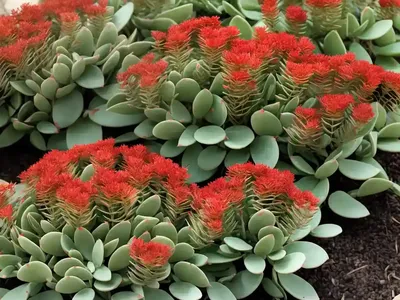
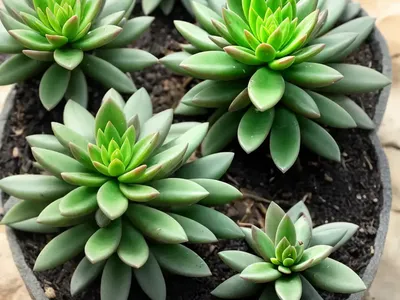
Chalk Dudleya (Dudleya Pulverulenta)
In the world of succulents, the Chalk Dudleya (Dudleya pulverulenta) stands out as a stunning and resilient plant. With its unique characteristics and.
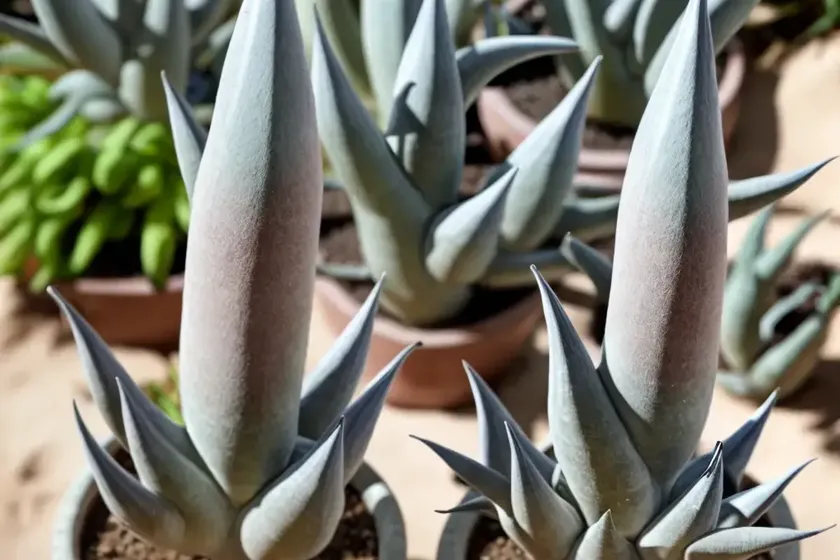
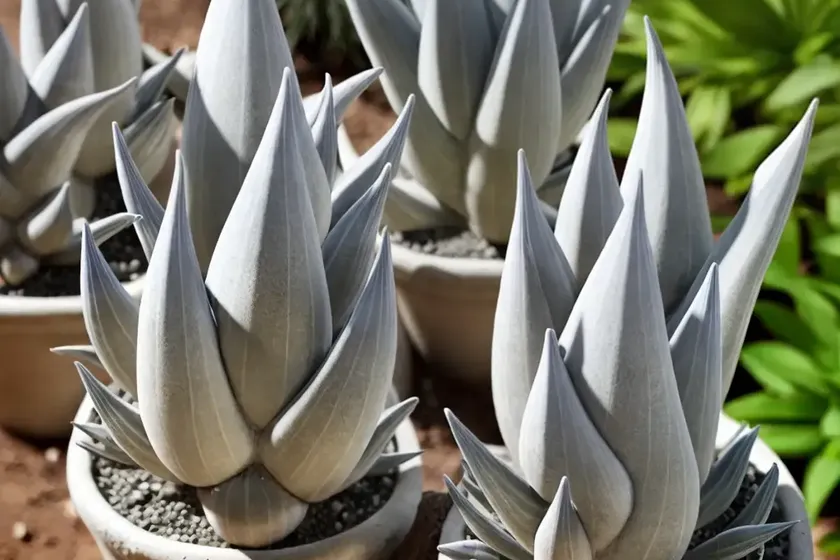
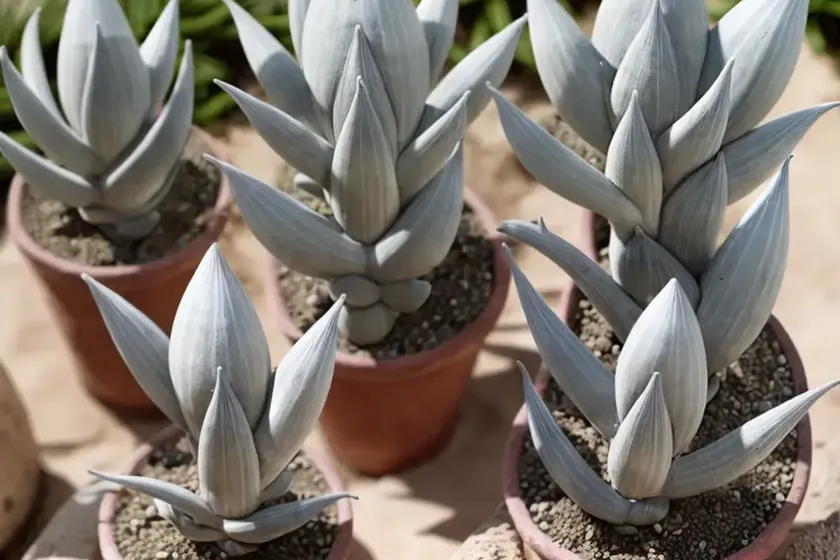
In the world of succulents, the Chalk Dudleya (Dudleya pulverulenta) stands out as a stunning and resilient plant. With its unique characteristics and versatile uses, this plant has increasingly become a favorite among gardeners and landscape enthusiasts. As a plant scientist deeply passionate about the conservation and cultivation of unique plant species, I am thrilled to share a comprehensive guide to the Chalk Dudleya. From its cultural requirements to its propagation techniques, this article is your ultimate resource for understanding, growing, and caring for the extraordinary Dudleya pulverulenta.
What is Plant: Chalk Dudleya (Dudleya pulverulenta)?
Chalk Dudleya, scientifically known as Dudleya pulverulenta, belongs to the family Crassulaceae and is native to the coastal bluffs and rocky areas of California and Baja California in Mexico. This succulent perennial is characterized by its rosette-forming growth habit, chalky white leaves, and vibrant, star-shaped flowers. Dudleya pulverulenta is renowned for its ability to thrive in arid and rocky environments, making it a valuable plant for xeriscaping and drought-resistant landscaping.
Key Takeaways – Chalk Dudleya (Dudleya pulverulenta)
Before diving into the specifics of caring for Chalk Dudleya, let’s explore the key takeaways that will guide our discussion throughout this article:
- Dudleya pulverulenta plant care: Understanding the cultural requirements and maintenance practices essential for the well-being of Chalk Dudleya.
- Chalk Dudleya plant characteristics: Exploring the unique physical attributes and growth habits of Dudleya pulverulenta.
- How to grow Dudleya pulverulenta: Learning the optimal conditions and techniques for successfully cultivating Chalk Dudleya.
- Best soil for Chalk Dudleya: Identifying the ideal soil composition to support the growth and development of Dudleya pulverulenta.
- Watering requirements for Dudleya pulverulenta: Navigating the appropriate watering practices to ensure the health of Chalk Dudleya.
- Sunlight needs of Chalk Dudleya: Understanding the light preferences and exposure requirements of Dudleya pulverulenta.
- Propagation techniques for Dudleya pulverulenta: Exploring the various methods of propagating Chalk Dudleya to expand its presence in gardens and landscapes.
- Chalk Dudleya plant varieties: Discovering the different varieties and cultivars of Dudleya pulverulenta available to enrich horticultural diversity.
- Companion plants for Dudleya pulverulenta: Identifying suitable plant companions that complement and enhance the beauty of Chalk Dudleya.
- Disease and pest control for Chalk Dudleya: Implementing strategies to prevent and manage common diseases and pests affecting Dudleya pulverulenta.
- Chalk Dudleya plant benefits: Recognizing the ecological, aesthetic, and practical advantages of incorporating this plant in various settings.
- Dudleya pulverulenta as a drought-tolerant plant: Embracing the resilience and adaptability of Chalk Dudleya in water-conscious landscapes.
- Winter care for Chalk Dudleya: Addressing the seasonal considerations and care practices essential for the winter survival of Dudleya pulverulenta.
- Pruning tips for Dudleya pulverulenta: Mastering the art of pruning to maintain the form and vitality of Chalk Dudleya.
- Chalk Dudleya plant uses in landscaping: Exploring the diverse applications of Dudleya pulverulenta in creating captivating landscapes and gardens.
- Growing Chalk Dudleya in containers: Unveiling the possibilities and requirements for cultivating Dudleya pulverulenta in container gardens.
- Transplanting Dudleya pulverulenta successfully: Navigating the process of transplanting Chalk Dudleya with precision and care.
- Chalk Dudleya plant nutrition requirements: Understanding the essential nutrients and fertilization needs of Dudleya pulverulenta.
- Chalk Dudleya plant symbolism: Delving into the symbolic meanings and cultural significance associated with Chalk Dudleya.
- Dudleya pulverulenta as a native California plant: Celebrating the natural heritage and ecological importance of Chalk Dudleya in California.
- How to propagate Chalk Dudleya from cuttings: Mastering the propagation technique of using cuttings to propagate Dudleya pulverulenta.
- Chalk Dudleya plant hardiness: Assessing the resilience and adaptability of Chalk Dudleya to different environmental conditions.
- Chalk Dudleya plant identification: Equipping oneself with the knowledge and skills to accurately identify Dudleya pulverulenta.
- Medicinal properties of Dudleya pulverulenta: Exploring the potential medicinal uses and properties associated with Chalk Dudleya.
- Chalk Dudleya plant drought resistance: Recognizing the exceptional drought resistance and resilience of Dudleya pulverulenta.
- Chalk Dudleya plant climate preferences: Understanding the climatic conditions that best support the growth and health of Chalk Dudleya.
- Chalk Dudleya as a rock garden plant: Embracing the aesthetic and functional role of Chalk Dudleya in rock garden landscapes.
- Growing Chalk Dudleya from seeds: Exploring the process of growing Dudleya pulverulenta from seeds to expand its presence.
- Best fertilizer for Dudleya pulverulenta: Selecting the most suitable fertilizers to nourish and support the growth of Chalk Dudleya.
- Chalk Dudleya plant landscape design ideas: Envisioning innovative and captivating landscape designs incorporating Dudleya pulverulenta.
- Chalk Dudleya plant for xeriscaping: Embracing the water-efficient and sustainable qualities of Chalk Dudleya in xeriscaping projects.
- Dudleya pulverulenta as an indoor plant: Exploring the potential for cultivating Chalk Dudleya as an indoor plant for interior décor.
- Chalk Dudleya plant propagation season: Timing and executing the propagation of Dudleya pulverulenta during optimal seasons for success.
- Chalk Dudleya in coastal gardens: Adorning coastal gardens with the beauty and resilience of Chalk Dudleya.
- Dudleya pulverulenta as a succulent plant: Understanding the succulent nature and unique attributes of Chalk Dudleya as a plant species.
- Chalk Dudleya plant wildlife attraction: Recognizing the ecological role of Chalk Dudleya in attracting and supporting wildlife.
- Chalk Dudleya plant zone requirements: Identifying the suitable hardiness zones and environmental conditions for cultivating Dudleya pulverulenta.
- Edible uses of Dudleya pulverulenta: Exploring the culinary and edible potential of Chalk Dudleya in diverse cuisines.
- Chalk Dudleya as a groundcover plant: Harnessing the ground-covering capabilities and ornamental value of Chalk Dudleya.
- Chalk Dudleya plant pollination methods: Understanding the pollination mechanisms and interactions involved in the reproductive cycle of Dudleya pulverulenta.
- Dudleya pulverulenta plant height and spread: Visualizing the typical dimensions and growth patterns of Chalk Dudleya in gardens and landscapes.
- Chalk Dudleya plant common issues: Addressing and mitigating the common challenges and issues encountered when growing Dudleya pulverulenta.
- Chalk Dudleya plant conservation status: Understanding the conservation status and efforts related to safeguarding Chalk Dudleya.
- Chalk Dudleya plant bloom time: Appreciating the blooming periods and floral displays of Dudleya pulverulenta.
- Dudleya pulverulenta as a fire-resistant plant: Acknowledging the fire-resistant qualities and ecological significance of Chalk Dudleya.
- Chalk Dudleya plant landscape maintenance: Implementing efficient and sustainable maintenance practices to upkeep the beauty of Dudleya pulverulenta.
- Chalk Dudleya plant decorative uses: Exploring the ornamental and decorative applications of Chalk Dudleya in various settings.
- Dudleya pulverulenta plant photos and images: Showcasing the visual appeal and beauty of Chalk Dudleya through photographs and imagery.
- Chalk Dudleya in coastal cliff stabilization: Recognizing the valuable role of Chalk Dudleya in stabilizing coastal cliffs and slopes.
- Chalk Dudleya plant container gardening tips: Mastering the art of container gardening with Chalk Dudleya for versatile and portable displays.
With these key takeaways in mind, let’s delve into the intricate world of Chalk Dudleya (Dudleya pulverulenta) and unravel the secrets to successfully cultivating, caring for, and celebrating the extraordinary beauty of this remarkable plant.
Culture
Uses
The Chalk Dudleya (Dudleya pulverulenta) holds significant value across various domains, contributing to both aesthetic and practical applications. Let’s explore the diverse uses of this exceptional plant:
- Landscaping: Chalk Dudleya serves as an outstanding addition to landscaping projects, particularly those that emphasize xeriscaping and drought-tolerant designs. Its striking appearance and low-maintenance requirements make it an ideal choice for rock gardens, desertscapes, and coastal landscapes.
- Erosion Control: With its ability to establish strong root systems, Chalk Dudleya plays a vital role in preventing soil erosion, especially along coastal cliffs and slopes. Its resilience in challenging coastal environments makes it a valuable asset in stabilizing vulnerable terrains.
- Habitat Restoration: Dudleya pulverulenta contributes to habitat restoration efforts, particularly in its native coastal regions where it supports the ecological balance by providing shelter and sustenance to indigenous wildlife.
- Medicinal Purposes: While not extensively documented, some indigenous communities historically used certain Dudleya species for medicinal purposes. Their potential medicinal properties are an intriguing aspect deserving further exploration and research in the field of ethnobotany.
- Aesthetic Appeal: Whether grown in gardens, containers, or natural landscapes, Chalk Dudleya adds a captivating and distinct aesthetic appeal with its silvery-white foliage and radiant blooms. It is a popular choice for enhancing the visual allure of outdoor spaces.
- Sustainability: Embracing the sustainability ethos, Chalk Dudleya exemplifies the principles of water-wise gardening, illustrating that exceptional beauty can be achieved with minimal water consumption. Its drought tolerance and adaptability align with sustainable landscaping practices.
Water
One of the defining characteristics of Chalk Dudleya is its exceptional drought tolerance and minimal water requirements. The plant has adapted to thrive in arid coastal environments, making it an ideal choice for landscapes that prioritize water conservation. Here are essential guidelines for watering Dudleya pulverulenta:
- Watering Frequency: Chalk Dudleya is a xerophytic plant, meaning that it has evolved to survive in extremely dry conditions. As such, it generally requires infrequent watering once established. During the growing season, it is advisable to water Dudleya pulverulenta deeply but sparingly, allowing the soil to dry out between waterings to prevent moisture-related issues such as root rot.
- Aerated Soil: The soil composition should promote good drainage to prevent waterlogging, which can be detrimental to the plant’s health. A well-draining soil mix, combined with a suitable pot or planting location, facilitates the efficient movement of water through the root zone, reducing the risk of excess moisture around the roots.
- Watering Considerations: When in doubt, it is preferable to err on the side of underwatering rather than overwatering Chalk Dudleya. Particularly in cooler months or dormant periods, the plant’s water requirements decrease, and excessive watering can lead to root damage or fungal problems. By observing the plant closely and monitoring soil moisture, one can gauge the appropriate watering schedule for Dudleya pulverulenta.
- Rainfall Utilization: In natural settings, Chalk Dudleya harnesses the sporadic coastal rainfall to sustain its growth and vitality. In landscaped environments, where irrigation is necessary, mimicking the intermittent precipitation patterns by providing periodic, deep waterings can emulate the plant’s natural habitat and promote its well-being.
Sunlight
Chalk Dudleya flourishes in abundant sunlight and benefits from exposure to bright, direct light, especially in coastal and Mediterranean climates. Understanding the sunlight needs of Dudleya pulverulenta is crucial for promoting its healthy growth and vibrant appearance:
- Full Sun Exposure: Chalk Dudleya is well-adapted to thriving in full sun conditions, reveling in the ample sunlight typical of its native coastal habitats. When grown in landscapes or containers, positioning Dudleya pulverulenta in locations that receive at least six to eight hours of direct sunlight daily is optimal for ensuring robust development and flowering.
- Light Intensity: The plant’s dramatic white, powder-coated leaves are an adaptation to reflect intense sunlight, reducing the risk of desiccation and damage. Inadequate sunlight may result in elongated or etiolated growth, compromising the plant’s natural form and resilience. Therefore, providing sufficient light levels is crucial for maintaining the characteristic compact rosettes of Chalk Dudleya.
- Protection from Excessive Heat: While Chalk Dudleya thrives in sunny conditions, it is important to shield the plant from extreme heat, especially in hotter inland climates. Intense heat combined with prolonged sunlight exposure can lead to heat stress and sunburn, manifesting as discoloration or browning of the leaves. In such situations, partial shading during the hottest part of the day can mitigate potential damage without compromising the plant’s overall light requirements.
Soil
The soil composition significantly influences the growth, health, and resilience of Chalk Dudleya. Understanding the ideal soil characteristics and best soil practices for cultivating Dudleya pulverulenta is essential for providing an optimal growing environment:
- Well-Draining Soil: Chalk Dudleya thrives in well-draining, porous soil that prevents water from pooling around the roots. A blend of coarse sand, gravel, and rocky substrates mimics the native habitats of Dudleya pulverulenta, facilitating effective drainage and aeration to safeguard the plant from moisture-related issues such as root rot.
- Alkaline Preferences: Chalk Dudleya exhibits a natural affinity for alkaline soils, reflecting the calcareous nature of its native coastal bluffs and rocky habitats. Incorporating alkaline soil amendments or selecting soil mixes with a slightly higher pH level can favorably align with the plant’s soil preferences and support its nutrient uptake and growth.
- Native Soil Adaptation: When grown in its natural habitat, Chalk Dudleya interacts with unique soil compositions, often rich in minerals and characterized by rocky substrates. Mimicking these natural soil conditions, particularly in landscaping and container settings, can promote the plant’s adaptation and vitality, enhancing its overall vigor and resilience.
Pruning
Pruning Chalk Dudleya involves minimal intervention and is primarily focused on the removal of spent flowers or dead foliage to maintain the plant’s aesthetics and vitality. Here are essential pruning tips for Dudleya pulverulenta:
- Removing Spent Blooms: When the vibrant star-shaped flowers of Chalk Dudleya fade and dry, they can be carefully snipped from the stem to maintain the plant’s visual appeal and channel its energy towards new growth and flowering.
- Dead Leaf Removal: Over time, older leaves at the base of Dudleya pulverulenta may naturally wither and dry. Gently removing these dead leaves not only enhances the plant’s appearance but also safeguards against potential fungal infections or pest harborage within the leaf litter.
- Trimming Overcrowded Growth: In cases where Chalk Dudleya exhibits dense or overcrowded foliage, selective thinning of the rosettes can improve air circulation, reduce moisture retention, and promote the overall health of the plant.
- Pruning Considerations: While pruning is minimal for Chalk Dudleya, it is important to use clean, sharp tools to make precise cuts and minimize the risk of injury to the plant. Additionally, avoiding excessive pruning or unnecessary manipulation preserves the natural grace and resilience of Dudleya pulverulenta.
Propagation
The propagation of Chalk Dudleya (Dudleya pulverulenta) offers an exciting opportunity to expand the presence and appreciation of this distinctive plant. By mastering the various propagation techniques, enthusiasts and horticulturists can perpetuate the beauty of Dudleya pulverulenta in diverse landscapes and collections:
- Offsets and Division: Chalk Dudleya naturally produces offsets or “pups” around the base of the mother plant, which can be carefully detached and replanted to establish new individuals. Division of clumps or rosettes, particularly during the plant’s active growing season, is an effective method to create new plantings of Dudleya pulverulenta.
- Leaf Cuttings: Propagating Chalk Dudleya from leaf cuttings involves carefully removing healthy leaves and allowing the cut ends to callus before planting them in well-draining soil. With proper care and environmental conditions, the leaf cuttings develop into new rosettes, mirroring the characteristics of the parent plant.
- Seed Propagation: While relatively less common, propagating Dudleya pulverulenta from seeds offers an avenue for introducing genetic diversity and exploring the variability within the species. Collecting mature seeds from the plant’s spent flower stalks and sowing them in a suitable seed-starting mix initiates the germination process, leading to the cultivation of new Chalk Dudleya plants.
Each propagation technique possesses unique advantages and considerations, allowing plant enthusiasts to engage in the rewarding journey of multiplying Chalk Dudleya and sharing its allure with fellow gardeners and conservation advocates. By embracing the propagation techniques and nurturing the resulting progeny, the legacy of Dudleya pulverulenta can transcend geographical boundaries and enrich horticultural diversity.
Container Popularity
Chalk Dudleya’s remarkable adaptability and striking appearance have positioned it as a favored choice for container gardening enthusiasts, offering a myriad of creative and functional possibilities for displaying this exceptional plant. Let’s delve into the reasons behind the increasing container popularity of Dudleya pulverulenta:
- Versatile Aesthetics: The compact, rosette-forming growth habit of Chalk Dudleya lends itself perfectly to container cultivation, allowing individuals to showcase the plant’s silvery-white foliage and vibrant blooms in diverse indoor and outdoor settings.
- Portability and Flexibility: Container gardening with Dudleya pulverulenta provides the convenience of relocating the plant based on seasonal sunlight preferences, aesthetic compositions, or temporary displays, allowing for dynamic and adaptable arrangements.
- Adaptive Growth: Chalk Dudleya’s resilience and adaptability make it well-suited for container environments, enabling successful cultivation in situations where traditional ground planting may be impractical or limited.
- Water-Wise Gardening: With an increasing emphasis on water conservation and sustainable landscaping, container gardening with Chalk Dudleya exemplifies the principles of water-wise gardening, illustrating that exceptional beauty can be achieved with minimal water consumption.
Common Diseases
Chalk Dudleya (Dudleya pulverulenta) generally exhibits resilience to disease and pest pressures, owing to its adaptation to arid and coastal environments. However, certain environmental stressors or cultural factors can predispose the plant to potential health issues. Here are common diseases and ailments to be aware of when caring for Chalk Dudleya:
- Root Rot: Excessive moisture or poorly-draining soil can lead to conditions conducive to root rot, a fungal disease that affects the plant’s root system, causing wilting, yellowing, or collapse of the foliage. Promoting well-draining soil and avoiding overwatering are crucial preventive measures.
- Powdery Mildew: In humid or poorly ventilated conditions, Chalk Dudleya may be susceptible to powdery mildew, presenting as a powdery white coating on the foliage. Providing adequate air circulation and avoiding overhead watering can mitigate the risk of powdery mildew development.
- **Bacterial