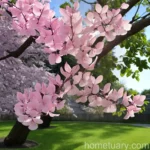
Cercis canadensis ‘Ruby Falls’ (Redbud): A Beautiful Ornamental Tree
In the world of ornamental trees, few can rival the stunning beauty and elegance of the Cercis canadensis ‘Ruby Falls’, commonly known as Redbud. This exceptional variety is cherished by gardeners and homeowners for its unique cascading form, vibrant foliage, and colorful blooms. As a plant scientist deeply passionate about ornamental plants, I’m thrilled to delve into the captivating world of Cercis canadensis ‘Ruby Falls’ and explore its characteristics, cultivation, uses, and much more.
What is Cercis canadensis ‘Ruby Falls’?
Cercis canadensis ‘Ruby Falls’ is a cultivar of the Eastern Redbud, a native North American tree celebrated for its graceful form and early spring blooms. What sets ‘Ruby Falls’ apart from other Redbud varieties is its weeping habit, creating a dramatic display of cascading foliage and flowers. With heart-shaped leaves and vibrant, rosy-pink flowers, this cultivar adds a touch of magic to any landscape or garden.
Key Takeaways – Cercis canadensis ‘Ruby Falls’ (Redbud)
Culture
- Scientific Name: Cercis canadensis ‘Ruby Falls’
- Common Name: Redbud ‘Ruby Falls’
- Plant Type: Deciduous tree
- Mature Height: 5-6 feet
- Mature Spread: 4-5 feet
- Shape: Weeping/cascading
- Blooms: Rosy-pink, pea-like flowers in early spring
- Foliage: Heart-shaped, burgundy leaves turning to dark green as the season progresses
Uses
Cercis canadensis ‘Ruby Falls’ is valued for its ornamental qualities and is often used for:
- Landscape focal point
- Accent planting
- Small gardens
- Container gardening
- Japanese garden designs
Water
- Moist, well-draining soil
- Regular watering, especially during dry spells
- Mulching to conserve soil moisture
- Avoid waterlogged conditions
Sunlight
- Full Sun: 6-8 hours of direct sunlight per day
- Partial Shade: Tolerant of some shade, particularly in hot climates
- Protect from harsh afternoon sun in hot regions
Fertilizer
- Balanced Fertilizer: Apply in early spring before new growth emerges
- Follow label instructions for dosage and application methods
- Organic options: Compost, well-rotted manure
Soil
- pH: Slightly acidic to neutral (pH 6.0-7.0)
- Texture: Well-draining, loamy soil
- Amend heavy clay or sandy soils with organic matter
- Mulch to improve soil structure and moisture retention
Pruning
- Minimal pruning required for aesthetic form
- Remove dead or damaged branches in late winter or early spring
- Shape and train young trees to desired form
Propagation
- Softwood Cuttings: Root in early summer
- Hardwood Cuttings: Root in late winter
- Seed Propagation: Stratify seeds for 90-120 days before sowing
Container Popularity
Cercis canadensis ‘Ruby Falls’ is well-suited for container growth, allowing it to shine in a variety of settings, including patios, balconies, and small urban spaces.
Common Diseases
- Cercospora Leaf Spot: Circular, dark brown spots on leaves
- Anthracnose: Irregular lesions with tan centers on leaves and stems
- Verticillium Wilt: Leaf wilting, yellowing, and premature defoliation
Disease Diagnosis
Monitor for leaf spots, wilting, or unusual discoloration. Seek professional diagnosis for persistent or severe symptoms.
Common Pests
- Japanese Beetles
- Aphids
- Caterpillars
- Scale Insects
Botanist’s Tips
- Mulch: Apply a 2-3 inch layer of mulch around the base of the tree to retain soil moisture and regulate temperature.
- Pruning: Lightly prune to maintain the weeping form and improve airflow within the canopy.
- Fertilization: Apply a balanced fertilizer in early spring to support healthy growth and flowering.
Fun Facts
- The ‘Ruby Falls’ cultivar is a result of crossing the ‘Covey’ weeping form with the native species Cercis canadensis.
- Redbuds are part of the Fabaceae family, which includes legumes like beans and peas.