Celosia Argentea Var. Cristata ‘Cramer’s Lemon Lime’ (Cockscomb)
Plants are not only essential for the well-being of our planet but they also bring beauty and joy to our lives. One such plant that captivates with its.
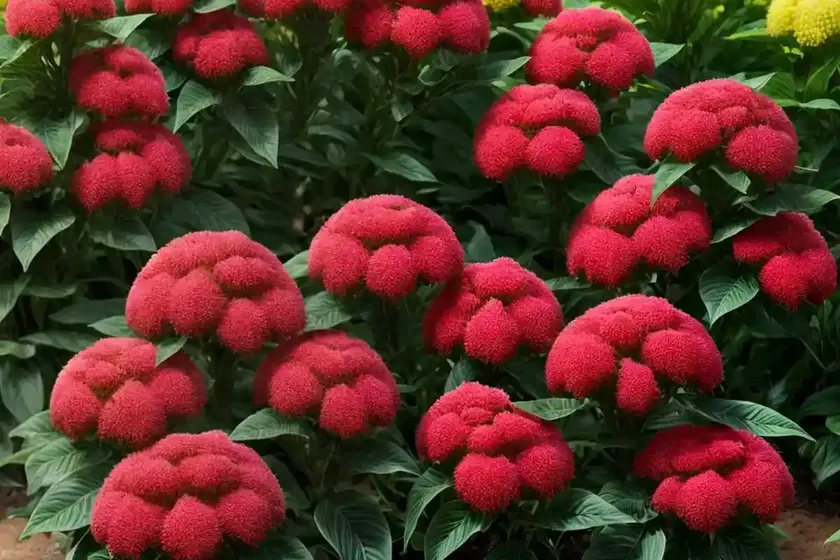
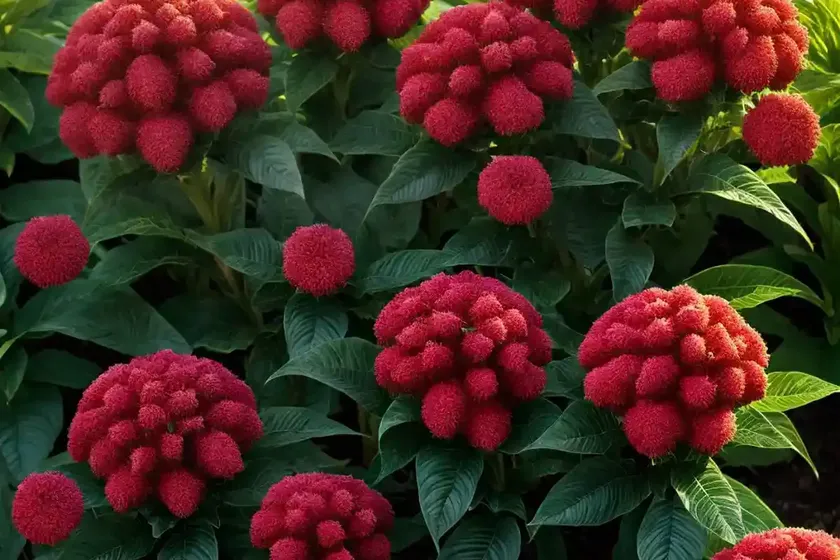
Plants are not only essential for the well-being of our planet but they also bring beauty and joy to our lives. One such plant that captivates with its unique appearance and versatility is the Celosia argentea var. cristata ‘Cramer’s Lemon Lime’, commonly known as the Cockscomb. In this comprehensive guide, we will delve into the characteristics, cultivation, uses, and benefits of this stunning plant, providing valuable insights for both gardening enthusiasts and professional botanists.
What is Celosia argentea var. cristata ‘Cramer’s Lemon Lime’ (Cockscomb)?
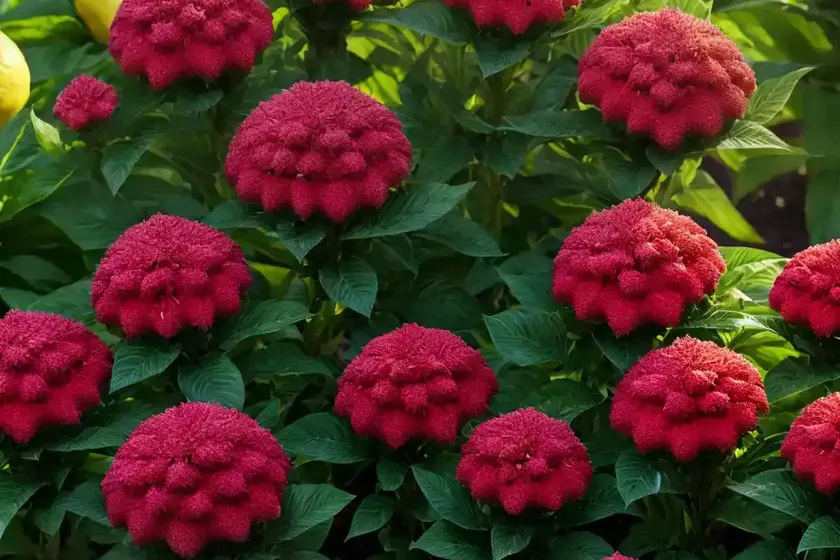
Celosia argentea var. cristata ‘Cramer’s Lemon Lime’ is a vibrant and visually striking flowering plant known for its unique and ornamental flowers. Belonging to the amaranth family (Amaranthaceae), this cultivar is a variation of the Celosia argentea, commonly referred to as the plumed cockscomb or silver cock’s comb. The ‘Cramer’s Lemon Lime’ variety is distinguished by its captivating lemon-lime colored blooms, adding a pop of color to any garden or landscape.
This cultivar is cherished for its vibrant and long-lasting flower heads, which can range from creamy yellow to lime green, displaying a gorgeous gradient of color. The densely packed, crested, and intricately shaped blooms resemble the comb of a rooster, from which the common name “Cockscomb” is derived.
Key Takeaways – Celosia argentea var. cristata ‘Cramer’s Lemon Lime’ (Cockscomb)
Before we dive into the specific aspects of cultivation and care, let’s touch upon the key takeaways regarding the Celosia argentea var. cristata ‘Cramer’s Lemon Lime:
- This variety is celebrated for its vibrant and ornamental lemon-lime colored flower heads, adding a unique touch to gardens and floral arrangements.
- Cockscomb thrives in warm, sunny conditions and exhibits impressive heat and drought tolerance.
- Its compact nature and versatility make it well-suited for various settings, ranging from garden beds to containers and floral displays.
- Beyond its visual appeal, Cockscomb holds cultural significance and has a rich history of use in traditional medicine and cultural practices in different parts of the world.
Now, let’s explore the specific aspects of the cultivation and care of this remarkable plant.
Culture
Uses
The Celosia argentea var. cristata ‘Cramer’s Lemon Lime has been admired for its aesthetic qualities and diverse uses. Some of its primary uses include:
-
Ornamental Purposes: The vibrant and unique appearance of the Cockscomb makes it an ideal choice for ornamental arrangements, including bouquets, centerpieces, and decorative landscape plantings.
-
Cultural and Symbolic Significance: In various cultures, the Cockscomb holds symbolic significance, representing vitality, immortality, and affection. In different parts of the world, the plant is utilized in ceremonial and cultural practices, including religious ceremonies and festive decorations.
-
Medicinal and Culinary Uses: While primarily cherished for its visual appeal, certain varieties of Celosia argentea have been historically used in traditional medicine and are considered edible in certain cultures, due to their reported medicinal and nutritional properties.
Water
Proper watering is essential for the health and vigor of the Celosia argentea var. cristata. It is important to ensure that the soil is evenly moist, but not waterlogged, to prevent issues such as root rot. During periods of active growth, consistent watering is crucial, especially during hot and dry weather conditions.
Sunlight
Cockscombs thrive in full sunlight, benefiting from at least 6 to 8 hours of direct sunlight daily. Adequate sunlight promotes robust growth and vibrant flower production, leading to the development of the characteristic lemon-lime blooms.
Fertilizer
The application of a balanced, all-purpose fertilizer can greatly enhance the growth and blooming of Celosia argentea var. cristata ‘Cramer’s Lemon Lime. A fertilizer with a higher phosphorus content can be particularly beneficial in promoting flowering. It is recommended to follow the instructions on the fertilizer package for proper application and timing, avoiding excessive use to prevent potential issues.
Soil
Well-draining soil with a loamy or sandy texture is ideal for cultivating Cockscomb plants. A slightly acidic to neutral pH level (6.0-7.0) is preferred. Rich, fertile soil with good moisture retention capabilities can encourage healthy growth and vibrant flower production.
Pruning
Regular deadheading and pruning of spent blooms can stimulate continuous flowering and prevent the plant from allocating energy to seed production. This practice can help maintain the plant’s ornamental appeal and encourage the growth of new blooms.
Propagation
The propagation of Celosia argentea var. cristata ‘Cramer’s Lemon Lime can be achieved through various methods, including seeds and cuttings.
-
Propagation from Seeds: Cockscomb plants can be propagated from seeds, which are readily available from reputable seed suppliers. Sowing the seeds indoors in early spring and transplanting the seedlings outdoors after the last frost date is a common method.
-
Propagation from Cuttings: Stem cuttings from healthy, established plants can be used to propagate new Cockscomb plants. By selecting non-flowering stems and providing them with appropriate growing conditions, successful rooting and establishment can be achieved.
Container Popularity
Due to its compact growth habit and ornamental appeal, the Celosia argentea var. cristata ‘Cramer’s Lemon Lime is well-suited for container cultivation. This versatility allows individuals with limited garden space to enjoy the beauty of the plant on patios, balconies, and other outdoor areas. The use of containers also provides opportunities for creative arrangements and floral displays, showcasing the unique lemon-lime blooms.
Common Diseases
Disease Diagnosis
While Cockscomb plants are generally resilient, they can be susceptible to certain diseases and issues, which may include:
-
Powdery Mildew: A fungal disease that can manifest as a white powdery coating on the leaves and stems, affecting the overall health and appearance of the plant.
-
Leaf Spot: This condition causes the development of dark spots on the leaves, potentially leading to leaf discoloration and defoliation if left untreated.
Common Pests
The Cockscomb plant may also encounter pest-related challenges, including:
-
Aphids: Small, sap-feeding insects that can cause damage to the plant by weakening its vitality and causing distortion of new growth.
-
Spider Mites: These tiny arachnids can infest the plant, leading to the development of stippling on the leaves and the formation of fine webbing.
Botanist’s Tips
-
Proper Air Circulation: Ensuring good air circulation around the plants can help minimize the risk of fungal diseases and pest infestations.
-
Regular Inspections: Periodic monitoring of the plants for signs of pests and diseases can aid in early detection and timely intervention, preventing potential issues from escalating.
-
Optimal Watering Practices: Being mindful of proper watering techniques and avoiding waterlogged conditions can contribute to the overall health and resilience of the Cockscomb plant.
Fun Facts
-
In some cultures, the Cockscomb is associated with various myths, folklore, and symbolic meanings, reflecting its cultural significance and historical importance.
-
Certain varieties of Celosia argentea have been traditionally used in culinary preparations in different parts of the world, adding a unique dimension to its significance.
With its captivating appearance, cultural significance, and diverse uses, the Celosia argentea var. cristata ‘Cramer’s Lemon Lime stands as a testament to the beauty and versatility of botanical diversity. By understanding its specific needs and care requirements, individuals can cultivate and appreciate this remarkable plant in various settings, adding vibrancy and charm to their surroundings.
Whether as a focal point in a garden bed or as a stunning addition to floral arrangements, the Cockscomb continues to enchant and inspire with its radiant lemon-lime blooms, showcasing nature’s exquisite artistry.
Links to External Resources
- Royal Horticultural Society – Growing Celosias
- University of Florida IFAS Extension – Celosia Production Guide
- University of California Agriculture & Natural Resources – Flower Gardening & Landscaping
- National Garden Bureau – Cockscomb Plant Profile
- American Society for the Prevention of Cruelty to Plants – Plant Care Guides
In conclusion, the beauty and versatility of the Celosia argentea var. cristata ‘Cramer’s Lemon Lime serve as a testament to the captivating diversity of the plant kingdom. By incorporating this stunning plant into our gardens, landscapes, and floral displays, we can celebrate its beauty and cultural significance, enriching our lives with the wonders of the botanical world.