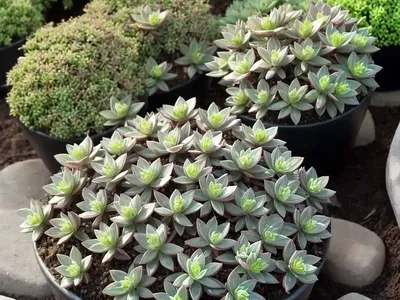
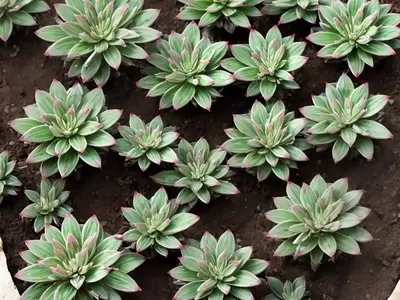
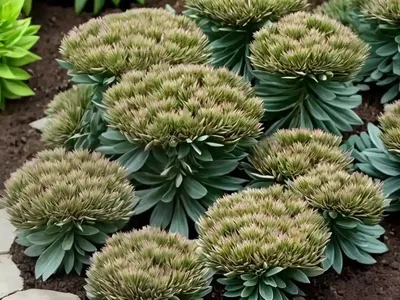
Cebenese (Sempervivum Arachnoideum ‘Cebenese’)
As a plant scientist and enthusiast, I am constantly amazed by the sheer diversity and beauty of the plant kingdom. Today, I am thrilled to delve into the.
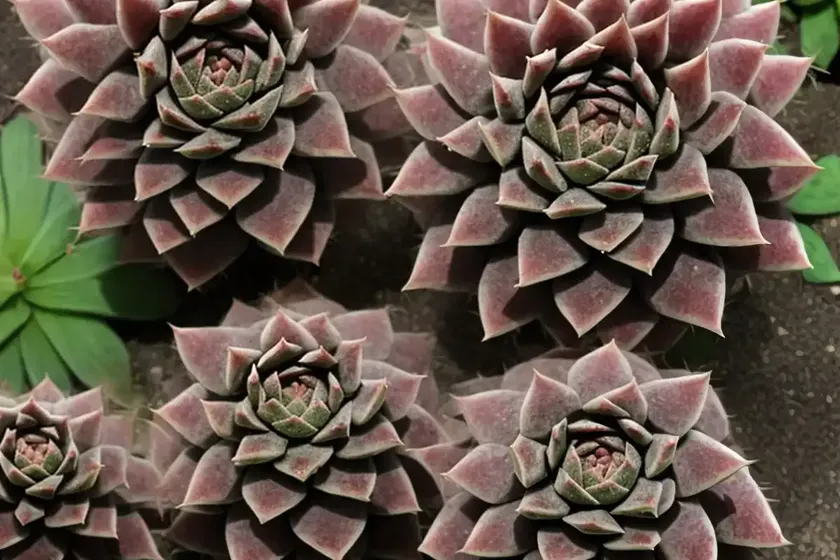
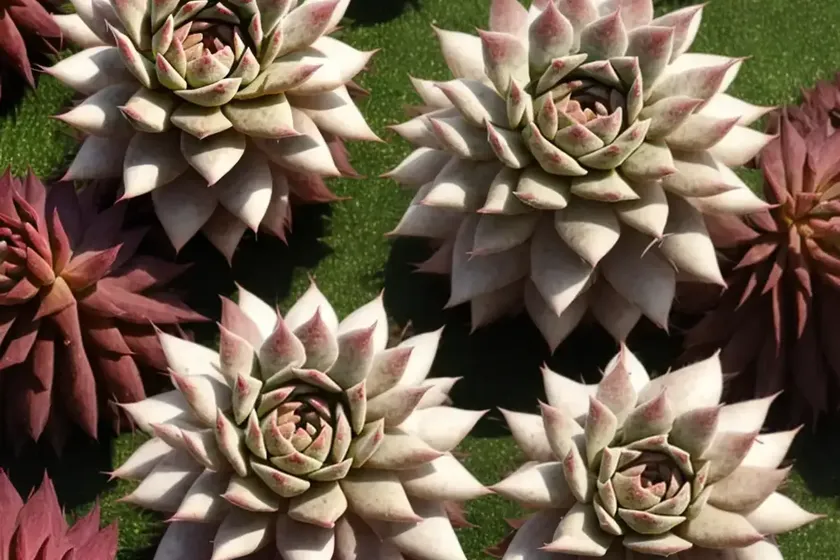
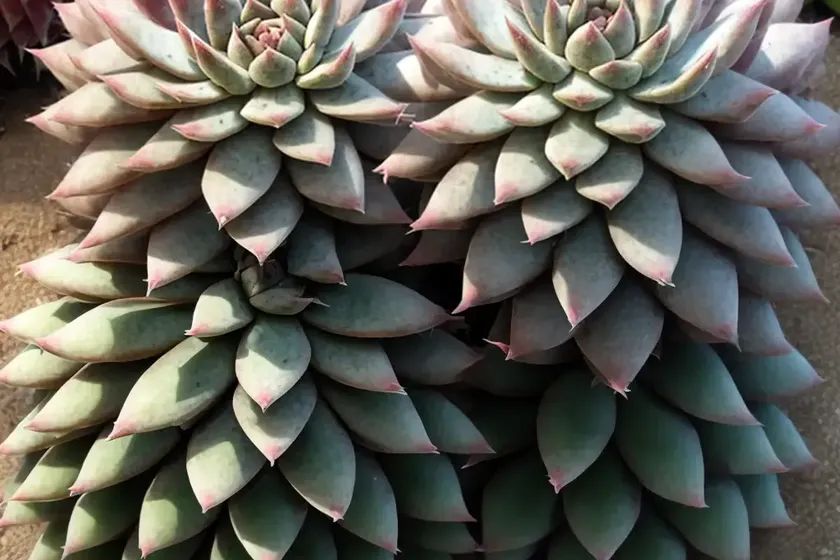
As a plant scientist and enthusiast, I am constantly amazed by the sheer diversity and beauty of the plant kingdom. Today, I am thrilled to delve into the world of Sempervivum arachnoideum ‘Cebenese’, commonly known as Cebenese. This stunning succulent, with its intricate web-like appearance, is a sight to behold and a delight to cultivate. In this comprehensive guide, we will explore the key aspects of Cebenese, including its culture, uses, care requirements, propagation, common diseases, and much more. By the end of this blog, you will be equipped with the knowledge and skills to nurture and appreciate this remarkable plant.
What is Cebenese (Sempervivum arachnoideum ‘Cebenese’)?
Sempervivum arachnoideum ‘Cebenese’, popularly known as Cebenese, is a striking succulent belonging to the Crassulaceae family. This particular variety is cherished for its distinctive appearance, characterized by its cobweb-like formation, which gives it an ethereal and captivating allure. As a member of the Sempervivum genus, Cebenese is also commonly referred to as “houseleek” or “hens and chicks”, owing to its rosette-forming growth habit. The name “Sempervivum” itself is derived from the Latin words “semper” meaning “always” and “vivus” meaning “living”, signifying the plant’s resilience and enduring nature.
In its native habitat, which includes mountainous regions of Europe, Cebenese thrives in rock crevices and gravelly soils, showcasing its adaptability and hardiness. These characteristics make it a sought-after addition to rock gardens, container arrangements, and xeriscapes. Its ease of care and unique aesthetics have garnered a devoted following among plant enthusiasts and succulent aficionados worldwide.
Key Takeaways – Cebenese (Sempervivum arachnoideum ‘Cebenese’)
Before delving into the intricacies of Cebenese care and maintenance, let’s summarize the essential highlights of this captivating succulent:
- Botanical Name: Sempervivum arachnoideum ‘Cebenese’
- Common Names: Cebenese spiderweb hen and chicks, Cebenese houseleek plant
- Unique Feature: Intricate cobweb-like appearance
- Growth Habit: Rosette-forming, clump-forming
- Hardiness Zone: 3-8
- Uses: Rock gardens, container arrangements, xeriscapes
- Preferred Soil: Well-draining, gritty
- Watering Needs: Low to moderate
- Sunlight Requirements: Full sun to partial shade
- Propagation: Offsets, seeds, leaf cuttings
- Common Diseases: Fungal infections, rot
- Common Pests: Aphids, mealybugs
Now, let’s delve deeper into each of these aspects to gain a comprehensive understanding of how to best care for and cultivate Cebenese.
Culture
Cebenese, much like other members of the Sempervivum genus, is renowned for its adaptability and low-maintenance nature. Its culture, in terms of preferred growing conditions and habitat, plays a pivotal role in ensuring its healthy development and longevity.
Preferred Habitat
In its natural habitat, Sempervivum arachnoideum ‘Cebenese’ flourishes in mountainous regions, often clinging to rocky outcrops and gravelly substrates. It has evolved to thrive in harsh, arid environments, making it exceptionally well-suited for rock gardens and alpine plantings. The succulent’s ability to withstand periods of drought and scarcity of nutrients is attributed to its water-storing leaves and well-developed root systems.
More notably, the cobweb-like appearance that distinguishes Cebenese is an adaptation that aids in its survival. The fine, silvery hairs that cover the rosettes serve as both a protective barrier against intense sunlight and a mechanism for trapping moisture from the air, thereby reducing water loss through transpiration.
Ideal Growing Conditions
To successfully cultivate Cebenese in a home garden or container setting, it is essential to emulate its preferred growing conditions. Here are the key factors to consider:
-
Sunlight: Cebenese thrives in full sun to partial shade. In regions with hot summers, providing some protection from the intense midday sun can prevent leaf burn and maintain the succulent’s vibrant coloration. When grown indoors, placing Cebenese near a south-facing window can ensure it receives an adequate amount of sunlight.
-
Temperature: This succulent is well-suited to temperate climates and can withstand cold temperatures, making it suitable for outdoor cultivation in hardiness zones 3-8. It is important to protect Cebenese from excessive moisture during winter, as prolonged wet and cold conditions can lead to rot.
-
Soil: Well-draining, gritty soil is crucial for Cebenese. A mix formulated for cacti and succulents, comprising components such as perlite, coarse sand, and well-draining potting mix, is ideal for mimicking the rocky, porous substrates of its natural habitat.
-
Watering: As with most succulents, Cebenese prefers infrequent, deep watering rather than frequent shallow watering. Allowing the soil to dry out between waterings helps prevent issues such as root rot and fungal infections. During the active growing season, typically from spring through early fall, a thorough watering every 7-10 days is generally sufficient, depending on the prevailing environmental conditions.
By understanding and accommodating Cebenese’s cultural preferences, you can create an environment where this captivating succulent can thrive and display its signature cobweb-like beauty.
Uses
Beyond its ornamental appeal, Cebenese serves a range of practical and aesthetic purposes in landscaping and horticulture. Understanding the versatile uses of this succulent can inspire creative applications in various gardening projects.
Rock Gardens
Sempervivum arachnoideum ‘Cebenese’ is a star attraction in rock gardens, where its low-growing, clumping habit and visually arresting appearance add texture and interest to rocky landscapes. Planted amidst boulders, gravel, or alpine formations, Cebenese introduces a captivating element that evokes the undulating beauty of mountain flora. Its ability to withstand challenging conditions and thrive in sparse, rocky soils makes it an indispensable addition to rock gardens designed to mimic high-elevation habitats.
Container Arrangements
The compact size, resilience, and strikingly unique aesthetics of Cebenese make it an ideal candidate for container gardening. Whether showcased in individual containers or combined with other drought-tolerant succulents and alpine plants, Cebenese adds a touch of whimsy and elegance to patio settings, balconies, and outdoor living spaces. Its ability to endure extended periods without regular watering further enhances its appeal as a low-maintenance option for container arrangements.
Xeriscapes
In water-conscious landscaping and xeriscaping initiatives, Cebenese shines as a resilient and visually captivating component. Its water-storing leaves and drought-tolerant nature make it a valuable asset in creating sustainable and aesthetically appealing landscapes that minimize the need for irrigation. Planted alongside other arid-adapted species, Cebenese contributes to the creation of environmentally conscious and visually engaging xeriscape designs.
By harnessing the versatility and adaptability of Cebenese, gardeners and landscapers can elevate their horticultural endeavors with the allure of this distinctive succulent.
Care
Maintaining the health and vitality of Cebenese hinges on providing attentive care that aligns with its specific requirements. From watering and sunlight exposure to soil composition and pruning, each aspect of care plays a pivotal role in nurturing robust, thriving specimens of Sempervivum arachnoideum ‘Cebenese’.
Water
Proper watering practices are central to the well-being of Cebenese, as they directly impact its ability to withstand drought and thrive in arid conditions. Understanding the nuances of watering this succulent is essential for preventing issues such as root rot and dehydration.
-
Watering Frequency: During the active growing season, which typically spans from spring through early fall, aim to water Cebenese approximately every 7-10 days. However, it is crucial to allow the soil to dry out between waterings to avoid waterlogged conditions that can predispose the plant to root rot.
-
Watering Technique: When watering Cebenese, aim to provide a thorough soaking, allowing excess water to drain freely from the container’s drainage holes. Ensure that the soil is evenly moistened while avoiding water accumulation in the rosettes, as this can lead to rot and fungal infections.
-
Winter Watering: In colder climates or during the succulent’s dormant period in winter, it is advisable to reduce watering frequency to prevent the risk of excess moisture in the soil. Additionally, sheltering Cebenese from heavy rainfall and snow accumulation can mitigate the likelihood of root-related issues during the dormant phase.
Establishing a balanced approach to watering that promotes healthy root development and minimizes the risk of water-related ailments is crucial for ensuring the longevity of Cebenese in cultivation.
Sunlight
As a sun-loving succulent, Cebenese thrives in bright, well-lit conditions and displays its best coloration and form when provided with ample sunlight. Understanding the intricacies of providing suitable light exposure is pivotal for cultivating vigorous and visually appealing specimens.
-
Sunlight Requirements: Cebenese flourishes in full sun to partial shade, with a preference for at least 6 hours of direct sunlight per day. When grown indoors, positioning the succulent near a south-facing window can ensure it receives an adequate amount of sunlight to maintain its compact growth habit and vibrant appearance.
-
Preventing Sunburn: In regions with exceptionally high temperatures or intense sunlight, providing some protection during the hottest part of the day can prevent leaf burn and discoloration. This can be achieved by situating Cebenese in a location that receives morning sun and partial shade in the afternoon, especially during the peak of summer.
-
Indoor Lighting: When cultivating Cebenese indoors, supplementing natural light with grow lights or fluorescent fixtures can compensate for suboptimal light conditions, ensuring that the succulent receives the requisite light intensity for robust growth and vivid coloring.
By tailoring the light exposure to meet Cebenese’s preferences, whether indoors or outdoors, you can cultivate specimens that exhibit the full splendor of their cobweb-like foliage.
Fertilizer
The nutritional needs of Cebenese are modest, as it is adapted to thrive in lean, rocky substrates with minimal organic matter. Applying a balanced fertilizer regimen and exercising restraint in fertilization can safeguard the succulent from the adverse effects of excessive nutrients.
-
Fertilization Frequency: Cebenese generally benefits from a conservative fertilization approach, where a diluted, balanced fertilizer is applied during the active growing season, typically from early spring to late summer. Aim to fertilize the succulent every 4-6 weeks, using a formulation specifically designed for cacti and succulents.
-
Fertilizer Composition: Select a fertilizer with balanced proportions of essential nutrients, such as nitrogen, phosphorus, and potassium, to avoid stimulating excessive foliage growth at the expense of compact rosette formation. Organic, slow-release fertilizers or liquid fertilizers diluted to half-strength are suitable options for promoting steady, healthy growth.
-
Avoiding Overfeeding: Given Cebenese’s ability to thrive in nutrient-poor environments, it is advisable to err on the side of caution when fertilizing. Excessive or frequent fertilization can lead to issues such as elongated growth, decreased resilience to stress, and an increased susceptibility to diseases.
By incorporating a measured and restrained fertilization regimen, you can provide Cebenese with the essential nutrients it needs to flourish without jeopardizing its natural growth habits and resilience.
Soil
The composition of the growing medium profoundly impacts the growth and development of Cebenese, influencing factors such as water retention, aeration, and nutrient availability. Understanding the ideal soil requirements is integral to fostering optimal conditions for the succulent’s root health and overall vigor.
-
Well-Draining Mix: Cebenese thrives in a well-draining, gritty soil blend that closely emulates its native rocky habitat. A specialized cactus and succulent potting mix, fortified with coarse sand, perlite, or pumice, facilitates enhanced drainage and prevents the risk of waterlogged conditions that can compromise the succulent’s root system.
-
Aeration and Texture: Ensuring that the soil mix is well-aerated and possesses a light, porous texture promotes robust root development and the efficient uptake of moisture and nutrients. The presence of ample air pockets within the soil composition contributes to a healthy balance between water retention and drainage, preventing issues such as root suffocation and rot.
-
Container Drainage: When cultivating Cebenese in containers, selecting pots with drainage holes is essential for facilitating effective water removal and preventing water accumulation at the root zone. Additionally, avoiding the use of overly large containers can help maintain appropriate soil moisture levels and prevent excessive water retention.
By providing Cebenese with an optimal soil environment characterized by superior drainage, aeration, and texture, you can safeguard its root health and resilience while promoting robust, vibrant growth.
Pruning
Pruning requirements for Cebenese are minimal, owing to its compact growth habit and clump-forming nature. However, periodic maintenance and removal of spent or withered foliage can enhance the succulent’s appearance and vitality.
-
Removal of Offsets: As Cebenese produces offsets or “chicks” around the base of the rosettes, periodically removing excess offsets can prevent overcrowding and maintain a tidy, aesthetically pleasing appearance. Carefully detaching surplus chicks with clean, sharp scissors or by gently twisting them from the parent plant can also serve as a means of propagation to cultivate new specimens.
-
Trimming Debris: Over time, debris such as dried leaves, spent blooms, or detritus can accumulate within the rosettes of Cebenese. Gently removing any accumulated debris with a pair of fine-tipped tweezers or soft brush can prevent the onset of fungal and bacterial issues while allowing the succulent’s compact form to shine through.
By exercising subtle, selective pruning practices, you can uphold Cebenese’s impeccable appearance and ensure the unimpeded growth and development of its rosettes and offsets.
Propagation
Exploring the art of propagation enables enthusiasts to expand their collection of Cebenese and share the beauty of this succulent with fellow gardening enthusiasts. Familiarizing yourself with the various propagation methods equips you with the skills to cultivate new specimens and perpetuate the legacy of this captivating plant.
-
Offsets: The most common and reliable method of propagating Cebenese is by utilizing the offsets or “chicks” that emerge around the base of mature rosettes. Once the offsets have achieved sufficient size and development, they can be carefully detached from the parent plant using clean, sterilized scissors or a sharp knife. Plant the detached offsets in a well-draining, gritty rooting medium, positioning them at a shallow depth to stimulate root establishment.
-
Leaf Cuttings: Another viable technique for propagating Cebenese involves utilizing individual leaves to initiate new plants. Select healthy, undamaged leaves from the parent plant and allow them to callus for a period of 1-2 days to minimize the risk of rot. Subsequently, position the leaf cuttings on a bed of sterile, well-draining soil and maintain moderate moisture levels until new rosettes form at the leaf’s base.
-
Seeds: While less commonly employed due to the succulent’s ability to produce prolific offsets, propagating Cebenese from seeds presents an alternative method for raising new plants. Sow the seeds in a sterile, well-draining germination medium and maintain consistent moisture and warmth to facilitate germination and early growth. Once the seedlings have developed into robust, self-sufficient plants, they can be transplanted into individual containers or garden beds.
By acquainting yourself with these propagation methods, you can embark on a rewarding journey of cultivating new generations of Cebenese and sharing the splendor of this beguiling succulent with fellow gardening enthusiasts.
Container Popularity
The compact size, resilience, and stunning aesthetics of Cebenese have contributed to its popularity as a container plant, captivating the hearts of succulent aficionados and novice gardeners alike. Cultivating Cebenese in containers offers a multitude of benefits, including versatility in placement, ease of maintenance, and the ability to introduce an enchanting focal point to diverse outdoor and indoor settings.
Container Selection
When choosing containers for Cebenese, it is essential to prioritize functionality and aesthetic appeal, aligning with the succulent’s unique cultural requirements and growth habit. Key considerations for selecting containers include:
-
Drainage: Opt for containers equipped with drainage holes to facilitate effective water removal and prevent waterlogged conditions that can compromise the succulent’s root health.
-
Size: Select containers that are appropriately sized to accommodate the root system of Cebenese, avoiding excessively large containers that can retain excess moisture.
-
Material: Containers made from porous materials such as terracotta or unglazed ceramics are beneficial for promoting air circulation around the roots and preventing the accumulation of excess moisture.
Indoor Applications
Cebenese’s adaptability to indoor environments, coupled with its low-maintenance needs, renders it an appealing choice for enhancing interior spaces with the charm of living greenery. Placing Cebenese in decorative containers or succulent arrangements can enliven windowsills, desks, and shelving units while adding a touch of natural elegance to indoor settings.
Outdoor Displays
When utilized in outdoor container arrangements, Cebenese serves as a captivating focal point, particularly when combined with other alpine plants, succulents, and ornamental foliage. Whether arranged in individual containers or showcased in group plantings, the cobweb-like allure of Cebenese creates an enchanting visual impact and complements diverse landscape styles, ranging from modern and minimalist to rustic and cottage-inspired settings.
Container Maintenance
Maintaining Cebenese in containers involves attentive care to ensure that the succulent thrives within the confined environment of the pot. Regular considerations for container maintenance encompass watering, fertilization, pruning, and repotting, in alignment with the succulent’s specific requirements.
By embracing the versatility and appeal of Cebenese as a container plant, gardeners and enthusiasts can explore imaginative expressions of creativity and introduce the enchanting allure of this succulent to diverse indoor and outdoor spaces.
Common Diseases and Pest Management
Cebenese, like other succulents, is susceptible to certain diseases and pests that can compromise its health and appearance. Being cognizant of the common ailments and pests that afflict this succulent equips you with the knowledge to promptly address issues and implement preventive measures to uphold its vigor and resilience.
Disease Diagnosis
The following are prevalent diseases and issues that may affect Cebenese, along with diagnostic pointers and recommended management strategies:
- Fungal Infections: Excessive moisture or prolonged wet conditions can predispose Cebenese to fungal ailments such