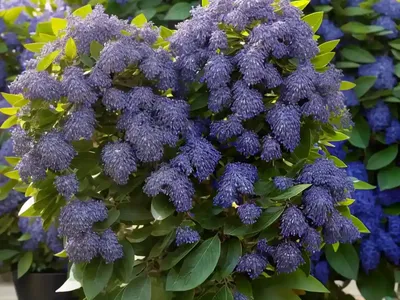
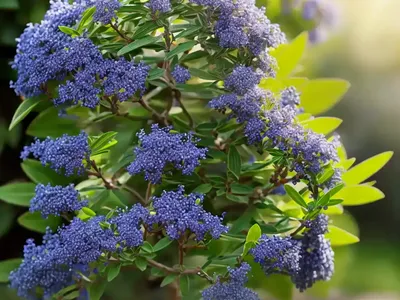
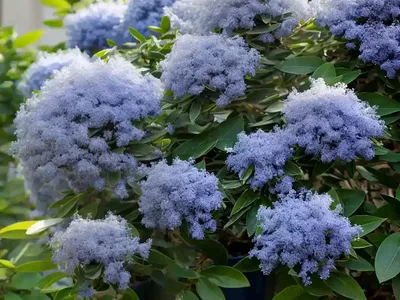
Ceanothus X Pallidus ‘Marie Simon’ (California Lilac)
Plants play a crucial role in our environment and in our lives. Not only do they provide us with food and oxygen, but they also enhance the beauty of our.
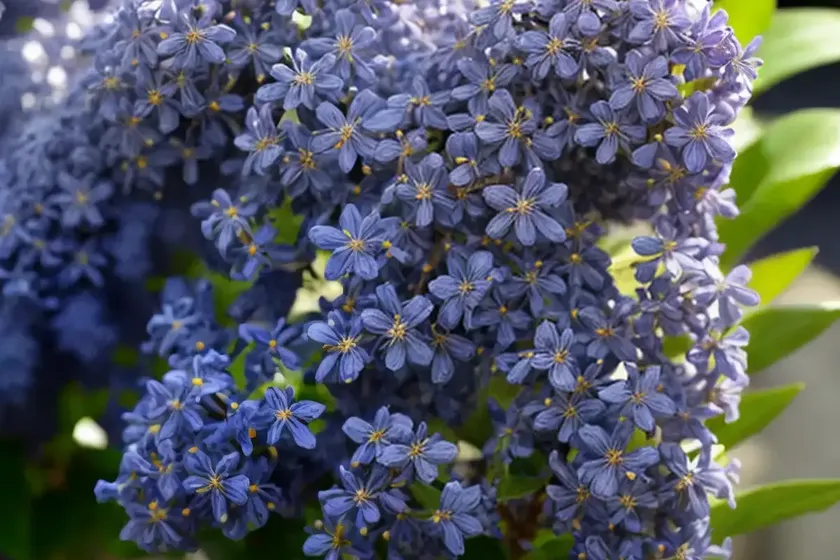
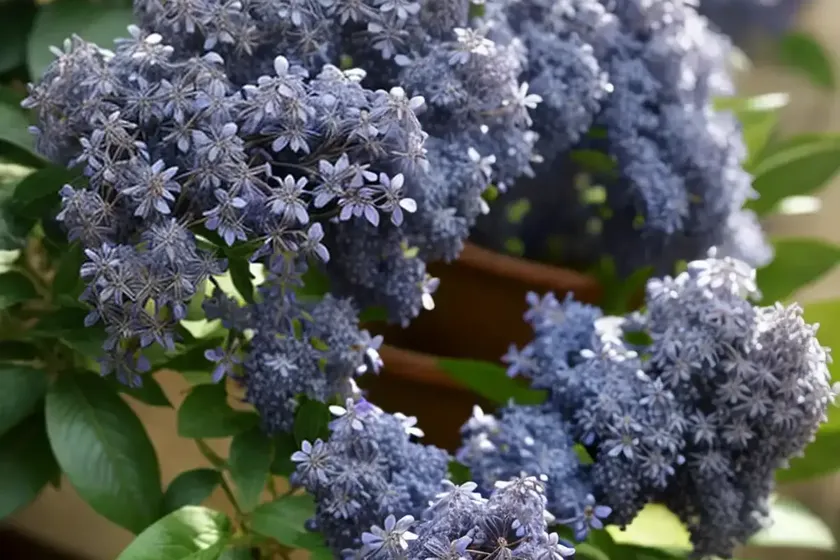
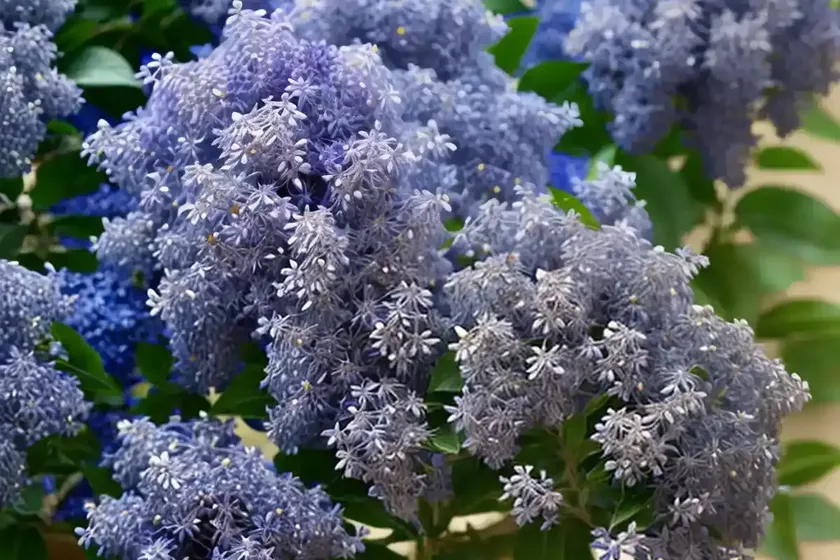
Plants play a crucial role in our environment and in our lives. Not only do they provide us with food and oxygen, but they also enhance the beauty of our surroundings. One such fascinating plant is the “Ceanothus x pallidus ‘Marie Simon’ (California Lilac)”, which is a stunning addition to any garden or landscape. In this comprehensive guide, we will explore the cultural, usage, care, and characteristics of this captivating plant.
What is “Ceanothus x pallidus ‘Marie Simon’?
“Ceanothus x pallidus ‘Marie Simon’ (California Lilac)” is a flowering shrub that belongs to the Ceanothus genus. It is a hybrid plant, resulting from the crossbreeding of different Ceanothus species. This cultivar is known for its bountiful clusters of small, fragrant flowers and its attractive dark green foliage, making it a popular choice for gardeners and landscapers.
Key Takeaways – Ceanothus x pallidus ‘Marie Simon’ (California Lilac)
- Scientific Name: Ceanothus x pallidus ‘Marie Simon’
- Common Name: California Lilac ‘Marie Simon’
- Family: Rhamnaceae
- USDA Hardiness Zones: 7-10
- Mature Height: 3-5 feet
- Mature Spread: 5-7 feet
- Flower Color: Pale blue to pink
- Bloom Time: Late spring to early summer
- Foliage: Dark green, glossy
- Sunlight: Full sun to partial shade
- Soil: Well-draining, slightly acidic
- Water: Low to moderate
- Uses: Ornamental, wildlife-friendly, erosion control
- Common Pests: Aphids, spider mites
- Common Diseases: Powdery mildew, root rot
Culture
When considering the culture of “Ceanothus x pallidus ‘Marie Simon'”, it’s important to understand the plant’s natural habitat and the conditions that help it thrive. This includes its native range, growing requirements, and general characteristics.
Native Range
The Ceanothus genus is native to North America, primarily found along the western coast and in the mountainous regions of the continent. The specific hybrid “Ceanothus x pallidus ‘Marie Simon'” inherits its traits from its parent species, which typically grow in rocky or sandy soils in open woodlands, chaparral, and coastal scrub environments.
Growing Requirements
To cultivate a healthy and vibrant “Ceanothus x pallidus ‘Marie Simon'”, it’s essential to provide the right growing conditions. Here are some key requirements:
- Sunlight: This cultivar thrives in full sun to partial shade. It should receive at least 6-8 hours of direct sunlight per day for optimal blooming and foliage development.
- Soil: Well-draining soil is crucial for the plant’s health. Soil with a slightly acidic to neutral pH level is preferred. Avoid waterlogged or compacted soils. Amending the soil with organic matter can improve its quality.
- Water: Once established, “Ceanothus x pallidus ‘Marie Simon'” is drought-tolerant and requires minimal watering. During its initial establishment phase, regular watering is recommended to help the roots develop.
- Climate: This cultivar is well-suited to Mediterranean climates, where it can benefit from mild, wet winters and dry summers. It may require protection from harsh winds and extreme temperatures.
Uses
“Ceanothus x pallidus ‘Marie Simon’ (California Lilac)” offers a range of uses, from its ornamental value to its ecological contributions. Understanding its multiple uses can help gardeners and landscapers make the most of this versatile plant.
Ornamental Use
The stunning clusters of pale blue to pink flowers and the glossy dark green foliage make “Ceanothus x pallidus ‘Marie Simon'” a prized ornamental plant. It can be used as a focal point in garden beds, borders, or mixed shrub plantings. Its compact and mounding growth habit adds visual interest to any landscape.
Wildlife-Friendly
The prolific flowers of “Ceanothus x pallidus ‘Marie Simon'” attract pollinators such as bees, butterflies, and hummingbirds. The plant provides a valuable nectar source for these beneficial insects and contributes to the overall biodiversity of the garden or natural habitat.
Erosion Control
Due to its dense root system and ability to thrive in challenging conditions, “Ceanothus x pallidus ‘Marie Simon'” is often used for erosion control on slopes and embankments. The plant’s stabilizing roots help prevent soil erosion and can enhance the stability of a landscape.
Water
Watering “Ceanothus x pallidus ‘Marie Simon’ (California Lilac)” is an important part of its care regimen, especially during its early stages of growth and establishment. Proper watering practices can contribute to the plant’s health and vitality.
Establishment Period
During the first 1-2 years after planting, “Ceanothus x pallidus ‘Marie Simon'” requires regular watering to establish a strong and expansive root system. Water deeply but infrequently to encourage deep root growth rather than shallow, surface roots. This will help the plant withstand periods of drought in the future.
Mature Plants
Once established, “Ceanothus x pallidus ‘Marie Simon’ is remarkably drought-tolerant and requires minimal supplemental watering. In most regions, natural rainfall provides an adequate water supply for the plant. However, during prolonged dry periods, especially in the summer, infrequent deep watering can help maintain its health and vigor.
Watering Tips
- Observation: Monitor the plant for signs of stress, such as wilting or leaf curling, which may indicate the need for watering.
- Soil Moisture: Check the soil moisture levels before watering. A finger inserted into the soil can help determine if watering is necessary.
- Deep Watering: When watering, provide a slow, deep soak to ensure moisture reaches the plant’s root zone.
- Mulching: Applying a layer of organic mulch around the base of the plant can help retain soil moisture and regulate the temperature of the root zone.
Sunlight
The amount of sunlight that “Ceanothus x pallidus ‘Marie Simon’ (California Lilac)” receives directly impacts its growth, flowering, and overall health. Understanding its sunlight requirements is crucial for successful cultivation.
Sun Exposure
- Full Sun: “Ceanothus x pallidus ‘Marie Simon'” thrives in full sun and produces the most abundant and vibrant blooms when exposed to ample sunlight.
- Partial Shade: While the plant prefers full sun, it can tolerate partial shade, especially in regions with intense afternoon sun or during exceptionally hot summer days. In partial shade, the plant may have slightly reduced flower production but will still exhibit healthy growth.
Sunlight Considerations
- Orientation: When selecting a planting location, consider the orientation of the area to ensure that the plant receives the appropriate amount of sunlight throughout the day.
- Shade Patterns: Observe any changes in sunlight patterns throughout the year, especially in areas with deciduous trees or structures that may alter the plant’s exposure to sunlight.
Fertilizer
Proper fertilization is key to encouraging healthy growth and abundant flowering in “Ceanothus x pallidus ‘Marie Simon’ (California Lilac)”. Understanding the plant’s nutritional needs and the best fertilization practices is essential for its overall well-being.
Nutritional Requirements
“Ceanothus x pallidus ‘Marie Simon'” has relatively moderate nutritional needs and can thrive in nutrient-poor soils. Excessive fertility can lead to lush, vegetative growth at the expense of flowering. A balanced approach to fertilization is recommended to support the plant’s natural growth habits.
Fertilization Timing
- Early Spring: Apply a slow-release, balanced fertilizer in early spring as new growth begins. This helps promote healthy foliage development and supports the upcoming flowering period.
- Avoid Late Fertilization: Refrain from applying fertilizers in late summer or fall, as this can stimulate new growth that may be susceptible to winter frost or cold damage.
Fertilizer Selection
- Balanced Formulation: Choose a fertilizer with balanced N-P-K (nitrogen, phosphorus, and potassium) proportions, such as a 10-10-10 or 20-20-20 blend.
- Slow-Release: Opt for slow-release fertilizers, as they provide a steady supply of nutrients over an extended period, reducing the risk of over-fertilization.
Application Method
- Even Distribution: Spread the fertilizer evenly around the plant’s root zone, taking care to avoid direct contact with the stems or foliage.
- Watering After Application: Water the area thoroughly after applying the fertilizer to encourage the nutrients to penetrate into the soil and reach the plant’s root system.
Soil
The soil in which “Ceanothus x pallidus ‘Marie Simon’ (California Lilac)” is planted significantly influences its growth, health, and overall performance. Understanding the ideal soil conditions and implementing soil improvement practices can have a positive impact on the plant’s vitality.
Ideal Soil Characteristics
- Well-Draining: “Ceanothus x pallidus ‘Marie Simon’ thrives in well-draining soil to prevent waterlogging and root rot. Sandy or loamy soils with good drainage are suitable for this plant.
- pH Level: The ideal soil pH for “Ceanothus x pallidus ‘Marie Simon’ is slightly acidic to neutral, ranging from 6.0 to 7.0. Conduct a soil test to determine the pH level and make necessary adjustments if the soil is too alkaline.
Soil Improvement
- Organic Matter: Amending the soil with organic matter, such as well-rotted compost or aged manure, can improve its structure and fertility. This helps create an ideal growing environment for the plant’s roots.
- Mulching: Applying a layer of organic mulch around the base of the plant helps maintain soil moisture, regulate temperature, and add organic matter to the soil as it decomposes.
Pruning
Proper pruning is an essential aspect of “Ceanothus x pallidus ‘Marie Simon’ (California Lilac)” care, contributing to its overall health, shape, and flowering capability. Understanding the best pruning practices and timing is crucial for maintaining the plant’s vigor.
Pruning Goals
- Shape Maintenance: Pruning helps control the plant’s size and shape, promoting a compact and well-balanced growth habit.
- Encouraging Flowering: Regular pruning stimulates new growth, which enhances flowering and keeps the plant’s appearance attractive.
- Removal of Dead or Diseased Wood: Pruning allows for the removal of dead, damaged, or diseased branches, promoting overall plant health.
Pruning Timing
- After Flowering: For “Ceanothus x pallidus ‘Marie Simon'”, the ideal time for pruning is just after it finishes flowering, typically in late spring or early summer. This allows the plant to set new buds for the next year’s bloom.
Pruning Techniques
- Deadheading: Removing spent flowers immediately after blooming encourages the plant to produce new buds and prolongs the flowering period.
- Selective Pruning: Carefully prune the oldest and woody stems to encourage new growth from the base of the plant while maintaining its natural shape and structure.
- Sanitization: Use clean, sharp pruning tools to avoid causing damage or introducing diseases to the plant. Disinfect the tools between cuts, especially when removing diseased branches.
Propagation
The propagation of “Ceanothus x pallidus ‘Marie Simon’ (California Lilac)” allows for the expansion of its presence in a garden or the production of new plants for landscaping purposes. Understanding the various propagation methods and when to perform them can help gardeners reproduce this cultivar successfully.
Propagation Methods
- Cuttings: Propagation from semi-hardwood cuttings taken in late spring or early summer is a common and effective method for multiplying “Ceanothus x pallidus ‘Marie Simon'”. The cuttings should be treated with a rooting hormone and rooted in a well-draining medium.
- Seeds: While possible, propagation from seeds may result in variations and may not produce true-to-type offspring. If collecting seeds from the plant, sow them in a seed-starting mix and provide the necessary conditions for germination.
Propagation Timing
- Late Spring: Propagation from cuttings is best performed in late spring or early summer when the plant is actively growing and capable of producing new roots.
- Seed Harvest: If attempting propagation from seeds, harvest them from the plant after the flowering period, dry them, and store them for sowing in the following growing season.
Care for Propagated Plants
- Rooting Conditions: Provide consistent moisture and a warm, bright environment for rooted cuttings to ensure successful establishment.
- Hardening Off: Gradually acclimate propagated plants to outdoor conditions before transplanting them into their permanent growing locations to reduce transplant shock.
Container Popularity
“Ceanothus x pallidus ‘Marie Simon’ (California Lilac)” is popular among gardeners and landscape enthusiasts for its suitability in container gardening. Its relatively compact size, attractive foliage, and vibrant flowers make it a sought-after plant for container cultivation.
Container Selection
- Size: Choose a container that accommodates the plant’s root system while providing sufficient room for growth. A container with a diameter of 18-24 inches is generally suitable for a mature “Ceanothus x pallidus ‘Marie Simon’.”
- Drainage: Proper drainage is crucial to prevent waterlogging, so select a container with drainage holes at the base to allow excess water to escape.
Container Growing Tips
- Soil Quality: Use a well-draining potting mix formulated for woody shrubs, or create a blend using equal parts of peat moss, perlite, and compost.
- Watering: Container-grown plants may require more frequent watering than those in the ground, especially during hot weather. Monitor soil moisture levels and water when the top inch of the soil feels dry to the touch.
- Overwintering: In regions with cold winters, protect the container-grown plant from freezing temperatures by moving it to a sheltered location or insulating the container.
Design and Placement
- Aesthetic Appeal: Utilize “Ceanothus x pallidus ‘Marie Simon'” in containers to enhance patios, decks, or other outdoor living spaces with its colorful blooms and foliage.
- Mobility: Containers allow for the flexibility to move the plant to different areas based on sunlight and seasonal requirements, maximizing its growth potential.
Common Diseases
“Ceanothus x pallidus ‘Marie Simon’ (California Lilac)” is generally a resilient and low-maintenance plant when grown under suitable conditions. However, it is susceptible to certain diseases, which can impact its growth and appearance if not managed effectively.
Powdery Mildew
- Symptoms: Powdery mildew appears as a white, powdery substance on the leaves and shoots of the plant. It can lead to distorted growth and reduced flowering.
- Management: Provide adequate air circulation around the plant, avoid overhead watering, and apply fungicidal treatments if the disease persists.
Root Rot
- Symptoms: Root rot, caused by waterlogged or poorly-draining soil, results in wilting, yellowing of foliage, and eventual decline of the plant.
- Management: Improve soil drainage, avoid overwatering, and, if feasible, consider transplanting the plant to a more suitable location.
Disease Diagnosis
Identifying diseases that may affect “Ceanothus x pallidus ‘Marie Simon’ (California Lilac)” is essential for timely intervention and effective management. Understanding the symptoms and signs of common diseases can help in accurate diagnosis.
Visual Symptoms
- Leaf Spots: Circular or irregular spots on the leaves that may be discolored or have a water-soaked appearance.
- Wilting: Drooping or wilting of foliage that is not caused by water stress or environmental factors.
- Abnormal Growth: Distorted or stunted growth, particularly in new shoots or flower buds.
Physical Examination
- Inspecting Roots: Carefully dig around the base of the plant to examine the roots for signs of rot or discoloration.
- Leaf Examination: Examine the undersides of leaves for the presence of powdery mildew or other fungal growth.
Professional Consultation
- Plant Pathologist: If uncertain about the diagnosis, consult a plant pathologist or local agricultural extension service for accurate disease identification and management recommendations.
Common Pests
“Ceanothus x pallidus ‘Marie Simon’ (California Lilac)” may encounter various pests that can diminish its vigor and flowering capability. Being aware of these pests and implementing control measures are essential for maintaining the plant’s health.
Aphids
- Appearance: Small, soft-bodied insects that may be green, black, or red in color.
- Damage: Aphids suck sap from the plant, causing distorted growth, yellowing leaves, and the formation of sticky honeydew on the foliage.
- Control: Use insecticidal soap or horticultural oils to manage aphid infestations. Encourage natural predators such as ladybugs and lacewings.
Spider Mites
- Signs: Fine webbing on the undersides of leaves and stippled or discolored foliage.
- Damage: Spider mites feed on plant sap, leading to a weakened and unhealthy appearance of the plant.
- Management: Regularly hose down the foliage to reduce mite populations, and use miticides if infestations are severe.
Botanist’s Tips
As a plant scientist, I want to share some additional insights and tips for growing “Ceanothus x pallidus ‘Marie Simon’ (California Lilac)” based on botanical knowledge and research findings.
Soil pH Preferences
- Optimal Range: “Ceanothus x pallidus ‘Marie Simon'” thrives best in slightly acidic to neutral soil with a pH range of 6.0 to 7.0, providing an ideal environment for nutrient uptake and root health.
Wildlife Attraction
- Ecological Value: Besides attracting pollinators, “Ceanothus x pallidus ‘Marie Simon'” serves as a valuable food and shelter source for beneficial insects and small wildlife, contributing to a balanced ecosystem in the garden.
Drought Tolerance
- Water-Wise Plant: Once established, “Ceanothus x pallidus ‘Marie Simon'” exhibits excellent drought tolerance and requires minimal supplemental watering, making it suitable for water-wise gardening and landscapes.
Fun Facts
Here are some intriguing and fun facts about “Ceanothus x pallidus ‘Marie Simon’ (California Lilac)”:
- The Ceanothus genus includes over 50 species, with “Ceanothus x pallidus ‘Marie Simon'” being a popular hybrid cultivar.
- The