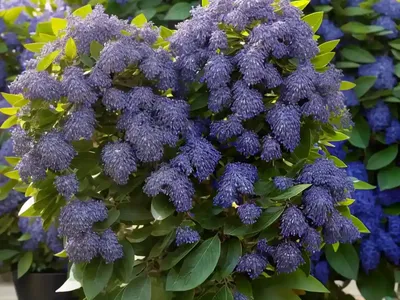
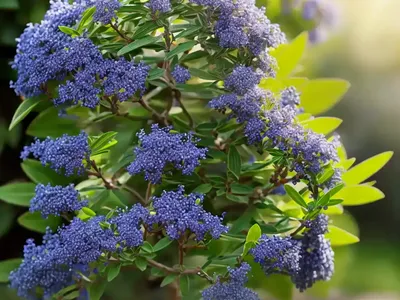
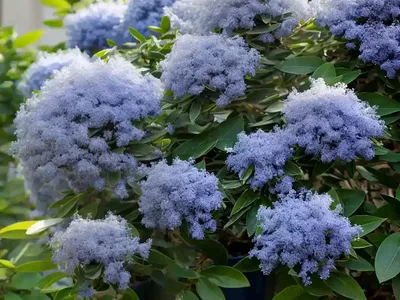
Ceanothus Thyrsiflorus Var. Repens (Creeping Blue Blossom)
Ceanothus thyrsiflorus var. repens, commonly known as Creeping Blue Blossom, is a charming and versatile evergreen shrub native to California. This plant.
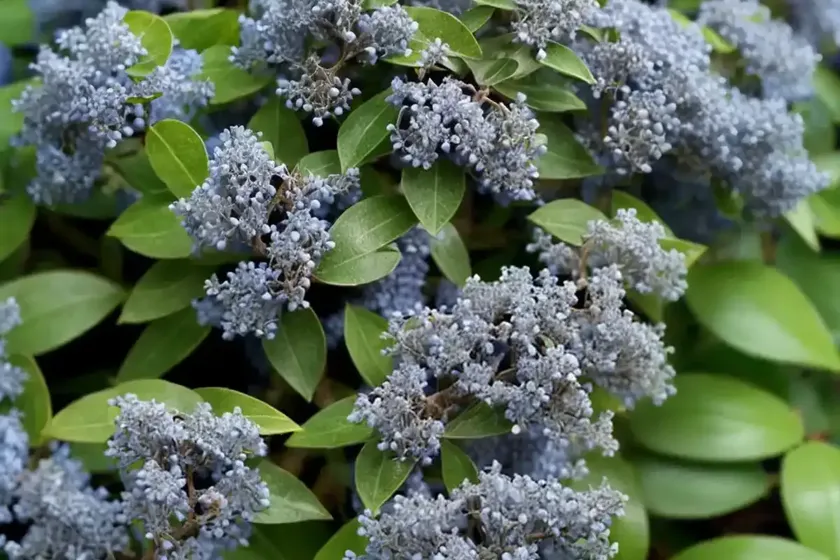
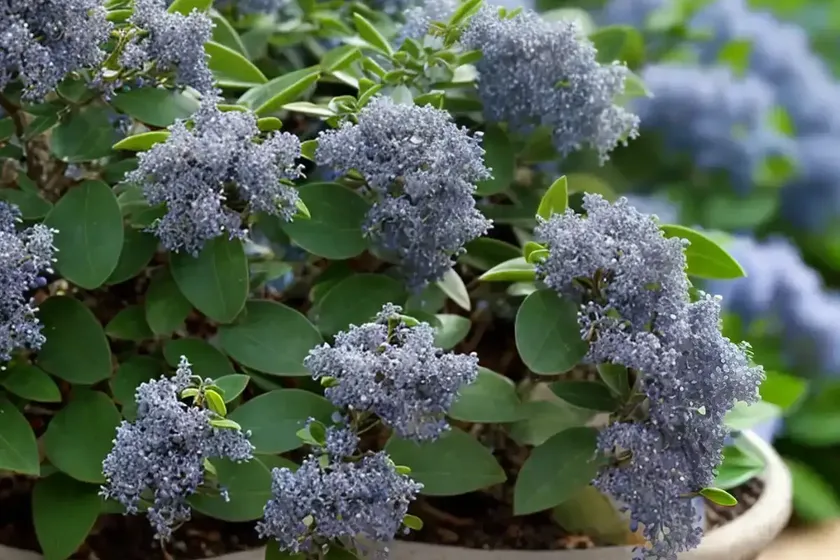
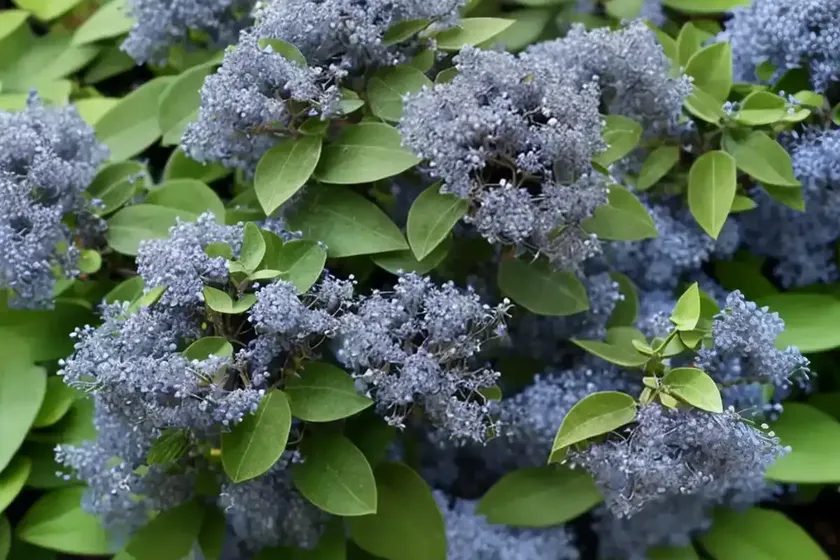
Ceanothus thyrsiflorus var. repens, commonly known as Creeping Blue Blossom, is a charming and versatile evergreen shrub native to California. This plant belongs to the Rhamnaceae family and is treasured for its beautiful blue blossoms and its ability to thrive in various environmental conditions. As a plant scientist, it’s my pleasure to delve into the intricate details of this fascinating plant, sharing insights into its culture, uses, care requirements, and propagation. Whether you’re a seasoned gardener or just starting your green journey, understanding the nuances of Ceanothus thyrsiflorus var. repens can enrich your botanical knowledge and elevate your gardening experience.
Key Takeaways – Ceanothus thyrsiflorus var. repens (Creeping Blue Blossom)
Before we embark on our exploration of the delightful Creeping Blue Blossom, let’s take a moment to outline the key takeaways that will be covered in this comprehensive guide:
- Plant Name: Ceanothus thyrsiflorus var. repens (Creeping Blue Blossom)
- Culture: Understanding the environmental preferences and habitat of the plant.
- Uses: Exploring the various applications of the Creeping Blue Blossom.
- Water: Guidelines for watering the plant to ensure optimal health and growth.
- Sunlight: Determining the ideal sunlight requirements for promoting blooming.
- Fertilizer: Nurturing the plant with appropriate fertilization methods.
- Soil: Assessing the soil needs for supporting healthy growth.
- Pruning: Guidelines for pruning to maintain an appealing form and promote flowering.
- Propagation: Techniques for propagating Ceanothus thyrsiflorus var. repens.
- Container Popularity: Insights into the suitability of container gardening for this plant.
- Container Common Diseases: Common diseases associated with container-grown Creeping Blue Blossom.
- Disease Diagnosis: Identifying and addressing diseases that may affect the plant.
- Common Pests: Recognizing and managing pests that can impact the plant’s health.
- Botanist’s Tips: Expert tips for effectively caring for Ceanothus thyrsiflorus var. repens.
- Fun Facts: Engaging and intriguing facts about the Creeping Blue Blossom.
- Links to External Resources: Valuable references for further exploration of this captivating plant.
Now that we have a roadmap in place, let’s dive into the world of Ceanothus thyrsiflorus var. repens, unraveling its unique characteristics and the best practices for cultivating and appreciating this remarkable species.
What is Ceanothus thyrsiflorus var. repens?
Ceanothus thyrsiflorus var. repens, also known as Creeping Blue Blossom, is an evergreen shrub that is indigenous to the coastal regions of California. This plant is celebrated for its trailing and spreading growth habit, forming a dense mat of glossy green foliage punctuated by clusters of delicate blue flowers. As part of the Ceanothus genus, it is closely related to the broader family of California Lilacs, known for their stunning floral displays and adaptability to diverse environmental conditions.
The Creeping Blue Blossom typically reaches a height of 1 to 2 feet, with a spread that can extend up to 6 to 8 feet, making it an ideal choice for ground cover in gardens and landscapes. The foliage is dark green and lustrous, offering a striking visual contrast to the profusion of sky-blue blossoms that adorn the plant in the spring months. Despite its delicate appearance, Ceanothus thyrsiflorus var. repens is remarkably resilient, demonstrating a robust nature that enables it to withstand coastal winds and thrive in well-drained soils.
True to its moniker, the Creeping Blue Blossom is a prolific bloomer, gracing the garden with an abundance of tiny, star-shaped flowers that attract pollinators, such as bees and butterflies, adding to the ecological significance of this plant. The nectar-rich blooms contribute to the biodiversity of the garden, fostering an environment that supports the overall health of the ecosystem.
Beyond its ornamental value, Ceanothus thyrsiflorus var. repens offers ecological benefits by stabilizing soil with its root system and providing cover for small animals and beneficial insects. Its evergreen nature ensures that it maintains an attractive appearance year-round, making it a valuable addition to garden landscapes, particularly in regions with mild, Mediterranean-like climates.
Now that we have gained an understanding of the intriguing characteristics of the Creeping Blue Blossom, let’s delve into the specifics of its culture, usage, and the best practices for nurturing this enchanting plant.
Culture
Understanding the cultural requirements of Ceanothus thyrsiflorus var. repens is paramount for creating an environment that fosters its optimal growth and flourishing. By delving into the plant’s native habitat and ecological preferences, we can gain insights into the conditions that are conducive to its well-being. Here’s a detailed look at the cultural aspects of the Creeping Blue Blossom:
Native Habitat
The native habitat of Ceanothus thyrsiflorus var. repens encompasses the coastal regions of California, including areas near the Pacific Ocean. This plant is well adapted to the Mediterranean climate of its natural range, characterized by mild, wet winters and dry summers. The coastal influence ensures that the plant experiences moderate temperatures and high humidity, factors that are integral to its growth and blooming cycle.
Environmental Preferences
To replicate the ideal conditions of its native habitat, it is essential to consider the following environmental preferences for Ceanothus thyrsiflorus var. repens:
-
Temperature: The Creeping Blue Blossom thrives in mild temperatures and is well-suited to USDA hardiness zones 7 to 10, where it can endure temperatures as low as 0°F (-17.8°C) without sustaining damage. Protection from extreme heat and cold is beneficial for promoting the plant’s vigor and blooming.
-
Moisture: While the plant exhibits good drought tolerance once established, it benefits from occasional deep watering during prolonged dry spells, particularly in hot inland regions. It is essential to strike a balance, ensuring that the soil remains well-drained to prevent waterlogging, which can be detrimental to the roots.
-
Humidity: The Creeping Blue Blossom appreciates moderate to high humidity levels, mirroring the coastal influence of its natural habitat. It may require supplemental moisture in arid inland areas to maintain optimal humidity levels and prevent stress to the plant.
-
Wind Exposure: The trailing growth habit of Ceanothus thyrsiflorus var. repens makes it well-suited to coastal landscapes where it can benefit from the gentle movement of ocean breezes. Shelter from strong winds is advisable, as excessive exposure can damage the delicate foliage.
By establishing an environment that aligns with the plant’s environmental preferences, we can create a setting that encourages the Creeping Blue Blossom to thrive and infuse the landscape with its captivating beauty.
Uses
The versatile nature of Ceanothus thyrsiflorus var. repens makes it a prized addition to garden landscapes, offering a multitude of uses that cater to both aesthetic and ecological purposes. Let’s explore the various applications of the Creeping Blue Blossom and the ways in which it enhances garden environments and supports biodiversity.
Ornamental Value
As an ornamental plant, the Creeping Blue Blossom excels in providing ground cover that is both visually appealing and ecologically beneficial. Its trailing and spreading growth habit allows it to form a dense mat of evergreen foliage, serving as an attractive backdrop for the exquisite blue blossoms that adorn the plant in the spring.
Whether used as a ground cover under trees, along slopes, or as part of mixed borders, Ceanothus thyrsiflorus var. repens contributes to the aesthetic appeal of the garden, adding a touch of natural elegance and charm. The vibrant blue flowers create a captivating focal point, drawing attention and instilling a sense of tranquility and beauty in the garden landscape.
Erosion Control
The robust root system and spreading growth habit of the Creeping Blue Blossom make it an effective erosion control plant. By stabilizing the soil with its roots and forming a dense ground cover, it helps prevent soil erosion, particularly in sloped or vulnerable areas where soil displacement is a concern. In coastal landscapes, where the plant is naturally at home, it aids in maintaining the integrity of the soil structure, effectively mitigating erosion and promoting soil conservation.
Wildlife Habitat
Beyond its visual appeal, Ceanothus thyrsiflorus var. repens serves as an essential component of wildlife habitats, supporting biodiversity and ecological balance. The nectar-rich blooms attract a myriad of pollinators, including bees and butterflies, contributing to the pollination of surrounding plants and sustaining the health of local ecosystems. Additionally, the dense foliage provides cover for small animals and beneficial insects, fostering a thriving microhabitat within the garden.
Medicinal and Aromatic Qualities
Several species within the Ceanothus genus have historical uses in traditional herbal medicine, with some species recognized for their astringent, diuretic, and tonic properties. While the Creeping Blue Blossom is not as extensively documented for medicinal applications, it shares some of the aromatic qualities and phytochemical profiles that are characteristic of the broader Ceanothus genus, sparking interests in its potential medicinal attributes.
By understanding the diverse uses of Ceanothus thyrsiflorus var. repens, we gain insights into the plant’s multifaceted utility, magnifying its significance as a valuable addition to garden landscapes and natural ecosystems.
Water
Watering is a critical aspect of caring for Ceanothus thyrsiflorus var. repens, as it directly impacts the plant’s vitality, blooming, and overall health. Understanding the moisture needs of the Creeping Blue Blossom and implementing appropriate watering practices are essential for fostering its optimal growth and resilience. Here’s a comprehensive overview of the watering guidelines for Ceanothus thyrsiflorus var. repens:
Established Plants
Once established, Ceanothus thyrsiflorus var. repens demonstrates good drought tolerance, displaying the ability to thrive with minimal supplemental watering. However, during periods of extended dryness, particularly in hot inland regions, it is advisable to provide the plant with deep, infrequent watering to sustain its vigor and prevent water stress. Here are some key considerations for watering established Creeping Blue Blossom plants:
-
Deep Watering: When watering established plants, aim for deep saturation of the root zone to encourage the formation of a robust and resilient root system. Providing water to a depth of at least 12 to 18 inches promotes root development and enhances the plant’s ability to withstand dry conditions.
-
Frequency: While the plant can withstand periods of drought, it benefits from supplemental watering every 2 to 4 weeks during the dry season, depending on the moisture levels and temperature fluctuations. Adjust the frequency of watering based on the specific environmental conditions and the moisture retention capacity of the soil.
-
Monitoring Soil Moisture: Regularly assess the moisture level of the soil to gauge the plant’s watering needs accurately. A simple soil moisture meter or manual assessment by probing the soil can provide insights into whether watering is required.
-
Watering Considerations: It is essential to strike a balance, providing adequate moisture without creating waterlogged conditions that can lead to root rot. Pay attention to the soil drainage and adjust the watering regimen accordingly to prevent water accumulation around the roots.
By adhering to these watering guidelines, we can ensure that established Ceanothus thyrsiflorus var. repens plants receive the appropriate moisture levels to maintain their health and vitality over the changing seasons.
Young Plants and Establishment Phase
During the establishment phase, young Creeping Blue Blossom plants benefit from regular watering to foster root development and support healthy growth. Ensuring consistent moisture levels in the soil is crucial for aiding the plant in acclimating to its new environment and establishing strong roots. Here are the key factors to consider when watering young Ceanothus thyrsiflorus var. repens plants:
-
Initial Watering: Upon planting, provide a thorough watering to settle the soil and initiate the establishment process. This helps in eliminating air pockets around the roots and ensuring the young plant has access to essential moisture.
-
Frequent Watering: Young plants necessitate more frequent watering than established ones, particularly during the initial months after planting. Provide water as needed to maintain consistent moisture in the root zone, ensuring that the soil does not dry out completely.
-
Observation and Adjustment: Monitor the response of the young plants to watering, noting any signs of wilting or stress. Adjust the watering frequency based on the plant’s specific requirements and the prevailing environmental conditions.
By prioritizing attentive watering practices during the establishment phase, we can set the stage for the successful acclimatization and growth of young Ceanothus thyrsiflorus var. repens plants, laying a solid foundation for their future development.
Consideration of Environmental Factors
It is essential to consider the prevailing environmental factors, such as temperature, humidity, and sunlight exposure, in relation to the watering needs of Ceanothus thyrsiflorus var. repens. Adjust the watering regimen based on the specific conditions of the planting site, ensuring that the plant’s moisture requirements are effectively addressed. By integrating these considerations into the watering practices, we can create an environment that supports the optimal growth and resilience of the Creeping Blue Blossom.
By integrating these considerations into the watering practices, we can create an environment that supports the optimal growth and resilience of the Creeping Blue Blossom.
Sunlight
The exposure to sunlight significantly influences the blooming, vigor, and overall well-being of Ceanothus thyrsiflorus var. repens, making it imperative to understand the plant’s sunlight requirements and provide the appropriate exposure for its optimal growth. By taking into account the specific sunlight preferences of the Creeping Blue Blossom, we can create an environment that promotes its flowering and maintains its vigor. Let’s examine the sunlight considerations for Ceanothus thyrsiflorus var. repens:
Sunlight Preferences
Ceanothus thyrsiflorus var. repens flourishes in locations that offer ample sunlight, particularly in regions with a Mediterranean-like climate where the plant naturally thrives. Providing the plant with full to partial sunlight exposure is conducive to promoting robust growth and profuse blooming. Here are the key aspects of the plant’s sunlight preferences to consider:
-
Full Sun Exposure: The Creeping Blue Blossom thrives in locations that receive full sun, defined as at least 6 to 8 hours of direct sunlight daily. By providing ample sunlight, the plant demonstrates enhanced blooming and maintains a vigorous growth habit that contributes to its ornamental appeal.
-
Partial Shade Tolerance: While the plant favors full sun exposure, it can tolerate periods of partial shade, particularly in regions with intense afternoon sunlight or during periods of extreme heat. Partial shade can offer relief from excessive heat stress and benefit the plant’s overall health.
-
Consideration of Regional Variations: Depending on the specific regional climate and temperature fluctuations, it is essential to adjust the plant’s exposure to sunlight to ensure that it receives the optimal balance of light and shade. Adapting the sun exposure based on the prevailing conditions helps maintain the plant’s vigor and resilience.
By integrating these sunlight considerations into the cultivation of Ceanothus thyrsiflorus var. repens, we can create an environment that fosters the plant’s health, blooming capabilities, and overall vitality.
Fertilizer
Providing appropriate nourishment through fertilization is essential for promoting the health and blooming of Ceanothus thyrsiflorus var. repens. Understanding the plant’s fertilizer requirements and implementing a suitable fertilization regimen are integral aspects of caring for the Creeping Blue Blossom. By delving into the best practices for fertilizing Ceanothus thyrsiflorus var. repens, we can enhance its vigor and floral display. Here’s an in-depth perspective on the fertilizer considerations for this captivating plant:
Nutrient Needs
Ceanothus thyrsiflorus var. repens benefits from a balanced and well-rounded nutrient profile to support its growth, blooming, and overall resilience. While it is naturally adapted to lean, well-drained soils, providing supplemental nutrients through fertilization can bolster the plant’s health. Here are the key nutrient needs to consider when fertilizing the Creeping Blue Blossom:
-
Nitrogen (N): Nitrogen is crucial for promoting robust foliage growth and supporting the plant’s green vigor. However, excessive nitrogen can lead to excessive vegetative growth at the expense of blooming, so it is important to provide a balanced nitrogen supply that caters to the plant’s overall needs.
-
Phosphorus (P): Phosphorus plays a pivotal role in stimulating blooming and enhancing the plant’s flower production. Providing adequate phosphorus supports the development of healthy blooms and contributes to the ornamental value of the Creeping Blue Blossom.
-
Potassium (K): Potassium aids in strengthening the plant’s resilience to environmental stress, contributing to its overall vigor and ability to withstand adverse conditions. It promotes root development and supports the plant’s capacity to resist disease and pests.
Fertilization Guidelines
When devising a fertilization regimen for Ceanothus thyrsiflorus var. repens, it is essential to align with the plant’s preferences for lean and well-drained soils. Here are the fundamental principles to consider when fertilizing the Creeping Blue Blossom:
-
Moderate Fertilization: Due to the plant’s adaptation to nutrient-poor soils, it is advisable to apply a moderate amount of fertilizer, selecting formulations with lower nitrogen content to prevent excessive vegetative growth. A balanced fertilizer with a formulation such as 5-10-10 or 10-10-10 can provide a suitable nutrient balance for the plant’s needs.
-
Timing of Fertilization: Apply fertilizer in late winter or early spring, just before the onset of the plant’s blooming season. This timing allows the plant to benefit from the nutrient boost as it prepares for the prolific display of blue blossoms.
-
Fertilizer Application: Spread the fertilizer evenly around the base of the plant, avoiding direct contact with the foliage to prevent potential burning. Water the plant after fertilization to facilitate the absorption of the nutrients into the soil.
By adhering to these fertilization guidelines, we can ensure that Ceanothus thyrsiflorus var. repens receives the appropriate nutrients to support its growth, blooming, and overall vitality, contributing to the resplendent beauty of this fascinating plant.
Soil
The soil composition and structure play a pivotal role in sustaining the health, growth, and blooming of Ceanothus thyrsiflorus var. repens. Understanding the specific soil needs of the Creeping Blue Blossom and implementing appropriate soil management practices are integral for creating an environment that supports the plant’s resilience and ornamental value. Here’s a comprehensive exploration of the soil considerations for Ceanothus thyrsiflorus var. repens:
Soil Preferences
Ceanothus thyrsiflorus var. repens thrives in lean, well-drained soils that mirror the conditions of its native habitat in the coastal regions of California. The plant exhibits a preference for soil characterized by the following attributes:
- Drainage: Well-drained soil that prevents waterlogging and offers effective drainage is essential