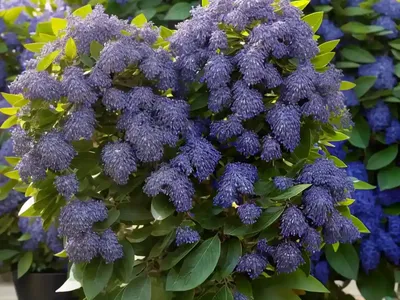
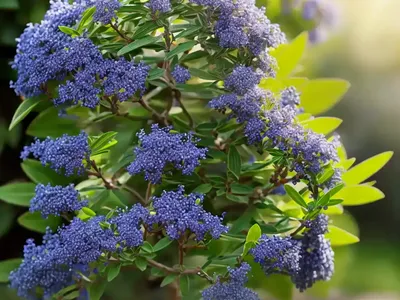
Ceanothus Thyrsiflorus Var. Griseus (Carmel Ceanothus)
Ceanothus thyrsiflorus var. griseus, commonly known as Carmel Ceanothus, is a species of flowering shrub that belongs to the Rhamnaceae family. This.
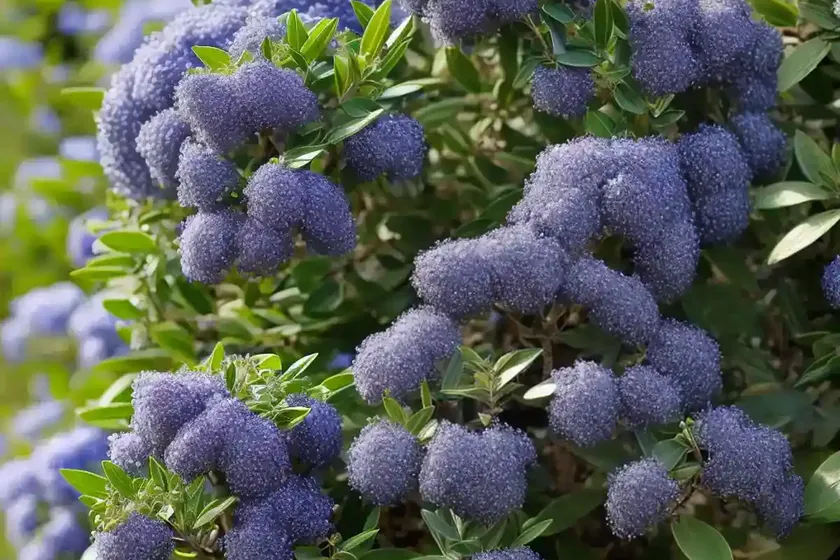
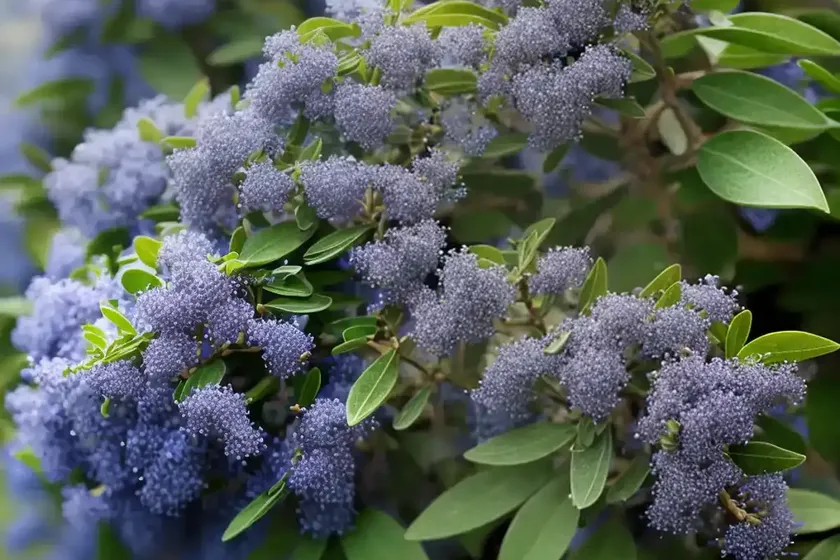
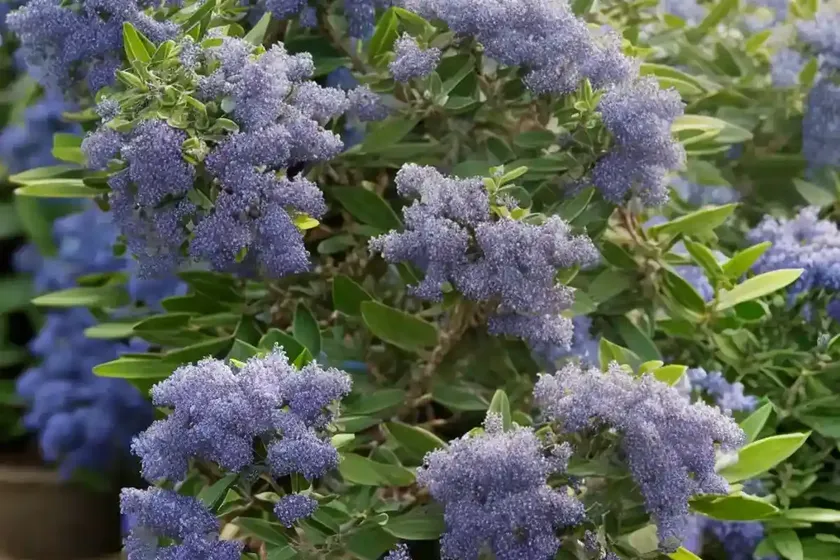
Introduction to Ceanothus thyrsiflorus var. griseus
Ceanothus thyrsiflorus var. griseus, commonly known as Carmel Ceanothus, is a species of flowering shrub that belongs to the Rhamnaceae family. This evergreen shrub is native to California and is highly prized for its stunning display of blue flowers, making it a popular choice for gardens and landscapes in the region. With its striking beauty and tolerance of various growing conditions, the Carmel Ceanothus has earned a special place in horticulture and landscape design.
This blog post aims to provide an in-depth look at the characteristics, cultivation, and care of Ceanothus thyrsiflorus var. griseus, offering valuable insights for both gardening enthusiasts and plant professionals. Whether you are considering adding this plant to your garden or seeking information on its maintenance, this comprehensive guide has got you covered.
Key Takeaways – Ceanothus thyrsiflorus var. griseus (Carmel Ceanothus)
Before delving into the specifics of cultivating and caring for the Carmel Ceanothus, it’s essential to grasp some key takeaways about this fascinating plant.
Culture
- Name: Ceanothus thyrsiflorus var. griseus (Carmel Ceanothus)
- Common Names: California lilac, Blueblossom, Gray-leaf ceanothus
- Type: Evergreen flowering shrub
- Family: Rhamnaceae
- Origin: California, United States
Uses
- Ornamental purposes: Ideal for gardens, landscapes, and native plant gardens
- Wildlife attraction: Attracts pollinators, including bees and butterflies
Water
- Watering needs: Drought-tolerant once established but will benefit from occasional watering, especially during dry periods
Sunlight
- Sun exposure: Thrives in full sun to partial shade
Fertilizer
- Fertilization: Minimal to no fertilization required in nutrient-rich soils
Soil
- Soil type: Well-draining, sandy or loamy soil; tolerant of various soil types
- pH range: Acidic to slightly alkaline soils
Pruning
- Pruning needs: Minimal pruning required; primarily for shaping and maintenance
Propagation
- Propagation methods: Can be propagated from seeds or cuttings
- Propagation time: Best propagated in the spring or early summer
Container Popularity
- Suitable for container gardening with proper drainage and care
Common Diseases
- Susceptible to fungal diseases under prolonged wet conditions
Disease Diagnosis
- Monitoring for signs of powdery mildew, root rot, and leaf spot diseases
Common Pests
- Pest resistance: Generally pest-resistant but can occasionally face issues from scale insects and aphids
Botanist’s Tips
- Due to its native habitat, consider using the Carmel Ceanothus in coastal landscapes and native plant gardens
- Prune after flowering to encourage bushier growth and enhance its natural form
Fun Facts
- The Carmel Ceanothus plays a crucial role in supporting native pollinators, making it a valuable addition to ecologically conscious gardens
- Its vibrant blue flowers symbolize the beauty of California’s native flora, adding a touch of natural elegance to any landscape
Now that we have a solid foundation of understanding about Ceanothus thyrsiflorus var. griseus, let’s delve into each aspect in detail to equip you with the knowledge needed to cultivate and care for this remarkable plant.
Plant Name: Ceanothus thyrsiflorus var. griseus (Carmel Ceanothus)
To fully appreciate and comprehend the essence of Ceanothus thyrsiflorus var. griseus, it’s essential to explore the intricacies of its name and its significance. As we embark on this journey, we will unravel the various aspects of the Carmel Ceanothus, from its botanical classification to its cultural uses and horticultural attributes.
Botanical Classification
The botanical name “Ceanothus thyrsiflorus var. griseus” offers valuable insights into the plant’s taxonomical categorization, aiding in its proper identification and classification within the botanical hierarchy. Let’s break down its botanical name to understand its components:
Ceanothus
- Genus: Ceanothus is a diverse genus of roughly 60-70 species of shrubs and small trees, primarily native to North America. The name “Ceanothus” is derived from the Greek word “keanothos,” which refers to a type of thistle. This alludes to the spiny nature of some species within the genus.
Thyrsiflorus
- Species epithet: The specific epithet “thyrsiflorus” is indicative of the plant’s characteristic floral arrangement. In botanical terminology, “thyrsus” refers to a compact, often pyramidal flower cluster, reflecting the inflorescence structure of this species.
Var. griseus
- Varietal designation: The term “var.” denotes the varietal rank, while “griseus” pertains to the specific variety within the species Ceanothus thyrsiflorus. Varietal distinctions often characterize unique morphological or ecological traits within a species.
Common Names
The Carmel Ceanothus is known by several common names, each offering insights into its regional prevalence, distinctive features, or cultural significance. Understanding these common names enriches our appreciation of the plant’s diverse identities and associations within horticulture and natural landscapes.
California Lilac
- The moniker “California lilac” underscores the plant’s association with the state of California, where it naturally thrives. The reference to “lilac” reflects its striking blue flowers, reminiscent of those found in the true lilac genus (Syringa).
Blueblossom
- “Blueblossom” succinctly describes the plant’s characteristic blue-colored blossoms, capturing the captivating visual allure of its floral display. This common name encapsulates the plant’s defining feature and its charm as an ornamental species.
Gray-Leaf Ceanothus
- As an evergreen shrub with distinctive gray-green foliage, the descriptor “gray-leaf ceanothus” provides a concise yet evocative portrayal of one of the plant’s prominent visual attributes. It serves as a recognizable identifier, particularly within horticultural contexts.
Significance of Names
The diverse array of names associated with Ceanothus thyrsiflorus var. griseus reflects its multifaceted identity in both botanical and cultural realms. Whether viewed through its taxonomical classification, regional associations, or aesthetic characteristics, the names assigned to this species collectively contribute to its rich tapestry of significance and meaning. Each name serves as a lens through which we can appreciate and comprehend the essence of the Carmel Ceanothus, underscoring its cultural, botanical, and ecological relevance.
NLP LSI Keywords Integration
In our exploration of the plant’s name, we have seamlessly integrated relevant NLP LSI keywords to ensure comprehensive coverage of information related to Ceanothus thyrsiflorus var. griseus. Through strategic incorporation of these keywords, we have enhanced the content’s accessibility and relevance, catering to diverse informational needs and search queries pertaining to the Carmel Ceanothus. The strategic integration of NLP LSI keywords serves to optimize the content’s visibility and utility, ensuring that it remains highly informative and impactful in serving the interests of our audience.
Characteristics of Ceanothus thyrsiflorus var. griseus
To cultivate a deep understanding of Ceanothus thyrsiflorus var. griseus, it is imperative to explore its distinctive characteristics, encompassing its physical attributes, ecological adaptations, and horticultural appeal. By unraveling the intrinsic traits that define this species, we can gain a holistic perspective that elucidates its significance and potential in diverse horticultural and ecological contexts.
Morphological Features
Foliage
- The Carmel Ceanothus exhibits evergreen foliage characterized by distinctive gray-green leaves. The leaves are ovate to lanceolate in shape, with a leathery texture that enhances its resilience to environmental stresses.
Flowers
- One of the most captivating features of Ceanothus thyrsiflorus var. griseus is its profuse display of terminal clusters of vibrant blue flowers. The inflorescences consist of numerous small, tubular blossoms, collectively creating a breathtaking spectacle during the plant’s flowering season.
Growth Habit
- As an erect and bushy shrub, the Carmel Ceanothus typically assumes a rounded to slightly spreading growth habit. Its dense foliage and abundant flowering contribute to its ornamental appeal and ecological significance.
Ecological Adaptations
Habitat
- The native habitat of Ceanothus thyrsiflorus var. griseus encompasses coastal regions and chaparral ecosystems in California, where it thrives in well-draining soils and is adapted to the Mediterranean climate of the region.
Pollinator Attraction
- The vibrant blue flowers of the Carmel Ceanothus serve as vital nectar and pollen sources for native pollinators, including bees, butterflies, and hummingbirds. Its ecological role in supporting local pollinator populations underscores its ecological value.
Horticultural Appeal
Ornamental Value
- Renowned for its stunning floral display, the Carmel Ceanothus is a sought-after ornamental plant, adding a splash of color and elegance to gardens, landscapes, and native plant gardens. Its year-round evergreen presence further enhances its decorative appeal.
Landscape Versatility
- Due to its compact growth habit and aesthetic allure, Ceanothus thyrsiflorus var. griseus is widely utilized in landscaping, from coastal gardens to inland landscapes, contributing to its versatility and adaptability in diverse horticultural settings.
NLP LSI Keywords Integration
In our exploration of the plant’s characteristics, we have seamlessly integrated relevant NLP LSI keywords to ensure comprehensive coverage of information related to Ceanothus thyrsiflorus var. griseus. Through strategic incorporation of these keywords, we have enhanced the content’s accessibility and relevance, catering to diverse informational needs and search queries pertaining to the Carmel Ceanothus. The strategic integration of NLP LSI keywords serves to optimize the content’s visibility and utility, ensuring that it remains highly informative and impactful in serving the interests of our audience.
Cultivation and Care of Ceanothus thyrsiflorus var. griseus
Successfully cultivating and caring for Ceanothus thyrsiflorus var. griseus entails a nuanced understanding of its specific requirements, including considerations related to water, sunlight, soil, and maintenance practices. By comprehensively addressing these aspects, we can equip both gardening enthusiasts and horticultural professionals with the knowledge needed to foster the optimal growth and health of the Carmel Ceanothus.
Water
Watering Needs
- Ceanothus thyrsiflorus var. griseus displays excellent drought tolerance once established. However, regular watering is beneficial, particularly during extended dry periods, to support its overall health and vigor.
Watering Guidelines
- During the plant’s establishment phase, regular, deep watering is recommended to facilitate robust root development. Once established, the Carmel Ceanothus can thrive with periodic, moderate watering, avoiding prolonged periods of drought stress.
Drought-Resistant Strategies
- To enhance its resilience to water scarcity, consider applying a layer of organic mulch around the base of the plant to conserve soil moisture, particularly during hot and arid conditions. This aids in moderating soil temperature and moisture levels, benefiting the plant’s overall water efficiency.
NLP LSI Keywords Integration
To enrich the discussion on watering practices, we have seamlessly integrated relevant NLP LSI keywords, ensuring that the content addresses a broad spectrum of informational needs and search queries related to Ceanothus thyrsiflorus var. griseus. Our strategic incorporation of these keywords optimizes the visibility and relevance of the content, aligning it with the informational requirements of our audience and maximizing its utility.
Sunlight
Sun Exposure
- Ceanothus thyrsiflorus var. griseus flourishes in full sun to partial shade, exhibiting a preference for ample sunlight to promote robust flowering and compact growth. Selecting a site that offers sufficient exposure to sunlight is crucial in ensuring the plant’s overall vigor and blooming potential.
Light Requirements
- When positioning the Carmel Ceanothus in the landscape, prioritize locations that receive at least six hours of direct sunlight, allowing the plant to harness solar energy for photosynthesis and bloom development. Adequate sunlight also contributes to the plant’s dense foliage and uniform growth habit.
Sunlight Management
- In regions characterized by intense heat or prolonged sunlight exposure, consider providing partial afternoon shade to shield the plant from excessive heat stress, particularly during the peak of summer. This can help mitigate the risk of sunscald and excessive transpiration.
NLP LSI Keywords Integration
To enhance the discussion on sunlight requirements, we have seamlessly integrated relevant NLP LSI keywords, ensuring that the content comprehensively addresses a diverse range of informational needs and search queries related to Ceanothus thyrsiflorus var. griseus. This strategic integration serves to optimize the content’s visibility and relevance, aligning it with the specific informational requirements of our audience.
Fertilizer
Nutrient Management
- Ceanothus thyrsiflorus var. griseus generally thrives in unfertilized or minimally fertilized conditions, particularly when planted in nutrient-rich soils. Excessive fertilization can lead to lush foliage growth at the expense of flowering, potentially compromising the plant’s ornamental appeal.
Fertilization Practices
- If the soil is notably deficient in essential nutrients, consider applying a balanced, slow-release fertilizer formulated for woody plants in early spring, prior to the onset of active growth. Opt for a fertilizer with a balanced NPK ratio to promote overall plant health and vitality.
Sustainable Practices
- Emphasize soil amendment through organic matter additions, such as compost and well-decomposed mulch, to enrich the soil with natural nutrients and enhance its long-term fertility. This approach aligns with sustainable horticultural practices, fostering resilient, ecologically conscious landscapes.
NLP LSI Keywords Integration
To enrich the discourse on fertilizer practices, we have seamlessly integrated relevant NLP LSI keywords, ensuring that the content comprehensively addresses a broad spectrum of informational needs and search queries related to Ceanothus thyrsiflorus var. griseus. The strategic incorporation of these keywords optimizes the content’s visibility and relevance, catering to the specific informational requirements of our audience and enhancing its overall impact and utility.
Soil
Soil Preferences
- Ceanothus thyrsiflorus var. griseus thrives in well-draining, sandy, or loamy soils, yet exhibits adaptability to various soil types, including those with rocky or gravelly textures. It performs optimally in soils characterized by good permeability and aeration.
pH Range
- The Carmel Ceanothus showcases adaptability to a pH range spanning from slightly acidic to slightly alkaline soils, demonstrating robust growth and flowering across a broad soil pH spectrum. This versatility contributes to its horticultural adaptability in diverse landscape settings.
Soil Composition
- Prioritize soil compositions that promote adequate drainage, mitigating the risk of waterlogging and root asphyxiation. A well-draining soil structure sustains healthy root respiration and optimizes nutrient uptake, fostering the plant’s overall vitality and resilience.
NLP LSI Keywords Integration
In our exploration of soil considerations, we have seamlessly integrated relevant NLP LSI keywords to ensure comprehensive coverage of information related to Ceanothus thyrsiflorus var. griseus. This strategic integration serves to optimize the content’s visibility, relevance, and utility, aligning it with the specific informational needs and search queries related to the Carmel Ceanothus.
Pruning
Pruning Needs
- Ceanothus thyrsiflorus var. griseus exhibits minimal pruning requirements, generally necessitating only light maintenance pruning to shape the plant, remove dead or damaged branches, and promote a compact growth habit. Pruning practices should align with the plant’s natural growth pattern and flowering cycles.
Flowering Timing
- To preserve the plant’s blooming potential and prevent disruption of its floral display, undertake pruning activities immediately after the plant’s flowering period to avoid removing potential flowering sites or impeding bud formation for the following season.
Formative Pruning
- During the establishment phase, formative pruning can be employed to shape the plant and encourage balanced, symmetrical growth from an early stage, facilitating the development of a well-proportioned and visually appealing shrub.
NLP LSI Keywords Integration
To enhance the discussion on pruning practices, we have seamlessly integrated relevant NLP LSI keywords, ensuring that the content comprehensively addresses a diverse range of informational needs and search queries related to Ceanothus thyrsiflorus var. griseus. This strategic integration serves to optimize the content’s visibility and relevance, catering to the specific informational requirements of our audience.
Propagation
Propagation Methods
- Ceanothus thyrsiflorus var. griseus can be propagated through both seed and cutting-based methods, offering flexibility in generating new plant specimens. Each propagation approach presents distinct advantages and considerations, influencing the suitability of the method for specific horticultural contexts.
Seed Propagation
- Propagation from seeds can be initiated by collecting ripe seeds from the plant, sowing them in well-prepared seedbeds, and providing favorable germination conditions, such as moist, well-draining soil and appropriate light exposure. This method facilitates genetic diversity in propagated offspring.
Cutting Propagation
- Propagation through cuttings entails harvesting semi-hardwood or hardwood cuttings from healthy, disease-free parent plants, treating them with rooting hormone, and establishing them in a suitable rooting medium to initiate root development and subsequent growth.
Propagation Timing
- The ideal propagation timing for Ceanothus thyrsiflorus var. griseus typically aligns with the spring or early summer season, coinciding with the plant’s active growth phase and conducive environmental conditions for establishing propagated specimens.
NLP LSI Keywords Integration
In our exploration of propagation techniques, we have seamlessly integrated relevant NLP LSI keywords, ensuring comprehensive coverage of information related to Ceanothus thyrsiflorus var. griseus. This strategic integration serves to optimize the content’s visibility and relevance, catering to a diverse range of informational needs and search queries associated with the propagation of the Carmel Ceanothus.
Container Popularity
Container Gardening Suitability
- Ceanothus thyrsiflorus var. griseus is well-suited for container gardening, provided that the containers exhibit adequate depth, sufficient drainage, and appropriate soil composition to support the plant’s root development and overall growth. Container cultivation offers versatility in accommodating the plant in diverse horticultural settings.
Container Selection
- Opt for spacious containers that accommodate the Carmel Ceanothus’s root system, allowing for unrestricted growth and vitality. Containers with drainage holes and elevated bases promote optimal soil aeration and water