Ceanothus Integerrimus (Deerbrush)
As a plant scientist, I am deeply passionate about the astounding diversity and ecological significance of plant species, particularly those endemic to.
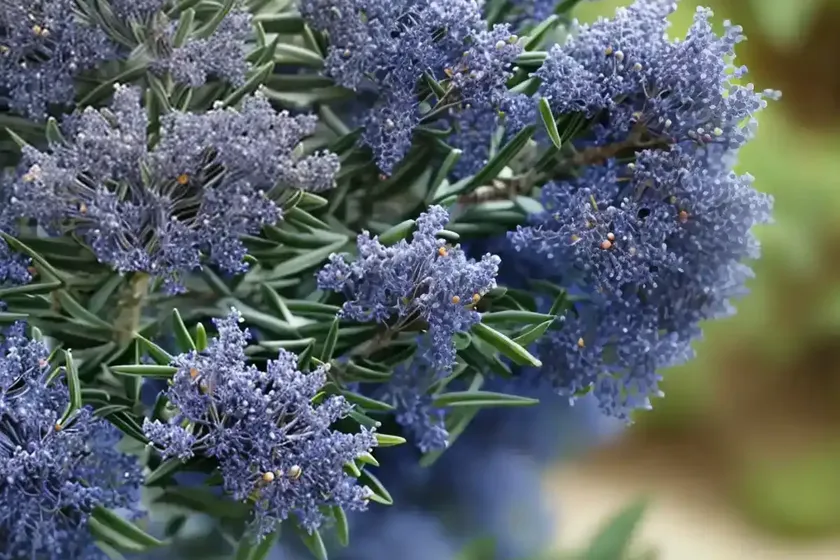
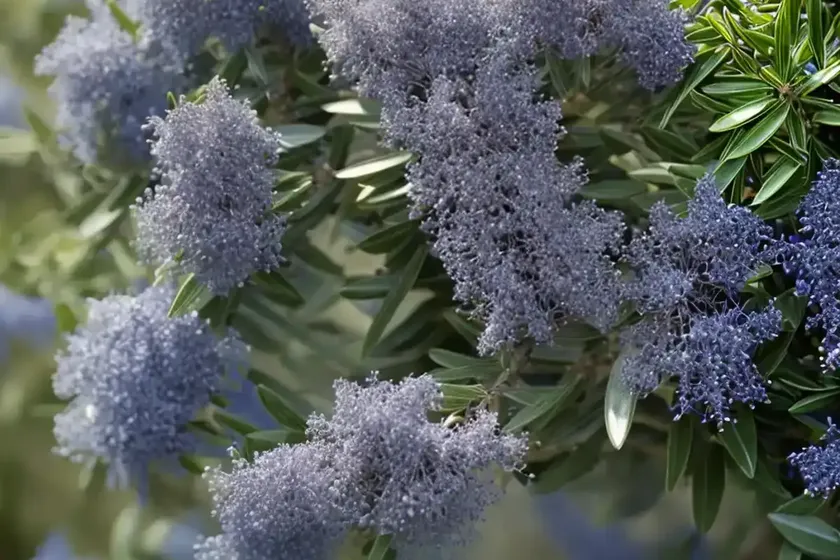
As a plant scientist, I am deeply passionate about the astounding diversity and ecological significance of plant species, particularly those endemic to specific regions and essential to native ecosystems. In this blog post, I am excited to delve into the unique characteristics, cultivation, uses, and ecological importance of Ceanothus integerrimus, also known as Deerbrush. This remarkable plant species holds cultural, ecological, and horticultural significance, making it an excellent subject for exploration and understanding.
What is Ceanothus integerrimus (Deerbrush)?
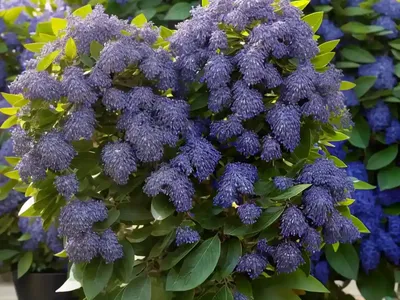
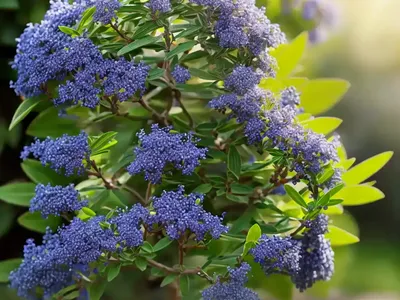
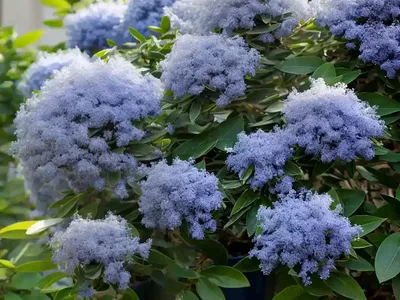
Ceanothus integerrimus belongs to the buckthorn family (Rhamnaceae) and is a native species in Western North America. It is a deciduous to evergreen shrub with a range of forms and adaptations, characterized by its showy clusters of blue to lavender flowers and its importance as a habitat and food source for a variety of wildlife, including birds and insects.
Key Takeaways – Ceanothus integerrimus (Deerbrush)
Before we delve deeper into the specifics of Ceanothus integerrimus and its cultivation, it’s essential to understand the key takeaways associated with this remarkable plant species. From its cultural significance to its ecological role, the following aspects will be covered in detail:
- Ceanothus integerrimus Information: An exploration of the basic informational aspects of Ceanothus integerrimus, including its taxonomy, distribution, and growth habits.
- Deerbrush Facts: A comprehensive overview of the fundamental facts about Ceanothus integerrimus, shedding light on its unique characteristics and ecological importance.
- Ceanothus integerrimus Characteristics: An in-depth examination of the various physical and ecological characteristics that define Ceanothus integerrimus as a distinctive plant species.
- Deerbrush Plant Care: Detailed guidance on the culture and care requirements for successfully growing and nurturing Ceanothus integerrimus.
- Ceanothus integerrimus Habitat: Discussing the natural habitats and ecological niches where Ceanothus integerrimus thrives, providing valuable insights into its native range.
- Deerbrush Growing Tips: Practical tips and recommendations for the successful cultivation and propagation of Ceanothus integerrimus in various landscape settings.
- Ceanothus integerrimus Uses: Understanding the diverse uses and applications of Ceanothus integerrimus in landscaping, ecological restoration, and traditional practices.
- Deerbrush Native Range: An exploration of the natural range and distribution of Ceanothus integerrimus, providing insights into its native ecosystems and habitats.
- Ceanothus integerrimus Cultivation: An in-depth guide to the cultivation and propagation techniques suitable for Ceanothus integerrimus, enabling its successful establishment in various settings.
- Deerbrush Pruning Techniques: Practical guidance on the appropriate pruning and maintenance practices tailored to the specific needs of Ceanothus integerrimus.
- Ceanothus integerrimus Propagation: Exploring the methods and techniques for propagating Ceanothus integerrimus to preserve its genetic diversity and promote its widespread utilization.
- Deerbrush Wildlife Benefits: Understanding the ecological benefits and significance of Ceanothus integerrimus as a valuable component of wildlife habitat and forage.
- Ceanothus integerrimus Gardening: Insights into incorporating Ceanothus integerrimus in garden settings, including design considerations and companion planting.
- Deerbrush Landscape Design: Exploring the potential of Ceanothus integerrimus in landscape design, showcasing its aesthetic appeal and ecological contributions.
- Ceanothus integerrimus Medicinal Properties: Delving into the potential medicinal properties and traditional uses of Ceanothus integerrimus in indigenous practices.
- Deerbrush Drought Tolerance: Highlighting the drought tolerance and resilience of Ceanothus integerrimus in various ecological settings, particularly in arid and semi-arid regions.
- Ceanothus integerrimus Pollinators: Understanding the pollination dynamics and relationships of Ceanothus integerrimus with native pollinators and insects.
- Deerbrush Pest Control: Examining the potential pests and diseases affecting Ceanothus integerrimus and practical pest control measures.
- Ceanothus integerrimus Soil Requirements: Analyzing the soil preferences and requirements for Ceanothus integerrimus to thrive and flourish in diverse landscapes.
- Deerbrush Plant Species: Unraveling the broader taxonomic and ecological context of Ceanothus integerrimus within the realm of plant species and communities.
- Ceanothus integerrimus Flowering Season: Understanding the seasonal dynamics and floral displays of Ceanothus integerrimus across its native range.
- Deerbrush Natural Habitat: Exploring the natural habitats and ecological communities where Ceanothus integerrimus plays a vital role as a native component.
- Ceanothus integerrimus Native Plant: Emphasizing the importance of Ceanothus integerrimus as a native plant species in its respective ecosystems and landscapes.
- Deerbrush Wildlife Habitat: Understanding the role of Ceanothus integerrimus as a critical component of wildlife habitat and ecological connectivity.
- Ceanothus integerrimus Ecosystem Role: Highlighting the broader ecological contributions and roles of Ceanothus integerrimus within its native ecosystems.
- Deerbrush Garden Landscaping: Exploring the diverse applications and potential for incorporating Ceanothus integerrimus in garden landscaping and design.
- Ceanothus integerrimus Wildlife Gardening: Discussing the role of Ceanothus integerrimus in supporting wildlife-friendly gardening practices and landscapes.
- Deerbrush Wildlife-Friendly Garden: Showcasing the unique attributes of Ceanothus integerrimus in creating wildlife-friendly gardens and landscapes.
- Ceanothus integerrimus Water Conservation: Emphasizing the water-efficient and conservation-oriented attributes of Ceanothus integerrimus in diverse settings.
- Deerbrush Coastal Gardens: Discussing the suitability and adaptability of Ceanothus integerrimus in coastal garden settings and marine-influenced environments.
- Ceanothus integerrimus Plant Family: Placing Ceanothus integerrimus within the broader context of its plant family, providing insights into its evolutionary relationships.
- Deerbrush Evergreen Shrub: Highlighting the evergreen characteristics and adaptations of Ceanothus integerrimus in diverse ecological settings.
- Ceanothus integerrimus Pruning Guidelines: Providing specific guidelines and best practices for pruning Ceanothus integerrimus to maintain its health and vigor.
- Deerbrush Plant Diseases: Exploring the potential diseases and stressors affecting Ceanothus integerrimus and strategies for disease management.
- Ceanothus integerrimus Toxic Properties: Highlighting any potential toxic or allelopathic properties of Ceanothus integerrimus and their ecological significance.
- Deerbrush Drought-Tolerant Landscaping: Showcasing the utility and potential of Ceanothus integerrimus in drought-tolerant and xeriscape landscaping.
- Ceanothus integerrimus Ecological Importance: Emphasizing the broader ecological significance and roles of Ceanothus integerrimus in sustaining native ecosystems.
- Deerbrush Fire-Resistant Plant: Exploring the potential fire-adapted and fire-resistant characteristics of Ceanothus integerrimus in fire-prone landscapes.
- Ceanothus integerrimus Attractive Foliage: Celebrating the aesthetic appeal and visual attributes of Ceanothus integerrimus in diverse landscape settings.
- Deerbrush Flowering Shrub: Highlighting the ornamental and ecological value of Ceanothus integerrimus as a flowering shrub in native landscapes.
- Ceanothus integerrimus Wildlife Forage: Discussing the role of Ceanothus integerrimus as a valuable source of forage and food for native wildlife species.
- Deerbrush Drought-Resistant Gardening: Emphasizing the attributes and potential of Ceanothus integerrimus in creating drought-resistant and resilient gardens.
- Ceanothus integerrimus Plant Uses: Exploring the diverse traditional, ecological, and horticultural uses of Ceanothus integerrimus in various contexts.
- Deerbrush Eco-Friendly Gardening: Showcasing the role of Ceanothus integerrimus in promoting eco-friendly and sustainable gardening practices.
- Ceanothus integerrimus Landscape Restoration: Exploring the potential of Ceanothus integerrimus in ecological restoration and landscape rehabilitation efforts.
- Deerbrush Native Gardening: Emphasizing the significance and potential of Ceanothus integerrimus in native plant gardening and landscaping.
- Ceanothus integerrimus Endangered Species: Discussing the conservation status and efforts related to preserving Ceanothus integerrimus as a vital plant species.
- Deerbrush Wildflower Garden: Showcasing the potential of Ceanothus integerrimus in creating diverse and vibrant wildflower gardens.
- Ceanothus integerrimus Species Conservation: Emphasizing the conservation-oriented practices and efforts focused on preserving Ceanothus integerrimus.
- Deerbrush Botanic Description: Providing a detailed botanical description and exploration of the unique attributes of Ceanothus integerrimus.
As we embark on this journey of exploration, it is my sincere hope that this comprehensive guide will not only deepen our understanding of Ceanothus integerrimus but also inspire a greater appreciation for the intricate relationships between native plants, wildlife, and their ecosystems.
Culture
Water
Ceanothus integerrimus demonstrates remarkable adaptability to a range of moisture conditions, showcasing its resilience in both drought-prone and mesic environments. In cultivation, it is essential to consider the natural habitat of Ceanothus integerrimus and strive to maintain conditions that mimic its native range. Generally, established plants display good drought tolerance and can thrive with minimal supplemental watering once they are well-established. However, during the initial establishment phase, consistent and moderate watering is beneficial, especially in arid or low-moisture environments. Additionally, providing adequate drainage to prevent waterlogged conditions is critical to the overall health and vigor of Ceanothus integerrimus.
Sunlight
As a native plant species adapted to the diverse landscapes of Western North America, Ceanothus integerrimus exhibits flexibility in its sunlight requirements. While it thrives in full sun to partial shade, it generally benefits from ample sunlight for robust growth and prolific flowering. When selecting a planting site or designing landscape settings, it is advisable to consider the natural sunlight dynamics of Ceanothus integerrimus and provide conditions that optimize its photosynthetic capabilities.
Soil
Ceanothus integerrimus showcases adaptability to a range of soil types, including well-draining sandy soils, loamy substrates, and even rocky or gravelly terrains. Understanding the soil preferences of Ceanothus integerrimus in its native range can guide the selection of suitable planting sites and soil management practices. While it is adaptive to a variety of soil textures, ensuring good drainage, especially in heavy clay soils, is essential for preventing waterlogged conditions, which can compromise the health and vitality of Ceanothus integerrimus.
Uses
Ecological Uses
Ceanothus integerrimus serves a pivotal role in native ecosystems, contributing to the biodiversity, pollinator support, and wildlife habitat in Western North America. Its significance as a forage plant for wildlife, including deer and various bird species, underscores its ecological importance as a supportive component of native landscapes. Additionally, the nectar-rich flowers of Ceanothus integerrimus attract and sustain diverse pollinators, thereby contributing to the overall health and resilience of local ecological communities.
Horticultural Uses
In the realm of horticulture, Ceanothus integerrimus presents a range of applications, from native landscape designs to wildlife-friendly gardens. Its ornamental value, characterized by showy clusters of blue to lavender flowers, makes it a desirable choice for native plant gardening, sustainable landscaping, and ecological restoration projects. Furthermore, its adaptability to a variety of soil and moisture conditions enhances its versatility in diverse garden settings, including coastal landscapes, xeriscape gardens, and native plant communities.
Pruning
Pruning Techniques
Pruning Ceanothus integerrimus can contribute to maintaining its health, promoting dense growth, and enhancing its ornamental appeal. When pruning this species, it is essential to consider its natural growth habits and flowering patterns. Pruning is generally recommended after the flowering period to ensure the preservation of next season’s blossoms. Removal of dead or damaged branches, light shaping, and rejuvenation pruning can be employed to manage the structure and vigor of Ceanothus integerrimus. Additionally, strategic pruning can support better air circulation and light penetration, contributing to the overall well-being of the plant.
Propagation
Propagation Methods
Ceanothus integerrimus can be propagated through various techniques, including seed propagation, softwood or hardwood cuttings, and layering. Seed propagation, while feasible, may require special considerations for breaking seed dormancy and ensuring favorable germination conditions. Cuttings, particularly softwood cuttings taken during the active growth period, offer a reliable method for propagating selected cultivars and preserving the genetic diversity of Ceanothus integerrimus. Layering techniques, where feasible, provide an additional means of propagating this valuable plant species, enabling the multiplication of established plants and supporting conservation efforts.
Container Popularity
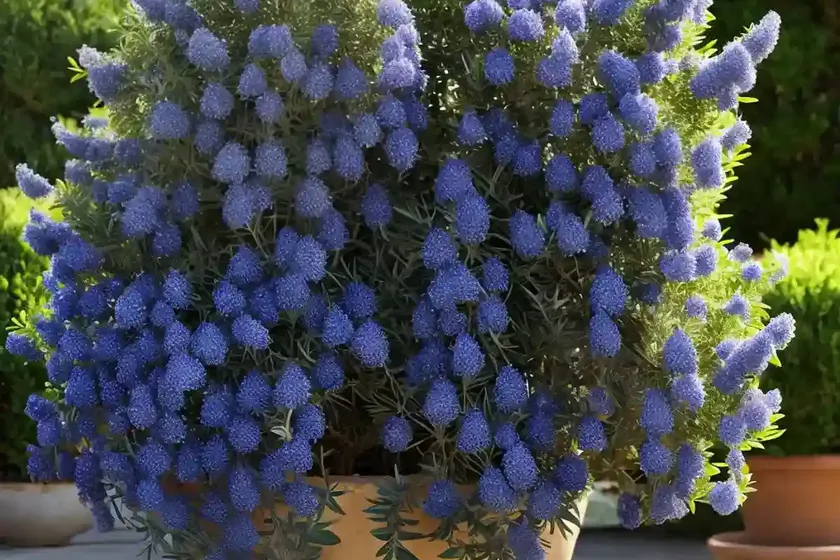
In the realm of container gardening and landscape design, Ceanothus integerrimus offers unique possibilities and benefits. Its adaptability to container settings, particularly when coupled with well-draining soil mixes and appropriate sunlight exposure, facilitates its utilization in diverse urban and suburban landscapes. The ornamental value of its flowers, coupled with its ecological contributions, makes Ceanothus integerrimus an appealing choice for container gardens, patio settings, and rooftop landscapes, enriching the visual appeal while supporting local biodiversity.
Common Diseases
Disease Diagnosis
While Ceanothus integerrimus is generally resilient to many pests and diseases, it can occasionally face challenges such as powdery mildew, leaf spot, or stem cankers under specific environmental conditions. Proper diagnosis of these diseases is essential for implementing targeted management strategies and preserving the health of Ceanothus integerrimus. Observing characteristic symptoms, conducting diagnostic tests, and seeking professional guidance can aid in accurately identifying and addressing potential diseases affecting this valuable plant species.
Common Pests
Pest Control
- Ceanothus silk moth (Hyalophora euryalus)
- Ceanothus stem-gall moth (Eupthenemuron bastante)
- Ceanothus leaftier moth (Olethreutes lethifera)
- Ceanothus psyllid (Cacopsylla elegans)
- Aphids (Aphidoidea family)
Botanist’s Tips
As a plant scientist with a deep appreciation for native plant species, I encourage fellow enthusiasts and horticulturists to consider the unique attributes and ecological roles of Ceanothus integerrimus in their landscape designs and conservation efforts. By incorporating native plants, such as Ceanothus integerrimus, in our gardens, restoration projects, and ecological initiatives, we can actively contribute to the preservation of local biodiversity, support native wildlife, and create sustainable and resilient landscapes for future generations.
Fun Facts
- Ceanothus integerrimus is a valuable larval host plant for the beautiful Ceanothus silk moth (Hyalophora euryalus) and other Lepidoptera species, emphasizing its ecological importance in supporting native insect populations.
- Native American tribes, particularly the Coast Salish and Pomo peoples, traditionally utilized various parts of Ceanothus integerrimus for culinary, medicinal, and ceremonial purposes, showcasing its cultural significance and multifaceted uses.
- The vibrant blue to lavender flowers of Ceanothus integerrimus are not only visually striking but also provide important nectar sources for native pollinators, including bees, butterflies, and hummingbirds.
Links to External Resources
As we continue to explore and appreciate the ecological significance and cultural value of Ceanothus integerrimus, I encourage further engagement with reputable external resources to expand our knowledge and support conservation initiatives related to this remarkable plant species. The following links provide valuable insights and information about Ceanothus integerrimus and its role in native landscapes: