Catharanthus Roseus (Madagascar Periwinkle)
Catharanthus roseus, commonly known as Madagascar Periwinkle or Vinca rosea, is a beautiful and versatile plant with a rich history of traditional.
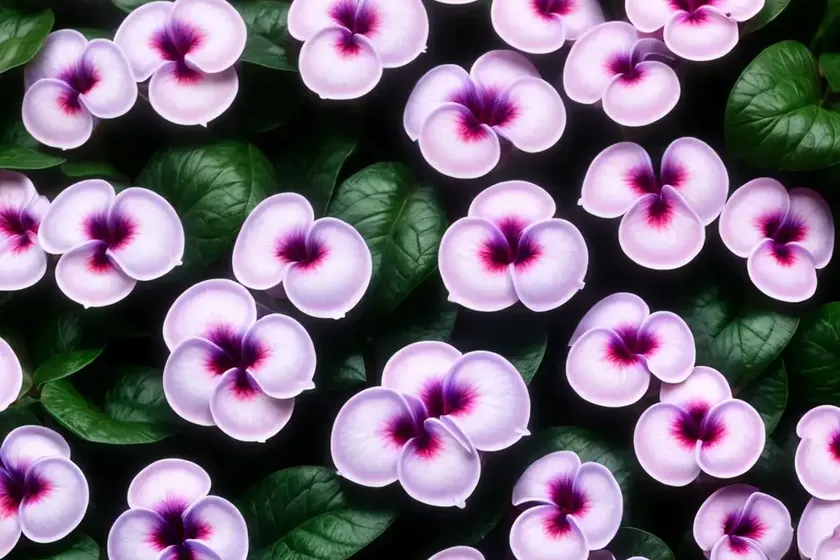

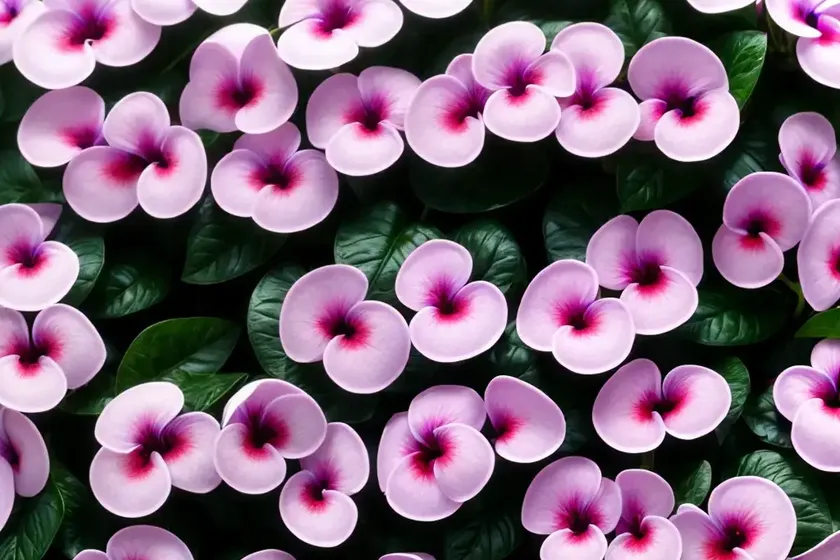
Catharanthus roseus, commonly known as Madagascar Periwinkle or Vinca rosea, is a beautiful and versatile plant with a rich history of traditional medicinal uses. Its vibrant flowers and low maintenance requirements make it a popular choice for gardeners and landscapers. In this comprehensive guide, we will explore the culture, uses, care tips, and interesting facts about Catharanthus roseus, as well as its cultivation, varieties, and benefits.
What is Catharanthus roseus?
Catharanthus roseus is a species of flowering plant in the dogbane family, Apocynaceae. This perennial herb is native to Madagascar, but it has been naturalized in tropical and subtropical regions across the globe. The plant is characterized by glossy, dark green leaves and attractive, phlox-like flowers that come in various colors such as white, pink, and lavender. These flowers bloom continuously throughout the year in suitable climates, adding a pop of color to the landscape.
Key Takeaways – Catharanthus roseus
Before delving into the specifics of Madagascar Periwinkle, let’s summarize some key takeaways about this fascinating plant.
- Scientific Name: Catharanthus roseus
- Common Names: Madagascar Periwinkle, Vinca rosea, Tropical Periwinkle
- Plant Type: Perennial herb
- Uses: Medicinal and ornamental
- Flower Colors: White, pink, lavender
- Growth Habits: Continuous blooming, low maintenance
Now that we have an overview of what Catharanthus roseus is, let’s explore its culture, uses, and care requirements in detail.
Culture
Water
Madagascar Periwinkle is adaptable to varying moisture levels, but it thrives best in well-draining soil that is kept evenly moist. During the growing season, regular watering is essential, especially during dry spells. However, it’s important to avoid overwatering, as this can lead to root rot and other issues.
Sunlight
Catharanthus roseus prefers full sun to partial shade. It is essential to provide the plant with at least 6 hours of direct sunlight daily for optimal growth and abundant flowering. In regions with intense heat, some afternoon shade can be beneficial to prevent the plant from wilting.
Fertilizer
When it comes to fertilization, a balanced, all-purpose fertilizer can be applied to Madagascar Periwinkle in the early spring to support healthy growth and flowering. It’s crucial to follow the manufacturer’s instructions regarding the application and dosage of the fertilizer to prevent over-fertilization, which can harm the plant.
Soil
This plant is relatively adaptable to different soil types, but it thrives best in well-draining, fertile soil with a slightly acidic to neutral pH. Amending the soil with organic matter such as compost can enhance its texture and nutrient content, promoting the overall health of the plant.
Pruning
Pruning is beneficial for Catharanthus roseus to maintain a compact and tidy appearance, promote new growth, and encourage continuous flowering. Regularly removing spent flowers and trimming leggy or overgrown stems can help the plant channel its energy into producing more blooms.
Propagation
Madagascar Periwinkle can be propagated through both seeds and cuttings.
-
Seeds: The plant produces small, slender seed pods that contain numerous seeds. Collect the mature seeds and sow them in a well-prepared seed bed. Keep the soil consistently moist until the seeds germinate and the seedlings become established.
-
Cuttings: Stem cuttings can be taken from healthy, non-flowering shoots. Root the cuttings in a well-draining potting mix, ensuring they receive adequate moisture and warmth until they develop roots.
Container Popularity
Catharanthus roseus is well-suited for container gardening due to its compact growth habit and colorful blooms. Whether grown in individual containers or combined with other plants in mixed containers, Madagascar Periwinkle adds charm and vibrancy to any outdoor space.
Container Care Tips
- Use well-draining potting mix
- Ensure adequate drainage in containers
- Water regularly to keep the soil evenly moist
- Provide sufficient sunlight
- Apply a balanced liquid fertilizer during the growing season
Common Diseases
Like many plants, Catharanthus roseus is susceptible to certain diseases, particularly fungal infections. Common diseases that can affect Madagascar Periwinkle include:
- Powdery Mildew: A fungal disease that appears as white, powdery patches on the leaves, stems, and flowers.
- Leaf Spot: Characterized by dark, water-soaked spots on the leaves, often caused by fungal pathogens.
- Root Rot: Excessive moisture or poorly drained soil can lead to root rot, causing the plant to wilt and decline.
Disease Diagnosis
Early diagnosis and intervention are crucial in managing plant diseases. If you notice any unusual symptoms on your Catharanthus roseus, such as discolored or distorted leaves, unusual spots, or wilting, it’s important to closely inspect the plant and identify the potential cause. Seeking guidance from local horticultural extension services or plant health professionals can aid in accurate disease diagnosis and the implementation of appropriate control measures.
Common Pests
While Madagascar Periwinkle is generally resilient against many pests, it can still be targeted by certain insects and mites. Some common pests that may affect Catharanthus roseus include:
- Aphids: Small, soft-bodied insects that cluster on the undersides of leaves and feed on plant sap, causing stunted growth and distorted foliage.
- Spider Mites: These tiny arachnids can infest the plant, causing stippling or discoloration on the leaves as they feed.
Pest Management
For minor pest infestations, a strong blast of water can help dislodge aphids and spider mites from the plant. Additionally, introducing predatory insects such as ladybugs or lacewings can aid in controlling aphid populations naturally. In cases of severe infestations, targeted insecticidal soaps or horticultural oils may be employed, following the product instructions and precautions.
Fun Facts
- Madagascar Periwinkle has a rich history of medicinal use in traditional systems of medicine, particularly for its potential anti-cancer properties.
- The plant’s alkaloids vincristine and vinblastine have been extensively studied for their pharmacological activities and are used in the treatment of various cancers.
Now that we have explored the cultural requirements, uses, and interesting aspects of Catharanthus roseus, it’s essential to delve into the plant’s characteristics, varieties, and its significance in gardening and landscaping.
Links to External Resources
To further enrich your knowledge about Catharanthus roseus and its cultivation, medicinal uses, and ornamental value, I have compiled a list of valuable external resources for reference:
- Catharanthus roseus (Madagascar Periwinkle) – Plant Guide by Missouri Botanical Garden
- Vinca rosea: An Overview of its Phytochemistry and Pharmacological Profile – Research Article
- Characterization and Regulation of Catharanthus roseus MYB1, a Transcription Factor Affecting Alkaloid Biosynthesis – Scientific Study
- Catharanthus roseus (Madagascar Periwinkle) – Horticulture Information by University of Florida IFAS Extension
These resources offer comprehensive insights into the various aspects of Catharanthus roseus, ranging from its botany and phytochemistry to its horticultural and medicinal significance.
Conclusion
In conclusion, Catharanthus roseus, commonly known as Madagascar Periwinkle, is a captivating plant with a myriad of uses and cultural requirements. From its vibrant blooms and low maintenance nature to its significance in traditional medicine and pharmacology, this plant continues to enthrall botanists, gardeners, and researchers alike.
Whether you are considering adding a pop of color to your garden, exploring its medicinal properties, or simply appreciating its ornamental value, Madagascar Periwinkle stands as a testament to the beauty and versatility of the plant kingdom.
Remember, as you embark on your journey with Catharanthus roseus, let curiosity and care guide you in discovering the wonders of this remarkable plant.
Happy gardening!
This blog post is for informational purposes only and does not constitute professional advice. Always seek guidance from qualified professionals regarding plant cultivation, medicinal uses, and pest or disease management.