Catalpas (Catalpa)
Catalpas, scientifically known as Catalpa, are a genus of flowering plants that belong to the family Bignoniaceae. This genus consists of around 10 species.
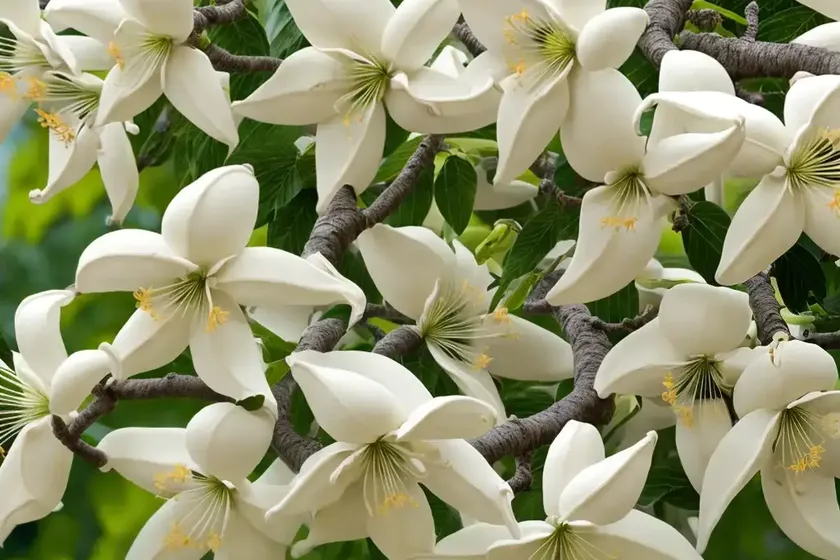
Catalpas, scientifically known as Catalpa, are a genus of flowering plants that belong to the family Bignoniaceae. This genus consists of around 10 species of mostly deciduous trees native to warm temperate regions of North America, the Caribbean, and East Asia. Catalpas are popular ornamental trees valued for their beautiful flowers, distinctive leaves, and rapid growth. In this comprehensive guide, we will explore the key aspects of Catalpas, including their culture, uses, care requirements, common diseases, pests, and propagation methods.
What is a Catalpa?
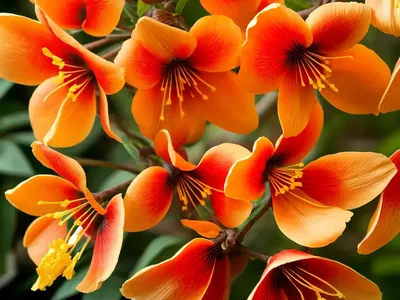
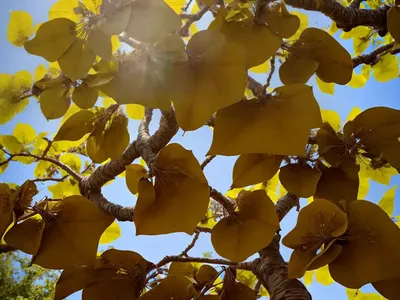
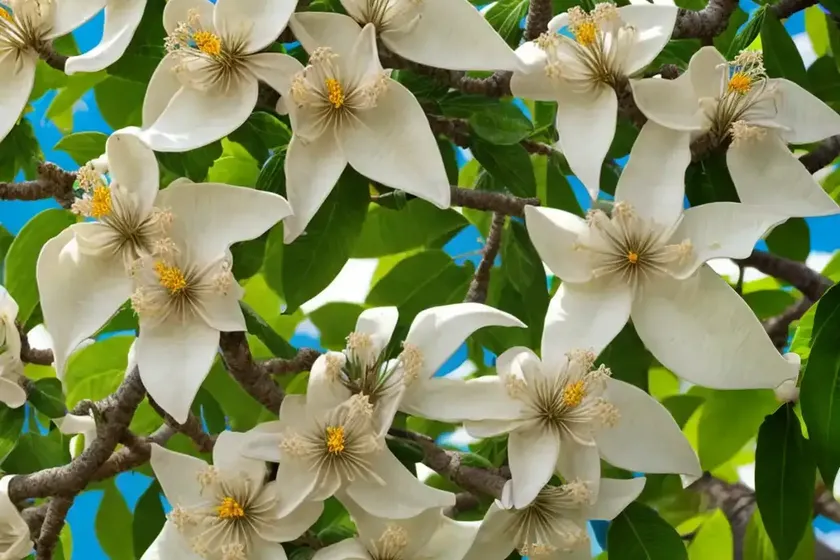
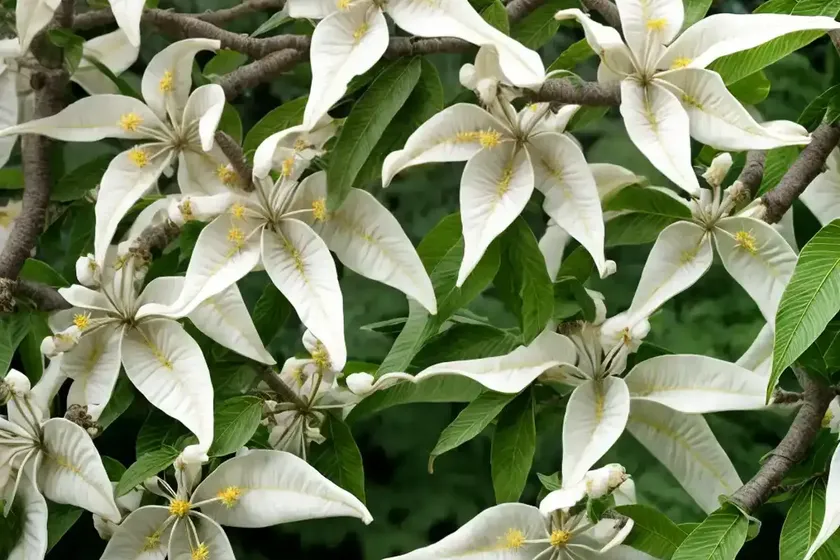
Catalpas are medium to large deciduous trees that typically reach heights of 40 to 70 feet (12 to 21 meters) with a spread of 20 to 40 feet (6 to 12 meters). They are known for their showy, trumpet-shaped flowers, large heart-shaped leaves, and long, slender seed pods. Catalpas are often planted as shade trees in parks, gardens, and urban landscapes due to their fast growth and impressive appearance.
The most common species within the Catalpa genus include:
- Catalpa bignonioides – Southern Catalpa or Indian Bean Tree
- Catalpa speciosa – Northern Catalpa or Hardy Catalpa
- Catalpa ovata – Chinese Catalpa or Yellow Catalpa
- Catalpa fargesii – Chinese Catalpa or Farges Catalpa
Each of these species exhibits unique characteristics and is valued for specific attributes such as flower color, shape, and overall tree size.
Key Takeaways – Catalpas (Catalpa)
Before diving into the detailed aspects of Catalpa tree care and maintenance, let’s run through the key takeaways about these fascinating trees:
- Common Name: Catalpa
- Scientific Name: Catalpa spp.
- Family: Bignoniaceae
- USDA Hardiness Zones: 4-8
- Height: 40-70 feet (12-21 meters)
- Sun Exposure: Full sun to partial shade
- Soil pH: 5.5-6.5
- Watering: Moderate
- Bloom Time: Late spring to early summer
- Foliage: Deciduous, large heart-shaped leaves
- Special Features: Showy flowers, ornamental seed pods
Now that we have a general understanding of Catalpas, let’s delve into the specific aspects of their culture, care requirements, uses, and more.
Culture
Catalpas are relatively easy to grow and maintain, making them popular choices for landscaping and ornamental plantings. Understanding the cultural requirements of Catalpas is essential for ensuring optimal growth and health of these trees.
Uses
The catalpa tree has several uses, including:
- Ornamental Purposes: Catalpas are commonly planted for their attractive flowers and foliage, adding beauty and visual interest to landscapes.
- Shade: Due to their large, spreading canopies, Catalpas are often used to provide shade in parks, gardens, and residential areas.
- Landscaping: They can be used as focal points in a landscape design, especially when in bloom, and can also act as a windbreak or screen.
Water
Catalpas have moderate water needs and are relatively drought-tolerant once established. When planting Catalpa trees, it is important to provide regular watering, especially during the first growing season, to help them establish a strong root system. Once established, they can tolerate short periods of dry soil.
Sunlight
Catalpas thrive in full sun to partial shade. They prefer at least 6 hours of direct sunlight per day for optimal growth and flowering. In partial shade, the tree may have fewer blooms and a less dense canopy.
Fertilizer
To promote healthy growth and abundant flowering, Catalpas benefit from a balanced fertilizer application in early spring before new growth appears. A slow-release, granular fertilizer formulated for trees and shrubs can help provide essential nutrients for vigorous growth and sustained flowering.
Soil
Catalpas grow best in moist, well-draining soil with a slightly acidic to neutral pH ranging from 5.5 to 6.5. They are adaptable to various soil types, including sandy, loamy, or clay soils, as long as they are well-draining.
Pruning
Regular pruning helps maintain the shape and structure of Catalpa trees and encourages optimal flowering. Pruning can be done in late winter or early spring before new growth emerges. Remove any dead or damaged branches, and thin out crowded growth to improve air circulation and light penetration.
Propagation
Catalpas can be propagated from seeds, cuttings, or through grafting. Seed propagation is the most common method and involves collecting seeds from mature pods in the fall, stratifying them in a cool, moist environment, and then planting them in the spring.
Container Popularity
The use of Catalpas in containers is less common due to their large size and extensive root systems. However, smaller, dwarf varieties of Catalpa can be grown in large containers, providing the necessary space for root growth while restricting the overall size of the tree.
Container Common Diseases
When grown in containers, Catalpas may be susceptible to root rot and other soil-borne diseases if the potting mix is kept excessively moist. Proper drainage, regular monitoring, and the use of disease-resistant cultivars can help mitigate the risk of these diseases.
Disease Diagnosis
Common diseases that affect Catalpas include:
- Verticillium Wilt: This fungal disease can cause wilting and dieback of branches. Proper sanitation and planting in well-draining soil can help prevent its spread.
- Leaf Spot: Fungal leaf spot diseases can cause unsightly spotting on the foliage. Pruning to improve air circulation and avoiding overhead watering can help prevent these diseases.
- Powdery Mildew: A common fungal disease that forms a white, powdery coating on leaves. Fungicidal treatments and ensuring good air circulation can help prevent powdery mildew.
Common Pests
Catalpas are relatively resistant to pests, but they may occasionally be affected by:
- Catalpa Sphinx Moth: The caterpillars of this moth can defoliate trees in severe infestations. Bacillus thuringiensis (Bt) or insecticidal soaps can be used to control these caterpillars.
- Catalpa Worm: The larvae of the Catalpa Sphinx Moth are commonly referred to as Catalpa worms and can strip the foliage of Catalpa trees. Bacillus thuringiensis (Bt) can be used as a biological control measure.
Botanist’s Tips
For optimal growth and performance of Catalpas in the landscape, consider the following botanist’s tips:
- Selecting the Right Location: Choose a planting site with well-draining soil and ample sunlight to promote healthy growth and abundant flowering.
- Mulching: Apply a 2- to 3-inch layer of organic mulch around the base of the tree to help conserve soil moisture, suppress weeds, and regulate soil temperature.
- Regular Monitoring: Keep an eye out for signs of pests, diseases, or nutrient deficiencies and take proactive measures to address any issues promptly.
Fun Facts
Here are a few intriguing and fun facts about Catalpas:
- Medicinal Uses: The bark and leaves of Catalpa trees have been traditionally used in herbal medicine for various purposes, including as a vermifuge and as a treatment for wounds and sores.
- Wildlife Habitat: Catalpa trees provide food and habitat for a variety of wildlife, including birds and pollinators attracted to their flowers and nectar.
Now that we’ve covered the culture, care requirements, uses, and interesting facts about Catalpas, it’s time to explore some external resources for further information and insights.
Links to External Resources
For additional information on Catalpas, their care and maintenance, as well as their ecological significance and landscaping potential, check out the following resources:
- Catalpa – The Tree Center
- Catalpa speciosa – Missouri Botanical Garden
- Catalpas: Charming Trees for Modern Gardens – University of Florida IFAS Extension
We hope this comprehensive guide has equipped you with valuable insights into the world of Catalpas and inspired you to explore the beauty and benefits of these remarkable trees in your own landscape. Happy gardening!