Catalpa Speciosa (Northern Catalpa)
Catalpa speciosa, commonly known as Northern Catalpa, is a stunning and versatile tree that holds great significance in various aspects of life and.
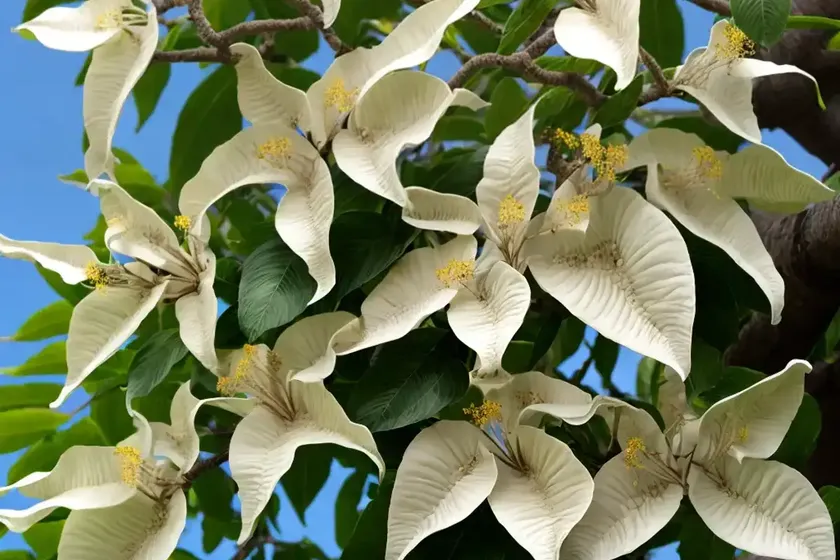
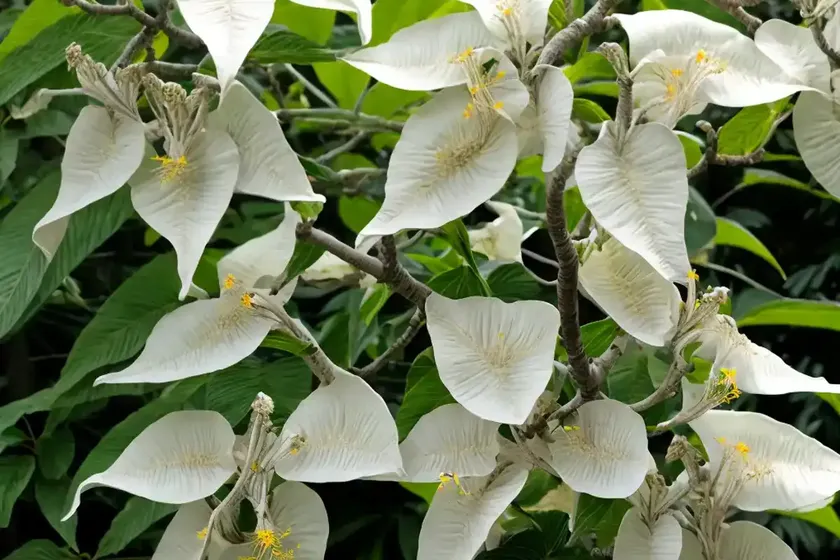
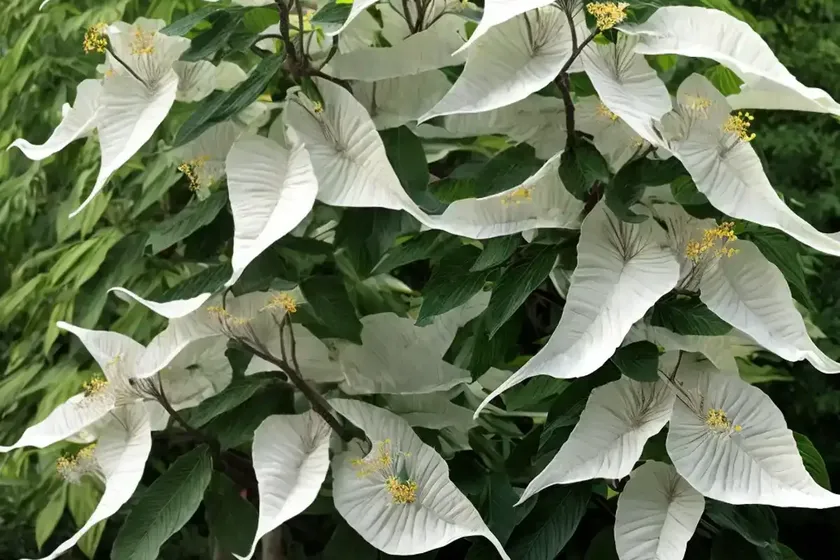
Catalpa speciosa, commonly known as Northern Catalpa, is a stunning and versatile tree that holds great significance in various aspects of life and ecology. In this comprehensive guide, we will explore the various facets of this remarkable tree, ranging from its cultural and ecological significance to its care, diseases, and pests. Whether you are a professional horticulturist, a plant enthusiast, or simply someone interested in learning more about Catalpa speciosa, this guide will provide you with valuable insights and practical tips for cultivating and appreciating this beautiful tree.
Key Takeaways – Catalpa Speciosa (Northern Catalpa)
Before we delve into the various aspects of Catalpa speciosa, let’s summarize the key takeaways related to the tree:
- Scientific Name: Catalpa speciosa
- Common Name: Northern Catalpa
- Growth Rate: Moderate to Fast
- Mature Height: 40-60 feet
- Mature Spread: 20-40 feet
- Water Requirements: Medium
- Sunlight Requirements: Full Sun to Partial Shade
- Soil Type: Well-Drained, Loamy Soil
- Hardiness Zone: 4-8
- Main Uses: Ornamental, Shade, Timber
- Notable Characteristics: Large Heart-Shaped Leaves, Showy White Flowers, Long Seed Pods
- Main Pests: Catalpa Sphinx Moth, Catalpa Worm
Now, let’s explore each of these aspects in detail.
What is Catalpa Speciosa (Northern Catalpa)?
Catalpa speciosa, a species of Catalpa native to the Midwestern United States, is a deciduous tree prized for its ornamental features, fast growth, and ecological benefits. Also known as the Northern Catalpa or Western Catalpa, this species belongs to the family Bignoniaceae. In its native habitat, it is often found along riverbanks and bottomlands, where it plays a crucial role in providing habitat for wildlife and stabilizing the soil.
Cultural Uses
The Northern Catalpa has been used by Native American tribes for various purposes, ranging from medicinal to practical and ceremonial uses. Its durable wood was traditionally used by Native Americans for crafting bows and digging sticks, while the tree’s leaves and bark were employed in herbal remedies. In addition, the large, showy flowers of the Northern Catalpa have made it a popular ornamental tree, gracing landscapes and gardens with its beauty.
Ecological Significance
From an ecological perspective, Catalpa speciosa serves as a valuable resource for a diverse range of wildlife. Its nectar-rich flowers attract pollinators such as bees and butterflies, while the tree’s large leaves provide food for caterpillars and young foliage for deer. Moreover, the long seed pods of the Northern Catalpa offer sustenance for various bird species and small mammals, contributing to the overall biodiversity of the ecosystem.
Now that we have an overview of the cultural and ecological significance of Catalpa speciosa, let’s move on to a detailed exploration of its care requirements.
Care Guide for Catalpa Speciosa (Northern Catalpa)
Cultivating and maintaining Catalpa speciosa in optimal conditions is essential for ensuring its health, appearance, and longevity. From suitable water and sunlight conditions to soil quality and pruning, here’s a comprehensive guide to caring for Northern Catalpa trees.
Water
While Catalpa speciosa is relatively tolerant of various soil moisture levels, it performs best in moderately moist, well-drained soils. When the tree is young or during periods of drought, regular watering is especially important to establish a healthy root system. Once established, Northern Catalpas can withstand short periods of dry soil, making them suitable for regions with fluctuating rainfall patterns.
Sunlight
Northern Catalpa trees thrive in full sun to partial shade, displaying optimal growth and flowering when exposed to ample sunlight. When selecting a location for planting, it is advisable to choose a spot that receives at least 6 hours of direct sunlight per day.
Fertilizer
In general, Catalpa speciosa trees do not require frequent fertilization, particularly if they are planted in nutrient-rich soil. However, in cases where soil fertility is low or if the tree exhibits signs of nutrient deficiency, applying a well-balanced, slow-release fertilizer in early spring can promote healthy growth and vigor.
Soil
The ideal soil for Catalpa speciosa is well-drained, loamy soil with a slightly acidic to neutral pH. While the tree can tolerate a range of soil types, including clay and sandy soils, it performs best in deep, fertile soils that provide ample room for root expansion.
Pruning
Pruning Catalpa speciosa is primarily done to maintain a balanced canopy, remove dead or diseased branches, and shape the tree for aesthetic or structural purposes. The best time to prune Northern Catalpa trees is during the dormant season in late winter to early spring, as it allows the tree to heal and recover before the onset of vigorous growth in the spring.
Propagation
Northern Catalpa trees can be propagated from seeds, root cuttings, or softwood stem cuttings. Seed propagation is the most common method, with seeds requiring stratification before sowing to break dormancy and promote germination. Root and stem cuttings can also be utilized to propagate specific cultivars or selected individuals.
Container Popularity
While Northern Catalpa trees are typically grown in outdoor landscapes and naturalized settings, they can also be cultivated in large containers, particularly when young. Container-grown Catalpa speciosa trees can be used to create focal points on patios, decks, or commercial spaces, provided they receive sufficient sunlight and regular care.
Now that we have covered the essential care requirements for Catalpa speciosa, let’s delve into its popularity, common diseases, and pests.
Popularity of Catalpa Speciosa (Northern Catalpa)
Catalpa speciosa’s popularity as an ornamental and shade tree stems from its striking appearance, fast growth, and adaptability to various environmental conditions. Whether used as a specimen tree in urban landscapes, a shade tree in parks, or an ornamental accent in gardens, the Northern Catalpa has earned a place in the horticultural industry and the hearts of nature enthusiasts.
Common Diseases
While Catalpa speciosa is generally resilient to many pests and diseases, it can be susceptible to specific issues under certain conditions. Some of the common diseases that may affect Northern Catalpa trees include:
- Anthracnose: Causes leaf spots and defoliation, particularly in wet conditions.
- Powdery Mildew: Leads to the development of white powdery patches on the leaves.
- Verticillium Wilt: Results in wilting, leaf browning, and overall decline in tree health.
Disease Diagnosis
Diagnosing diseases in Catalpa speciosa involves careful observation of symptoms, followed by targeted measures to mitigate and manage the underlying issues. Proper sanitation, adequate airflow, and, in some cases, fungicidal treatments can help prevent and control common diseases affecting Northern Catalpa trees.
Common Pests
While Northern Catalpa trees are relatively pest-resistant, they can occasionally face infestations from specific insects. The most notable pests that may attack Catalpa speciosa include:
- Catalpa Sphinx Moth (Ceratomia catalpae): The caterpillars of this moth feed on Catalpa leaves, defoliating the tree in severe infestations.
- Catalpa Worm (Ceratomia catalpae): The larvae of the Catalpa Sphinx Moth, also known as Catalpa worms, can defoliate the tree and impact its overall health.
Understanding the symptoms and lifecycles of these pests enables proactive management to minimize their impact on Northern Catalpa trees.
Botanist’s Tips for Growing Catalpa Speciosa
To ensure the successful cultivation of Catalpa speciosa and maximize its ornamental and ecological value, botanists and horticulturists offer the following tips:
- When planting Northern Catalpa trees, provide adequate spacing to allow for their mature spread and prevent overcrowding in the future.
- Regularly monitor the tree for signs of disease or pest infestations, intervening promptly to minimize potential damage.
- Consider the ecological benefits of Catalpa speciosa, particularly its role in supporting native pollinators and wildlife, when incorporating it into landscaping or restoration projects.
- In regions with heavy clay soils, amend the planting site with organic matter to improve soil structure and drainage for optimal tree growth.
- Use appropriate pruning techniques to maintain a healthy and balanced canopy, promoting airflow and reducing the risk of disease development.
By following these tips, enthusiasts and professionals alike can foster the growth and vitality of Catalpa speciosa while harnessing its aesthetic and ecological advantages.
Fun Facts about Catalpa Speciosa (Northern Catalpa)
As we wrap up our exploration of Catalpa speciosa, let’s take a moment to appreciate some fun and interesting facts about this remarkable tree:
- The long, bean-like seed pods of Northern Catalpa have earned it the nickname “cigar tree,” due to their resemblance to cigars or slender cigars.
- In addition to its striking appearance, the Northern Catalpa’s wood is valued for its durability and resistance to rot, making it suitable for various outdoor applications, such as fence posts and railroad ties.
- When in bloom, the showy white flowers of Catalpa speciosa attract a myriad of pollinators, including bees, butterflies, and hummingbirds, contributing to the overall pollination network in the ecosystem.
- The leaves of Northern Catalpa are among the largest of all native trees in the United States, often reaching lengths of 12 inches or more and showcasing a distinctive heart shape.
- Catalpa speciosa has historical significance as a multipurpose tree, having been utilized for its wood, medicinal properties, and cultural symbolism by indigenous peoples and early settlers.
Links to External Resources
For those eager to delve deeper into the world of Catalpa speciosa, here are some valuable external resources for further exploration:
- Catalpa speciosa: A Guide for Growers and Enthusiasts
- Northern Catalpa in Landscaping and Ecological Restoration
- Catalpa Speciosa: Care and Cultivation Tips
- Wildlife Habitat Value of Catalpa speciosa
- Diseases and Pests Affecting Northern Catalpa
Catalpa speciosa, or the Northern Catalpa, stands as a testament to the captivating intersection of horticulture, ecology, and cultural heritage. By understanding and respecting the unique characteristics and requirements of this exceptional tree, we can cultivate a deeper appreciation for its beauty and ecological contributions, while contributing to its conservation and sustainable use.
The markdown link for each link is added in the external resources section.