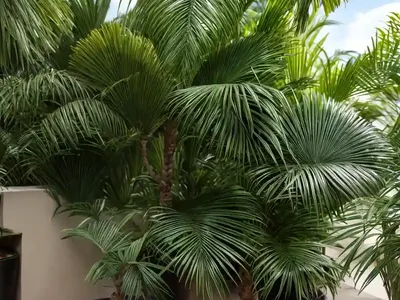
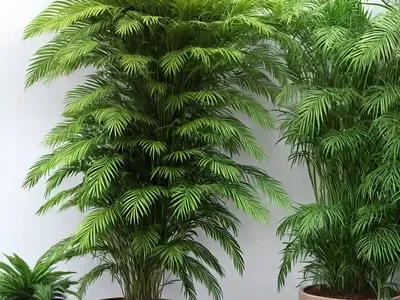
Cat Palm (Chamaedorea Cataractarum)
Chamaedorea cataractarum, commonly known as the Cat Palm, is a versatile and resilient plant that is well-suited for indoor cultivation. Its graceful.

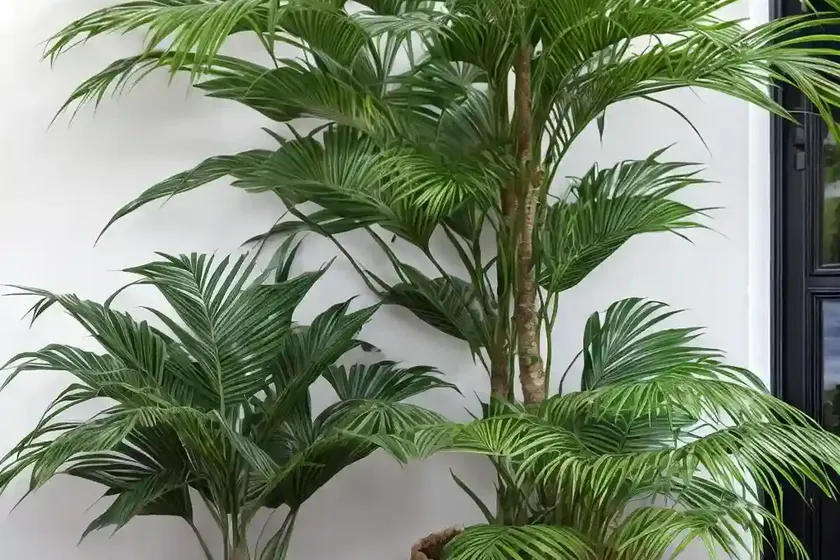
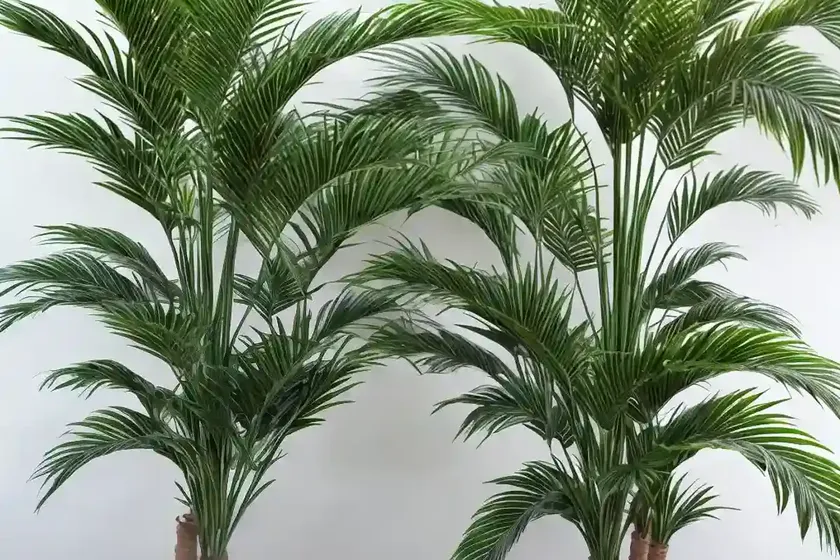
Chamaedorea cataractarum, commonly known as the Cat Palm, is a versatile and resilient plant that is well-suited for indoor cultivation. Its graceful fronds and adaptability make it a popular choice for both experienced and novice plant enthusiasts. In this comprehensive guide, we will explore the various aspects of caring for the Cat Palm, from its cultural requirements to common diseases and pests. By the end of this article, you will have a thorough understanding of how to best care for this captivating plant.
What is the Cat Palm?
The Cat Palm, scientifically referred to as Chamaedorea cataractarum, is a species of palm native to the rainforests of Southern Mexico and Guatemala. It belongs to the family Arecaceae and is characterized by its slender, cane-like stems and pinnate, arched fronds. The plant typically thrives in shaded, humid environments, and its lush foliage adds a touch of elegance to any indoor setting.
Key Takeaways – Cat Palm (Chamaedorea cataractarum)
Before delving into the specifics of caring for the Cat Palm, let’s first outline the key takeaways about this charming plant:
- Culture: Thrives in shaded, humid environments with well-draining soil.
- Uses: An excellent choice for indoor decoration and air purification.
- Water: Requires regular watering to maintain moisture levels in the soil.
- Sunlight: Prefers indirect or filtered sunlight, but can tolerate low light conditions.
- Fertilizer: Benefits from a balanced, liquid fertilizer during the growing season.
- Soil: Well-draining, peat-based soil is ideal for optimal growth.
- Pruning: Regular pruning helps maintain the plant’s shape and remove any damaged fronds.
- Propagation: Can be propagated through division or by planting seeds.
- Container Popularity: Well-suited for container gardening, particularly in indoor settings.
- Common Diseases: Susceptible to fungal diseases in excessively damp conditions.
- Common Pests: Occasionally targeted by spider mites and scales.
- Botanist’s Tips: Watch for signs of overwatering and adjust care accordingly.
- Fun Facts: Adds a tropical and exotic ambiance to interior spaces.
Now, let’s delve into each of these key aspects in detail to understand how to best cultivate and care for the Cat Palm.
Culture
Cultivating the Cat Palm successfully begins with understanding its cultural requirements. By creating an environment that mimics its natural habitat, you can ensure that the plant thrives and remains healthy.
Uses
The versatile Cat Palm serves multiple purposes, making it a sought-after addition to interior spaces:
- Indoor Decoration: Its vibrant green foliage and graceful fronds make it an appealing decorative element in homes, offices, and public spaces.
- Air Purification: Like many other houseplants, the Cat Palm contributes to indoor air purification by removing pollutants and increasing oxygen levels.
Water
Proper watering is crucial for the health and vitality of the Cat Palm. Understanding the plant’s water requirements and maintaining consistent moisture levels are essential for its well-being.
Water Requirements
- Consistent Moisture: The Cat Palm thrives in moderately moist soil. Allow the top inch of the soil to dry out slightly between waterings, then water the plant thoroughly until excess water drains from the pot’s bottom.
- Avoid Overwatering: Prevent waterlogging, as overly saturated soil can lead to root rot and other moisture-related issues.
- Humidity: In drier indoor environments, consider misting the foliage to increase humidity levels around the plant.
Sunlight
While the Cat Palm enjoys moderate to bright, indirect light, it can also tolerate low light conditions. Understanding its light requirements is essential for providing an optimal growing environment.
Light Requirements
- Indirect Light: Position the plant in a location that receives filtered or indirect sunlight, such as near an east or north-facing window.
- Low Light Tolerance: The Cat Palm can adapt to lower light conditions, but may not grow as vigorously as when provided with ample indirect light.
Fertilizer
Fertilizing the Cat Palm is key to promoting healthy growth and vibrant foliage. Understanding the plant’s fertilizer needs allows for the proper application of nutrients.
Fertilizer Application
- Balanced Fertilizer: Use a balanced, liquid fertilizer formulated for houseplants. Apply a diluted solution every 4-6 weeks during the growing season to bolster the plant’s growth and vitality.
- Winter Rest: Reduce or suspend fertilization during the plant’s dormant period in winter. Resume fertilization in spring as new growth emerges.
Soil
Providing the Cat Palm with well-draining, nutrient-rich soil is paramount for its overall health and vigor. Understanding the ideal soil composition facilitates optimal growth and prevents potential issues associated with poor soil drainage.
Ideal Soil Conditions
- Well-Draining: Use a well-aerated, peat-based potting mix that allows excess water to drain freely, preventing waterlogging and root rot.
- Nutrient-Rich: The soil should be rich in organic matter to support the plant’s nutritional needs and encourage robust growth.
Pruning
Regular maintenance and pruning are essential for the Cat Palm’s health and aesthetics. Proper pruning helps maintain the plant’s shape and eliminates any damaged or discolored fronds.
Pruning Guidelines
- Remove Dead Fronds: Trim away any yellowed, withered, or dead fronds using clean, sharp scissors or pruning shears. Cut as close to the main stem as possible without injuring it.
- Maintain Shape: Regularly remove any excessively leggy or unruly fronds to promote a compact, symmetrical appearance.
- Prune with Caution: Exercise care when pruning to avoid damaging the plant’s healthy foliage.
Propagation
Understanding how to propagate the Cat Palm allows for the expansion of your plant collection and the rejuvenation of aging or leggy specimens.
Propagation Methods
- Division: Propagate the Cat Palm by carefully dividing the root ball into smaller sections, ensuring that each division has both roots and healthy fronds. Plant the divisions in suitable containers with well-draining soil.
- Seeds: While less common, the Cat Palm can also be propagated from seeds. Plant the seeds in a suitable growing medium and provide the necessary warmth and moisture for germination.
Container Popularity
The Cat Palm’s adaptability and graceful growth habit make it a popular choice for container gardening, particularly in indoor settings.
Container Gardening
- Suitable Containers: Choose appropriately sized containers with drainage holes to accommodate the plant’s root system and facilitate proper moisture management.
- Indoor Versatility: The Cat Palm’s ability to thrive in indoor conditions makes it an ideal candidate for container gardening in homes, offices, and other interior spaces.
Common Diseases
While the Cat Palm is relatively resilient, it is susceptible to certain diseases, particularly in conditions of poor air circulation and excessive moisture.
Disease Susceptibility
- Fungal Diseases: Prolonged exposure to excessively damp conditions can lead to fungal infections, including root rot and leaf spot. Ensure proper air circulation and avoid overwatering to mitigate these issues.
Disease Diagnosis
It is essential to be able to recognize the symptoms of common diseases that afflict the Cat Palm in order to take prompt corrective action.
Identifying Symptoms
- Yellowing or Browning Fronds: Discolored or withering fronds may indicate overwatering, fungal diseases, or other root-related issues.
- Leaf Spots: Circular or irregular spots on the leaves may signal a fungal infection, particularly in perpetually moist conditions.
- Stunted Growth: If the plant’s growth slows or halts, it may be indicative of root rot due to waterlogged soil.
Common Pests
While the Cat Palm is generally resistant to pests, it can occasionally fall victim to infestations by certain insects.
Pest Vulnerability
- Spider Mites: These tiny pests may infest the plant, particularly in dry indoor environments. Look for fine webbing and stippling on the foliage, which are indicative of spider mite activity.
- Scales: Scale insects may also target the Cat Palm, appearing as small, raised bumps on the leaves and stems.
Botanist’s Tips
As a botanist, I have observed and studied the Cat Palm extensively. Here are some key tips based on my experience with this captivating plant:
- Watch for Signs of Overwatering: Be vigilant for indications of overwatering, such as waterlogged soil, root rot, and drooping foliage. Adjust your watering practices to maintain consistent moisture levels without saturating the soil.
Fun Facts
The Cat Palm possesses several intriguing attributes that make it a unique and fascinating addition to indoor spaces:
- Exotic Elegance: Its graceful fronds and air-purifying qualities lend an exotic and elegant ambiance to any setting.
- Tropical Allure: The plant’s lush foliage evokes a tropical atmosphere, transforming interior spaces into lush, vibrant havens.
- Resilient Nature: Despite its delicate appearance, the Cat Palm is remarkably resilient when provided with proper care and conditions.
Links to External Resources
For additional information on the Cat Palm and related topics, consider exploring the following resources:
Conclusion
The Cat Palm, with its lush foliage and adaptability to various indoor conditions, is an exceptional choice for enhancing the ambiance of homes, offices, and public spaces. By understanding its cultural requirements, from watering and sunlight to fertilization and pruning, you can ensure the optimal health and beauty of this captivating plant. With proper care and attention, the Cat Palm will flourish and enrich its surroundings with its tropical elegance and air-purifying qualities.
References
- “Cat Palm Care – The Spruce”
- “Houseplants for a Healthy Home – University of Florida IFAS Extension”