American Chestnut (Castanea Dentata)
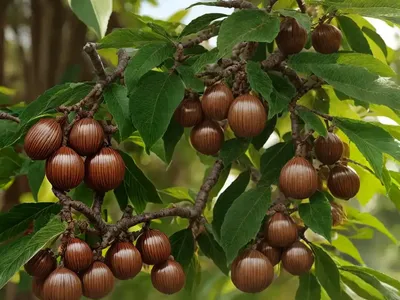
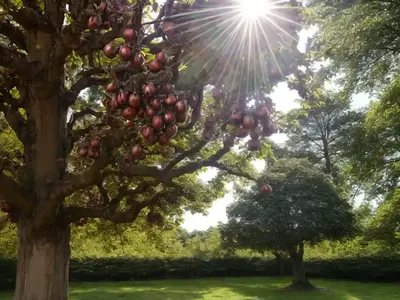
The American chestnut tree, Castanea dentata , holds a special place in the hearts of many as a symbol of the Eastern United States’ forests. Its towering.
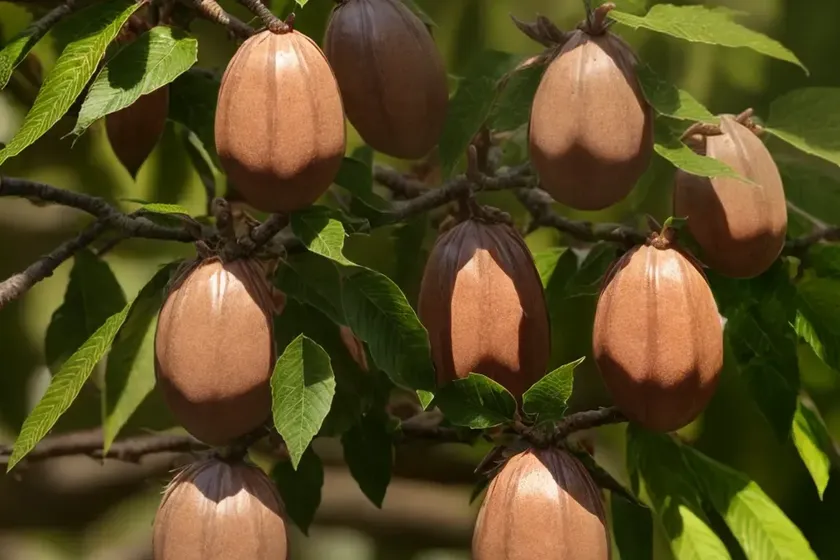
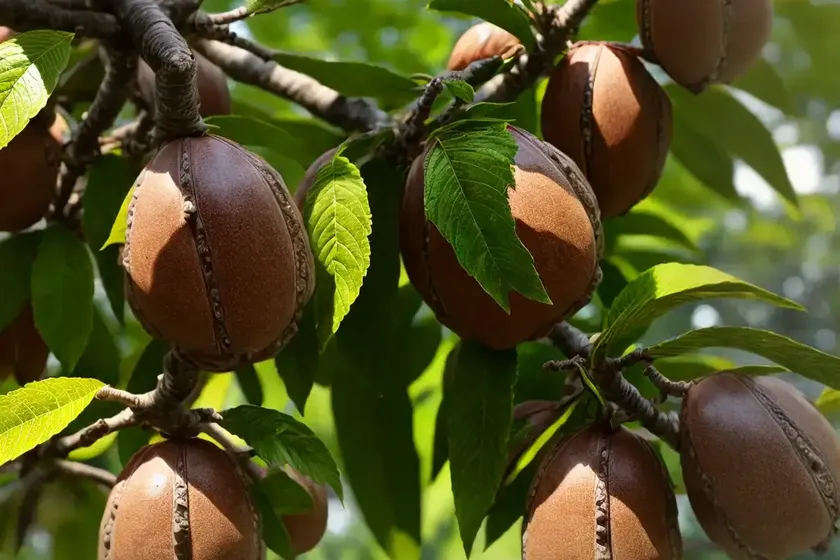
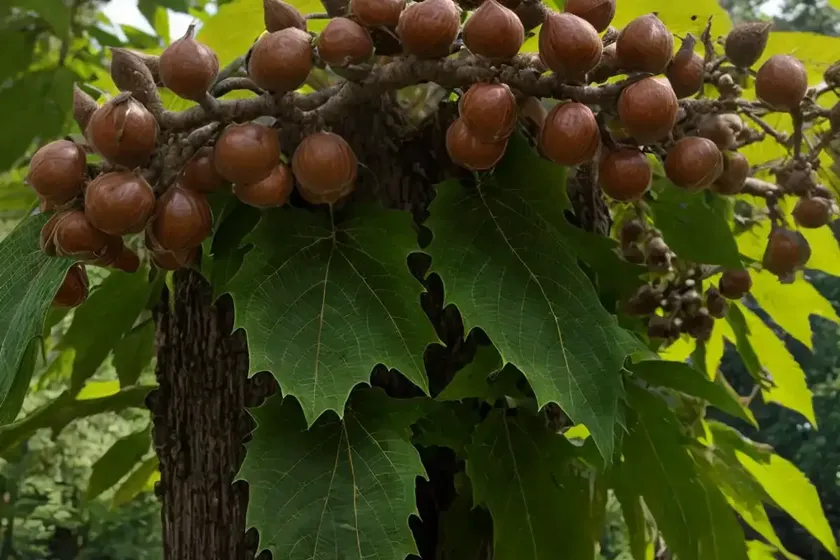
The American chestnut tree, Castanea dentata, holds a special place in the hearts of many as a symbol of the Eastern United States’ forests. Its towering height, expansive canopies, and bountiful nuts once dominated the landscape. However, the species was nearly eradicated due to an introduced blight. This blog post will dive into the story of the American chestnut tree, its cultural significance, its decline, and the ongoing efforts to restore this iconic species to its rightful place in the ecosystem.
What is the American Chestnut (Castanea dentata)?
The American chestnut, scientifically known as Castanea dentata, is a large deciduous tree belonging to the beech family, Fagaceae. This species is native to the Eastern United States and was historically one of the most abundant and important forest trees in the region. The American chestnut’s massive size, rapid growth, and abundant sweet nuts made it a vital component of the ecosystem and an essential resource for humans and wildlife alike.
Key Takeaways – American Chestnut (Castanea dentata)
- The American chestnut tree (Castanea dentata) is a large, deciduous tree native to the Eastern United States.
- Historically, the American chestnut was a key species in the ecology and culture of the region.
- The species faced near-extinction due to the introduction of an invasive fungal blight.
- Ongoing efforts are focused on restoring the American chestnut through blight-resistant hybrids and breeding programs.
American Chestnut: Culture
The American chestnut held immense cultural and ecological significance in the Eastern United States. Native American tribes revered the chestnut for its food, medicine, and wood. The nuts provided a vital food source for both wildlife and human populations, and the wood was highly valued for its strength and workability. American chestnut trees also held a prominent place in folklore and stories, often symbolizing strength, resilience, and abundance.
Uses of the American Chestnut
The uses of the American chestnut were manifold and diverse, extending from culinary and medicinal purposes to construction and woodworking. The nuts of the American chestnut were a staple food for humans and were also a critical food source for wildlife, including deer, wild turkeys, and bears. The wood of the American chestnut, known for its durability and rot-resistant properties, was highly valued for a variety of purposes, including furniture, fences, and utility poles.
Growing Conditions for American Chestnut
Water
American chestnut trees thrive in well-drained, moist soils. Adequate moisture is vital, especially during the establishment phase, but the species can adapt to a range of soil and moisture conditions.
Sunlight
To flourish, the American chestnut requires full sun and performs best in open, sunny locations. It is a highly light-demanding species and may struggle in shaded or crowded environments.
Soil
The American chestnut prefers slightly acidic to neutral soils and can tolerate a variety of soil textures, including loamy, sandy, and rocky substrates. Good drainage is essential to prevent root rot and other soil-related issues.
Fertilizer
While mature American chestnut trees generally do not require fertilization, young saplings may benefit from a balanced fertilizer application to support their initial growth and establishment.
Pruning
Pruning is typically not necessary for mature American chestnut trees growing in their natural forest habitat. However, pruning of lower branches and shoots may be beneficial for managed orchard or landscape plantings to encourage a strong, central trunk and desired canopy shape.
Propagation
The propagation of American chestnut trees can be accomplished through various methods, including seed germination and vegetative propagation. The American Chestnut Foundation and other organizations have been actively involved in breeding, selecting, and distributing blight-resistant chestnut hybrids to support the species’ restoration.
Container Popularity
While American chestnut trees are primarily known for their role in forest ecosystems, they are also of interest to container gardeners, botanical gardens, and arborists. The potential for growing American chestnut trees in containers presents opportunities for education, conservation, and research.
Common Diseases
Historically, the most devastating disease affecting American chestnut trees is chestnut blight, caused by the invasive fungal pathogen Cryphonectria parasitica. Other potential diseases include root rot, foliar diseases, and cankers, which can impact the tree’s health and vigor.
Disease Diagnosis
Professional diagnosis by plant pathologists or experienced arborists is often necessary to accurately identify chestnut diseases and develop effective management strategies. Symptoms such as cankers, leaf spots, or dieback should be carefully monitored and investigated.
Common Pests
Several insects and pests can pose threats to American chestnut trees, including chestnut weevils, gall wasps, and various defoliators. Monitoring for signs of pest infestation is crucial in managing and preserving the health of chestnut populations.
Botanist’s Tips for American Chestnut
- Select American chestnut trees for breeding or restoration efforts from diverse genetic sources to maintain genetic diversity and adaptive potential.
- Prioritize the maintenance of healthy soil conditions and incorporate sustainable land management practices to support American chestnut growth and recovery.
- Engage in educational outreach and public engagement to raise awareness about the ecological and cultural significance of the American chestnut and the potential for its restoration.
Fun Facts about American Chestnut
- The American chestnut played a vital role in the ecology and culture of the Eastern United States until the widespread devastation caused by chestnut blight.
- American chestnut trees were often referred to as the “redwoods of the East” due to their towering height and impressive size.
- The species has inspired countless stories, songs, and artworks, reflecting its cultural importance and enduring legacy.
Links to External Resources on American Chestnut
To further explore the history, ecology, and restoration efforts related to the American chestnut, the following resources are recommended:
1. The American Chestnut Foundation
2. American Chestnut Cooperators’ Foundation
3. National Park Service – American Chestnut Overview
4. USDA Forest Service – American Chestnut
5. American Chestnut Land Trust
In conclusion, the story of the American chestnut tree is one of resilience, loss, and hope. The devastating impact of chestnut blight nearly eradicated this iconic species from its native habitats, but ongoing research and restoration efforts continue to kindle the hope of a resurgence for the American chestnut. By understanding the cultural significance, ecological importance, and the challenges faced by Castanea dentata, we can actively contribute to the conservation and restoration of this invaluable tree.