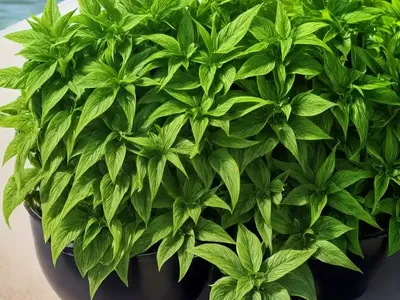
Slipper-flower (Euphorbia Tithymaloides)
Euphorbia tithymaloides, commonly known as Slipper-flower, is a striking succulent plant known for its vibrant foliage and ornamental appeal. Belonging to.
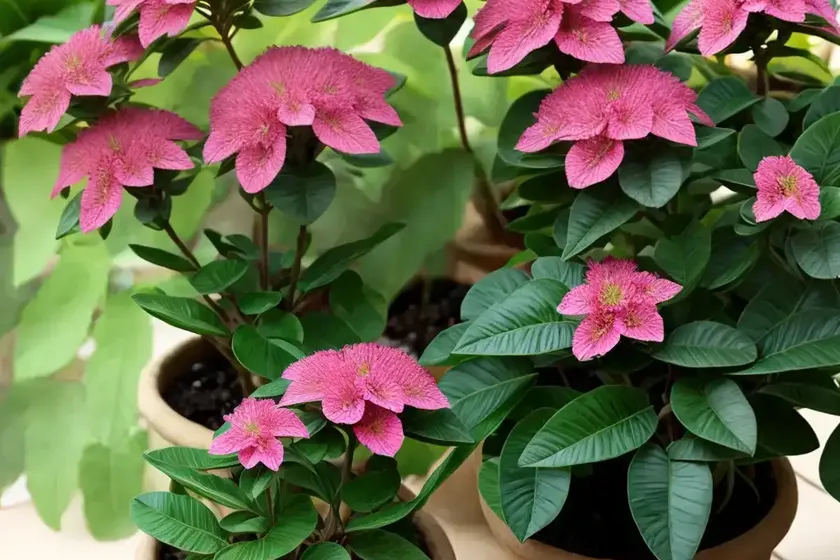
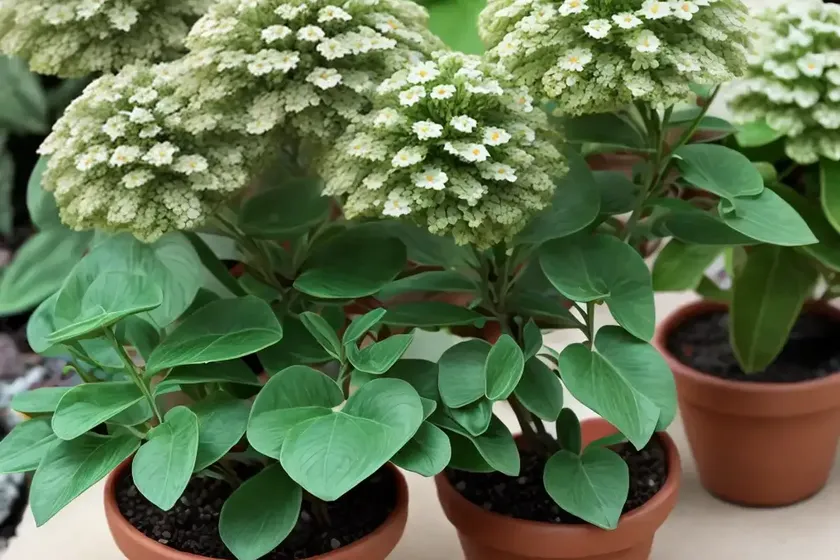
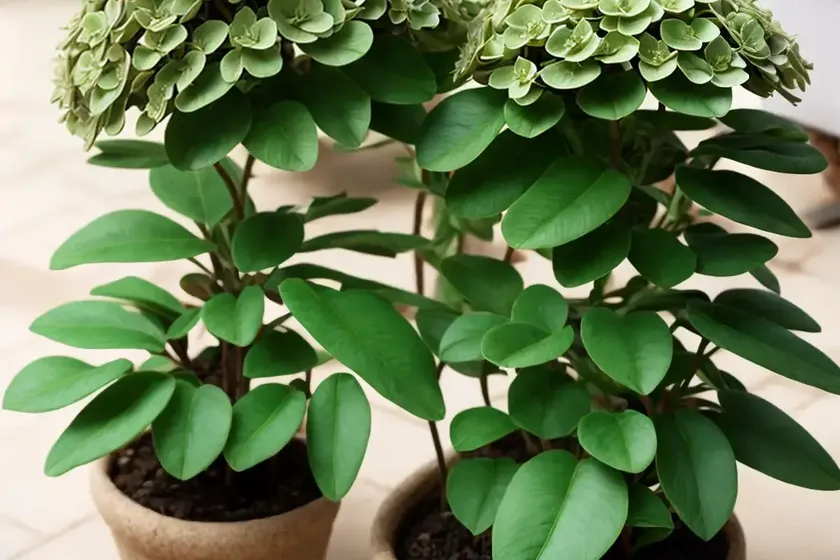
Euphorbia tithymaloides, commonly known as Slipper-flower, is a striking succulent plant known for its vibrant foliage and ornamental appeal. Belonging to the Euphorbiaceae family, this plant is native to the Americas and is popular for its unique characteristics, making it a sought-after addition to indoor and outdoor gardens.
In this comprehensive guide, we will delve into the various aspects of Slipper-flower, including its cultural requirements, uses, maintenance, and propagation, as well as common pests and diseases that it may encounter. Whether you are a seasoned plant enthusiast or a novice gardener, this article will equip you with valuable insights to nurture and appreciate the beauty of Euphorbia tithymaloides.
Key Takeaways – Slipper-flower (Euphorbia tithymaloides)
Before we delve deeper into the specifics of this intriguing plant, let’s take a quick look at some key takeaways about Slipper-flower (Euphorbia tithymaloides):
- Euphorbia tithymaloides is also known by several other names, including Poinsettia succulent, Devil’s backbone plant, and Redbird cactus.
- It is characterized by its vibrant red foliage and thorny, succulent stems.
- Slipper-flower is a drought-tolerant and low-maintenance plant, making it an ideal choice for busy plant enthusiasts.
- This plant is often used as an ornamental addition to indoor and outdoor spaces due to its striking appearance and unique growth habit.
By exploring the aspects of its culture, uses, and maintenance, you will gain a comprehensive understanding of how to care for and appreciate the beauty of Slipper-flower.
Culture
Understanding the cultural requirements of Slipper-flower is fundamental to its successful growth and development. From watering habits to sunlight exposure, paying attention to its specific needs will ensure that the plant thrives in its environment.
Uses
Slipper-flower (Euphorbia tithymaloides) holds several potential uses, both in horticulture and for decorative purposes. Some notable uses include:
- Ornamental plant for indoor and outdoor gardens
- Used in landscaping to add vibrant color and texture
- Suitable for rock gardens and xeriscaping due to its drought-tolerant nature
- Adds a tropical touch to interior spaces when grown as a houseplant
- May be utilized in succulent arrangements and mixed container gardens
The diverse uses of Slipper-flower make it a versatile addition to various settings, from residential gardens to professional landscapes.
Water
Proper watering practices are crucial for the health and vitality of Slipper-flower. As a drought-tolerant plant, it is essential to strike a balance between providing adequate moisture and avoiding waterlogging, which can lead to root rot.
Below are some general guidelines for watering Slipper-flower:
- Allow the soil to dry out between watering sessions to prevent waterlogged conditions.
- Water thoroughly, allowing excess water to drain from the pot, and avoid letting the plant sit in standing water.
- During the growing season, typically spring and summer, water when the top inch of soil feels dry to the touch.
- Reduce watering frequency in winter when the plant experiences a period of dormancy and decreased growth.
By adhering to appropriate watering practices, you can maintain the health and vigor of Slipper-flower while preventing potential water-related issues.
Sunlight
Slipper-flower thrives in bright, indirect sunlight, making it well-suited for indoor environments with ample natural light. Outdoors, it can also adapt to partial shade conditions but benefits from some direct sunlight, especially in the morning hours.
Consider the following sunlight requirements for Slipper-flower:
- Indoors: Position the plant near a south or west-facing window to ensure it receives sufficient natural light without being exposed to the intensity of direct sunlight for prolonged periods.
- Outdoors: Select a location with partial shade, particularly in regions with intense or prolonged sunlight, to prevent leaf burn and stress.
Complete sun exposure may lead to leaf scorching and damage, so it is important to strike a balance when providing sunlight for Slipper-flower.
Fertilizer
Applying a balanced fertilizer can support the growth and coloration of Slipper-flower, especially during the active growing season. Selecting a suitable fertilizer and applying it judiciously will aid in maintaining the plant’s overall health and vibrancy.
Consider the following guidelines for fertilizing Slipper-flower:
- Use a well-balanced, liquid fertilizer diluted to half strength to avoid overfeeding.
- Apply fertilizer every 4-6 weeks during the growing season, typically from spring to early fall.
- Reduce or cease fertilization during the winter months when the plant is in a dormant phase.
Employing a fertilization regimen tailored to the plant’s needs will promote robust growth and enhance the visual appeal of Slipper-flower.
Soil
In terms of soil requirements, Slipper-flower thrives in a well-draining and porous mix that mimics its native, arid habitats. The soil composition plays a critical role in preventing water stagnation and ensuring that the roots have access to adequate oxygen.
Consider the following characteristics of suitable soil for Slipper-flower:
- Use a cactus or succulent potting mix to provide the ideal balance of drainage and aeration.
- Incorporate perlite or coarse sand into the soil to enhance its drainage capacity and prevent compaction.
- Ensure that the container or planting area has drainage holes to allow excess water to escape freely.
By utilizing a well-draining soil medium, you can create an environment conducive to the healthy growth and development of Slipper-flower.
Pruning
Pruning is essential for maintaining the shape and size of Slipper-flower, as well as for removing any dead or unsightly growth. Additionally, pruning can help promote bushier and more compact growth, enhancing the overall appearance of the plant.
Follow these guidelines when pruning Slipper-flower:
- Use clean, sharp pruning shears to make precise cuts and reduce the risk of transmitting diseases.
- Remove any dead or diseased stems by cutting them back to the base of the plant.
- To shape the plant and encourage branching, prune the tips of the stems, taking care to avoid excessive pruning that may compromise the plant’s appearance.
Regular pruning will help keep Slipper-flower in optimal condition while ensuring that it maintains an attractive and well-maintained appearance.
Propagation
The propagation of Slipper-flower can be achieved through several methods, including stem cuttings and seed propagation. By understanding the basic techniques for propagating this plant, you can expand your collection or share its beauty with others.
Consider the following propagation methods for Slipper-flower:
- Stem cuttings: Take 4-6 inch stem cuttings from a healthy, mature plant and allow them to dry and callus for a few days before planting them in a well-draining soil mix.
- Seed propagation: Collect seeds from the plant and sow them in a suitable growing medium, keeping the soil consistently moist until germination occurs.
Both methods have their unique advantages and requirements, and the choice of propagation approach may depend on your preference and the availability of plant material.
Container Popularity
Slipper-flower (Euphorbia tithymaloides) is prized for its suitability as a container plant, making it a popular choice for indoor and patio gardens. Its compact growth habit and ornamental appeal lend themselves well to container culture, providing plant enthusiasts with a versatile and aesthetically pleasing option for their urban or limited space gardens.
Consider the following factors that contribute to the popularity of Slipper-flower for container gardening:
- Compact growth: The plant’s relatively small size and bushy growth habit make it well-suited for container planting, allowing it to thrive in limited spaces.
- Ornamental value: The vibrant foliage and unique form of Slipper-flower make it an attractive addition to interior and exterior containers, adding visual interest and color to various settings.
- Adaptability: Slipper-flower readily adapts to container environments, provided that appropriate growing conditions, including soil, watering, and sunlight, are maintained.
By leveraging its container-friendly attributes, Slipper-flower can serve as a charming and manageable addition to diverse container gardens.
Common Diseases
Like all plants, Slipper-flower is susceptible to certain diseases that can impact its overall health and appearance. Understanding potential diseases and their management is crucial for proactive plant care and maintenance.
Some of the common diseases that can affect Slipper-flower include:
- Powdery mildew: A common fungal disease characterized by the development of powdery, white patches on the foliage, typically caused by high humidity and poor air circulation. To address powdery mildew, improve ventilation, and consider fungicidal treatments if the infestation is severe.
- Root rot: Excessive moisture in the soil can lead to root rot, causing the plant’s roots to become mushy and brown. Preventing overwatering and ensuring proper drainage are essential for averting this issue.
Vigilant monitoring and timely intervention are essential for mitigating the impact of diseases on Slipper-flower and preserving its vitality.
Disease Diagnosis
Diagnosing diseases affecting Slipper-flower involves careful observation and, in some cases, the assistance of a professional to identify specific pathogens or issues. Key signs and symptoms to look out for include:
- Unusual discoloration or spots on leaves
- Abnormal growth patterns or stunted development
- Changes in the plant’s overall appearance or vitality
Seeking prompt diagnosis and treatment can help address diseases early on and prevent them from escalating and causing irreversible damage to the plant.
Common Pests
Pests can pose a threat to the health and well-being of Slipper-flower, necessitating proactive pest management measures to safeguard the plant’s integrity. Several common pests that may target this plant include:
- Aphids: Small, sap-sucking insects that can cause leaf distortion and stunted growth. Control aphids through insecticidal soaps or horticultural oils.
- Mealybugs: Soft-bodied insects that secrete a white, waxy substance and feed on the plant’s sap, leading to wilting and yellowing. Use alcohol-soaked cotton swabs to remove mealybugs from the plant’s foliage.
By monitoring for signs of pest infestation and implementing targeted control strategies, you can mitigate the impact of pests and prevent them from compromising the health of Slipper-flower.
Botanist’s Tips
To further enhance your understanding and appreciation of Slipper-flower, consider the following botanist’s tips:
- Incorporate Slipper-flower into mixed succulent arrangements to add a pop of vibrant color and texture.
- Prune the plant periodically to maintain its compact and bushy growth habit, promoting a visually appealing appearance.
- When repotting Slipper-flower, ensure that the new container provides ample space for the root system to expand and that it has proper drainage.
By integrating these expert tips into your plant care routine, you can nurture and enjoy the unique beauty of Slipper-flower to its full potential.
Fun Facts
To add a touch of intrigue and fascination to your knowledge of Slipper-flower, consider the following fun facts about this captivating plant:
- Euphorbia tithymaloides is also referred to as “Crown of thorns,” owing to its prickly stems and thorny appearance.
- The plant’s vibrant red foliage makes it a standout feature in gardens and interior spaces, adding a striking burst of color.
- Slipper-flower has been recognized for its drought-tolerant nature and ability to thrive in arid environments, making it an ideal choice for water-wise gardening.
By acquainting yourself with these fun and captivating facts, you can cultivate a deeper appreciation for the unique qualities of Slipper-flower.
Links to External Resources
For further exploration of topics related to Slipper-flower (Euphorbia tithymaloides) and related plant care, consider the following links to external resources:
- University of Florida – Euphorbia tithymaloides: Learn more about the ornamental features and horticultural considerations for Slipper-flower.
- Missouri Botanical Garden – Euphorbia tithymaloides: Explore detailed information on the botanical characteristics and cultivation of Slipper-flower.
- Royal Horticultural Society – Growing succulents and cacti: Access comprehensive guidance on caring for succulents, including valuable insights applicable to the cultivation of Slipper-flower.
By engaging with these external resources, you can further enrich your knowledge and expertise in the realm of plant care and cultivation, expanding your understanding of Slipper-flower and related botanical subjects.
In conclusion, Slipper-flower (Euphorbia tithymaloides) stands as a captivating and distinctive plant celebrated for its vibrant foliage, ornamental allure, and adaptable nature. By embracing the insights and recommendations presented in this guide, you can embark on a fulfilling journey of nurturing and appreciating the exceptional beauty of this intriguing succulent. Whether as a centerpiece in a garden bed or a charming addition to a container garden, Slipper-flower offers a multitude of possibilities for plant enthusiasts to savor and enjoy.
Remember to approach plant care with enthusiasm and attentiveness, and let the striking presence of Slipper-flower enrich your green spaces with its vibrant and unforgettable charm.