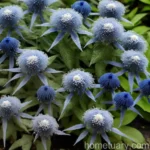
All About Caryopteris x clandonensis Sapphire Surf (Bluebeard) – A Plant Scientist’s Guide
Caryopteris x clandonensis Sapphire Surf, also known as Bluebeard, is a stunning flowering plant that captivates garden enthusiasts with its beautiful blue flowers and aromatic foliage. As a plant scientist with a passion for ornamental horticulture, I am excited to share all there is to know about this remarkable plant. In this comprehensive guide, we will delve into its cultural requirements, uses in landscaping, care instructions, propagation techniques, and much more. Let’s explore the enchanting world of Caryopteris x clandonensis Sapphire Surf!
What is Caryopteris x clandonensis Sapphire Surf (Bluebeard)?
Caryopteris x clandonensis Sapphire Surf, a member of the Lamiaceae family, is a deciduous shrub valued for its striking blue flowers and aromatic, silver-green foliage. This hybrid plant is a cross between Caryopteris incana and Caryopteris mongholica, and it was first introduced by Peter Catt of Liss Forest Nursery in the United Kingdom. The Sapphire Surf cultivar, in particular, is known for its compact form and abundant blooming, making it a popular choice for garden borders, mass plantings, and mixed perennial beds.
Key Takeaways – Caryopteris x clandonensis Sapphire Surf
- Scientific Name: Caryopteris x clandonensis Sapphire Surf
- Common Names: Bluebeard plant, Sapphire Surf Bluebeard
- Family: Lamiaceae
- Genus: Caryopteris
- Origin: Hybrid of Caryopteris incana and Caryopteris mongholica
- Growth Habit: Deciduous shrub
- Flower Color: Blue
- Foliage: Silver-green, aromatic
- Hardiness Zone: 5-9
- Mature Height: 2-3 feet
- Mature Spread: 2-4 feet
- Blooming Season: Late summer to early fall
Culture
Understanding the cultural requirements of Caryopteris x clandonensis Sapphire Surf is essential for successfully growing and maintaining this stunning plant. From soil conditions to pruning techniques, let’s explore the various aspects of its culture in detail.
Uses
Caryopteris x clandonensis Sapphire Surf has versatile uses in landscaping, thanks to its striking appearance and low-maintenance nature. Here are some common uses of this bluebeard plant:
- Garden Borders: The vibrant blue flowers of Sapphire Surf Bluebeard make it an excellent choice for edging garden borders, adding a pop of color and attracting pollinators.
- Mixed Perennial Beds: When planted alongside other perennials, the compact form of Caryopteris x clandonensis Sapphire Surf creates an appealing contrast and adds visual interest to mixed beds.
- Mass Plantings: Due to its prolific blooming and compact growth habit, Sapphire Surf Bluebeard is often used for mass plantings, providing a sea of blue in late summer and early fall.
- Pollinator Gardens: The nectar-rich flowers of Bluebeard plants attract bees, butterflies, and other beneficial pollinators, making it a valuable addition to pollinator-friendly gardens.
Water
Proper watering is crucial for the health and vitality of Caryopteris x clandonensis Sapphire Surf. While this plant exhibits moderate drought tolerance once established, consistent moisture is essential during its establishment phase and periods of prolonged dryness. Here are some key points to consider regarding its water requirements:
- Establishment: Newly planted Sapphire Surf Bluebeard should be watered regularly to promote root establishment. Provide about 1 inch of water per week, either through rainfall or irrigation, during the first growing season.
- Mature Plants: Once established, Caryopteris x clandonensis Sapphire Surf can tolerate some dry spells. However, during prolonged drought, it is advisable to provide supplemental watering, especially in the absence of significant rainfall.
- Watering Frequency: It is generally recommended to water Sapphire Surf Bluebeard deeply but infrequently, allowing the soil to dry out slightly between watering sessions to prevent waterlogging and root rot.
Sunlight
Proper sunlight exposure is essential for the growth and flowering of Caryopteris x clandonensis Sapphire Surf. This bluebeard plant thrives in full sun to partial shade, and the right amount of sunlight directly impacts its blooming and overall vigor. Here are some sunlight-related considerations for Sapphire Surf Bluebeard:
- Full Sun: Plant Caryopteris x clandonensis Sapphire Surf in a location that receives at least 6-8 hours of direct sunlight per day for optimal flowering and compact growth.
- Partial Shade: While Sapphire Surf Bluebeard prefers full sun, it can tolerate partial shade, especially in regions with intense afternoon sun or extremely hot climates. In such cases, providing some afternoon shade can prevent the plant from wilting and experiencing heat stress.
Fertilizer
Proper fertilization can enhance the growth, blooming, and overall health of Caryopteris x clandonensis Sapphire Surf. While this plant is not excessively demanding in terms of fertilization, providing essential nutrients can support its sustainable growth and prolific flowering. Here’s a guide to fertilizing Sapphire Surf Bluebeard:
- Timing: Fertilize Caryopteris x clandonensis Sapphire Surf in early spring, just before the start of new growth, to provide the plant with the necessary nutrients for the upcoming growing season.
- Fertilizer Type: Use a balanced, slow-release fertilizer formulated for flowering shrubs. A general-purpose fertilizer with an N-P-K ratio of 10-10-10 or similar can be suitable for Sapphire Surf Bluebeard.
- Application Method: Spread the fertilizer evenly around the base of the plant, avoiding direct contact with the stems. Follow the manufacturer’s instructions regarding the application rate based on the size and age of the plant.
- Watering After Fertilization: After applying the fertilizer, water the area thoroughly to facilitate the gradual release of nutrients and prevent potential root burn.
Soil
The choice of soil and its condition significantly impacts the growth, blooming, and overall health of Caryopteris x clandonensis Sapphire Surf. Understanding the soil preferences of this bluebeard plant is crucial for creating an ideal growing environment. Here are some key aspects to consider regarding its soil requirements:
- Well-Draining Soil: Sapphire Surf Bluebeard thrives in well-draining soil that prevents waterlogging and promotes aeration of the root system. Avoid heavy, compacted soils that retain excess moisture, as they can lead to root rot and other moisture-related issues.
- Soil pH: Caryopteris x clandonensis Sapphire Surf prefers slightly acidic to neutral soil with a pH range of 6.0 to 7.0. Conduct a soil test to determine the pH of the planting area and amend the soil as needed to achieve the desired pH level.
- Soil Amendments: Incorporating organic matter such as compost, well-rotted manure, or peat moss into the soil can enhance its structure, drainage, and nutrient content, creating a favorable growing medium for Sapphire Surf Bluebeard.
Pruning
Pruning plays a pivotal role in shaping the growth, promoting flowering, and maintaining the overall appearance of Caryopteris x clandonensis Sapphire Surf. Proper pruning techniques can rejuvenate the plant, remove dead or damaged growth, and stimulate new flowering wood. Here’s a guide to pruning Sapphire Surf Bluebeard:
- Timing: Prune Caryopteris x clandonensis Sapphire Surf in late winter to early spring before new growth emerges. This timing allows the plant to allocate resources towards new shoots and flowering wood.
- Pruning Technique: Use sharp, clean pruning shears to remove 1/3 to 1/2 of the previous year’s growth, focusing on leggy or weak stems. Additionally, deadheading spent flowers throughout the blooming season can encourage prolonged flowering.
- Rejuvenation Pruning: If the plant becomes overgrown or loses its vigor, rejuvenate Caryopteris x clandonensis Sapphire Surf by cutting it back to 6-12 inches from the ground during late winter. This drastic pruning stimulates fresh, vigorous growth and revitalizes the plant’s appearance.
Propagation
The propagation of Caryopteris x clandonensis Sapphire Surf allows gardeners to expand their plant collection and share this captivating bluebeard with others. While Sapphire Surf Bluebeard can be propagated through various methods, including softwood cuttings and division, softwood cuttings are commonly used for its propagation.
Softwood Cuttings:
Softwood cuttings are best taken in late spring to early summer when the plant’s new growth is still tender and actively growing. Follow these steps for propagating Sapphire Surf Bluebeard through softwood cuttings:
- Select healthy, non-flowering stems that are approximately 4-6 inches long.
- Using sharp, sterilized pruning shears, take cuttings just below a leaf node and remove the lower leaves to expose the nodes.
- Dip the cut end in a rooting hormone powder to stimulate root development.
- Plant the cuttings in a well-draining propagation medium, such as a mix of perlite and peat or a commercial rooting mix.
- Provide bottom heat and consistent moisture to encourage root development.
- Once rooted, transplant the cuttings into individual containers or a prepared garden bed, and continue to care for them as young plants.
Container Popularity
Caryopteris x clandonensis Sapphire Surf is well-suited for container gardening, allowing enthusiasts to enjoy its beauty on patios, balconies, and small outdoor spaces. When grown in containers, this bluebeard plant offers flexibility in terms of placement and makes a stunning addition to garden landscapes.
Container Considerations:
- Pot Size: Select a container that provides ample room for the root system to develop, generally with a diameter of 12-16 inches for mature plants, and ensure adequate drainage holes at the bottom.
- Growing Medium: Use a well-draining, nutrient-rich potting mix suitable for flowering shrubs. A mix containing organic matter, perlite, and coarse sand can provide the necessary structure and drainage.
- Sunlight Requirements: Place the container in a location that receives at least 6-8 hours of direct sunlight per day to promote flowering and overall vitality.
- Watering: Monitor the moisture levels in the container and water the plant whenever the top inch of the soil feels dry to the touch, ensuring that excess water can freely drain from the container.
Common Diseases
While Caryopteris x clandonensis Sapphire Surf is relatively resilient, it can be susceptible to certain diseases, especially in conditions that compromise its vigor and environmental stressors. Understanding common diseases and their potential management strategies is essential for safeguarding the health of this bluebeard plant.
Disease Diagnosis
Being able to identify symptoms of common diseases affecting Caryopteris x clandonensis Sapphire Surf is crucial for prompt intervention and effective management. Here are some common diseases that can affect this bluebeard plant:
- Powdery Mildew (Erysiphales): Powdery mildew appears as a powdery, white coating on the leaves and stems, often leading to stunted growth and reduced vigor.
- Leaf Spot (Cercospora spp. and other pathogens): Leaf spot causes dark, irregularly shaped lesions on the foliage, potentially leading to premature leaf drop and defoliation.
- Root Rot (Phytophthora spp. and other pathogens): Root rot can result in wilting, yellowing foliage, and ultimately plant death, especially in poorly drained or waterlogged soil.
Common Pests
In addition to diseases, Caryopteris x clandonensis Sapphire Surf can attract certain pests that may compromise its health and aesthetics. Being vigilant and proactive in pest management is essential for preserving the vigor of this beautiful bluebeard plant.
Common Pests:
- Aphids (Aphidoidea): Aphids can cluster on the new growth of Sapphire Surf Bluebeard, sucking plant juices and potentially causing distorted, stunted growth.
- Spider Mites (Tetranychus spp.): Spider mites are tiny pests that can cause stippling and webbing on the foliage, leading to reduced photosynthetic capacity and overall decline.
- Japanese Beetles (Popillia japonica): Japanese beetles can feed on the foliage and flowers of Caryopteris x clandonensis Sapphire Surf, causing skeletonized leaves and aesthetic damage.
Botanist’s Tips
As a plant scientist, I’ve gathered some valuable tips to help gardeners cultivate and care for Caryopteris x clandonensis Sapphire Surf with success. These insights are based on the plant’s natural behavior, horticultural practices, and its response to environmental factors.
Botanist’s Tips for Growing Sapphire Surf Bluebeard:
- Well-Draining Soil: Plant Caryopteris x clandonensis Sapphire Surf in well-draining soil to prevent moisture-related issues and promote a healthy root system.
- Regular Pruning: Regular pruning not only helps maintain the shape of the plant but also stimulates new growth and flowering wood, leading to a more abundant blooming display.
- Moderate Watering: While Sapphire Surf Bluebeard exhibits moderate drought tolerance, it is important to provide consistent moisture, especially during its establishment phase and in prolonged dry spells.
- Sunlight Exposure: Ensure that the plant receives adequate sunlight for robust growth and flowering, but be mindful of intense afternoon sun in hot climates, which can lead to heat stress.
- Pest and Disease Monitoring: Regularly inspect Caryopteris x clandonensis Sapphire Surf for signs of pests and diseases, intervening promptly to minimize damage and preserve plant health.
Fun Facts
Delightful and intriguing, here are some fun facts about Caryopteris x clandonensis Sapphire Surf that add to the charm and allure of this captivating bluebeard plant:
- Butterfly Magnet: The nectar-rich flowers of Sapphire Surf Bluebeard attract various butterfly species, contributing to the plant’s value in butterfly and pollinator gardens.
- Aromatic Foliage: The silver-green foliage of Caryopteris x clandonensis Sapphire Surf emits a pleasant, aromatic scent when brushed against or crushed, adding sensory appeal to the garden.
- Deer Resistance: This bluebeard plant exhibits resistance to deer browsing, making it a suitable choice for landscapes prone to deer activity.
Links to External Resources
Plant Name: “Caryopteris x clandonensis Sapphire Surf (Bluebeard)”
- Missouri Botanical Garden – Caryopteris x clandonensis ‘Sapphire Surf’
- Royal Horticultural Society – Caryopteris × clandonensis ‘Sapphire Surf’
- The Spruce – How to Grow and Care for Caryopteris
In conclusion, Caryopteris x clandonensis Sapphire Surf, commonly known as Bluebeard, is a charming and versatile plant that can enrich garden landscapes with its vibrant blue flowers, aromatic foliage, and low-maintenance nature. By understanding its cultural requirements, propagation techniques, and management strategies for pests and diseases, gardeners can cultivate and enjoy the beauty of Sapphire Surf Bluebeard to the fullest. Whether used in garden borders, mixed beds, or containers, this exceptional plant has much to offer to horticultural enthusiasts, pollinators, and the overall beauty of outdoor spaces.
Remember, the allure of Caryopteris x clandonensis Sapphire Surf goes far beyond its stunning appearance; it enriches the garden with fragrance, attracts beneficial wildlife, and offers a sense of wonder and delight with every vibrant bloom.
Happy Gardening!