Caryopteris X Clandonensis ‘Minbleu’ Petit Bleu� (Bluebeard)
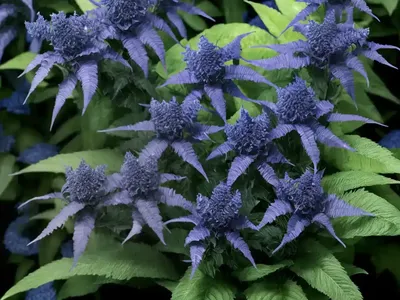
Caryopteris x clandonensis ‘Minbleu’ Petit Bleu, commonly known as Bluebeard, is a delightful ornamental shrub that offers a burst of blue color to any.
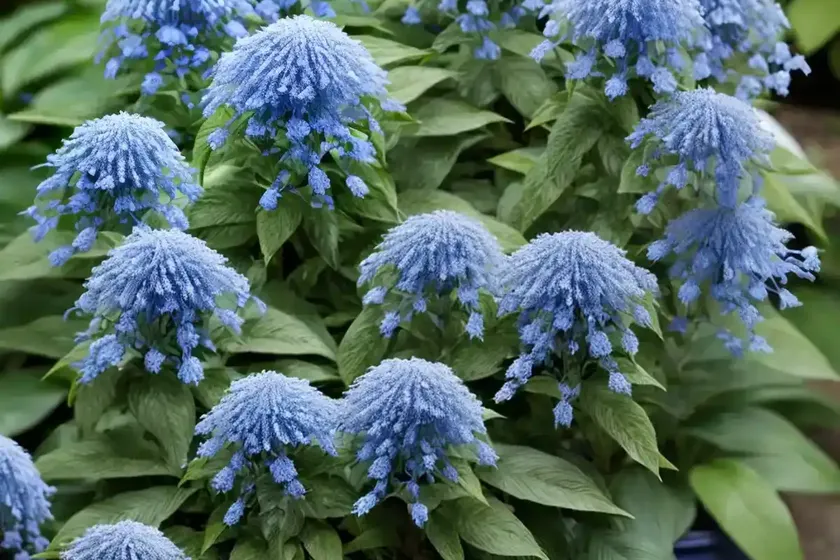
Caryopteris x clandonensis ‘Minbleu’ Petit Bleu, commonly known as Bluebeard, is a delightful ornamental shrub that offers a burst of blue color to any garden. This plant is cherished for its long-lasting and vibrant blue flowers, compact growth habit, and its ability to attract pollinators. In this comprehensive guide, we will delve into the characteristics of the Caryopteris x clandonensis ‘Minbleu’ Petit Bleu, its cultivation tips, care requirements, and its role in landscaping. Whether you are a seasoned gardener or a beginner, this guide will equip you with the necessary knowledge to successfully grow and enjoy the beauty of the Bluebeard plant.
What is Caryopteris x clandonensis ‘Minbleu’ Petit Bleu (Bluebeard)?
Caryopteris x clandonensis ‘Minbleu’ Petit Bleu is a deciduous shrub that belongs to the Verbenaceae family. It is a hybrid plant, resulting from the crossbreeding of two Caryopteris species. This plant is known for its striking blue flowers and aromatic foliage, making it a sought-after ornamental addition to gardens. The Bluebeard plant typically reaches a height and spread of about 2 to 3 feet, creating a compact and tidy appearance.
The common name “Bluebeard” is derived from the intense blue color of the flowers, resembling the blue on a beard. This plant is native to East Asia, specifically China and Japan, where it thrives in the wild under the right conditions.
Key Takeaways – Caryopteris x clandonensis ‘Minbleu’ Petit Bleu (Bluebeard)
Culture
- Scientific Name: Caryopteris x clandonensis ‘Minbleu’ Petit Bleu
- Family: Verbenaceae
- Common Names: Bluebeard, Blue Spirea
- Type: Deciduous shrub
Uses
- Garden Ornamental: Bluebeard is predominantly grown for its attractive and eye-catching blue flowers. It is also valued for its ability to attract bees, butterflies, and other pollinators to the garden.
- Landscaping: Its compact growth habit and colorful blooms make it a popular choice for landscaping in borders, mixed perennial beds, and cottage gardens.
Water
- Watering Needs: Bluebeard plants require regular watering, especially during the establishment phase and in periods of prolonged drought. Once well-established, they exhibit good drought tolerance.
Sunlight
- Sun Requirements: This plant thrives in full sun to partial shade. It performs best when provided with at least 6 hours of direct sunlight per day.
Fertilizer
- Fertilization: Bluebeard benefits from a balanced fertilizer application in spring, promoting healthy growth and prolific flowering. Utilize a slow-release, granular fertilizer specifically formulated for flowering shrubs for optimal results.
Soil
- Soil Type: Well-draining, loamy soil is ideal for Bluebeard. It should also be moderately fertile with a slightly acidic to neutral pH level.
Pruning
- Pruning Requirements: Prune Bluebeard in early spring to encourage new growth and maintain its compact form. Additionally, deadheading spent flowers can extend the blooming period and promote further flower production.
Propagation
- Propagation Method: Bluebeard can be propagated from softwood or hardwood cuttings, or by division in early to mid-spring. Softwood cuttings are typically taken in late spring to early summer, while hardwood cuttings are collected in late summer to early fall.
Container Popularity
- Container Growth: Bluebeard can be grown in containers, making it suitable for small gardens, patios, and balconies. Ensure the container has adequate drainage and provide regular care and maintenance.
Common Diseases
- Disease Susceptibility: Bluebeard is generally resistant to most diseases; however, it may occasionally experience issues with powdery mildew, especially in humid or poorly ventilated conditions.
Disease Diagnosis
- Diagnosing Issues: Visual symptoms such as white powdery patches on the foliage and stunted growth can indicate a powdery mildew infection. Effective management strategies involve improving air circulation and using fungicidal treatments if necessary.
Common Pests
- Pest Threat: Bluebeard may attract certain aphids, spider mites, and whiteflies, which can be managed with insecticidal soaps or horticultural oils.
Botanist’s Tips
- Expert Insight: Encourage branching and a compact growth habit by strategically pinching back the stems during the early stages of growth.
Fun Facts
- Pollinator Magnet: Bluebeard’s vibrant blue flowers are highly attractive to pollinators, such as bees and butterflies, enhancing the ecological value of the garden.
Caryopteris ‘Minbleu’ Care Guide
Caring for Caryopteris x clandonensis ‘Minbleu’ Petit Bleu involves providing the right growing conditions, water, sunlight, and periodic maintenance. Here are the essential care guidelines for this beautiful shrub:
Watering
- Water newly planted Bluebeard shrubs regularly to keep the soil consistently moist, allowing for establishment. Once established, provide deep, infrequent watering to encourage deep root growth and drought tolerance.
Sunlight
- Plant Bluebeard in a location that receives at least 6 hours of direct sunlight per day, preferably in the morning to early afternoon. In warmer regions, partial shade during the hottest part of the day can help prevent stress and heat damage.
Fertilizer
- Apply a balanced, slow-release fertilizer designed for flowering shrubs in early spring, following the manufacturer’s recommendations. Avoid excessive fertilization, as it can lead to lush growth at the expense of flowering.
Soil
- Ensure the planting site has well-draining soil with a slightly acidic to neutral pH level. Amending the soil with organic matter can improve its structure and fertility.
Pruning
- Prune Bluebeard in early spring to remove dead or damaged branches and shape the plant. Deadhead spent flowers to prolong the blooming period and encourage additional blooms.
Propagation
- Propagate Bluebeard through softwood or hardwood cuttings taken from healthy, disease-free plants. Ensure the cuttings are handled and planted in a well-draining soil mix.
Container Growth
- When growing Bluebeard in containers, select a pot with adequate drainage holes and a well-draining potting mix. Regularly monitor the soil moisture and provide supplemental watering when necessary.
Disease and Pest Control
- Monitor Bluebeard for signs of powdery mildew, especially during humid periods. Treat any identified issues promptly with suitable fungicidal sprays. Additionally, keep an eye out for aphids, spider mites, and whiteflies, addressing any infestations as needed.
Characteristics of Caryopteris ‘Minbleu’
Caryopteris x clandonensis ‘Minbleu’ Petit Bleu exhibits distinct characteristics that contribute to its popularity and desirability in gardens and landscapes:
– Compact Growth: Bluebeard maintains a compact growth habit, making it well-suited for small gardens, containers, and mixed border plantings.
– Vibrant Blue Flowers: The intense blue color of the flowers creates a striking visual impact in the garden, attracting attention and pollinators alike.
– Attractive Foliage: The aromatic foliage of Bluebeard adds to its ornamental value, releasing a pleasant fragrance when brushed or crushed.
– Pollinator-Friendly: Bluebeard’s flowers serve as a valuable nectar source for bees, butterflies, and other pollinating insects, contributing to ecosystem health.
– Drought Tolerance: Once established, Bluebeard exhibits good tolerance to dry conditions, requiring minimal supplemental watering during periods of drought.
Bluebeard Plant Information
The following section provides comprehensive information on various aspects of Bluebeard plant care and cultivation:
Growing Tips for Caryopteris x clandonensis ‘Minbleu’ Petit Bleu
Caryopteris ‘Minbleu’ thrives when provided with well-draining soil, adequate sunlight, and regular watering.
Factors Affecting the Growth of Caryopteris ‘Minbleu’
The growth of Bluebeard is influenced by environmental factors such as sunlight, soil moisture, and the presence of pests or diseases.
How to Propagate Caryopteris x clandonensis ‘Minbleu’
Propagate Bluebeard through softwood or hardwood cuttings, or by division, following appropriate procedures for each method.
Tips for Successful Propagation of Petit Bleu Bluebeard
Successful propagation of Bluebeard involves selecting healthy stems, providing optimal propagation conditions, and ensuring proper care for the newly rooted cuttings.
Ideal Growing Conditions for Caryopteris ‘Minbleu’
Bluebeard thrives in well-draining soil, full sun to partial shade, and moderate moisture levels, creating ideal growing conditions for healthy development.
Disease and Pest Control for Caryopteris x clandonensis ‘Minbleu’
Maintain Bluebeard’s health by monitoring for diseases and pests, promptly addressing any issues with suitable control measures.
- University of Minnesota Extension, “Caryopteris – Blue Mist Shrub”: https://extension.umn.edu/planting-and-growing-guides/caryopteris-blue-mist-shrub
- Missouri Botanical Garden, “Caryopteris x clandonensis ‘Minbleu'”: http://www.missouribotanicalgarden.org/PlantFinder/PlantFinderDetails.aspx?taxonid=280961
- Royal Horticultural Society, “Caryopteris × clandonensis ‘Heavenly Blue'”: https://www.rhs.org.uk/Plants/89589/i-Caryopteris-i-x-clandonensis-Havenly-Blue/Details