Caryopteris X Clandonensis ‘Lissilv’ Sterling Silver (Bluebeard)
Caryopteris x clandonensis ‘Lissilv’ Sterling Silver, commonly known as Bluebeard, is a stunning flowering shrub known for its fragrant blue blooms and.
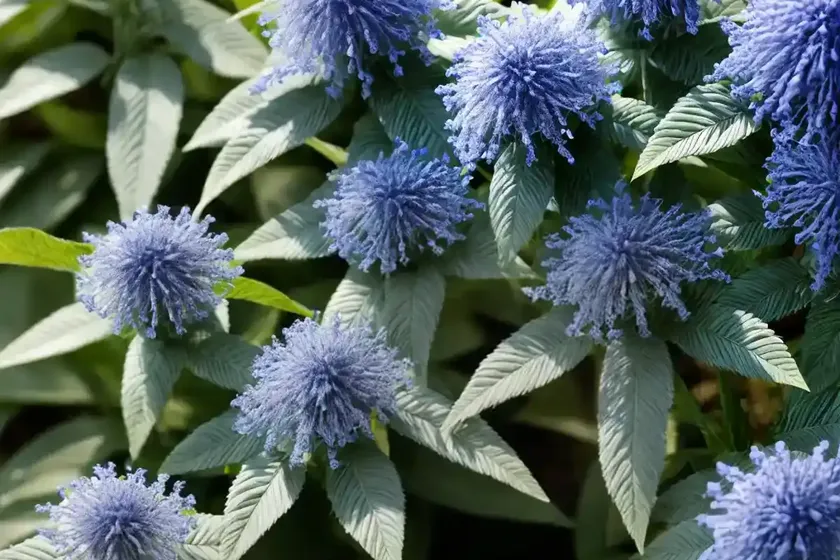
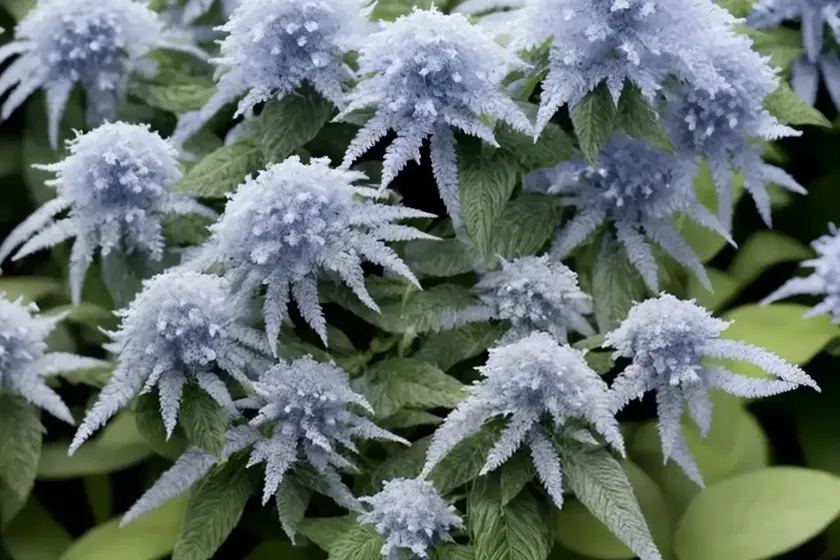
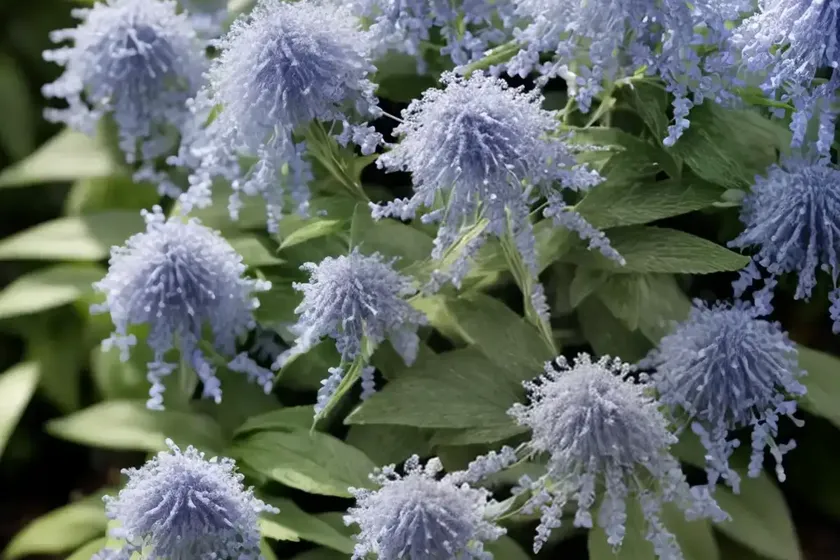
Caryopteris x clandonensis ‘Lissilv’ Sterling Silver, commonly known as Bluebeard, is a stunning flowering shrub known for its fragrant blue blooms and silver-green foliage. As a plant scientist, it’s my pleasure to provide you with an in-depth insight into this beautiful plant’s culture, uses, care instructions, and more. This comprehensive guide will equip you with all the information you need to cultivate and appreciate the beauty of the Bluebeard in your garden.
What is Caryopteris x clandonensis ‘Lissilv’ Sterling Silver (Bluebeard)?
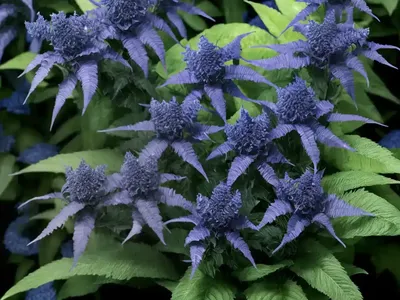
Caryopteris x clandonensis ‘Lissilv’ Sterling Silver, also referred to as Bluebeard, is a deciduous shrub that belongs to the Verbenaceae family. This stunning plant is native to East Asia and is highly valued for its ornamental and pollinator-attracting characteristics. The Bluebeard plant is known for its beautiful blue flowers that bloom in late summer, adding a splash of color to the landscape when many other plants have finished flowering. Additionally, the Silver-blue foliage of this shrub provides an attractive contrast to its blooms, making it a desirable plant for gardens and landscapes.
Key Takeaways – Caryopteris x clandonensis ‘Lissilv’ Sterling Silver (Bluebeard)
- Common Names: Bluebeard, Sterling Silver Bluebeard
- Botanical Name: Caryopteris x clandonensis ‘Lissilv’ Sterling Silver
- Plant Type: Deciduous flowering shrub
- Flower Color: Blue
- Foliage Color: Silver-green
- Blooming Season: Late Summer to Fall
- Growth Habit: Upright, bushy
- Sunlight: Full sun
- Soil Type: Well-draining, loamy soil
- Watering: Average moisture, drought-tolerant once established
- USDA Hardiness Zones: 5-9
Culture of Caryopteris x clandonensis ‘Lissilv’ Sterling Silver (Bluebeard)
Caryopteris x clandonensis ‘Lissilv’ Sterling Silver is an easy-to-grow plant, provided its cultural requirements are met. Understanding the cultural needs of this plant is essential for its successful growth and development.
Uses
The Bluebeard shrub has various uses in garden landscapes and horticulture, making it a versatile and valuable addition to any garden. Its uses include:
- Ornamental Purposes: Bluebeard is primarily cultivated for its ornamental value, adding a burst of color and fragrance to garden spaces.
- Pollinator Attraction: The flowers of Bluebeard attract bees, butterflies, and other pollinators, contributing to garden biodiversity.
- Cut Flower Arrangements: The long-lasting blooms of Bluebeard make it a great addition to cut flower arrangements, bringing the beauty of the outdoors inside.
- Erosion Control: Due to its deep root system and ability to thrive in various soil conditions, Bluebeard is often used in erosion control and slope stabilization projects.
Water
Proper watering is crucial for the health and vitality of Caryopteris x clandonensis ‘Lissilv’ Sterling Silver. While this plant is known for its drought tolerance once established, regular watering is important to support its growth and flowering.
- Establishment Period: Newly planted Bluebeard shrubs should be watered regularly to ensure that the root system becomes well-established in the soil. This usually occurs during the first growing season.
- Mature Plants: Once established, Bluebeard plants can tolerate drier conditions. However, during prolonged periods of drought, it is advisable to provide supplemental watering to ensure the shrub’s health and continued flowering.
Sunlight
Caryopteris x clandonensis ‘Lissilv’ Sterling Silver thrives in full sun conditions. Adequate sunlight is essential for the plant to produce abundant blooms and maintain healthy foliage.
- Optimal Sun Exposure: Plant Bluebeard in a location where it receives at least 6-8 hours of direct sunlight per day. Insufficient sunlight may result in reduced flowering and leggy growth.
Fertilizer
Fertilizing Bluebeard shrubs can promote healthy growth and prolific flowering. However, it is essential to apply the right type and amount of fertilizer to prevent overstimulation or damage to the plant.
- Timing: Apply a balanced, slow-release fertilizer in early spring, just before new growth begins. Avoid late-season fertilization, as it may stimulate late growth that is susceptible to frost damage.
- Application: Spread the fertilizer evenly around the base of the plant, following the manufacturer’s recommended application rates. Water the area thoroughly after applying the fertilizer to ensure its incorporation into the soil.
Soil
The soil composition and quality play a significant role in the growth and overall health of Bluebeard shrubs. Understanding the soil requirements of this plant is crucial for successful cultivation.
- Well-Draining Soil: Bluebeard thrives in well-draining soil that prevents waterlogging and root rot. Amend heavy clay soil with organic matter to improve drainage and soil structure.
- pH Level: The ideal soil pH for Bluebeard is slightly acidic to neutral (pH 6.0-7.0). Conduct a soil pH test and make adjustments as needed to create an optimal growing environment for the plant.
Pruning of Caryopteris x clandonensis ‘Lissilv’ Sterling Silver (Bluebeard)
Pruning is an important aspect of Bluebeard care, contributing to the plant’s overall health, shape, and flowering performance. Proper pruning can rejuvenate the shrub, remove dead or diseased wood, and promote a more compact and tidy growth habit.
Pruning Timing
- Spring Pruning: Light pruning in early spring, just before new growth emerges, can help maintain the plant’s shape and encourage vigorous blooming. Remove any dead, damaged, or weak stems during this time.
- Deadheading: Regular deadheading of faded flowers throughout the blooming season can encourage the plant to produce additional blooms and prolong the flowering period.
Pruning Techniques
- Sterilize Pruning Tools: Before pruning Bluebeard or any other plant, ensure that your pruning tools are clean and sterilized to prevent the spread of diseases.
- Pruning Cuts: Make pruning cuts just above a set of healthy, outward-facing buds to encourage branching and a more bushy growth habit. Avoid cutting into old wood, as this may reduce the plant’s ability to produce new growth.
Propagation of Caryopteris x clandonensis ‘Lissilv’ Sterling Silver (Bluebeard)
Propagating Bluebeard can be an exciting endeavor, allowing you to expand your plant collection or share this beautiful shrub with fellow gardening enthusiasts.
- Propagation Methods: Bluebeard can be propagated through softwood cuttings, semi-hardwood cuttings, or by division. Each method has its own set of requirements and timing for best results.
- Division: Divide established Bluebeard plants in early spring before new growth appears. Gently separate the root ball into sections, ensuring that each division has a good portion of roots and shoots for successful establishment.
Container Popularity of Caryopteris x clandonensis ‘Lissilv’ Sterling Silver (Bluebeard)
Due to its relatively compact size and ornamental value, Bluebeard is well-suited for container gardening, making it a popular choice for patio, balcony, or small-space gardens.
- Container Selection: Choose a spacious container with adequate drainage holes to accommodate the root system of the Bluebeard shrub. Select a container made from a durable, weather-resistant material to ensure its longevity.
- Soil and Care: Use well-draining potting mix when planting Bluebeard in containers. Provide regular watering and ensure that the plant receives sufficient sunlight for healthy growth and blooming.
Common Diseases and Pests of Caryopteris x clandonensis ‘Lissilv’ Sterling Silver (Bluebeard)
While Bluebeard is relatively low-maintenance, it is important to be aware of potential diseases and pests that may affect the plant and take preventive measures to maintain its health and vitality.
Disease Diagnosis
- Powdery Mildew: Bluebeard is susceptible to powdery mildew, a fungal disease that manifests as a powdery white coating on the foliage. Provide adequate air circulation and avoid overhead watering to prevent this condition.
Common Pests
- Aphids: These small, sap-sucking insects may infest Bluebeard plants, causing distortion of new growth and honeydew excretion. Control aphid infestations through physical removal, insecticidal soap, or natural predators like ladybugs.
Botanist’s Tips for Caryopteris x clandonensis ‘Lissilv’ Sterling Silver (Bluebeard)
As a plant scientist, I have some valuable tips to share that will help you care for and appreciate your Bluebeard shrub to the fullest.
- Mulching: Apply a layer of organic mulch around the base of Bluebeard to conserve soil moisture, suppress weed growth, and regulate soil temperature.
- Beneficial Companion Plants: Pair Bluebeard with pollinator-friendly plants such as Echinacea, Salvia, and Liatris to create a vibrant and wildlife-friendly garden space.
Fun Facts about Caryopteris x clandonensis ‘Lissilv’ Sterling Silver (Bluebeard)
To add a touch of intrigue to your knowledge of Bluebeard, here are some fascinating fun facts about this delightful plant:
- Fragrance: The foliage of Bluebeard emits a pleasant, aromatic scent when brushed or crushed, adding sensory appeal to its ornamental value.
- Butterfly Magnet: Bluebeard’s fragrant blooms and nectar-rich flowers make it a favorite of butterflies, creating a charming and lively garden environment.
Now that we’ve delved into the culturally and botanically significant aspects of Caryopteris x clandonensis ‘Lissilv’ Sterling Silver (Bluebeard), it’s time to explore some additional resources and references to further enrich your understanding and appreciation of this stunning shrub.
Links to External Resources
- Caryopteris x clandonensis ‘Lissilv’ Sterling Silver – Missouri Botanical Garden
- Caryopteris x clandonensis ‘Lissilv’ Sterling Silver – Royal Horticultural Society
- Bluebeard Plant Profile – Cornell University College of Agriculture and Life Sciences
- Planting and Caring for Caryopteris – University of Minnesota Extension
By exploring these resources, you can gain additional insights and detailed information on the cultivation, care, and botanical characteristics of Caryopteris x clandonensis ‘Lissilv’ Sterling Silver, expanding your knowledge and passion for horticulture and the natural world.
As a plant scientist, my goal is to inspire and inform plant enthusiasts and gardeners, encouraging a deeper appreciation and understanding of the botanical wonders that grace our landscapes. With this comprehensive guide, you are equipped to embark on a rewarding journey of cultivating and enjoying the beauty of Bluebeard in your own garden spaces.
So, seize the opportunity to enhance your gardening endeavors with the allure of Caryopteris x clandonensis ‘Lissilv’ Sterling Silver, and may your garden bloom with the vibrant colors and fragrances of this remarkable shrub!
“In every gardener, there is a child who believes in the Seed Fairy.” – Robert Brault
Happy gardening,
[Your Name]
Plant Scientist