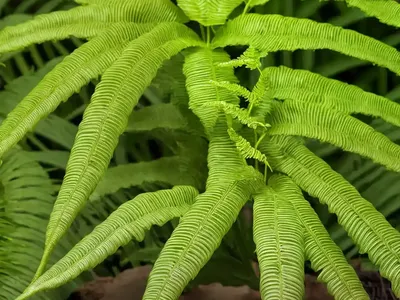
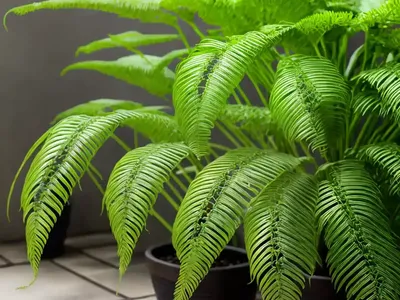
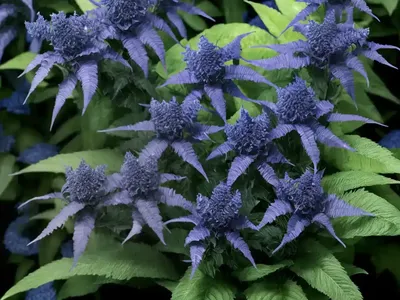
Caryopteris X Clandonensis ‘Kew Blue’ (Bluebeard)
As a plant scientist, I am always fascinated by the diverse and breathtaking world of plants. Today, I am thrilled to delve into the realm of Caryopteris x.
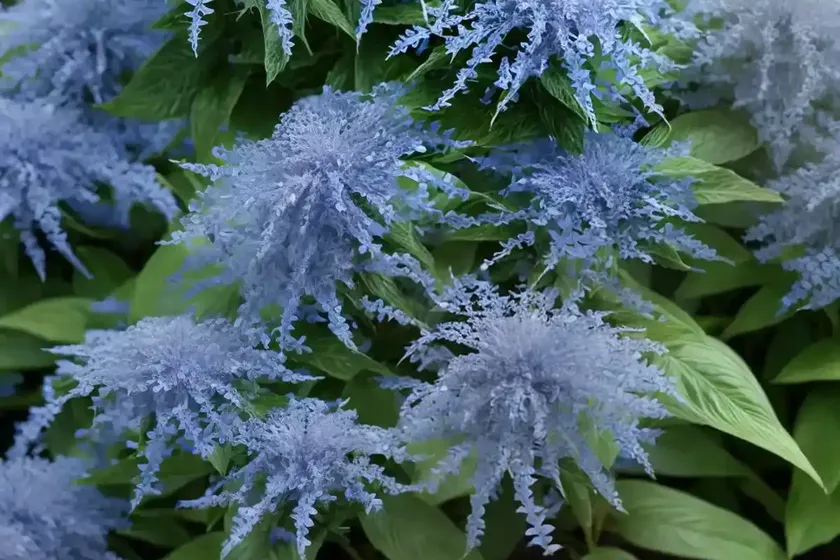
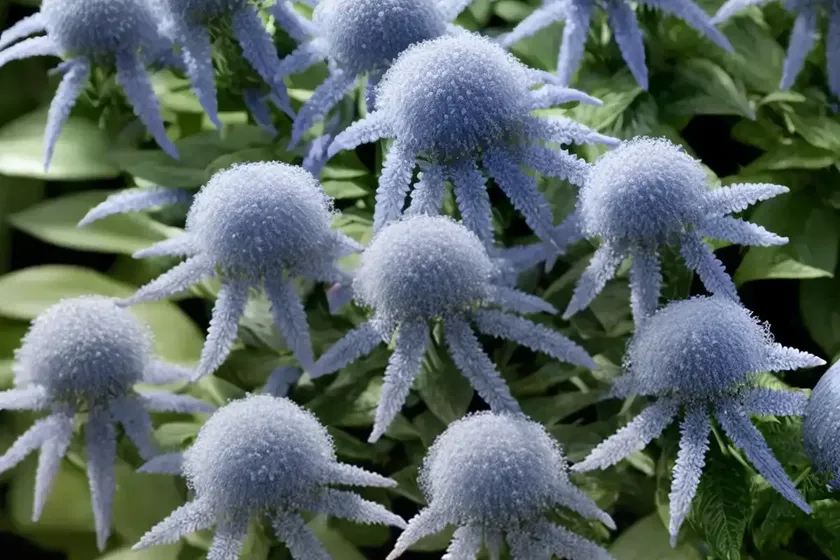
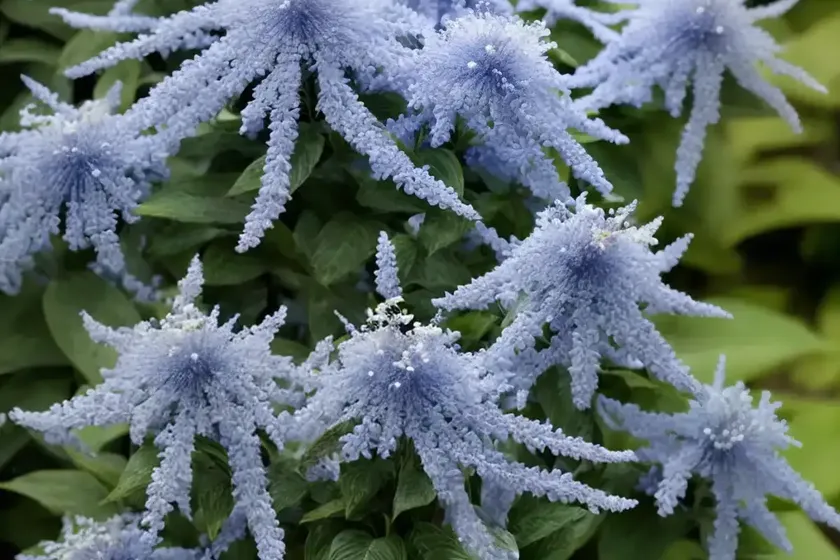
As a plant scientist, I am always fascinated by the diverse and breathtaking world of plants. Today, I am thrilled to delve into the realm of Caryopteris x clandonensis ‘Kew Blue’, commonly known as Bluebeard. This plant is known for its stunning blue flowers and a host of beneficial attributes. So let’s embark on this botanical journey and explore the intricacies and marvels of this fascinating species.
What is Caryopteris x clandonensis ‘Kew Blue’?
Caryopteris x clandonensis ‘Kew Blue’, popularly referred to as Bluebeard, is a deciduous subshrub that belongs to the Verbenaceae family. Originating from the hybridization of Caryopteris incana and Caryopteris mongholica, this plant is celebrated for its aromatic foliage and vibrant blue flowers that captivate the beholder’s gaze.
Key Takeaways
Before we immerse ourselves in the detailed exploration of Caryopteris x clandonensis ‘Kew Blue’, let’s highlight some key takeaways that will shape our understanding of this beautiful plant.
- Scientific Name: Caryopteris x clandonensis ‘Kew Blue’
- Common Name: Bluebeard
- Family: Verbenaceae
- Characteristics: Deciduous subshrub with aromatic foliage and striking blue flowers
- Appeal: Attracts pollinators and adds vibrant color to the garden
- Benefits: Medicinal uses, wildlife attraction, and landscape ornamentation
Now that we have set the stage, let’s embark on an in-depth exploration of the culture, uses, care requirements, and fascinating attributes of Caryopteris x clandonensis ‘Kew Blue’.
Culture
Understanding the optimal cultural conditions for the successful growth and development of Caryopteris x clandonensis ‘Kew Blue’ is paramount for enthusiasts and horticulturists alike. Let’s delve into the cultural preferences of this captivating plant.
Water
Caryopteris x clandonensis ‘Kew Blue’ thrives in well-drained soil and prefers moderate watering. It is essential to strike a balance, ensuring that the soil is consistently moist but not waterlogged. During hot and dry spells, providing adequate moisture is crucial to support the plant’s vitality and blooming potential.
Sunlight
When it comes to sunlight requirements, Caryopteris x clandonensis ‘Kew Blue’ exhibits a penchant for basking in full sun. The plant flourishes when exposed to ample sunlight, manifesting its signature blue flowers and lush foliage in response to the radiant warmth and light.
Soil
The ideal soil for cultivating Caryopteris x clandonensis ‘Kew Blue’ is well-drained, loamy, and fertile. It thrives in soil that offers good aeration and moisture retention, fostering favorable conditions for root development and overall plant vigor.
Fertilizer
Incorporating a balanced and diluted fertilizer into the soil during the plant’s active growth phase can bolster its nutritional intake, enhancing its resilience and flowering capacity. It is advisable to refrain from over-fertilizing, as this may lead to excessive vegetative growth at the expense of flower production.
Uses
The enchanting allure of Caryopteris x clandonensis ‘Kew Blue’ extends beyond its ornamental virtues, encompassing a spectrum of practical and ecological applications. Let’s explore the diverse uses of this captivating plant.
Landscape Ornamentation
Caryopteris x clandonensis ‘Kew Blue’ serves as a charismatic addition to landscapes, offering a distinctive hue with its blue flowers and aromatic foliage. Whether employed as a solitary specimen or integrated into mixed borders, this plant infuses elegance and visual interest into garden settings.
Medicinal Applications
Certain varieties of Caryopteris possess medicinal properties, including anti-inflammatory and antimicrobial attributes. While specific research and expertise are requisite for medicinal utilization, these plants bear potential in traditional and alternative medicine.
Wildlife Attraction
The vibrant blooms of Caryopteris x clandonensis ‘Kew Blue’ beckon butterflies and other pollinators, contributing to the ecological tapestry of the garden. As an advocate for biodiversity, cultivating this plant can foster a thriving habitat for beneficial insects and avian visitors.
Ornamental Crafts
The dried flowers and foliage of Caryopteris x clandonensis ‘Kew Blue’ can be employed in artistic and ornamental crafts, offering a palette of shapes and textures to adorn arrangements and decorative compositions.
Care
A thorough comprehension of the requisite care practices for Caryopteris x clandonensis ‘Kew Blue’ is pivotal for nurturing its well-being and harnessing its ornamental potential. Let’s navigate through the essential care guidelines for this captivating plant.
Pruning
Pruning plays a pivotal role in shaping the growth habit and enhancing the flowering prowess of Caryopteris x clandonensis ‘Kew Blue’. Pruning in late winter or early spring, before the emergence of new growth, helps in rejuvenating the plant, promoting robust blooms, and maintaining a compact form.
Propagation
Caryopteris x clandonensis ‘Kew Blue’ can be propagated through various methods such as softwood cuttings, hardwood cuttings, and division. Each technique demands precise timing and techniques, presenting opportunities for enthusiasts to expand their plant collection and share the beauty of Bluebeard with others.
Container Gardening
Embracing container gardening opens avenues for cultivating Caryopteris x clandonensis ‘Kew Blue’ in diverse settings, from balconies and patios to small urban spaces. Selecting well-draining soil and providing adequate sunlight are instrumental in nurturing the plant’s vitality and ornamental appeal in containers.
Popularity
The allure of Caryopteris x clandonensis ‘Kew Blue’ has resonated with gardening enthusiasts and landscapers, elevating its popularity as a cherished addition to diverse horticultural settings. Its serene blue flowers, aromatic foliage, and ecological contributions have contributed to its sought-after status in the realm of ornamental plants.
Common Diseases
While Caryopteris x clandonensis ‘Kew Blue’ radiates resilience and vigor, it is susceptible to certain diseases and ailments that warrant vigilance and proactive management. Understanding these common diseases is crucial for safeguarding the health and vitality of the plant.
Disease Diagnosis
The emergence of leaf spot, powdery mildew, and root rot poses potential threats to the well-being of Caryopteris x clandonensis ‘Kew Blue’. Vigilant monitoring, prompt identification, and timely intervention are pivotal for mitigating the impact of these diseases and preserving the plant’s splendor.
Common Pests
The appeal of Caryopteris x clandonensis ‘Kew Blue’ extends to certain pests, necessitating measures to deter and manage potential infestations. Let’s explore the common pests that may pose a threat to this captivating plant and delve into strategies for pest control.
Botanist’s Tips
Armed with insights garnered from botanical expertise and first-hand experiences, I am delighted to share a compendium of invaluable tips for cultivating and cherishing Caryopteris x clandonensis ‘Kew Blue’. These tips encapsulate the wisdom and discernment that can fuel the success and gratification of nurturing this charismatic plant.
Soil pH Requirements
Caryopteris x clandonensis ‘Kew Blue’ thrives in neutral to slightly acidic soil, with pH levels ranging from 6.0 to 7.5. Ensuring the appropriate soil pH creates an environment conducive to the plant’s nutrient uptake and overall well-being.
Pruning for Floral Abundance
Pruning represents a cornerstone in optimizing the flowering potential of Caryopteris x clandonensis ‘Kew Blue’. By conservatively pruning spent blooms and shaping the plant, enthusiasts can stimulate prolific flowering and uphold the plant’s aesthetic allure.
Attracting Pollinators
Harnessing the innate appeal of Caryopteris x clandonensis ‘Kew Blue’ to attract pollinators necessitates strategic placement within the garden and judicious selection of companion plants. By curating a pollinator-friendly landscape, one can elevate the ecological resonance and biodiversity within the garden.
Fun Facts
Unearth the intriguing and delightfully unexpected facets of Caryopteris x clandonensis ‘Kew Blue’ through a collection of fun facts that illuminate the plant’s charisma and significance within the botanical tapestry.
- Aromatic Foliage: The foliage of Caryopteris x clandonensis ‘Kew Blue’ emits a pleasant fragrance, enriching the sensory experience and culinary applications.
- Drought Tolerance: This plant exhibits commendable resilience to drought conditions, demonstrating adaptability in challenging environments.
- Wildlife Magnet: Beyond butterflies, the plant captivates hummingbirds and bees, enthralling observers with its ecological magnetism.
- Seasonal Spectrum: Caryopteris x clandonensis ‘Kew Blue’ yields a captivating display of blue flowers, enhancing the visual panorama and seasonally evolving charm of the garden.
Links to External Resources
To fortify your understanding of Caryopteris x clandonensis ‘Kew Blue’ and further explore its horticultural realm, I have curated a selection of reputable external resources that encapsulate comprehensive insights and practical guidance.
- Royal Horticultural Society – Caryopteris x clandonensis ‘Kew Blue’
- Missouri Botanical Garden – Caryopteris x clandonensis ‘Kew Blue’
- North Carolina State University Extension – Bluebeard
- University of Florida IFAS Extension – Bluebeard
In our excursion through the captivating realm of Caryopteris x clandonensis ‘Kew Blue’, we have unveiled its ornamental allure, cultural requisites, and ecological significance. From the graceful sway of its blue flowers to the aromatic elegance of its foliage, this plant captivates enthusiasts and inscribes a vibrant chapter in the horticultural narrative. May this exploration kindle a deeper appreciation for the botanical wonders that grace our terrestrial tapestry.
As we conclude this odyssey, I encourage fellow horticulturists, enthusiasts, and nature aficionados to nurture an abiding reverence for the enchanting botanical treasures that embellish our landscapes and foster connections with the natural world.
Keywords: Caryopteris x clandonensis ‘Kew Blue’ care, Benefits of growing Caryopteris x clandonensis ‘Kew Blue’, How to propagate Caryopteris x clandonensis ‘Kew Blue’, Best soil for Caryopteris x clandonensis ‘Kew Blue’, Watering schedule for Caryopteris x clandonensis ‘Kew Blue’, Sunlight requirements for Caryopteris x clandonensis ‘Kew Blue’, Pruning tips for Caryopteris x clandonensis ‘Kew Blue’, Common problems with Caryopteris x clandonensis ‘Kew Blue’, Ideal temperature for Caryopteris x clandonensis ‘Kew Blue’, Pests and diseases affecting Caryopteris x clandonensis ‘Kew Blue’, Companion plants for Caryopteris x clandonensis ‘Kew Blue’, Container gardening with Caryopteris x clandonensis ‘Kew Blue’, Wildlife attraction of Caryopteris x clandonensis ‘Kew Blue’, Medicinal uses of Caryopteris x clandonensis ‘Kew Blue’, Drought tolerance of Caryopteris x clandonensis ‘Kew Blue’, Flowering season of Caryopteris x clandonensis ‘Kew Blue’, Attractive features of Caryopteris x clandonensis ‘Kew Blue’, Landscape uses for Caryopteris x clandonensis ‘Kew Blue’, Suitable USDA hardiness zones for Caryopteris x clandonensis ‘Kew Blue’, Growing Caryopteris x clandonensis ‘Kew Blue’ from seeds, Winter care for Caryopteris x clandonensis ‘Kew Blue’, Fertilizing requirements for Caryopteris x clandonensis ‘Kew Blue’, How to divide Caryopteris x clandonensis ‘Kew Blue’, Unique characteristics of Caryopteris x clandonensis ‘Kew Blue’, Garden design ideas with Caryopteris x clandonensis ‘Kew Blue’, Endangered status of Caryopteris x clandonensis ‘Kew Blue’, Growing Caryopteris x clandonensis ‘Kew Blue’ in containers, Pollinator-friendly plants: Caryopteris x clandonensis ‘Kew Blue’, Soil pH requirements for Caryopteris x clandonensis ‘Kew Blue’, How to attract butterflies with Caryopteris x clandonensis ‘Kew Blue’, Suitable companion flowers for Caryopteris x clandonensis ‘Kew Blue’, Fall colors of Caryopteris x clandonensis ‘Kew Blue’, How to overwinter Caryopteris x clandonensis ‘Kew Blue’, Wildlife habitat benefits of Caryopteris x clandonensis ‘Kew Blue’, Different varieties of Caryopteris x clandonensis ‘Kew Blue’, Fragrance of Caryopteris x clandonensis ‘Kew Blue’, Deer-resistant plants: Caryopteris x clandonensis ‘Kew Blue’, Growing Caryopteris x clandonensis ‘Kew Blue’ in shade, Native range of Caryopteris x clandonensis ‘Kew Blue’, Using Caryopteris x clandonensis ‘Kew Blue’ as a border plant, Water conservation with Caryopteris x clandonensis ‘Kew Blue’, How to attract bees with Caryopteris x clandonensis ‘Kew Blue’, Disease resistance of Caryopteris x clandonensis ‘Kew Blue’, Common uses of Caryopteris x clandonensis ‘Kew Blue’ in landscaping, Aromatic foliage of Caryopteris x clandonensis ‘Kew Blue’, Different shades of blue flowers in Caryopteris x clandonensis ‘Kew Blue’, Mature size of Caryopteris x clandonensis ‘Kew Blue’, Culinary uses of Caryopteris x clandonensis ‘Kew Blue’, Attractive to hummingbirds: Caryopteris x clandonensis ‘Kew Blue’, Low-maintenance gardening with Caryopteris x clandonensis ‘Kew Blue’