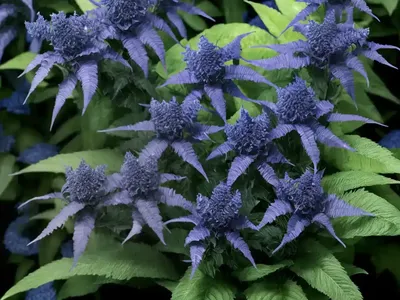
Caryopteris X Clandonensis ‘Janice’ Lil’ Miss Sunshine� (Bluebeard)
Plants play a crucial role in maintaining the delicate balance of our planet’s ecosystems. From providing oxygen and food to creating habitats for various.
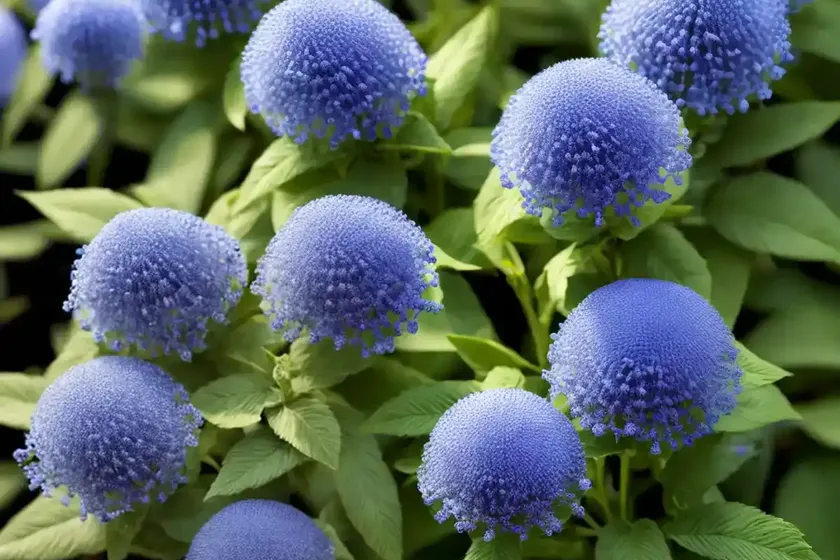
Plants play a crucial role in maintaining the delicate balance of our planet’s ecosystems. From providing oxygen and food to creating habitats for various organisms, plants are essential for life on Earth. Among the wide array of plant species, Caryopteris x clandonensis ‘Janice’ Lil’ Miss Sunshine® (Bluebeard) stands out as an eye-catching and versatile shrub that offers a host of benefits to both gardeners and nature. In this comprehensive guide, we will explore the captivating world of Bluebeard, uncovering its cultural significance, uses, care requirements, and much more.
What is Caryopteris x clandonensis ‘Janice’ Lil’ Miss Sunshine® (Bluebeard)?
The Bluebeard plant, scientifically known as Caryopteris x clandonensis ‘Janice’ Lil’ Miss Sunshine®, is a member of the Verbenaceae family. It is a deciduous flowering shrub that is prized for its vibrant blue flowers and aromatic foliage. Native to East Asia, Bluebeard has become a popular choice for landscaping and gardening due to its low maintenance and ability to attract pollinators like bees and butterflies. The “Janice” Lil’ Miss Sunshine® variety specifically is celebrated for its compact size and stunning yellow foliage, adding a bright touch to any garden or landscape.
Key Takeaways – Caryopteris x clandonensis ‘Janice’ Lil’ Miss Sunshine® (Bluebeard)
Before delving into the specific aspects of caring for Caryopteris x clandonensis ‘Janice’ Lil’ Miss Sunshine® (Bluebeard), let’s highlight the key takeaways of this remarkable plant.
- Scientific Name: Caryopteris x clandonensis ‘Janice’ Lil’ Miss Sunshine®
- Common Name: Bluebeard
- Variety: Janice Lil’ Miss Sunshine®
- Family: Verbenaceae
- Native Habitat: East Asia
- Notable Features: Vibrant blue flowers, aromatic foliage, compact size, and yellow foliage in the ‘Janice’ Lil’ Miss Sunshine® variety
- Benefits: Low maintenance, attracts pollinators, ornamental value
- Uses: Landscaping, gardening, attracting pollinators
Now, let’s dive deeper into the various aspects of Bluebeard, including its cultural significance, uses, care requirements, and more.
Culture
Understanding the cultural requirements of Caryopteris x clandonensis ‘Janice’ Lil’ Miss Sunshine® is essential for ensuring its optimal growth and development. Here are the key cultural aspects to consider when cultivating this captivating shrub.
Water
| Stage of Growth | Watering Frequency | Soil Moisture |
|---|---|---|
| Established Plant | Moderate | Well-draining, moderately moist soil |
| Young Plant | Frequent | Moist soil, avoiding waterlogged conditions |
| Mature Plant | Occasional | Tolerant of short periods of dry soil once established |
- Watering Tips:
- Water newly planted Bluebeard shrubs regularly to help them establish their root systems.
- Avoid overwatering, which can lead to root rot, and ensure that the soil is well-draining to prevent waterlogging.
- During prolonged dry spells, provide additional irrigation to maintain adequate soil moisture levels.
Sunlight
- Sun Exposure: Full sun to partial shade
- Optimal Conditions: Bluebeard thrives in locations with ample sunlight, preferably receiving at least 6 hours of direct sunlight per day.
- Partial Shade: While tolerant of partial shade, reduced sunlight may result in fewer blooms and less vibrant foliage.
- Shade Tolerance: Can withstand brief periods of shade, especially during the hottest part of the day.
Fertilizer
- Fertilization Schedule:
- Early Spring: Apply a balanced slow-release fertilizer to promote healthy growth and flowering.
- Mid-Summer: If necessary, provide a light application of fertilizer to sustain the plant’s vigor.
- Avoid excessive fertilization, as it can lead to excessive foliage growth at the expense of flower production.
Soil
- Soil Type: Well-draining, loamy soil
- pH Range: Slightly acidic to neutral (pH 6.0-7.0)
- Soil Amendments: Incorporate organic matter like compost when planting to improve soil structure and fertility.
- Soil Moisture: Maintain moderately moist soil conditions, avoiding waterlogged or extremely dry soil.
These cultural considerations lay the foundation for successfully nurturing Caryopteris x clandonensis ‘Janice’ Lil’ Miss Sunshine® in a garden or landscape setting.
Pruning
Proper pruning is essential for maintaining the health, shape, and blooming potential of Bluebeard shrubs. Here are some key guidelines for pruning Caryopteris x clandonensis ‘Janice’ Lil’ Miss Sunshine®.
- Pruning Time: Late Winter to Early Spring
- Objective: Encourage new growth, maintain shape, and remove dead or damaged wood
- Techniques:
- Renewal Pruning: Every 2-3 years, perform renewal pruning by cutting back one-third of the oldest stems to the ground to stimulate new growth.
- Deadheading: Regularly remove spent flowers to promote continuous blooming.
- Overall Shape: Trim back any straggly or overgrown branches to maintain a compact and tidy appearance.
Propagation
Caryopteris x clandonensis ‘Janice’ Lil’ Miss Sunshine® can be propagated through several methods, including:
- Softwood Cuttings: Take softwood cuttings in early summer and root them in a moist, well-draining rooting medium.
- Layering: Encourage layering by bending a low-growing stem to the soil, securing it in place, and allowing it to develop roots before detaching it from the parent plant.
- Division: Divide mature Bluebeard plants in early spring before new growth emerges, ensuring that each division has a good root system.
Container Popularity
Given its compact size and ornamental qualities, Caryopteris x clandonensis ‘Janice’ Lil’ Miss Sunshine® is well-suited for container gardening. When growing Bluebeard in containers, ensure the following:
- Container Size: Select a container that provides ample room for the plant’s root system and allows for adequate drainage.
- Growing Medium: Choose a well-draining potting mix and incorporate organic matter to promote healthy root development.
- Watering: Container-grown Bluebeard may require more frequent watering to prevent the soil from drying out completely.
Common Diseases and Pests
While Caryopteris x clandonensis ‘Janice’ Lil’ Miss Sunshine® is relatively resilient, it can still be susceptible to certain diseases and pests. Understanding these potential issues is crucial for implementing preventive measures and timely interventions.
Disease Diagnosis
-
Powdery Mildew: A common fungal disease that manifests as a powdery white coating on the foliage. Provide adequate air circulation and consider fungicidal treatments if the infestation is severe.
-
Leaf Spot: Identified by the presence of dark spots on the leaves, this fungal disease can be managed through proper sanitation and, if necessary, the application of fungicidal sprays.
Common Pests
-
Aphids: These small, soft-bodied insects feed on plant sap and can be controlled using insecticidal soaps or horticultural oils.
-
Spider Mites: These tiny pests can cause stippling and discoloration of the foliage. Mitigate infestations by regularly spraying the plant with water to dislodge the mites and, if necessary, using insecticidal miticides.
Botanist’s Tips
As a plant scientist, I have encountered various tips and insights related to growing and caring for Caryopteris x clandonensis ‘Janice’ Lil’ Miss Sunshine® (Bluebeard). Here are some valuable recommendations based on my expertise:
-
Companion Planting: Pair Bluebeard with other pollinator-friendly plants like coneflowers (Echinacea), bee balm (Monarda), and butterfly bush (Buddleja) to create a vibrant and inviting garden for beneficial insects.
-
Native Habitat Consideration: While Bluebeard is not native to North America, it has naturalized in certain regions and can provide valuable nectar and pollen resources for native pollinators.
-
Pollinator Benefits: Emphasize the role of Caryopteris x clandonensis ‘Janice’ Lil’ Miss Sunshine® in supporting pollinators and educating gardeners about the importance of cultivating plants that contribute to pollinator conservation efforts.
Fun Facts
To further appreciate the allure of Caryopteris x clandonensis ‘Janice’ Lil’ Miss Sunshine® (Bluebeard), here are some intriguing and delightful facts about this captivating shrub:
-
Butterfly Attraction: Bluebeard’s striking blue flowers are particularly attractive to butterflies, making it a delightful addition to butterfly gardens.
-
Aromatic Foliage: When crushed or brushed against, the foliage of Janice Lil’ Miss Sunshine® releases a pleasant herbal scent, adding an olfactory dimension to its ornamental appeal.
-
Drought-tolerant Qualities: Despite its preference for moist soil, Bluebeard exhibits a degree of drought tolerance once it has established a robust root system, making it suitable for water-wise gardening.
Now that we’ve uncovered the enchanting world of Caryopteris x clandonensis ‘Janice’ Lil’ Miss Sunshine® (Bluebeard), it’s essential to provide reliable resources for further exploration and information.
Links to External Resources
For more in-depth insights and guidance on growing, caring for, and utilizing Bluebeard in garden and landscape settings, consider exploring the following resources:
- The Royal Horticultural Society – Caryopteris
- Missouri Botanical Garden – Plant Finder: Caryopteris x clandonensis ‘Janice’ Lil’ Miss Sunshine®
- University of Florida IFAS Extension – Bluebeard for Florida Landscapes
- North Carolina State University Extension – Caryopteris x clandonensis ‘Janice’ Lil’ Miss Sunshine®
The wealth of information available in these resources can support and enhance your journey in cultivating and appreciating the captivating beauty of Caryopteris x clandonensis ‘Janice’ Lil’ Miss Sunshine®.
In conclusion, the Bluebeard plant, specifically the ‘Janice’ Lil’ Miss Sunshine® variety, offers an engaging and rewarding horticultural experience. Its vibrant blooms, aromatic foliage, and pollinator-friendly nature make it a valuable addition to gardens, landscapes, and efforts to support biodiversity. By understanding its cultural requirements, uses, and unique attributes, enthusiasts and gardeners can further enrich their connection with this remarkable shrub.
To embrace the allure of Caryopteris x clandonensis ‘Janice’ Lil’ Miss Sunshine®, consider incorporating it into your gardening endeavors and savoring its beauty, ecological contributions, and botanical charm.
As we conclude our exploration of the mesmerizing world of Caryopteris x clandonensis ‘Janice’ Lil’ Miss Sunshine® (Bluebeard), I hope that this comprehensive guide has provided valuable insights and inspiration for embracing the enchanting qualities of this remarkable shrub. Whether adorning a garden with its vibrant foliage and flowers, supporting pollinators, or simply reveling in its botanical allure, Bluebeard holds a special place in the realm of ornamental horticulture.
Please note that the information provided in this guide is based on current botanical knowledge and horticultural practices. Always consult local gardening resources and professionals for region-specific recommendations and best practices.
Disclaimer: The author of this guide is a plant scientist and horticultural enthusiast with a passion for sharing botanical knowledge and fostering a deeper appreciation for the natural world.