Caryopteris X Clandonensis ‘Hint Of Gold’ (Bluebeard)
Caryopteris, also known as Bluebeard, is a genus of flowering plants in the family Lamiaceae. These deciduous shrubs are valued for their attractive.
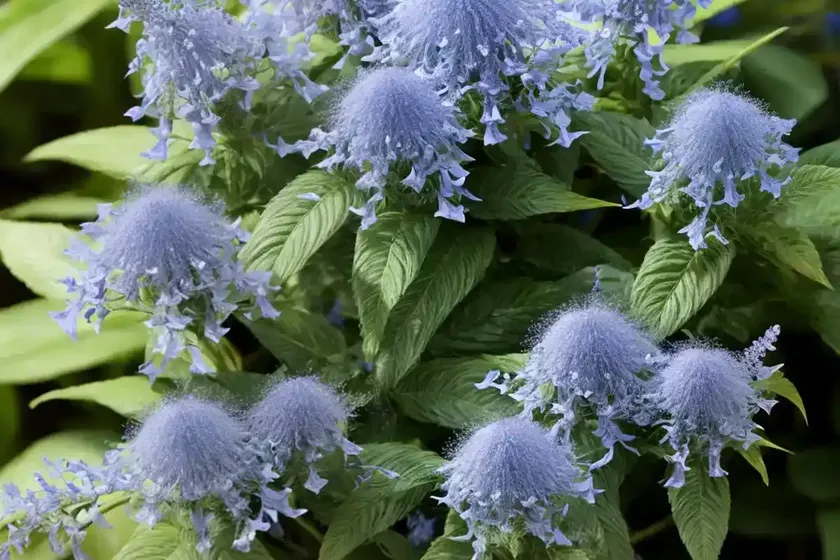
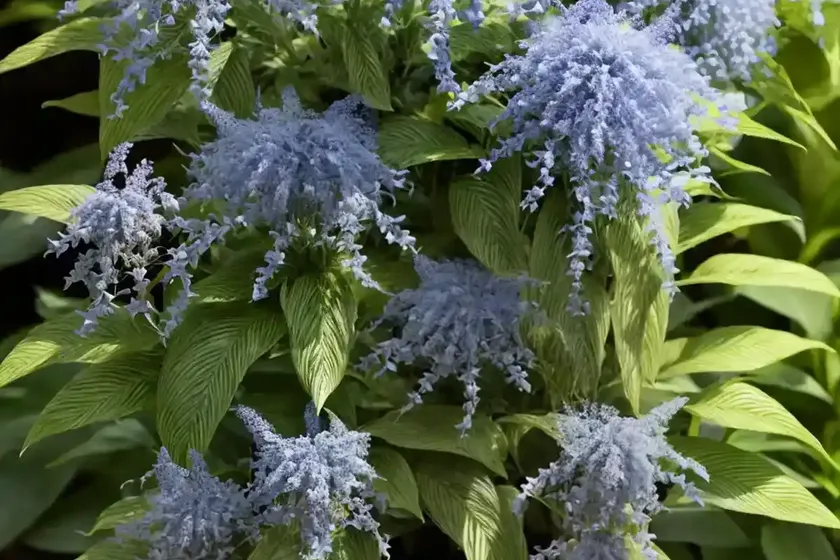
Caryopteris, also known as Bluebeard, is a genus of flowering plants in the family Lamiaceae. These deciduous shrubs are valued for their attractive foliage and vibrant blue flowers, and they are widely cultivated in gardens and landscapes. Among the numerous cultivars within the genus Caryopteris, the ‘Hint of Gold’ variety stands out with its unique features and versatile uses. In this comprehensive guide, we will delve into the characteristics, cultivation, uses, and maintenance of Caryopteris x clandonensis ‘Hint of Gold’, providing valuable insights and practical tips for plant enthusiasts, gardeners, and horticulturists.
What is Caryopteris x clandonensis ‘Hint of Gold’?
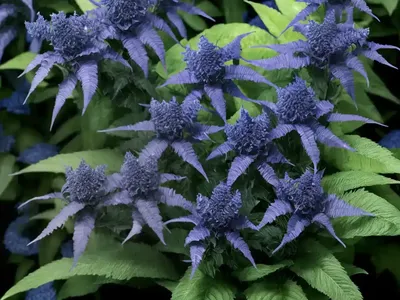
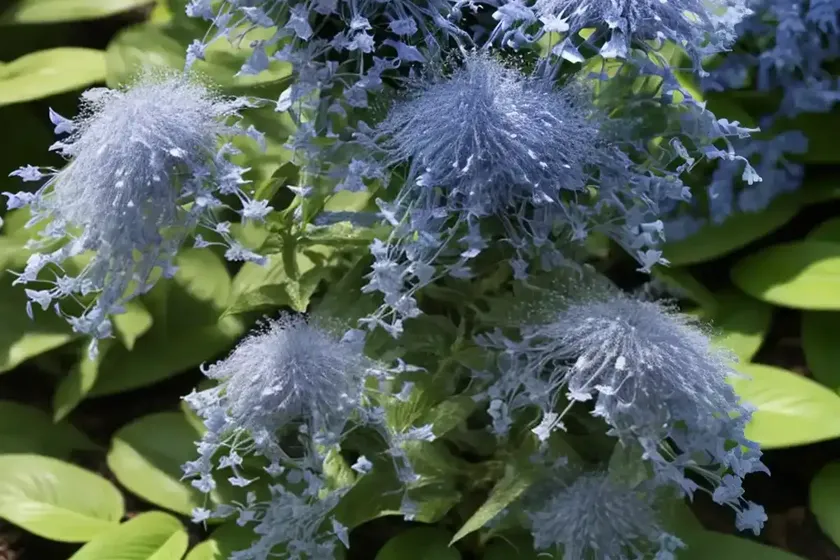
Caryopteris x clandonensis ‘Hint of Gold’ is a cultivar of Bluebeard, renowned for its striking golden foliage and clusters of azure-blue flowers. This hybrid plant is a result of crossing Caryopteris incana and Caryopteris mongholica, fusing the desirable traits of both species to create an exceptional ornamental shrub.
The ‘Hint of Gold’ variety is characterized by its compact, mounded growth habit and aromatic, variegated leaves. In the summer, it produces abundant clusters of small, tubular blue flowers that are highly attractive to bees and butterflies, adding a delightful splash of color to the landscape. This cultivar is a relatively low-maintenance plant, making it a popular choice for garden borders, mixed perennial plantings, and ornamental containers.
Let’s explore the key aspects of Caryopteris x clandonensis ‘Hint of Gold’, including its cultural requirements, uses, maintenance practices, and its significance in horticulture and landscaping.
Key Takeaways – Caryopteris x clandonensis ‘Hint of Gold’
Before delving into specific details, here are the key takeaways highlighting the main aspects of Caryopteris x clandonensis ‘Hint of Gold’:
- Scientific Name: Caryopteris x clandonensis ‘Hint of Gold’
- Common Name: Bluebeard
- Cultivar Features: Golden variegated foliage, compact growth habit, blue flowers
- Cultural Requirements: Well-drained soil, ample sunlight, moderate watering
- Uses: Ornamental shrub, pollinator attractant, garden borders, containers
- Maintenance: Pruning after flowering, occasional fertilization, pest vigilance
- Propagation: Softwood cuttings, division
- Diseases: Root rot, powdery mildew
- Pests: Aphids, spider mites
- Hardiness Zones: 5-9
- Companion Plants: Ornamental grasses, coneflowers, salvias
- Landscape Uses: Mixed borders, cottage gardens, butterfly gardens
With these key highlights in mind, let’s explore the intricacies of growing and caring for Caryopteris x clandonensis ‘Hint of Gold’, providing comprehensive insights into its cultivation, landscape uses, and maintenance practices.
Culture
Soil
Caryopteris x clandonensis ‘Hint of Gold’ thrives in well-drained soil with a moderate fertility level. It prefers slightly acidic to neutral soil pH, ranging from 6.0 to 7.0. Ensuring proper drainage is essential to prevent waterlogged conditions, which can lead to root rot and other moisture-related issues. Amending heavy clay soils with organic matter such as compost or well-rotted manure can improve the soil structure and drainage, creating an optimal growing environment for the plant.
Water
Established Caryopteris x clandonensis ‘Hint of Gold’ plants are relatively drought-tolerant and can withstand periods of dry soil. However, adequate watering is essential, especially during the establishment phase and prolonged periods of drought. Providing a deep watering once a week, ensuring the moisture reaches the root zone, is generally sufficient for maintaining healthy growth. During extended dry spells or in hot climates, supplemental watering may be necessary to support the plant’s vitality.
Sunlight
This Bluebeard cultivar thrives in full sunlight, displaying the best foliage coloration and flower production when exposed to at least 6-8 hours of direct sunlight per day. In regions with intense summer heat, providing some afternoon shade can protect the plant from excessive stress and help retain moisture in the soil. Adequate sunlight not only promotes robust growth and flowering but also enhances the vibrant golden hues of the foliage, making it a standout feature in the landscape.
Fertilizer
Caryopteris x clandonensis ‘Hint of Gold’ benefits from a balanced, slow-release fertilizer applied in early spring as new growth emerges. A general-purpose fertilizer with an N-P-K ratio of 10-10-10 or similar can provide the essential nutrients for healthy foliage development and prolific flowering. Following the recommended application rates on the fertilizer label and evenly spreading the granules around the root zone before watering can ensure efficient nutrient uptake without causing fertilizer burn or adverse effects on the plant.
Pruning
Proper pruning is essential for maintaining the attractive form and encouraging consistent flowering in Caryopteris x clandonensis ‘Hint of Gold’. This Bluebeard cultivar should be pruned in late winter to early spring before new growth begins. The pruning process involves cutting back the previous year’s growth to a low framework, typically leaving 6-8 inches of the previous season’s growth to facilitate vigorous new shoots and prolific flowering.
Additionally, dead or damaged wood should be removed, and any crossing or congested branches can be selectively pruned to improve air circulation and overall plant health. Light pruning after the first flush of blooms can promote a second wave of flowering later in the season, prolonging the ornamental display and supporting the plant’s vitality.
Propagation
Propagating Caryopteris x clandonensis ‘Hint of Gold’ can be achieved through several methods, including softwood cuttings and division. Softwood cuttings, taken in late spring to early summer, offer a reliable means of creating new plants with identical characteristics to the parent. By selecting healthy, non-flowering shoots and rooting them in a well-draining propagation medium under controlled conditions, successful propagation can be achieved, allowing for the expansion of the Bluebeard population in the garden or nursery.
Division can also be employed to propagate established plants, especially those that have developed dense clumps with multiple shoots emerging from the base. During the plant’s dormancy, dividing the clump into several sections with well-developed roots and viable shoots can yield new plants that can be transplanted to new locations or shared with other gardening enthusiasts.
Container Popularity
Caryopteris x clandonensis ‘Hint of Gold’ is well-suited for container gardening, lending its vibrant foliage and charming flowers to patio displays, balcony gardens, and compact urban landscapes. When grown in containers, this Bluebeard cultivar benefits from well-draining potting mixtures and adequate moisture retention. Selecting a container with sufficient drainage holes and a size that accommodates the plant’s root system is essential for promoting healthy growth and reducing the risk of waterlogged conditions.
Regular monitoring of soil moisture, especially during hot weather, is crucial for container-grown plants, as they may dry out more quickly than those in the ground. Fertilizing potted Bluebeards with a balanced, water-soluble fertilizer at half the recommended strength can provide the necessary nutrients for lush foliage and prolific flowering throughout the growing season.
Uses
Ornamental Shrub
Caryopteris x clandonensis ‘Hint of Gold’ serves as an enchanting ornamental shrub, bringing multi-season interest to gardens and landscapes. Its golden variegated foliage provides an eye-catching display, especially when contrasted with other plants featuring different leaf colors and textures. The clusters of azure-blue flowers further enhance its allure, attracting pollinators and adding a delightful splash of color to the outdoor environment.
Pollinator Attractant
The abundant nectar-rich flowers of ‘Hint of Gold’ Bluebeard make it a valuable addition to pollinator gardens and wildlife-friendly landscapes. Bees, butterflies, and other beneficial insects are drawn to the blooms, seeking nourishment and contributing to the ecological balance of the garden. By incorporating Caryopteris x clandonensis ‘Hint of Gold’ into garden designs, enthusiasts can support local pollinator populations and enjoy the captivating presence of these vital insects.
Garden Borders
Its compact growth habit and vibrant foliage make ‘Hint of Gold’ Bluebeard an excellent choice for garden borders and edgings, adding structure, color, and visual interest to the landscape. Whether used as a standalone focal point or combined with other perennials and shrubs, this cultivar lends itself to diverse planting schemes, from formal designs to informal cottage garden aesthetics, creating dynamic compositions that evolve throughout the seasons.
Containers
The versatile nature of Caryopteris x clandonensis ‘Hint of Gold’ enables its successful cultivation in containers, allowing gardeners with limited space to enjoy its ornamental qualities and pollinator-attracting properties. Planted alone in decorative pots or combined with complementary annuals and perennials, the Bluebeard cultivar thrives in container settings, enriching outdoor living spaces and providing a touch of natural beauty to patios, terraces, and balconies.
Common Diseases
Disease Diagnosis
While Caryopteris x clandonensis ‘Hint of Gold’ is relatively resistant to many common plant diseases, it can occasionally be affected by root rots, powdery mildew, and other fungal infections. Diagnosing these ailments requires vigilant observation of the plant’s overall health, including the appearance of the foliage, stems, and roots. Symptoms such as wilting, yellowing or distorted leaves, white powdery coatings, and visible lesions or rot at the base of the plant can indicate the presence of diseases that require prompt intervention.
Disease Resistance
Selecting disease-resistant cultivars such as ‘Hint of Gold’ Bluebeard can provide a degree of protection against common pathogens, reducing the risk of severe infections and minimizing the need for extensive chemical treatments. Additionally, maintaining good cultural practices, including proper watering, adequate air circulation, and spacing plants appropriately, can bolster the plant’s natural defenses and contribute to its long-term health and vitality.
Common Pests
Pest Vigilance
Caryopteris x clandonensis ‘Hint of Gold’ is generally resistant to most insect pests; however, occasional infestations of aphids, spider mites, and scale insects may occur, especially in stressful conditions or alongside compromised plant health. Vigilant monitoring of the plant, particularly the undersides of leaves and tender shoots, can facilitate the early detection of pest activity, allowing for timely intervention measures to prevent population build-ups and minimize damage to the plant.
Pest Control Methods
Should pest infestations occur, implementing effective control methods such as targeted sprays of horticultural oils or insecticidal soaps can help manage pest populations while minimizing potential harm to beneficial insects. Creating a welcoming environment for natural predators and integrating biological controls can aid in regulating pest levels, contributing to an ecological balance within the garden and reducing reliance on chemical treatments.
Plant resilience and overall health are critical factors in pest resistance, underscoring the importance of providing optimal growing conditions and promptly addressing any issues that may compromise the plant’s vigor.
Botanist’s Tips
Soil Requirements
Ensuring well-drained, nutrient-rich soil is crucial for the successful cultivation of Caryopteris x clandonensis ‘Hint of Gold’. When preparing the planting site or selecting a container mixture, incorporating organic matter such as compost, leaf mold, or well-rotted manure can enhance soil structure, fertility, and microbial activity, creating an ideal environment for the plant’s root development and overall growth.
Sun Exposure
Bluebeard ‘Hint of Gold’ thrives in full sunlight, exhibiting the best foliage coloration and flower production when provided with ample sunshine. When selecting planting locations or positioning container-grown specimens, prioritizing sites with direct sunlight exposure for the majority of the day can significantly enhance the plant’s performance and aesthetic appeal.
Water Needs
Balancing the plant’s water requirements is essential for maintaining optimal growth and minimizing the risk of water-related issues. While ‘Hint of Gold’ Bluebeard displays some drought tolerance once established, ensuring sufficient moisture, especially during the establishment phase and extended dry periods, is vital for supporting the plant’s vitality and promoting consistent flowering and foliage development.
Pruning Techniques
Adhering to proper pruning techniques, including routine maintenance pruning and rejuvenation pruning, can enhance the plant’s form, health, and flowering capacity. Understanding the plant’s growth habits and the best timing for pruning can facilitate effective management of the shrub, ensuring it retains its attractive appearance and produces abundant blooms season after season.
Fun Facts
- The distinctive golden foliage of Caryopteris x clandonensis ‘Hint of Gold’ is a delightful feature that sets it apart from other Bluebeard cultivars, adding visual interest and versatility to the garden.
- The aromatic leaves of ‘Hint of Gold’ Bluebeard emit a pleasant fragrance when brushed or lightly crushed, adding sensory appeal to its ornamental value.
- The azure-blue flowers of this cultivar attract numerous pollinators, including bees and butterflies, contributing to the ecological diversity and vibrancy of garden ecosystems.
Links to External Resources
For additional information and resources on Caryopteris x clandonensis ‘Hint of Gold’ and related topics, please refer to the following links:
- Royal Horticultural Society – Caryopteris – The Royal Horticultural Society provides comprehensive guidance on cultivating Caryopteris, including plant care, propagation, and recommended cultivars.
- University of Florida IFAS Extension – Bluebeard for Florida Landscapes – An in-depth resource on the cultivation and landscape uses of Bluebeard in Florida, including regional recommendations and growing tips.
- Missouri Botanical Garden – Caryopteris x clandonensis – The Missouri Botanical Garden offers valuable insights into the characteristics and cultural requirements of Caryopteris x clandonensis, assisting gardeners in making informed planting and maintenance decisions.
In conclusion, Caryopteris x clandonensis ‘Hint of Gold’ exemplifies the captivating beauty and ornamental value of Bluebeard cultivars, presenting a harmonious blend of golden foliage and azure-blue flowers that enrich gardens and landscapes. This versatile shrub, with its resilience, pollinator-friendly nature, and decorative appeal, holds a special place in horticulture, offering an array of uses and aesthetic benefits for plant enthusiasts and landscape professionals alike. By embracing the cultural guidelines and insights outlined in this guide, gardeners can cultivate and appreciate the alluring charm of ‘Hint of Gold’ Bluebeard, creating vibrant, pollinator-friendly landscapes and contributing to the biodiversity and visual richness of outdoor environments.