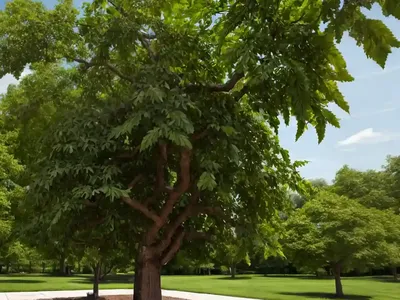
Carya Glabra (Pignut Hickory)
Carya glabra, commonly known as Pignut Hickory, is a deciduous tree species native to the eastern United States and Canada. This tree is a member of the.
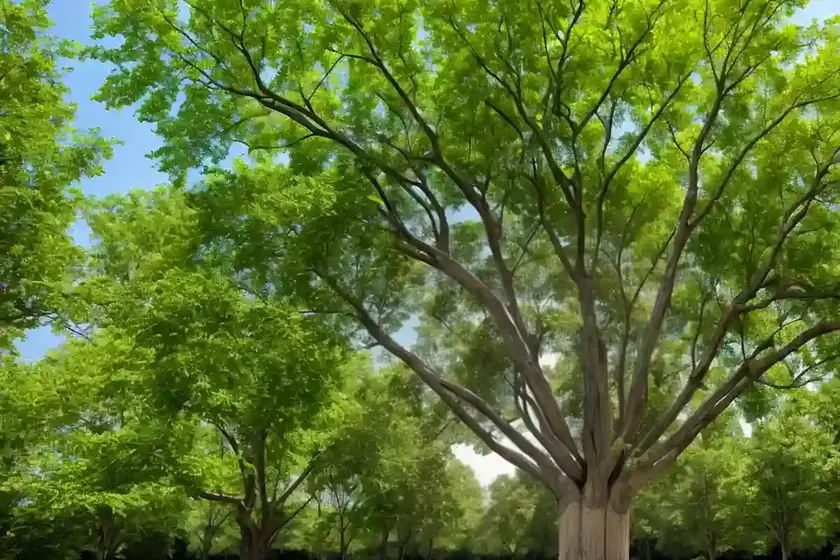
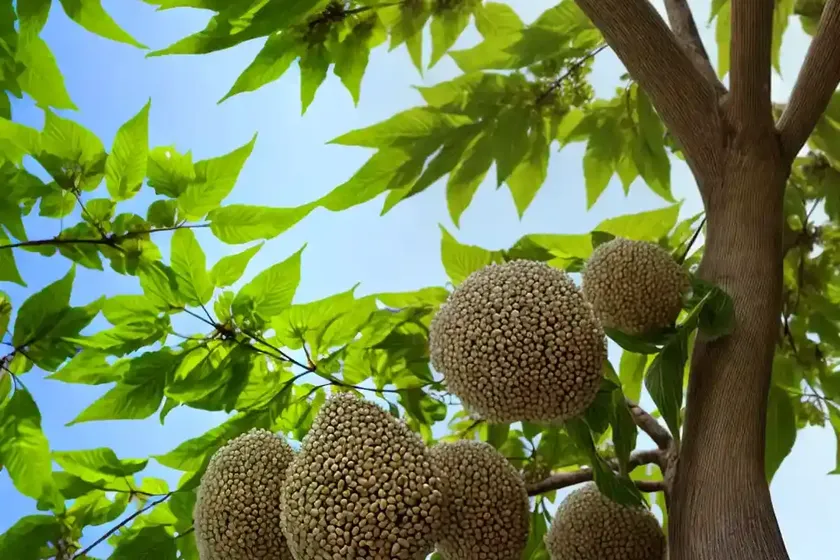
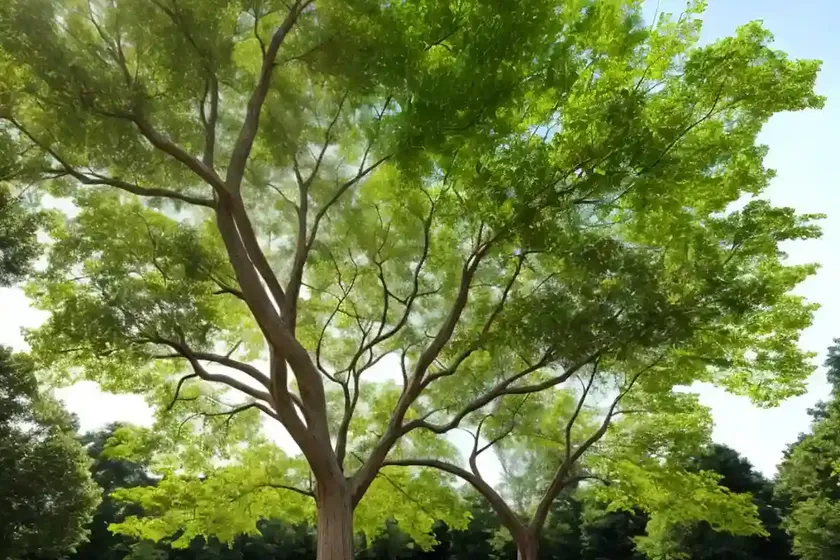
Carya glabra, commonly known as Pignut Hickory, is a deciduous tree species native to the eastern United States and Canada. This tree is a member of the walnut family, Juglandaceae, and is known for its valuable wood and edible nuts. In this comprehensive guide, we will explore the characteristics, cultivation, uses, and ecological significance of Carya glabra, or Pignut Hickory, and delve into its relevance in horticulture, forestry, and conservation.
What is Carya glabra (Pignut Hickory)?
Carya glabra is a tall, straight-trunked tree that can reach heights of 50-80 feet at maturity and is renowned for its high-quality timber and nutritious nuts. The species thrives in a variety of habitats, from dry upland forests to moist bottomlands, making it an adaptable and valuable component of North American ecosystems. Its scientific name, Carya glabra, reflects its characteristic smooth or “glabrous” nut shell, which distinguishes it from other hickory species.
Key Takeaways – Carya glabra (Pignut Hickory)
- Characteristics: Carya glabra is known for its straight trunk, pinnately compound leaves, and smooth, pear-shaped nuts.
- Uses: The tree’s wood is highly valued for its strength and flexibility, and its nuts are edible and rich in nutrients.
- Habitat: Carya glabra is native to the eastern United States and Canada, where it thrives in a variety of forest types.
- Growth: The tree exhibits medium to fast growth rates and can reach impressive heights in the right conditions.
- Ecology: Carya glabra plays a significant ecological role, providing food and habitat for various wildlife species.
Now, let’s delve deeper into the various aspects of Carya glabra, from its cultural requirements to its ecological significance.
Culture
Cultivating Carya glabra, or Pignut Hickory, requires an understanding of its specific cultural needs. Whether grown for its ornamental value or for timber and nut production, providing the right cultural conditions is crucial for the success of this valuable tree species.
Water
When it comes to water requirements, Carya glabra thrives in well-drained soils. While it is somewhat drought-tolerant once established, adequate moisture is essential, especially during the tree’s establishment phase and in periods of prolonged drought. In general, mature trees can withstand moderate drought conditions, but consistent moisture is beneficial for optimal growth and nut production.
Sunlight
Pignut Hickory is considered a moderately shade-tolerant tree species, although it truly thrives in full sun. When planted in open, sunny locations, Carya glabra exhibits strong, straight growth and produces an abundant crown. However, it can tolerate partial shade, making it a versatile choice for various woodland and forest planting schemes.
Fertilizer
Fertilization requirements for Carya glabra are minimal in natural forest settings, as the tree is adapted to thrive in nutrient-poor soils. However, in horticultural and agroforestry settings, young trees can benefit from a balanced fertilizer application during their initial years to support healthy growth. Once established, mature trees typically do not require additional fertilization, as they can extract nutrients from the soil through their deep taproots.
Soil
Carya glabra prefers deep, well-drained soils with a slightly acidic to neutral pH. The species is commonly found in a range of soil types, from loamy to sandy soils, as long as they provide good drainage. In cultivation, amending the soil with organic matter can improve its overall structure and fertility, facilitating better root development and nutrient uptake by the tree.
Pruning
Pruning of Carya glabra is typically minimal, especially when the tree is grown in natural settings. However, in managed landscapes, ornamental plantings, and agroforestry systems, selective pruning can help shape the tree and promote strong, healthy growth. When pruning, it is essential to adhere to best practices to prevent damage and promote rapid healing of the tree.
Propagation
Natural Propagation
Carya glabra reproduces naturally through seed dispersal. The hickory nut is an essential food source for many wildlife species, and the dispersal of these seeds by animals plays a crucial role in the regeneration of the species in natural ecosystems. When establishing new plantings of Carya glabra, collecting and planting fresh seeds from healthy, vigorous trees can be an effective way to propagate the species.
Human-Assisted Propagation
In horticultural and forestry settings, human-assisted propagation methods such as grafting and budding can be used to propagate selected cultivars of Carya glabra. These methods allow for the production of trees with specific traits, such as improved nut size and quality or resistance to pests and diseases. By selecting superior individuals and using advanced propagation techniques, the genetic diversity and resilience of cultivated Pignut Hickory populations can be enhanced.
Container Propagation
Carya glabra can also be propagated in containers, allowing for the production of young trees in nursery settings. Container-grown seedlings offer flexibility in planting timelines and can be used to establish new agroforestry plantings, windbreaks, and woodland gardens. Providing the appropriate growing medium, moisture, and sunlight can support the successful propagation of Carya glabra in containers.
Popularity
Carya glabra is valued for its timber, nuts, and ecological significance, making it a popular choice for various applications. Its straight, tall growth habit and attractive foliage make it appealing for landscaping and agroforestry purposes, while its durable wood and nutritious nuts are prized for commercial use. Additionally, its ecological importance as a wildlife habitat and food source further enhances its popularity in natural resource management and conservation.
Common Diseases
Like all living organisms, Carya glabra is susceptible to various diseases that can impact its health and productivity. Understanding the common diseases affecting Pignut Hickory is essential for effective management and conservation of this valuable tree species.
-
Anthracnose: Anthracnose is a fungal disease that can affect the leaves and twigs of Carya glabra, causing dark, sunken lesions and premature leaf drop. This disease is often more prevalent in periods of cool, wet weather and can lead to defoliation and reduced vigor in affected trees.
-
Hickory Anthracnose: Specifically targeting hickory species, this fungal pathogen can cause severe defoliation and reduced growth in affected trees. Implementing cultural practices to improve air circulation and reduce leaf moisture can help mitigate the impact of hickory anthracnose on Carya glabra.
-
Leaf Spot Diseases: Various fungal pathogens can cause leaf spot diseases on Pignut Hickory, resulting in the formation of small, dark spots on the foliage. While these diseases may not cause significant harm to overall tree health, repeated defoliation due to severe leaf spot infections can weaken the trees over time.
-
Root Rot: Poorly drained soils and waterlogged conditions can lead to the development of root rot in Carya glabra. This disease can result in reduced root function, nutrient uptake, and overall tree vitality. Proper soil drainage and avoidance of waterlogged conditions are essential for preventing root rot in Pignut Hickory.
-
Powdery Mildew: Powdery mildew can affect the foliage of Pignut Hickory, leading to the development of white, powdery growth on the leaves. While this disease is typically not fatal, severe infections can impact tree aesthetics and reduce photosynthetic efficiency.
Disease Diagnosis
Diagnosing diseases in Carya glabra involves careful observation of symptoms, understanding environmental factors, and, in some cases, laboratory analysis. When faced with potential disease issues, it is crucial to accurately identify the causal agents and implement appropriate management strategies to protect the health and productivity of Pignut Hickory trees.
-
Symptom Identification: Carefully observing the appearance of abnormal growth, discoloration, lesions, or other signs of disease on the leaves, twigs, bark, and roots can provide critical clues for disease diagnosis.
-
Environmental Assessment: Considering factors such as moisture levels, air circulation, soil conditions, and recent weather patterns can help determine the environmental conditions contributing to disease development.
-
Laboratory Analysis: In cases where disease identification is challenging, submitting samples to diagnostic laboratories for pathogen identification and analysis can provide valuable insights for effective disease management.
Common Pests
In addition to diseases, Carya glabra is also susceptible to attacks by various insect pests that can impact its vitality and overall health. Understanding the common pests that affect Pignut Hickory is essential for implementing integrated pest management strategies to minimize damage and preserve the tree’s ecosystem services.
-
Hickory Bark Beetles: These small beetles can infest the bark of Carya glabra, particularly in stressed or weakened trees, and cause damage to the vascular tissues. Infestations can lead to reduced nutrient transport and overall tree decline.
-
Pecan Weevils: While primarily targeting pecan trees, pecan weevils can also infest hickory species, including Pignut Hickory, and cause damage to the developing nuts. Larvae feeding within the nuts can reduce quality and market value.
-
Hickory Phylloxera: These tiny, aphid-like insects can induce the formation of galls on the leaves and twigs of Carya glabra, leading to distorted growth and reduced photosynthetic efficiency in affected trees.
-
Hickory Leaf Stem Gall Phylloxera: Similar to their impact on the stems, certain phylloxera species can induce the development of galls on the leaf stems of Pignut Hickory, potentially affecting nutrient transport and overall tree health.
-
Hickory Webworms: The larvae of hickory webworm moths can create silken webs and feed on the leaves of Carya glabra, potentially defoliating the trees and impacting their growth and vitality.
Botanist’s Tips
As a plant scientist and botanist specializing in the ecology and cultivation of native tree species, I have several key tips for effectively managing and appreciating Carya glabra in various settings:
-
Site Selection: When establishing new plantings of Pignut Hickory, carefully consider the site’s environmental conditions, including soil drainage, sunlight exposure, and proximity to potential stressors such as compacted soils or urban pollution.
-
Companion Plantings: Integrating Carya glabra into diverse plant communities can enhance its ecological value and support beneficial interactions with other plant species, including nitrogen-fixing legumes, pollinator-friendly flowering plants, and wildlife-friendly shrubs.
-
Mulching: Applying a thick layer of organic mulch around the base of Carya glabra trees can help conserve soil moisture, regulate soil temperature, and reduce competition from grass and weed species.
-
Wildlife Considerations: Recognize and appreciate the ecological role of Carya glabra as a food source and habitat for various wildlife species, including birds, mammals, and insects, when designing and managing landscapes.
-
Monitoring and Care: Regularly inspecting the health and growth of Pignut Hickory trees, addressing potential stressors, and providing appropriate care can promote their resilience and longevity.
Fun Facts
- The wood of Carya glabra, known for its strength and flexibility, has been historically used in the construction of tool handles, furniture, and athletic equipment.
- Pignut Hickory nuts are an important food source for wildlife, including squirrels, deer, and various bird species, contributing to the tree’s ecological significance.
- The name “Pignut” is derived from the small, bitter nuts produced by Carya glabra, which were historically considered less desirable compared to the larger, sweeter nuts of other hickory species.
Links to External Resources
For further exploration of Carya glabra, or Pignut Hickory, and its cultural, ecological, and economic significance, I recommend the following external resources:
- USDA Plants Database – Carya glabra
- The Morton Arboretum – Pignut Hickory
- Virginia Tech Dendrology – Pignut Hickory
In conclusion, Carya glabra, or Pignut Hickory, stands as a valuable and versatile tree species with ecological, cultural, and economic significance. From its role as a wildlife habitat and food source to its use in timber production and horticulture, this native North American tree embodies the resilience and ecological richness of forest ecosystems. By understanding and appreciating the characteristics, cultivation, and ecological interactions of Carya glabra, we can promote its sustainable management and conservation for future generations to enjoy and benefit from.