Carolina Cherry (Prunus Caroliniana)
Carolina Cherry, scientifically known as Prunus Caroliniana, is a versatile evergreen shrub or small tree that belongs to the Rosaceae family. This plant.
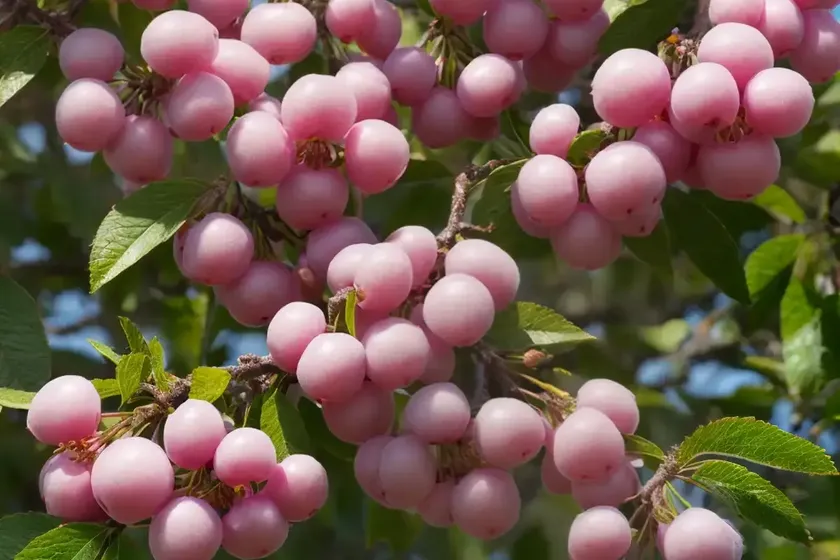

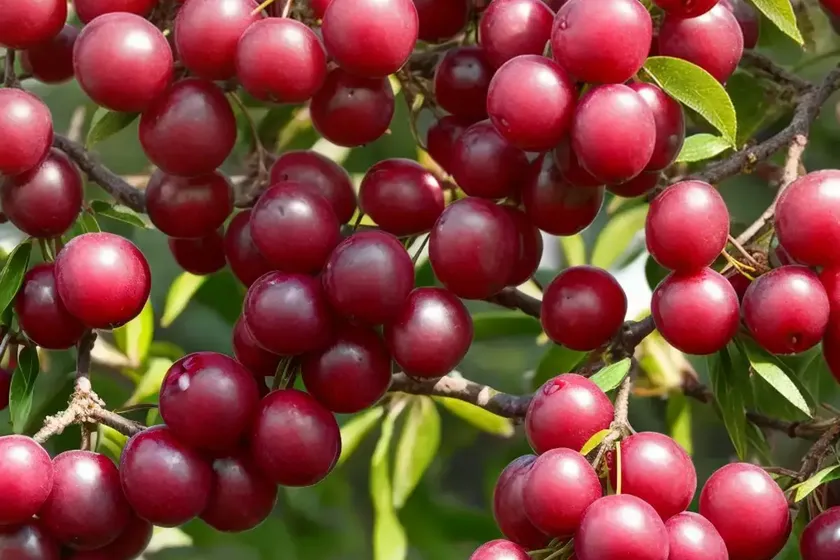
Carolina Cherry, scientifically known as Prunus Caroliniana, is a versatile evergreen shrub or small tree that belongs to the Rosaceae family. This plant is native to the Southeastern United States and Mexico and is prized for its glossy, deep green foliage and the clusters of small, fragrant white flowers that it produces in spring.
Carolina Cherry is a popular choice for landscaping, especially in regions with warm climates. It is valued for its ornamental beauty, versatility, and low maintenance requirements. In this comprehensive guide, we will explore the various aspects of Carolina Cherry, including its culture, uses, care requirements, diseases, pests, and much more.
Plant Name: Carolina Cherry (Prunus Caroliniana)
What is Carolina Cherry?
Carolina Cherry, also known as Laurel Cherry or Cherry Laurel, is a species of flowering plant in the genus Prunus. It is an evergreen shrub or small tree that typically reaches a height of 15 to 36 feet and a spread of 10 to 20 feet at maturity. The plant is characterized by its dense, glossy, dark green leaves, which emit a pleasant fragrance when crushed, and its small, creamy white flowers that bloom in spring.
Carolina Cherry is known for its rapid growth rate, making it a popular choice for hedges, screens, and ornamental landscaping. The plant’s dense foliage provides excellent coverage and serves as a visual barrier, making it an ideal choice for creating privacy in residential landscapes.
Key Takeaways – Carolina Cherry (Prunus Caroliniana)
Before delving into the specifics of Carolina Cherry care and cultivation, let’s take a moment to summarize the key takeaways about this versatile plant.
- Carolina Cherry, or Prunus Caroliniana, is an evergreen shrub or small tree known for its glossy, dark green leaves and fragrant white flowers.
- It is valued for its rapid growth rate, making it an ideal choice for hedges, screens, and ornamental landscapes.
- Carolina Cherry is native to the Southeastern United States and Mexico and is well-suited to warm climates.
- The plant is low-maintenance and offers excellent tolerance to drought and heat, making it an attractive option for landscape design.
- While Carolina Cherry is generally resistant to pests and diseases, proper care and maintenance are essential for ensuring its long-term health and vitality.
Now that we have a general overview of Carolina Cherry, let’s explore the specific cultural requirements, uses, care tips, and common issues associated with this plant.
Culture
Water
Carolina Cherry is known for its adaptability to various soil conditions and its excellent tolerance to drought once established. However, regular watering is crucial, especially during the plant’s establishment phase. When planting Carolina Cherry, it is essential to provide deep watering to ensure that the roots are adequately hydrated. Once the plant is established, it typically requires minimal supplemental watering, except during prolonged periods of drought.
Carolina Cherry Watering Guidelines
- Establishment Phase: Water deeply 2-3 times per week during dry periods to promote healthy root development.
- Mature Plants: Supplemental watering may be necessary during extended periods of drought, especially in sandy or well-draining soils. Water deeply to saturate the root zone.
Sunlight
Carolina Cherry thrives in full sun to partial shade, making it a versatile option for a wide range of landscape settings. When planted in full sun, the plant typically exhibits denser growth and more abundant flowering. However, it also performs well in partially shaded areas, making it suitable for mixed borders or woodland garden settings.
Carolina Cherry Sunlight Requirements
- Full Sun: Provides optimal conditions for vigorous growth, abundant flowering, and dense foliage.
- Partial Shade: Tolerates partial shade well, making it suitable for areas with filtered sunlight or dappled shade.
Soil
Carolina Cherry is adaptable to various soil types, including loamy, sandy, or clay soils, as long as they are well-draining. The plant thrives in slightly acidic to slightly alkaline soil pH levels, ranging from 6.0 to 7.5. Prior to planting, it is beneficial to amend the soil with organic matter to enhance its fertility and drainage capabilities.
Ideal Soil Conditions for Carolina Cherry
- Well-Draining: Ensures that excess water does not accumulate around the roots, reducing the risk of root rot and other moisture-related issues.
- Slightly Acidic to Slightly Alkaline: Maintaining a neutral soil pH level within the recommended range promotes optimal nutrient uptake and overall plant health.
Uses
Carolina Cherry is prized for its versatility and numerous uses in landscaping and garden design. Whether you are looking to create a lush privacy hedge, an attractive border, or an eye-catching ornamental specimen, Carolina Cherry offers a range of applications.
Landscaping
Carolina Cherry is a popular choice for landscaping due to its dense, evergreen foliage, rapid growth rate, and adaptability to various growing conditions. Some of its common landscape uses include:
- Privacy Hedge: The plant’s dense foliage and vigorous growth make it an ideal candidate for creating a privacy hedge or screen.
- Border Plant: It can be used as a border plant to define the edges of a garden bed or landscape area.
- Ornamental Specimen: Carolina Cherry can be cultivated as a standalone ornamental tree, showcasing its glossy foliage and delicate white flowers.
Environmental Benefits
In addition to its aesthetic appeal, Carolina Cherry also provides environmental benefits, making it a valuable addition to sustainable landscape designs. Some of its environmental uses include:
- Wildlife Habitat: The plant’s dense foliage provides shelter and nesting sites for birds and other wildlife, contributing to biodiversity in the landscape.
- Erosion Control: Carolina Cherry’s extensive root system helps to stabilize soil and prevent erosion, making it suitable for landscaping in areas prone to soil displacement.
Fertilizer
Proper fertilization is essential for promoting the health and vigor of Carolina Cherry plants. When applied correctly, fertilizers provide essential nutrients that support growth, flowering, and overall plant performance. It is recommended to conduct a soil test before applying fertilizers to determine the specific nutrient requirements of the soil and the plant.
Fertilization Guidelines
- Timing: Apply a balanced, slow-release fertilizer in early spring before the onset of new growth.
- Frequency: Repeat applications every 4-6 weeks during the growing season to support continuous plant growth and development.
- Application Rate: Follow the manufacturer’s recommendations for the appropriate application rate based on the plant’s size and age.
Nutrient Requirements
Carolina Cherry generally benefits from a balanced fertilizer formulation, such as a 10-10-10 or 15-15-15 blend, which provides equal proportions of nitrogen (N), phosphorus (P), and potassium (K), along with essential micronutrients. The nutrients support healthy foliage, flowering, and root development, contributing to the overall vitality of the plant.
Pruning
Pruning plays a crucial role in shaping the growth, appearance, and overall health of Carolina Cherry plants. Proper pruning techniques help to maintain the plant’s desired size and form, remove dead or damaged growth, and promote robust branching and flowering.
Pruning Guidelines
- Timing: Prune Carolina Cherry in late winter or early spring before the onset of new growth. This timing minimizes the risk of interfering with the plant’s flowering cycle and new shoot development.
- Techniques: Use sharp, clean pruning tools to make precise cuts, aiming to maintain the plant’s natural shape while removing any unwanted or overgrown branches.
- Size Control: Tailor the pruning strategy based on the desired size and form of the plant, whether it is cultivated as a hedge, screen, or specimen tree.
Key Pruning Objectives
When pruning Carolina Cherry, it is important to focus on achieving specific objectives to enhance the plant’s appearance and health. Some key pruning objectives include:
- Removing Dead or Diseased Branches: Eliminate any dead, diseased, or damaged branches to prevent the spread of infection and promote overall plant health.
- Thinning Out Overcrowded Growth: Thin out dense growth to improve air circulation, reduce the risk of fungal diseases, and encourage new growth.
- Maintaining Desired Form: Shape the plant to maintain its desired size, form, and structure, whether it is grown as a hedge, screen, or individual specimen.
Propagation
Carolina Cherry can be propagated through various methods, including seeds, cuttings, and division. Each propagation technique offers distinct advantages and challenges, allowing gardeners to choose the most suitable approach based on their preferences and resources.
Propagation Methods
- Seed Propagation: Propagating Carolina Cherry from seeds can be rewarding but may require more time and patience to achieve mature, flowering plants.
- Cutting Propagation: Softwood or hardwood cuttings can be taken from healthy, mature plants and rooted to produce new Carolina Cherry specimens.
- Division: Dividing established plants into smaller sections allows for the creation of new plants, each with its own root system and growing potential.
Propagation Considerations
When propagating Carolina Cherry, it is important to consider the specific requirements of each method to maximize success. Factors such as timing, environmental conditions, and the overall health of the parent plant play a significant role in the propagation process.
Container Popularity
Carolina Cherry is well-suited to container cultivation, making it a popular choice for patio, balcony, or urban garden settings. When grown in containers, the plant’s compact size, evergreen foliage, and ornamental qualities make it an attractive addition to outdoor living spaces.
Container Growing Tips
- Container Size: Choose a large, sturdy container with adequate drainage holes to accommodate the plant’s root system and promote healthy growth.
- Potting Mix: Select a well-draining potting mix designed for woody plants, ensuring that it provides the necessary nutrients and aeration for the roots.
- Watering: Monitor the moisture levels in the container, providing consistent, but not excessive, watering to keep the soil evenly moist.
- Sunlight: Position the container in a location that receives ample sunlight, such as a patio, terrace, or balcony, to support the plant’s growth and flowering.
Benefits of Container Cultivation
Gardening in containers offers numerous advantages, especially for individuals with limited outdoor space or restrictive growing conditions. Some of the benefits of container cultivation for Carolina Cherry include:
- Portability: Containers allow for easy movement and repositioning of the plant, accommodating changes in sunlight, temperature, or aesthetic preferences.
- Space Optimization: Container gardening maximizes the use of small or confined outdoor areas, such as balconies, courtyards, or urban gardens.
- Visual Appeal: Carolina Cherry in containers adds visual interest, texture, and color to outdoor spaces, enhancing the overall ambiance and design of the area.
Common Diseases
Carolina Cherry is generally resistant to many common diseases; however, it may be susceptible to certain ailments under specific environmental conditions or cultural practices.
Disease Diagnosis
It is important to monitor the plant regularly for any signs or symptoms of disease, such as abnormal leaf spots, discoloration, wilting, or stunted growth. Proper diagnosis of diseases allows for timely intervention and treatment to prevent the spread of infection and minimize damage to the plant.
Common Carolina Cherry Diseases
- Powdery Mildew: A fungal disease that can affect the foliage, causing a powdery white coating on the leaves and stems.
- Shot Hole Disease: Characterized by small, circular holes in the leaves, often surrounded by discolored tissue, due to fungal infection.
- Phytophthora Root Rot: A soil-borne pathogen that can lead to root rot, wilting, and overall decline of the plant’s health.
Disease Prevention and Management
Implementing proper cultural practices and environmental management can help minimize the risk of disease development and maintain the plant’s health. Some effective strategies for disease prevention include:
- Pruning: Remove and dispose of any infected plant material promptly to prevent the spread of diseases.
- Adequate Air Circulation: Ensure proper spacing between plants to promote air circulation and reduce the risk of fungal diseases.
- Water Management: Avoid overwatering and ensure that the soil has adequate drainage to prevent waterlogged conditions that promote disease development.
Common Pests
Carolina Cherry is relatively resistant to pests, but it may occasionally encounter pest issues, particularly when stressed or grown in suboptimal conditions. Monitoring the plant for signs of insect infestation is essential for early detection and effective pest management.
Pest Identification
Common pests that may affect Carolina Cherry include aphids, scales, spider mites, and caterpillars. These pests can cause damage to the foliage, weakening the plant and affecting its overall appearance and health.
Pest Management Strategies
- Natural Predators: Encourage the presence of beneficial insects and natural predators, such as ladybugs and lacewings, to control pest populations.
- Horticultural Oils: Use insecticidal oils to smother and suffocate soft-bodied insects, such as aphids and spider mites, while minimizing harm to beneficial insects.
- Pruning: Remove and dispose of heavily infested plant parts to reduce pest populations and prevent the spread of infestations to unaffected areas.
Botanist’s Tips
As a botanist specializing in woody plants and ornamental horticulture, I have curated some valuable tips to enhance the care and cultivation of Carolina Cherry. These insights draw from scientific research, practical experience, and observations of the plant’s growth habits and environmental requirements.
Botanist’s Insights
- Mulching: Apply a 2-3 inch layer of organic mulch, such as wood chips or shredded bark, around the base of Carolina Cherry plants to conserve soil moisture, suppress weed growth, and insulate the roots.
- Seasonal Pruning: Consider conducting light, seasonal pruning throughout the year to maintain the plant’s desired shape and density, in addition to the more comprehensive pruning conducted in late winter or early spring.
- Nutrient Monitoring: Regularly monitor the plant for any signs of nutrient deficiencies or imbalances, such as yellowing leaves or stunted growth, and adjust the fertilization regimen accordingly.
- Beneficial Underplanting: Complement Carolina Cherry with a diverse mix of underplantings, such as low-growing perennials or ground covers, to enhance the ecological diversity and visual appeal of the landscape.
- Wildlife Integration: Create a wildlife-friendly habitat by incorporating Carolina Cherry into garden designs that support pollinators, birds, and other beneficial wildlife, contributing to a balanced ecosystem.
Fun Facts
Intriguing Aspects of Carolina Cherry
- Medicinal Properties: The leaves and bark of Carolina Cherry have been used in traditional herbal medicine to treat various ailments, although it is important to exercise caution and seek professional advice before using any plant-based medicines.
- Fragrant Foliage: When the leaves of Carolina Cherry are crushed or bruised, they release a pleasant aroma, adding to the sensory experience of gardening and landscaping with this plant.
- Bird Attraction: Carolina Cherry’s dense foliage and small fruits provide valuable food and shelter for birds, contributing to a thriving bird habitat within the landscape.
- Fire Resistance: The high moisture content of Carolina Cherry leaves and the overall fire resistance of the plant make it a suitable choice for fire-prone regions, contributing to landscape resilience and safety.
Links to External Resources
- Carolina Cherry: Gardening Solutions from the University of Florida Institute of Food and Agricultural Sciences
- How to Grow Carolina Cherry Laurel: The Spruce
- Cherry Laurel, Prunus caroliniana: North Carolina Extension Gardener Plant Toolbox
- Plant of the Week: Carolina Cherry Laurel: University of Arkansas Division of Agriculture
- Cherry Laurel, Prunus caroliniana: Texas A&M AgriLife Extension, Earth-Kind Landscaping
In conclusion, Carolina Cherry (Prunus Caroliniana) stands as an exceptional plant with versatile uses, resilience, and ornamental appeal. Its adaptability to diverse environmental conditions, low maintenance requirements, and valuable environmental contributions make it a valuable asset in landscaping, gardens, and urban green spaces. By understanding the specific cultural needs, uses, and management strategies associated with Carolina Cherry, gardeners and horticulturists can fully harness the potential of this remarkable plant in their landscape designs and gardening endeavors.
Remember to share your experiences, tips, and insights regarding Carolina Cherry cultivation and landscape applications in the comments below. Your contributions and questions are integral to fostering a vibrant community of plant enthusiasts and horticulturalists!
Related Read: 5 Must-Have Tools for Pruning and Trimming Plants


