Carex muskingumensis (Palm Sedge): A Comprehensive Guide to Plant Care and Cultivation
As a plant scientist, I am excited to share detailed insights into the captivating and versatile Carex muskingumensis, commonly known as Palm Sedge. This comprehensive guide will cover all aspects of caretaking, cultivation, and the unique features of this remarkable plant. Whether you are a gardening enthusiast, a landscaping professional, or someone looking to enhance their indoor or outdoor environment, this guide will equip you with the knowledge and skills to effectively care for and utilize the Palm Sedge plant.
What is Carex muskingumensis (Palm Sedge)?
Carex muskingumensis, a member of the Cyperaceae family, is a perennial ornamental grass that is native to North America. This plant is renowned for its graceful, arching foliage and its ability to thrive in diverse environmental conditions. The Palm Sedge is characterized by its dense, clumping growth habit, making it an excellent choice for ground cover, border plantings, and various landscaping applications.
The botanical features of Carex muskingumensis include:
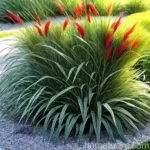
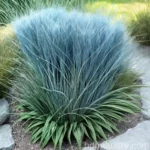
- Foliage: The Palm Sedge features long, narrow, dark green leaves that gracefully arch, creating an elegant and visually appealing display.
- Flowering: In the late spring to early summer, Palm Sedge produces inconspicuous, greenish-brown flower spikes that add subtle interest to its overall appearance.
- Growth Habit: This plant forms dense clumps that can spread gradually, forming a lush carpet of foliage.
Key Takeaways – Carex muskingumensis (Palm Sedge)
Before delving into the specific care and cultivation aspects of Carex muskingumensis, let’s overview the key takeaways that will be explored in this comprehensive guide:
- Culture: Understanding the ideal growing conditions to foster the health and vitality of Palm Sedge.
- Uses: Exploring the diverse applications of Carex muskingumensis in landscaping and garden design.
- Water: Addressing the water requirements and best practices for watering Palm Sedge.
- Sunlight: Determining the optimal sunlight needs for promoting vigorous growth and foliage coloration.
- Fertilizer: Implementing appropriate fertilization techniques to support the nutrient needs of Carex muskingumensis.
- Soil: Identifying the preferred soil type and composition for successful cultivation.
- Pruning: Learning effective pruning techniques to maintain the attractive appearance and controlled growth of Palm Sedge.
- Propagation: Exploring the methods for propagating Carex muskingumensis and expanding its presence in the garden or landscape.
- Container Popularity: Assessing the suitability of growing Palm Sedge in containers and exploring the benefits of container gardening.
- Common Diseases: Recognizing potential diseases that may affect Palm Sedge and implementing strategies for disease prevention and management.
- Common Pests: Identifying common pests that may pose a threat to Carex muskingumensis and employing effective pest control measures.
- Botanist’s Tips: Incorporating valuable insights and expert advice for successfully caring for and utilizing Palm Sedge in various settings.
- Fun Facts: Discovering interesting and lesser-known facts about Carex muskingumensis that showcase its unique characteristics and attributes.
Now, let’s embark on a comprehensive journey through the intricacies of caring for and utilizing the captivating Carex muskingumensis.
Culture
Understanding the ideal cultural requirements for Carex muskingumensis is essential for nurturing its health and maximizing its ornamental value. By providing an environment that aligns with its preferences, you can ensure the vigorous growth and longevity of this resilient plant.
Water
Proper watering is crucial for the health and vitality of Carex muskingumensis. While this plant exhibits some tolerance to dry conditions, consistent moisture is beneficial for optimal growth and appearance.
- Water Requirements: Palm Sedge thrives in moderately moist to wet conditions, making it an excellent choice for areas with consistently damp soil or near water features such as ponds or streams. It is important to ensure that the soil does not become waterlogged, as excessive water can lead to root rot and other moisture-related issues.
- Watering Frequency: During periods of low rainfall, regular watering is recommended to maintain adequate soil moisture. When established, Palm Sedge may require less frequent watering, but it is essential to monitor soil moisture levels, especially during prolonged dry spells.
- Mulching: Applying a layer of organic mulch around the base of the plant can help retain soil moisture and reduce the frequency of watering. Mulching also provides insulation against temperature fluctuations and suppresses weed growth, contributing to the overall health of the plant.
Sunlight
Carex muskingumensis exhibits a versatile approach to sunlight requirements, making it adaptable to varying light conditions. Understanding its preferences will aid in selecting the optimal planting locations and ensuring its vigor and aesthetic appeal.
- Light Requirements: Palm Sedge thrives in partial shade to full sun, making it a versatile choice for different landscaping and gardening settings. It can adapt to a range of light intensities, but it generally benefits from some protection from intense midday sun, especially in regions with hot summers.
- Shade Tolerance: One of the notable attributes of Carex muskingumensis is its ability to thrive in partially shaded areas, making it suitable for underutilized areas of the garden or landscapes with dappled sunlight. This attribute expands its potential applications in various design scenarios.
Fertilizer
Applying appropriate fertilization can support the vigor and visual appeal of Carex muskingumensis, ensuring that it maintains robust growth and healthy foliage throughout the growing season.
- Fertilizer Type: A balanced, slow-release fertilizer formulated for ornamental grasses can be applied in the spring to provide essential nutrients for Palm Sedge. Alternatively, organic fertilizers such as compost or well-decomposed manure can also be beneficial for enriching the soil and promoting healthy growth.
- Application Timing: Fertilizer can be applied in early spring as new growth emerges, providing the plant with the necessary nutrients to support its development. It is important to follow the recommended application rates and avoid excessive fertilization, which can lead to an imbalance of nutrients and potential issues for the plant.
- Soil Testing: Conducting a soil test can help determine the specific nutrient needs of the planting area and guide the selection of an appropriate fertilizer formulation. By implementing targeted fertilization based on the soil’s deficiencies, you can optimize the growing conditions for Carex muskingumensis.
Soil
Selecting and preparing the right soil type is critical for establishing healthy and resilient growth of Carex muskingumensis. Understanding its soil preferences and implementing appropriate soil management practices will contribute to the plant’s overall well-being.
- Preferred Soil Type: Palm Sedge thrives in moist, well-draining soil with a slightly acidic to neutral pH. Soil with good moisture retention capacity, such as loamy or sandy loam soil, is ideal for maintaining the desired moisture levels without becoming waterlogged.
- Soil Structure: The soil should provide good aeration and facilitate water infiltration, as compacted or poorly aerated soil can hinder root development and overall plant health. Amending heavy clay soils with organic matter can improve drainage and create a more favorable growing environment for Carex muskingumensis.
- Soil Preparation: Before planting Carex muskingumensis, prepare the soil by incorporating organic matter such as compost or peat moss to enhance its moisture-retention properties and provide essential nutrients. Thoroughly mix the amendments into the soil to ensure an even distribution and favorable growing conditions for the plant.
Pruning
Implementing proper pruning techniques is essential for maintaining the attractive appearance and controlled growth of Carex muskingumensis. Regular maintenance and selective pruning can contribute to the plant’s health and aesthetic appeal.
- Pruning Frequency: Palm Sedge generally requires minimal pruning, as its graceful foliage and clumping growth habit typically do not necessitate extensive maintenance. However, removing any dead or damaged foliage can improve the plant’s appearance and prevent the accumulation of debris within the clumps.
- Pruning Tools: Sharp, clean pruning shears or scissors can be used to trim away any unsightly or non-functional foliage. It is important to disinfect the pruning tools between uses to prevent the spread of diseases and ensure the integrity of the plant tissue.
- Division: Periodic division of mature clumps can rejuvenate Carex muskingumensis and prevent overcrowding, leading to improved growth and vigor. Dividing the plant every few years can also facilitate its propagation and expansion within the landscape or garden.
Propagation
Expanding the presence of Carex muskingumensis through propagation allows for the incorporation of this attractive plant into new areas of the garden or landscape. Understanding the methods of propagation and the best times to propagate Palm Sedge is essential for successful establishment.
- Propagation Methods: Palm Sedge can be propagated through division, seed propagation, or rhizome cuttings. Division of mature clumps in early spring or fall is a common and effective method for creating new plants. Additionally, collecting and sowing seeds or harvesting and transplanting rhizome cuttings can be utilized to propagate Carex muskingumensis.
- Division Process: To propagate Carex muskingumensis through division, carefully dig up established clumps and separate them into smaller sections, ensuring that each division has a viable portion of roots and foliage. Replant the divisions in prepared soil and provide adequate moisture to support their establishment and growth.
- Seed Propagation: Collecting and sowing seeds from mature Palm Sedge plants can yield new individuals, but it may require more time and patience compared to other propagation methods. Start the seeds indoors or directly in the garden, providing appropriate soil moisture and light conditions for germination and subsequent growth.
- Rhizome Cuttings: Harvesting and transplanting rhizome cuttings, which are underground stems of the plant, can also be employed to propagate Carex muskingumensis. Select healthy rhizomes and trim them into sections with viable buds, then plant them in suitable soil and maintain consistent moisture to encourage root development and new growth.
Container Popularity
Carex muskingumensis can thrive and contribute to container gardening, offering opportunities to introduce this ornamental grass into various settings and design schemes. Its adaptability to container cultivation makes it an appealing choice for enhancing outdoor and indoor environments.
- Container Selection: Choose a spacious container with adequate drainage holes to support the growth of Carex muskingumensis. Utilize containers made from materials such as terracotta, resin, or lightweight composite materials that facilitate air circulation and moisture management.
- Soil and Potting Mix: Fill the container with a well-draining potting mix that consists of a blend of organic matter, perlite, and peat moss. This composition supports root health and helps maintain consistent moisture levels without waterlogging the soil.
- Placement: Position the container in a location that aligns with the sunlight preferences of Palm Sedge, whether it requires partial shade or full sun exposure. Protect the container from strong winds or extreme temperature fluctuations, especially during the colder months.
- Watering: Monitor the soil moisture in the container, watering as needed to ensure that the roots remain consistently moist but not saturated. Container-grown plants may require more frequent watering compared to those planted in the ground, particularly during periods of high temperatures or low humidity.
Popularity in Container Gardens
Carex muskingumensis (Palm Sedge)
| Advantages | Considerations |
|---|---|
| Versatile and adaptable for container cultivation | Requires regular watering to maintain soil moisture |
| Adds texture and visual interest to container gardens | May outgrow smaller containers if not regularly divided |
| Low-maintenance and long-lasting ornamental grass | Benefits from periodic fertilization and soil amending |
Common Diseases
Recognizing and addressing potential diseases that may affect Carex muskingumensis is essential for maintaining its health and preventing the spread of infections. By understanding common diseases and their symptoms, you can implement effective disease management strategies.
Disease Diagnosis
Common Diseases of Carex muskingumensis
| Disease | Symptoms |
|---|---|
| Leaf Spot (Bipolaris spp.) | Circular to irregular spots on foliage, browning or yellowing of affected areas |
| Powdery Mildew (Erysiphe spp.) | Powdery white patches on leaves, stunted growth, distorted foliage |
| Rust (Puccinia spp.) | Orange to brown powdery pustules on undersides of leaves, yellowing of foliage |
| Anthracnose (Colletotrichum spp.) | Dark, sunken lesions on leaves and stems, wilting or dieback of affected plant parts |
| Root Rot (Phytophthora spp.) | Discolored and mushy roots, wilting, decline in overall plant health |
Disease Management
- Cultural Practices: Implementing good cultural practices, such as maintaining proper air circulation, avoiding overhead watering, and removing and disposing of infected plant material, can help prevent the onset and spread of diseases.
- Fungicidal Treatments: When faced with severe disease outbreaks, applying appropriate fungicidal treatments following the manufacturer’s recommendations can help control and manage the spread of diseases affecting Carex muskingumensis.
- Soil Drainage: Ensuring proper soil drainage and avoiding waterlogging can reduce the risk of root rot and other moisture-related diseases. Amending the soil with organic matter can improve its structure and drainage capabilities.
Common Pests
Identifying and addressing common pests that may impact the health and appearance of Carex muskingumensis is essential for preventing damage and maintaining its ornamental value.
Common Pests of Carex muskingumensis
Insect Pests
- Aphids: These small, soft-bodied insects may feed on the sap of Palm Sedge, causing distorted growth and the presence of sticky honeydew on the foliage. Natural predators such as ladybugs and lacewings can help control aphid populations.
- Scale Insects: Scale insects can appear as raised, waxy bumps on the stems and leaves of Carex muskingumensis, affecting its overall health and vigor. Pruning infested plant parts and applying horticultural oils can help manage scale insect infestations.
Mammalian Pests
- Deer: In areas with deer populations, Carex muskingumensis may be susceptible to browsing and grazing damage. Implementing deer-resistant strategies, such as utilizing deterrents or planting companion plants that are less appealing to deer, can help protect Palm Sedge from these herbivorous pests.
Pest Management
- Natural Predators: Encouraging the presence of beneficial insects and natural predators, such as ladybugs, lacewings, and predatory mites, can help control pest populations and mitigate potential damage to Carex muskingumensis.
- Physical Barriers: Installing physical barriers such as fencing or netting can deter larger pests, including deer, from accessing and causing damage to Palm Sedge. Additionally, protecting container-grown plants with elevated placements or enclosures can safeguard them from ground-dwelling pests.
Botanist’s Tips
Incorporating valuable insights and expert advice can enhance the caretaking and utilization of Carex muskingumensis in various settings. By integrating practical tips and best practices, you can optimize the growing conditions and decorative potential of Palm Sedge.
Carex muskingumensis Care Tips
- Mulching: Apply a layer of organic mulch around the base of Carex muskingumensis to conserve soil moisture, suppress weed growth, and provide insulation against temperature fluctuations.
- Companion Planting: Pair Palm Sedge with complementary plants such as ferns, hostas, and other shade-loving perennials to create visually appealing combinations and provide mutual benefits in terms of growth and habitat.
- Winter Care: Providing adequate mulching and insulation in the winter can help protect the roots of Carex muskingumensis from extreme cold and prevent frost damage. Consider applying a layer of organic mulch around the base of the plant to provide winter protection.
- Garden Design: Incorporate Carex muskingumensis into garden designs that emphasize its textural and foliage-based appeal, such as shade gardens, woodland landscapes, or rain gardens. Utilize its graceful foliage to create contrasting and dynamic arrangements.
- Comprehensive Maintenance: Regularly inspect and maintain planted areas to ensure that Carex muskingumensis remains healthy and vigorous. Remove any debris, check for signs of pests and diseases, and address any issues promptly to prevent their escalation.
Fun Facts
Uncovering interesting and lesser-known facts about Carex muskingumensis sheds light on its unique characteristics and enriches the appreciation for this versatile plant.
Fascinating Insights About Palm Sedge
- Wildlife Benefits: Carex muskingumensis serves as a valuable habitat and food source for various wildlife species, including birds, small mammals, and beneficial insects. Its dense foliage and clumping growth habit provide protective cover and nesting sites for wildlife, contributing to biodiversity in the landscape.
- Wetland Gardening: Palm Sedge is well-suited for wetland gardening and landscaping applications, thriving in the moisture-rich conditions prevalent in these environments. Its adaptability to wet soils and its ecological contributions make it an excellent choice for enhancing wetland habitats and promoting environmental sustainability.
- Erosion Control: The extensive root system of Carex muskingumensis, coupled with its clumping growth habit, makes it effective for erosion control along waterways, slopes, and embankments. Its ability to stabilize soil and prevent erosion showcases its ecological significance and practical utility in landscaping.
- Pollinator-Friendly Attributes: While Palm Sedge may not serve as a primary nectar or pollen source, it still contributes to pollinator-friendly landscapes by providing shelter and habitat for pollinators. Its dense foliage and ornamental appeal can attract and support diverse insect populations, contributing to overall ecological balance.
- Landscaping Versatility: Carex muskingumensis offers a wide range of landscaping applications, from ground cover and border plantings to container gardening and rain garden designs. Its adaptability and visual appeal make it a versatile choice for various landscaping scenarios.
Links to External Resources
To further enrich your knowledge and understanding of Carex muskingumensis, I have curated a list of external resources that provide valuable insights and practical guidance on plant care, cultivation, and landscaping applications:
- University of Maryland Extension – Carex muskingumensis: Palm Sedge
- Missouri Botanical Garden – Carex muskingumensis
- North Carolina State University Extension – Ornamental Sedges for the Landscape
- The Morton Arboretum – Carex muskingumensis
- Royal Horticultural Society – Carex muskingumensis
By exploring these resources, you can gain a deeper understanding of the characteristics, cultural preferences, and