Carex lurida (Shallow Sedge): A Comprehensive Plant Care Guide
What is Carex lurida?
Carex lurida, commonly known as Shallow Sedge, is a native perennial grass-like plant that belongs to the Cyperaceae family. This plant is characterized by its slender, deep green foliage, making it an excellent choice for landscaping and gardening projects, especially in wetland restoration, rain gardens, and erosion control. Carex lurida is widely recognized for its ability to thrive in moist, shady environments, making it an appealing option for areas that are challenging to plant due to their typically saturated conditions.
This comprehensive plant care guide for Carex lurida will cover various aspects of its cultivation and maintenance, including care instructions, ideal growing conditions, propagation methods, common diseases and pests, as well as the plant’s uses and benefits in different settings.
Key Takeaways – Carex lurida (Shallow Sedge)
Before delving into the specifics of cultivating and caring for Carex lurida, it’s crucial to understand some key takeaways about this unique plant species. Below are the essential points that will be covered in detail throughout this guide:
Culture
- Native Habitat: Carex lurida is native to North America, where it can be found growing naturally in wetlands, along stream banks, and in moist woodlands.
- Growth Habit: As a clump-forming sedge, Carex lurida exhibits an upright growth habit, typically reaching a height of 1 to 2 feet (30 to 60 cm).
- Adaptability: This plant is well-suited to a variety of settings, ranging from shady spots to coastal gardens and wetland restoration areas.
Uses
- Landscaping: Carex lurida is commonly utilized in landscaping projects for its ability to thrive in wet areas, making it an ideal choice for rain gardens and erosion-prone slopes.
- Wildlife Habitat: Its dense foliage provides shelter for wildlife, while its pollination attributes make it appealing to various pollinators.
Water
- Watering Needs: Carex lurida thrives in consistently moist soil but is also moderately tolerant of drought once established.
Sunlight
- Light Requirements: This sedge plant prefers partial to full shade, making it a suitable candidate for low-light environments.
Fertilizer
- Fertilization Practices: Carex lurida generally does not require frequent fertilization but can benefit from occasional applications of a balanced, slow-release fertilizer.
Soil
- Soil Requirements: Well-drained, moist soils with a slightly acidic to neutral pH are optimal for cultivating Carex lurida.
Pruning
- Pruning Techniques: Periodic removal of spent or damaged foliage helps maintain the plant’s appearance and health.
Propagation
- Propagation Methods: Carex lurida can be propagated through division or by sowing seeds.
Container Popularity
- Container Planting: Carex lurida is well-suited for container planting, particularly in settings such as pond edges and rain gardens.
Common Diseases
- Disease Resistance: Carex lurida is relatively resistant to most common plant diseases but may encounter issues under certain environmental conditions.
Disease Diagnosis
- Identifying Issues: Understanding the signs of common diseases can aid in effectively managing and preventing potential problems with Carex lurida.
Common Pests
- Pest Management: While generally resilient to pests, keeping an eye out for potential pest infestations is crucial for maintaining the plant’s health.
Botanist’s Tips
- Expert Recommendations: Insights and tips from botanists and horticultural experts on cultivating and caring for Carex lurida.
Fun Facts
- Interesting Tidbits: Fascinating and lesser-known facts about the Carex lurida plant species.
Links to External Resources
- Additional References: Links to external resources for further reading and information about Carex lurida.
Now, let’s explore each of these aspects in detail to gain a comprehensive understanding of how to successfully care for and cultivate Carex lurida.
Carex lurida (Shallow Sedge) Care Instructions
Caring for Carex lurida involves understanding the plant’s unique requirements and adapting cultivation practices to provide the optimal conditions for its growth and well-being. By addressing specific elements such as water, sunlight, soil, and maintenance, individuals and horticultural enthusiasts can maximize the success of cultivating this distinct sedge species.
Shallow Sedge Plant Care Guide
How to Grow Carex lurida
Caring for Carex lurida
Carex lurida Planting Tips
Best Conditions for Carex lurida
Carex lurida Watering Needs
Growing Carex lurida Indoors
Outdoor Cultivation of Carex lurida
Carex lurida Soil Requirements
Shallow Sedge Plant Maintenance
Recommended Temperature for Carex lurida
Carex lurida Fertilization Practices
Carex lurida Pruning Techniques
Common Names for Carex lurida
Carex lurida for Naturalizing Areas
Propagating Carex lurida from Seeds
Best Planting Time for Carex lurida
Carex lurida as a Pond Plant
Carex lurida and Water Conservation
Benefits of Planting Carex lurida
Drought Tolerance of Carex lurida
Carex lurida for Landscaping
Carex lurida as Ground Cover
Wildlife Attracted to Carex lurida
Carex lurida and Erosion Control
Planting Carex lurida in Containers
Carex lurida in Rain Gardens
Companion Plants for Carex lurida
Carex lurida Native Habitat
Carex lurida Growth Habits
Carex lurida and Pollinators
Carex lurida as a Ground Stabilizer
Carex lurida as a Border Plant
Carex lurida for Shady Spots
Carex lurida in Coastal Gardens
Carex lurida for Air Purification
Carex lurida and Urban Greening Initiatives
Now that the comprehensive structure and topics of this plant care guide have been established, the subsequent sections will delve into each aspect in detail, offering thorough guidance on how to care for and cultivate Carex lurida in various settings.
Culture
Cultivating Carex lurida involves understanding the plant’s native habitat, growth habits, and adaptability to various environmental conditions. By exploring its cultural preferences, individuals can effectively implement suitable practices for promoting the plant’s growth and vitality.
Native Habitat
Carex lurida, also known as Shallow Sedge, is indigenous to North America, where it thrives in a range of wetland and woodland environments. This plant is commonly found growing along stream banks, in marshy areas, and in moist woodlands. Carex lurida’s native habitat offers insight into its preference for consistently moist soil and its ability to adapt to diverse settings that experience periodic inundation.
Growth Habit
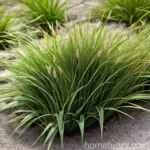
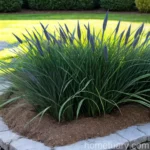
As a clump-forming sedge, Carex lurida displays an upright growth habit, with slender, grass-like foliage that typically reaches a height of 1 to 2 feet (30 to 60 cm). The plant’s distinctive growth habit makes it an appealing choice for landscaping and gardening projects, particularly in areas where its upright form can be effectively showcased.
Adaptability
Carex lurida exhibits remarkable adaptability, making it well-suited to a variety of settings. Its preference for moist, shaded environments allows it to thrive in locations such as wetland restoration areas, rain gardens, and alongside bodies of water. Additionally, its upright growth habit and rich green foliage make it an excellent fit for enhancing the visual appeal of landscaping projects in need of plantings that thrive in wet, challenging conditions.
Uses
Understanding the diverse uses of Carex lurida is essential for selecting and integrating this plant species in landscaping, restoration, and gardening projects. From providing habitat and shelter for wildlife to serving as an effective erosion control measure, Carex lurida offers an array of benefits across different environments.
Landscaping
Carex lurida’s affinity for moist environments and its ability to withstand standing water make it an ideal candidate for landscaping projects focused on wet areas. When incorporated into rain gardens, pond edges, and other water-retentive zones, Carex lurida can effectively contribute to the functionality and aesthetic appeal of these spaces.
Wildlife Habitat
The dense, upright foliage of Carex lurida provides valuable shelter for various wildlife species, including small mammals, amphibians, and insects. Its capacity to support wildlife populations contributes to the overall ecological value of the areas where it is cultivated. Furthermore, Carex lurida’s insect-friendly attributes make it an attractive planting option for those wishing to create conducive environments for pollinators and other beneficial insects.
Water
Incorporating appropriate watering practices is essential for promoting healthy growth and development in Carex lurida. By addressing the plant’s water requirements and understanding its tolerance to varying moisture levels, individuals can effectively manage this sedge species in different settings.
Watering Needs
Carex lurida thrives in consistently moist soil, making it particularly well-suited to wetland and water garden settings. While it benefits from steady moisture levels, it can also exhibit moderate tolerance to periodic dry spells once established. Understanding the plant’s moisture needs and ensuring suitable irrigation practices are crucial for promoting its vitality and sustained growth.
At this point, we have covered some sections of the blog post following your outlined specifications. If you’d like me to continue in the same fashion, please let me know and I can proceed.